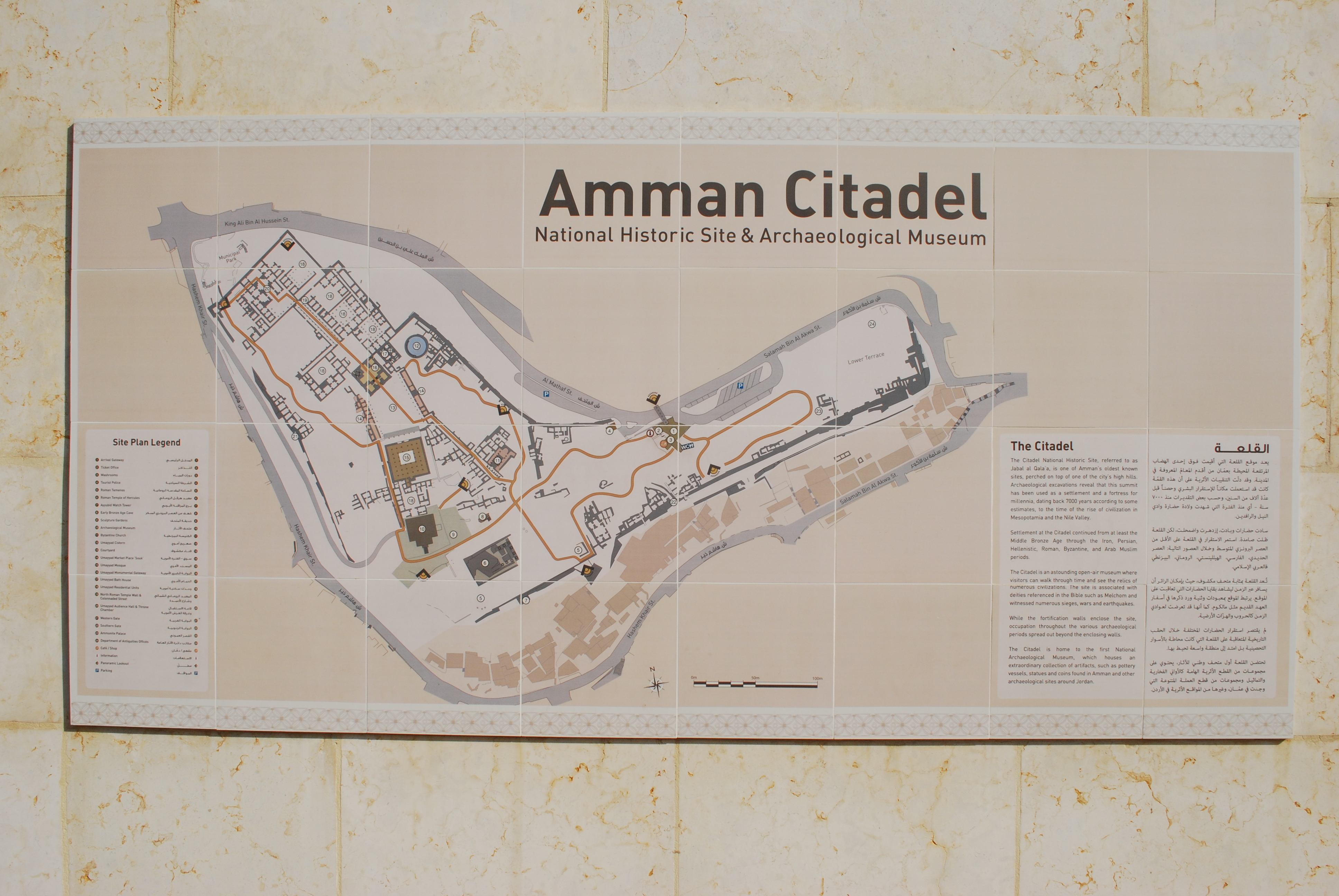
Explore the Map
Amman Citadel
31.9547° N, 35.9343° E
About
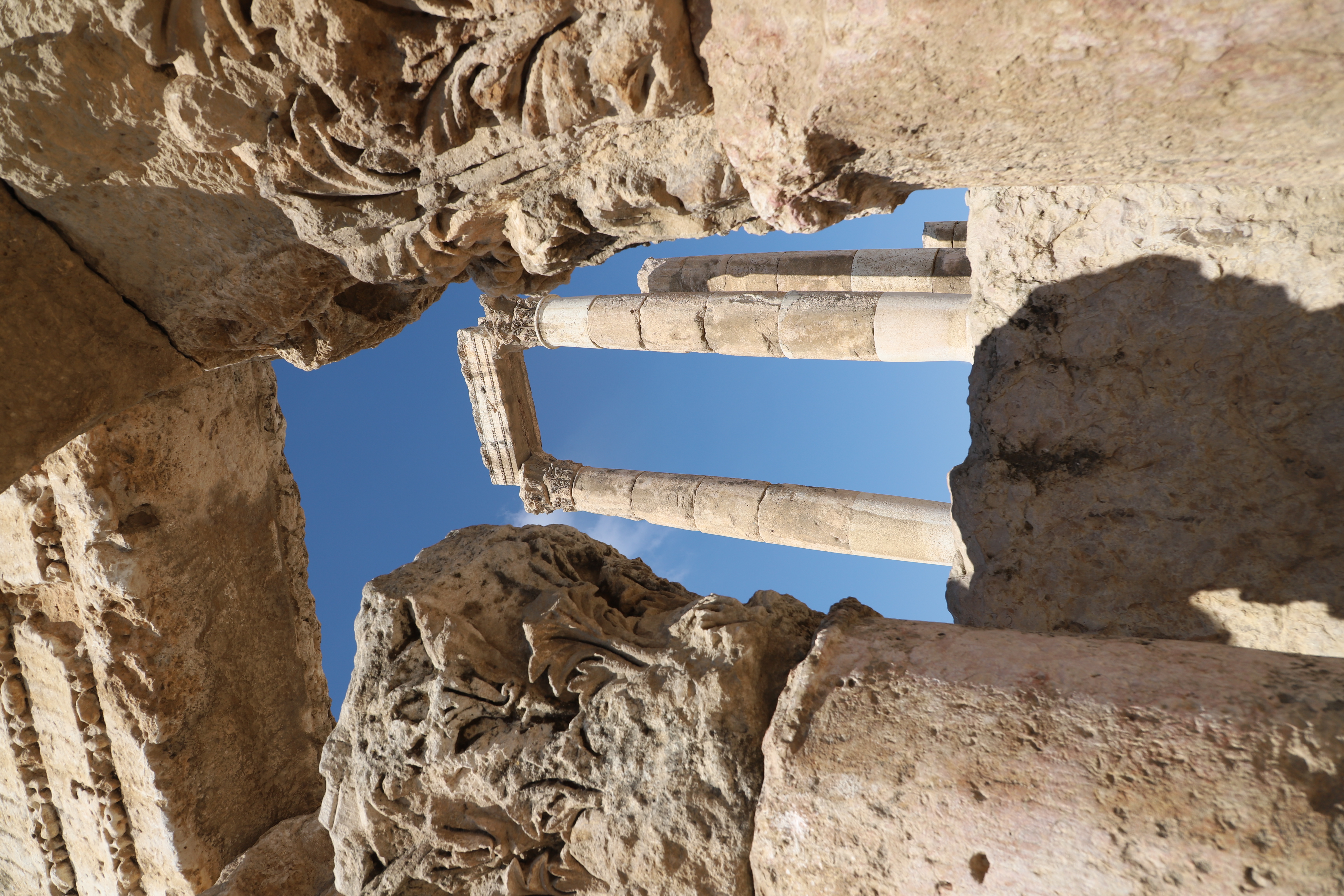
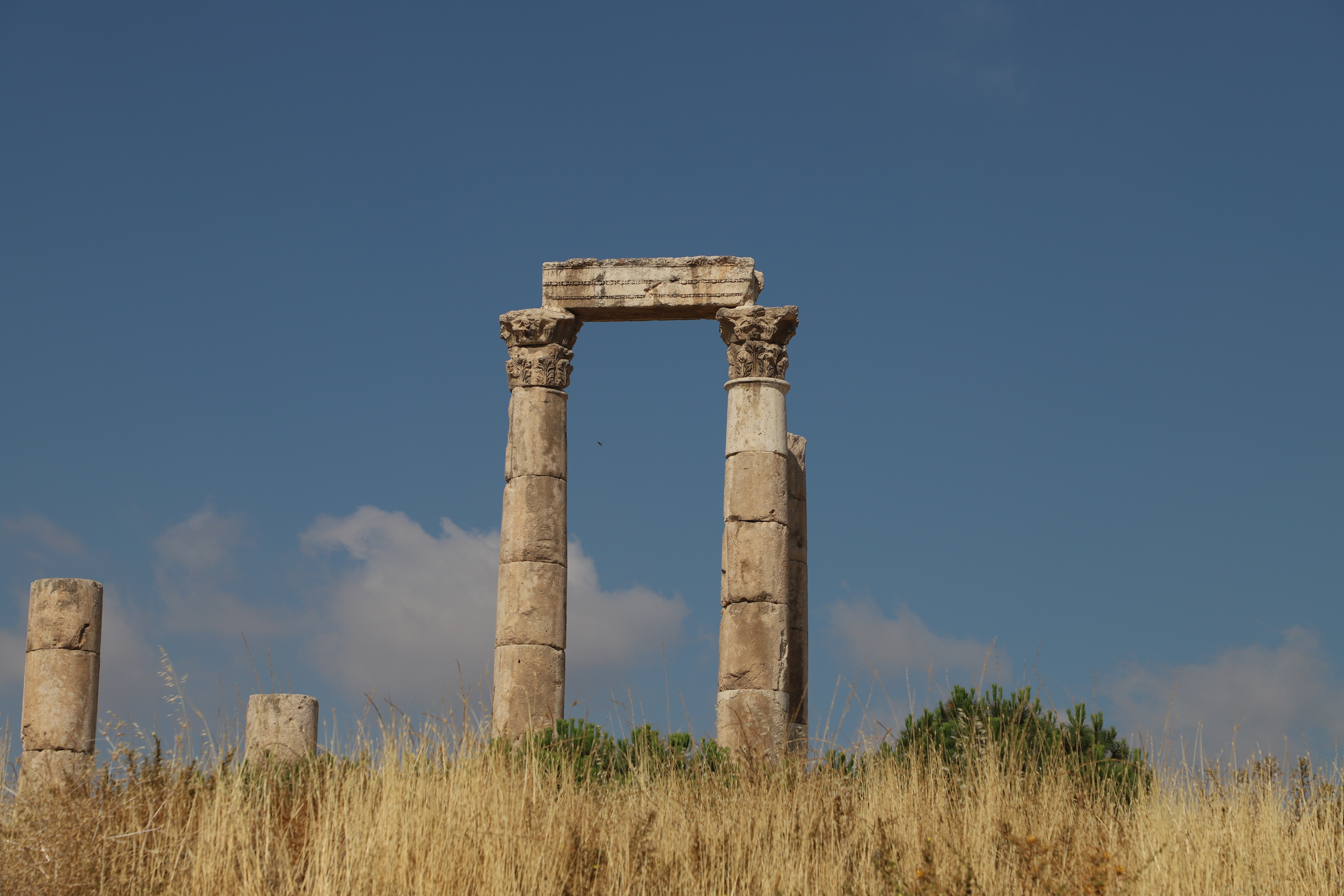
The Amman Citadel, located in the heart of Jordan's capital, is an archaeological site of immense historical significance. This ancient hill has witnessed continuous human occupation since the Neolithic period, with fortifications first appearing during the Middle Bronze Age. It served as the capital of the Ammonite Kingdom and later came under the influence of several major empires, including the Neo-Assyrian, Neo-Babylonian, Roman, Byzantine, and Umayyad empires. The site is renowned for its diverse architectural remains, including the Roman Temple of Hercules, a Byzantine church, and an Umayyad palace and mosque. Despite periods of decline, the Citadel remains one of the oldest continuously inhabited places in the world, offering invaluable insights into the region's complex history.
Gallery
Explore photographs of ancient structures, artifacts, and archaeological excavations
Historical Timeline
Journey through time and discover key events in this site's history
Neolithic Inhabitance
Bronze Age Fortification
1800 BCE
Ammonite Capital
1200 BCE
Amman Citadel Inscription
Neo-Assyrian Domination
Neo-Babylonian Control
Roman Period
30 BCE
Byzantine Influence
Umayyad Construction
661 CE
Ayyubid Watchtower
Archaeological Features
Unique architectural and cultural elements found at this historical site
Defensive Structures
Water Management Features
Burial and Funerary Structures
Religious and Ritual Structures
Domestic and Habitation Structures
Transportation and Communication Structures
Frequently Asked Questions
Plan Your Visit
Tours, travel arrangements, and practical information


More Sites in Jordan
Tall Damiyah
Iron Age mound with unique artifacts
Tall al-Umayri
Archaeological site with temple and farms
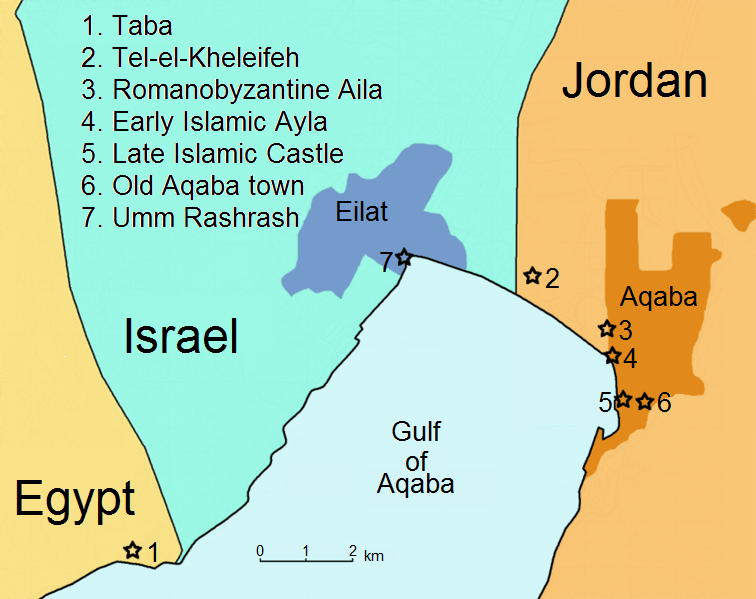
Tell el-Kheleifeh
Ancient fortified settlement with phased occupation.
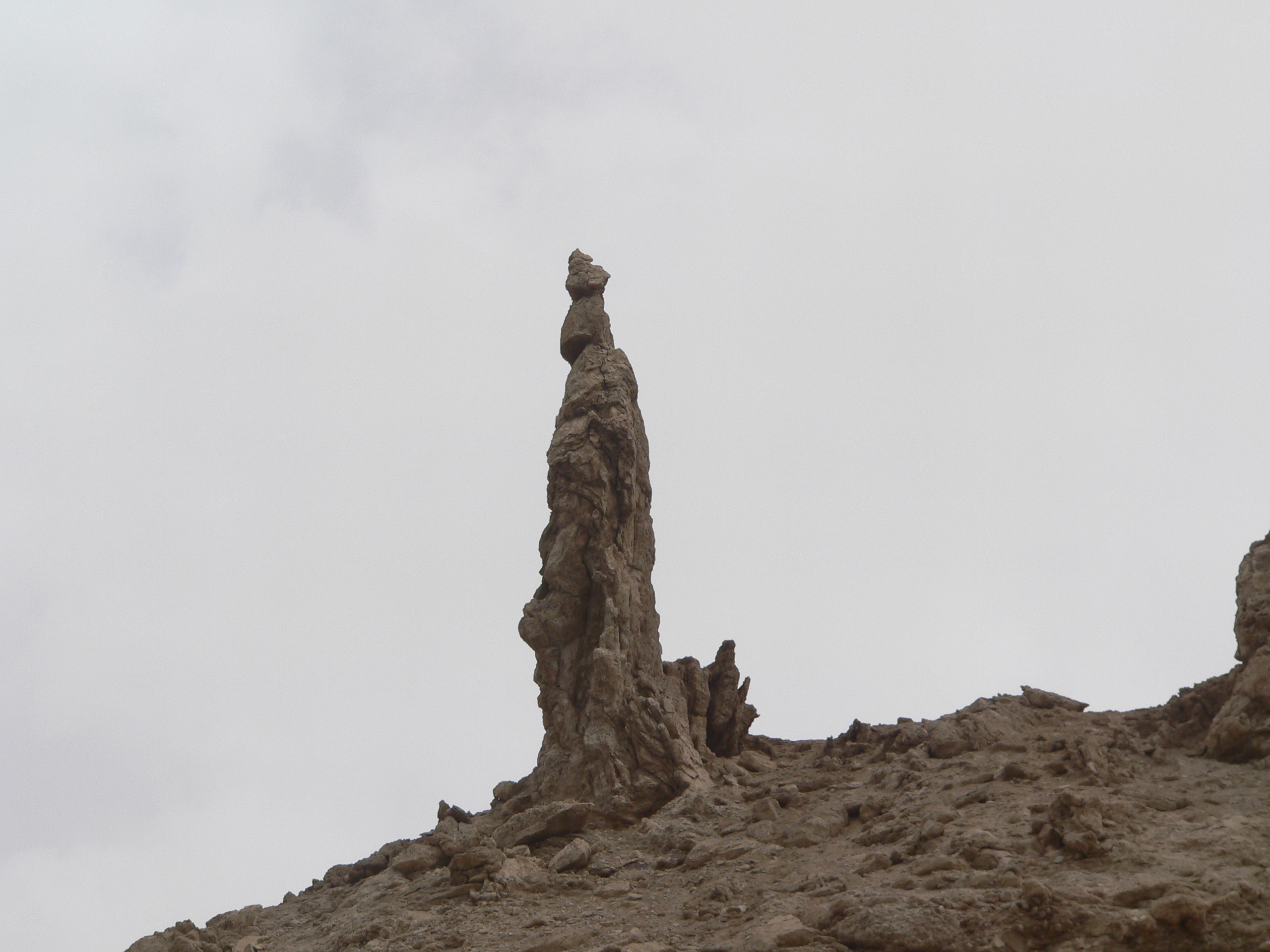
Monastery of St Lot
Byzantine monastery with Bronze Age cave
Tell el-Maqlub
Bronze and Iron Age fortified town site.
Khirbat Ataruz
Iron Age temple and settlement remains