Explore the Map
Tall al-Umayri
31.8686° N, 35.8881° E
About
Tall al-’Umayri is a significant archaeological site in western Jordan, highlighting continuous human occupation and transformation from the Early Bronze Age through the Islamic periods. The site, situated near modern Amman, features an array of structures including domestic houses, a fortified rampart, and notably, a Late Bronze Age temple with distinctive cultic elements. Evidence of agricultural activity, particularly vineyards, suggests a thriving agrarian economy. Among its most intriguing finds is an Ammonite administrative complex from 600 BCE, marked by seals bearing the name of King Ba'alyasha'. The site also bears witness to cultural exchanges, as seen in a tomb with Greek inscriptions. These attributes underscore Tall al-’Umayri's importance as a nexus of ancient civilizations and cultures.
Historical Timeline
Journey through time and discover key events in this site's history
Early Bronze Age habitation
2500 BCE
Site abandonment
2200 BCE
Middle Bronze Age fortification
1600 BCE
Late Bronze Age temple
1300 BCE
Early Iron Age settlement
1200 BCE
Occupation by distinct culture
1050 BCE
Ammonite administrative complex
600 BCE
Greek tomb and ritual pool
200 BCE
Byzantine and Islamic period occupation
350 CE
Archaeological Features
Unique architectural and cultural elements found at this historical site
Defensive Structures
Burial and Funerary Structures
Religious and Ritual Structures
Artistic and Decorative Features
Agricultural and Land Use Features
Domestic and Habitation Structures
Frequently Asked Questions
Plan Your Visit
Tours, travel arrangements, and practical information
More Sites in Jordan
Tall Damiyah
Iron Age mound with unique artifacts
Khirbat Ataruz
Iron Age temple and settlement remains
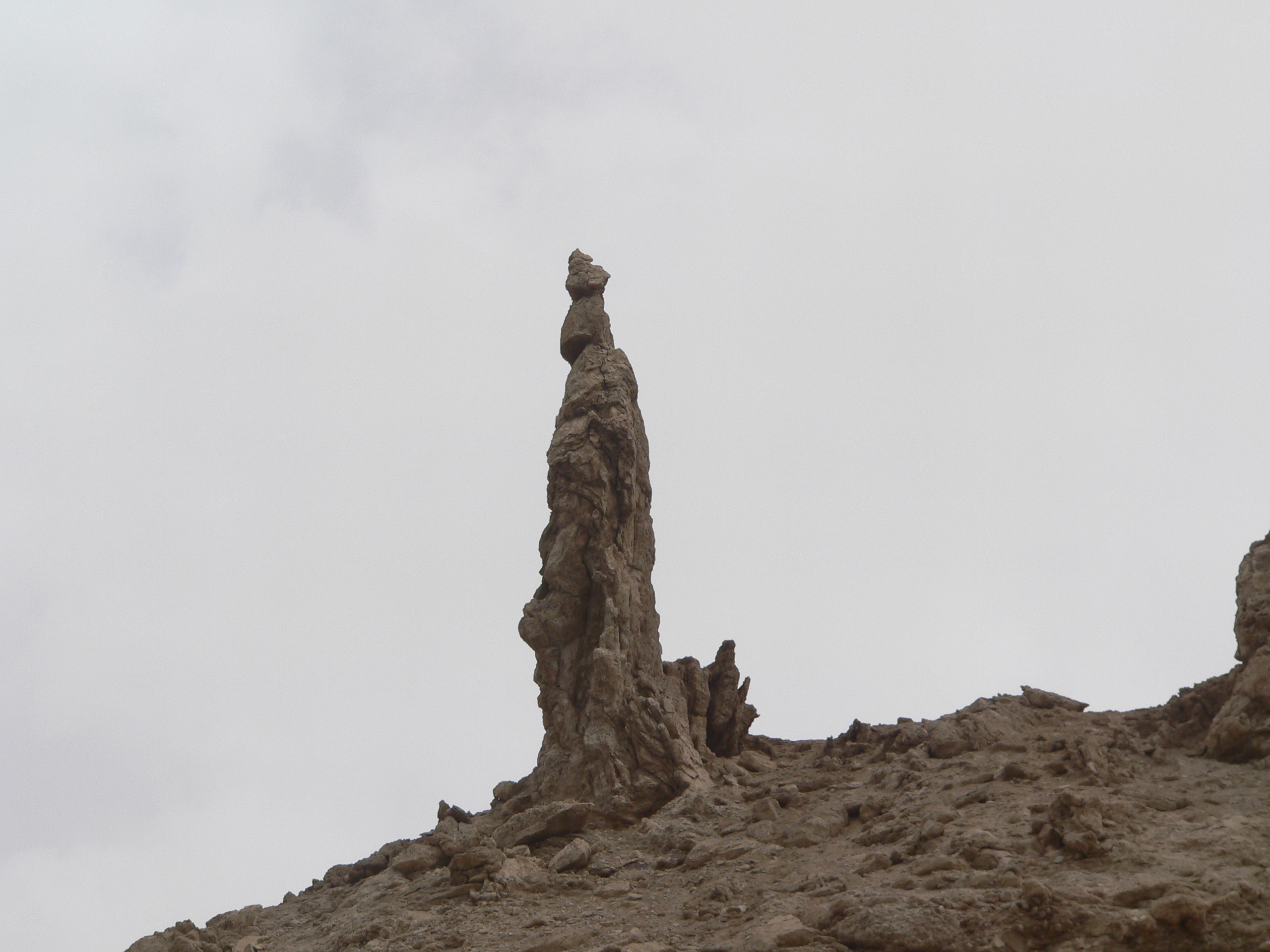
Monastery of St Lot
Byzantine monastery with Bronze Age cave
Tell el-Maqlub
Bronze and Iron Age fortified town site.
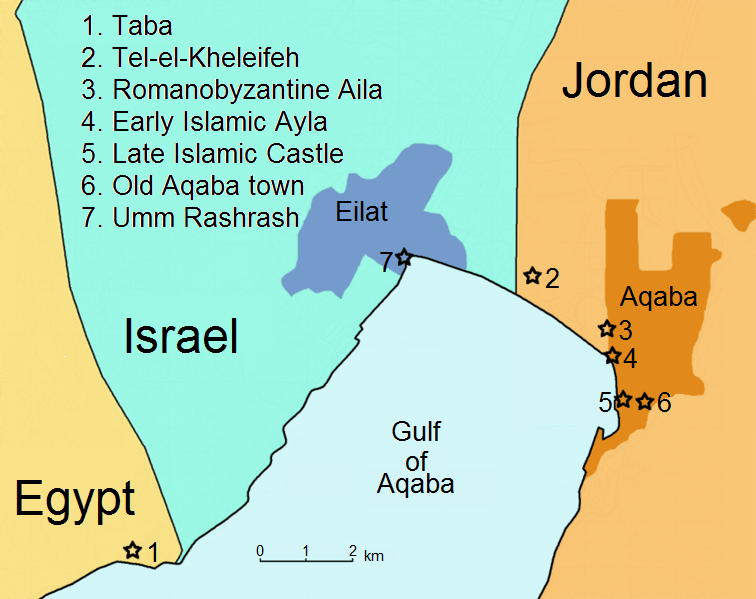
Tell el-Kheleifeh
Ancient fortified settlement with phased occupation.
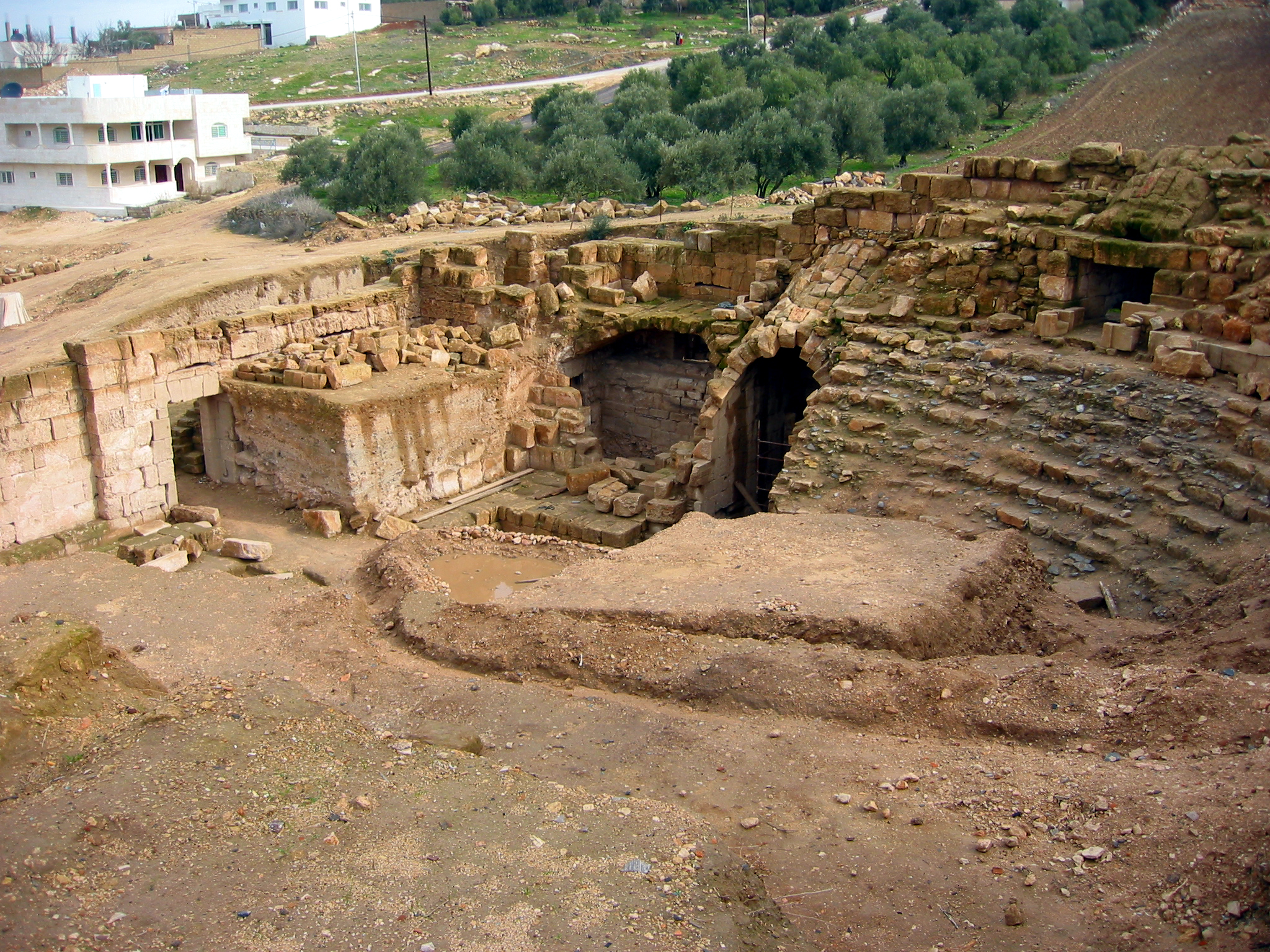
Capitolias
Ancient Roman city with minimal ruins.