Explore the Map
Khirbat Ataruz
31.5744° N, 35.6648° E
About
Khirbat Ataruz, located in the Madaba Governorate of Jordan, is a significant archaeological site with a rich history spanning several periods. Primarily known for its Iron Age occupation, the site features one of the best-preserved temples from this era in the Southern Levant. The temple, associated with the Moabite King Mesha and his narrative in the Mesha Stele, highlights the site's historical and religious significance. Khirbat Ataruz also offers insights into the habitation patterns during the Hellenistic and Roman periods and the Islamic resettlements. Archaeological evidence, including aqueducts, workshops, and kitchen remains, points to the site's diverse functional roles over time, from cultic center to rural village.
Historical Timeline
Journey through time and discover key events in this site's history
Early Iron I settlement
10th century BCE
Late Iron I to early Iron IIA destruction
10th century BCE
Early Iron IIA to Iron IIB settlement
9th to 8th century BCE
Mid-9th century BCE temple construction
9th century BCE
Early-mid 9th century BCE temple modification
9th century BCE
Hellenistic to Early Roman settlement
1st century BCE
Early and Middle Islamic period resettlement
7th to 10th century CE
Archaeological Features
Unique architectural and cultural elements found at this historical site
Water Management Features
Industrial and Craft Structures
Religious and Ritual Structures
Agricultural and Land Use Features
Domestic and Habitation Structures
Food Production and Processing Features
Frequently Asked Questions
Plan Your Visit
Tours, travel arrangements, and practical information
More Sites in Jordan
Tall al-Umayri
Archaeological site with temple and farms
Tall Damiyah
Iron Age mound with unique artifacts
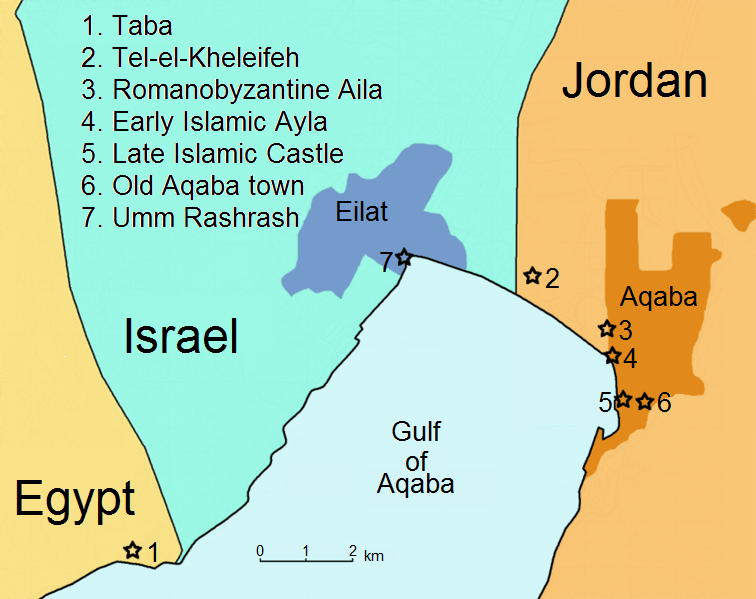
Tell el-Kheleifeh
Ancient fortified settlement with phased occupation.
Synagogue-Church at Gerasa
Byzantine synagogue converted to church
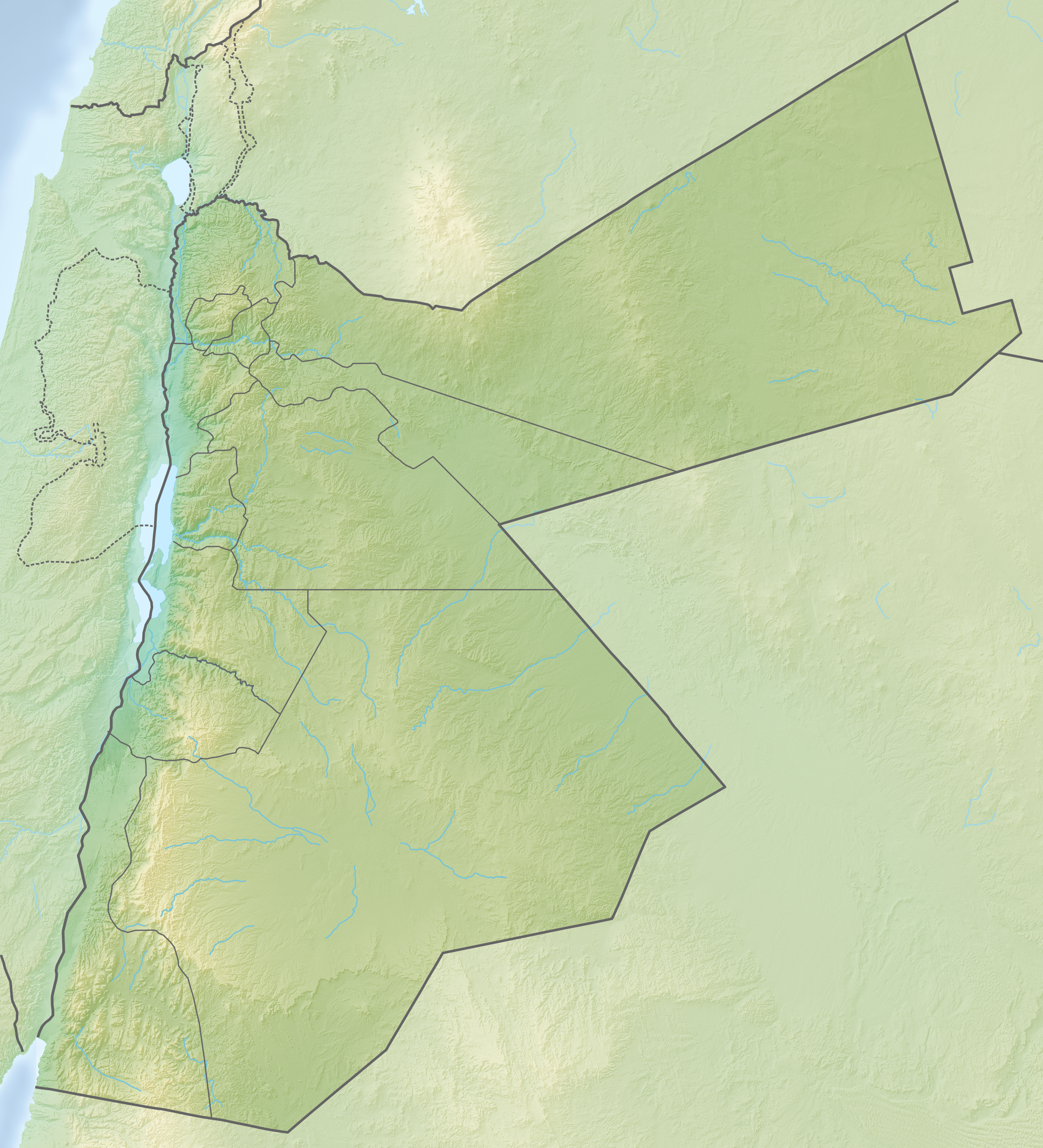
Khirbet es-Sar
Ancient settlement with temple complex.
Tell el-Maqlub
Bronze and Iron Age fortified town site.