Explore the Map
Synagogue-Church at Gerasa
32.2826° N, 35.8898° E
About
The Synagogue-Church at Gerasa, located in northwestern Jordan, represents a significant site illustrating the transformation of religious architecture in late antiquity. Originally constructed as a Byzantine-era synagogue in the 3rd or 4th century CE, it features intricate mosaics, including depictions of Noah and the Flood, and inscriptions in Hebrew-Aramaic and Greek. The synagogue's design included a vestibule, nave, and a niche oriented towards Jerusalem. Under the anti-Jewish decrees of Emperor Justinian, the synagogue was converted into a church around 530-531 CE, with a new mosaic overlay and structural reorientation. This site provides valuable insights into the cultural and religious dynamics of the region during the Late Classical and Early Post-Classical periods.
Historical Timeline
Journey through time and discover key events in this site's history
Synagogue Construction
3rd-4th century CE
Conversion to Church
530 CE, 531 CE
Archaeological Features
Unique architectural and cultural elements found at this historical site
Religious and Ritual Structures
Artistic and Decorative Features
Frequently Asked Questions
Plan Your Visit
Tours, travel arrangements, and practical information


More Sites in Jordan
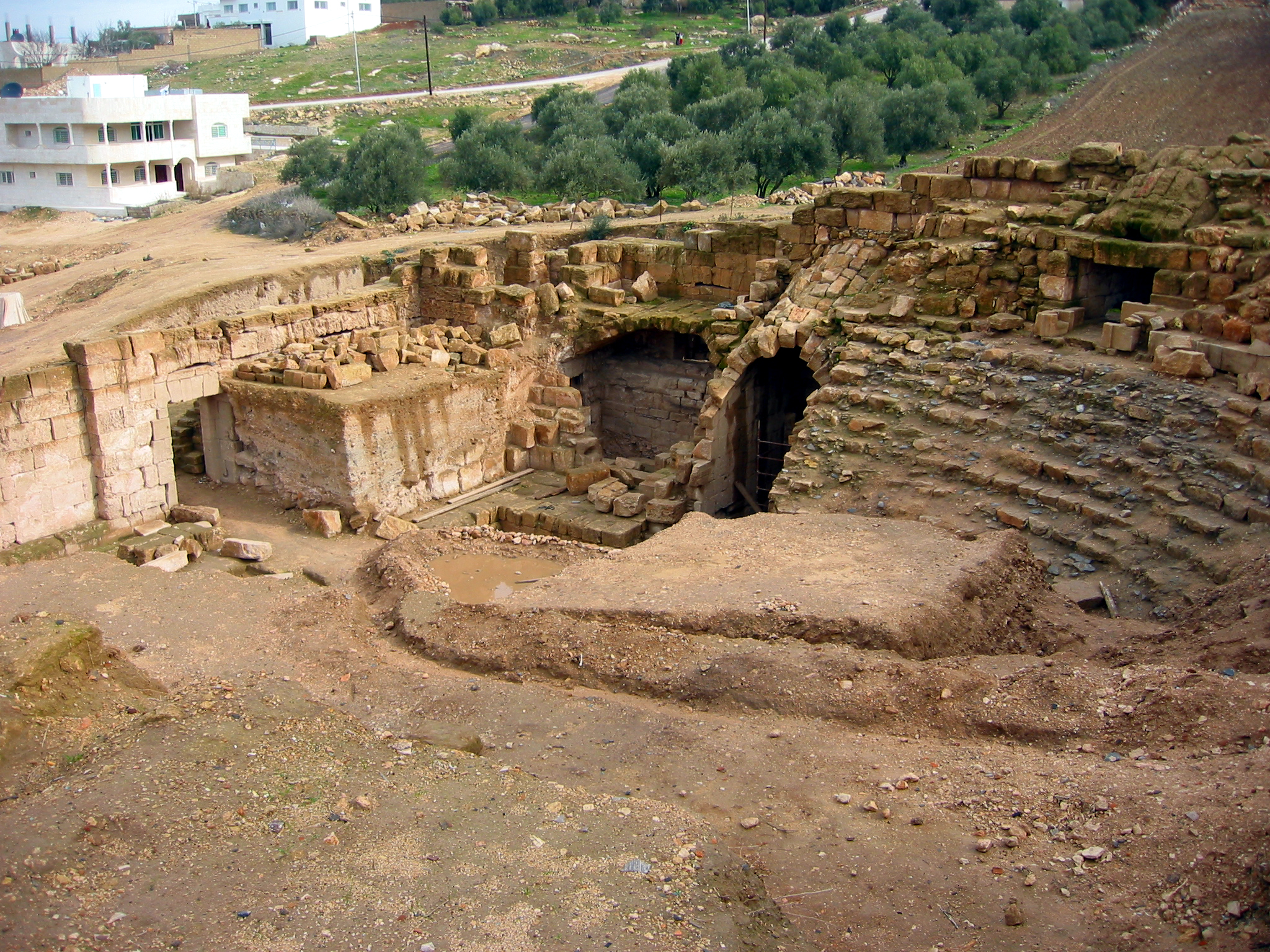
Capitolias
Ancient Roman city with minimal ruins.
Tall Damiyah
Iron Age mound with unique artifacts
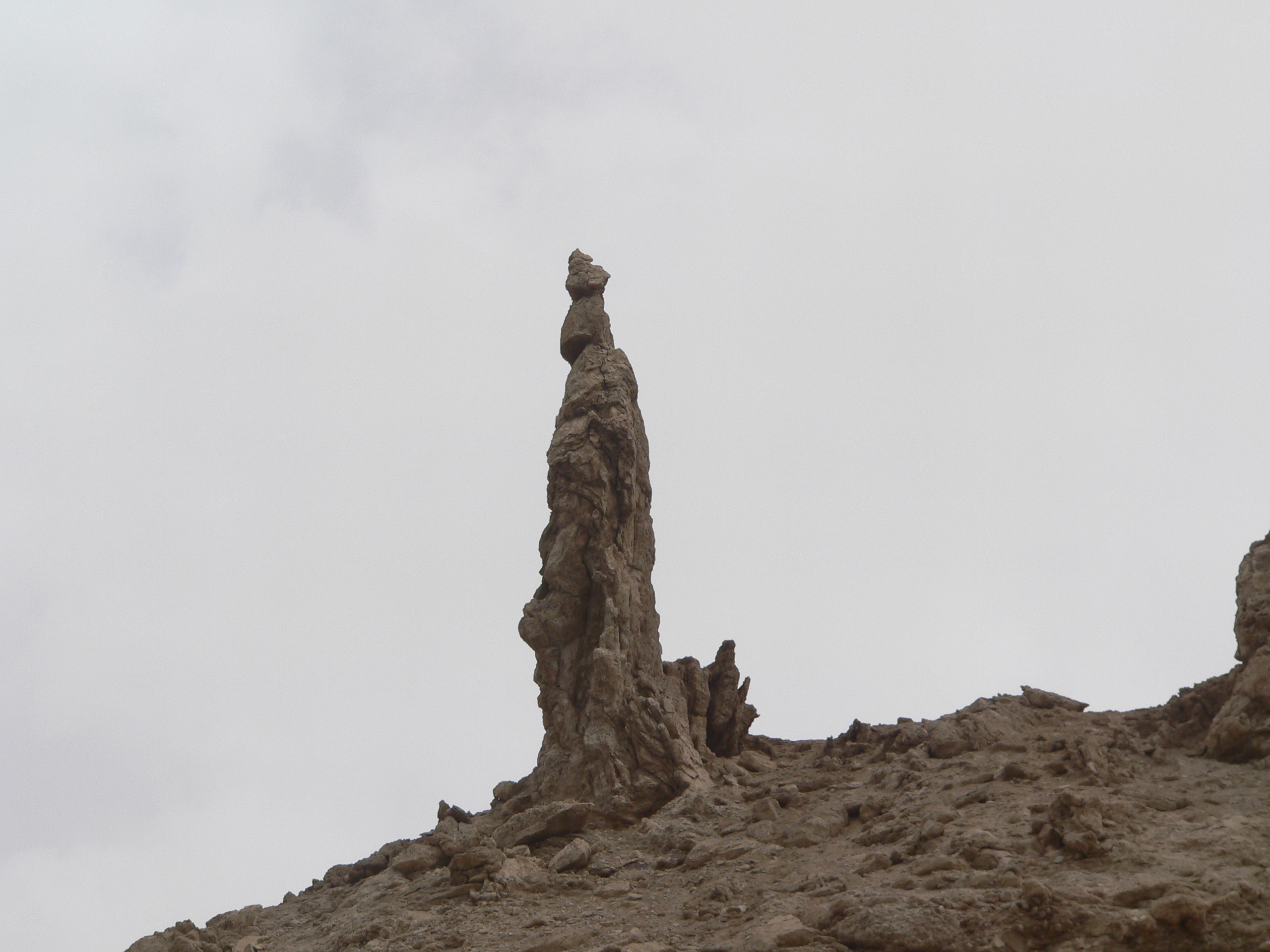
Monastery of St Lot
Byzantine monastery with Bronze Age cave
Tall al-Umayri
Archaeological site with temple and farms
Khirbat Ataruz
Iron Age temple and settlement remains
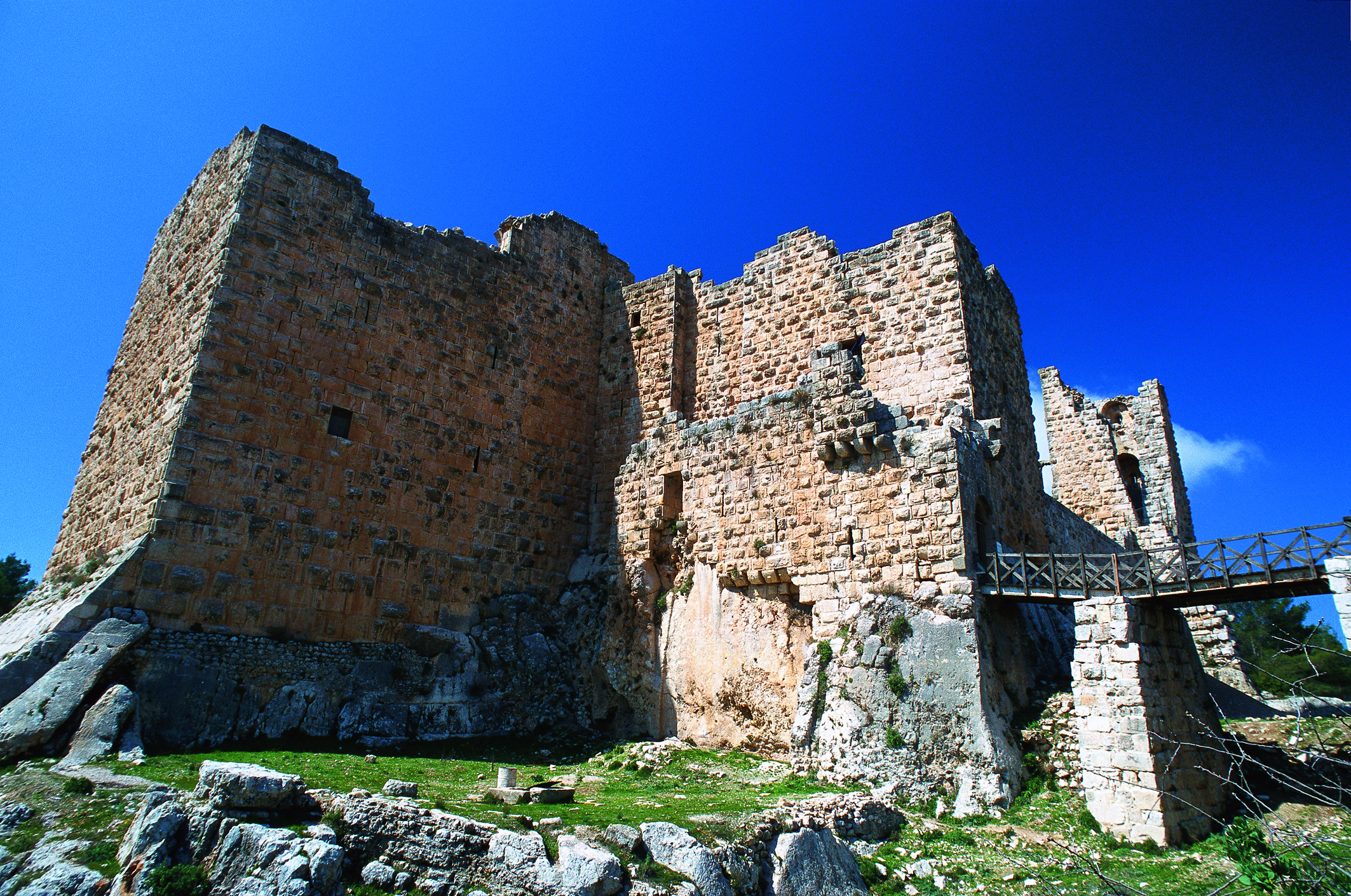
Ayn al-Habis
12th century cave castle in Jordan