Time Periods
Paleolithic
Mesolithic
Neolithic
Chalcolithic
Bronze Age
Iron Age
Classical Period
Post-Classical Period
Early Modern Period
Industrial Period
Contemporary Period
Time Periods
Paleolithic
Mesolithic
Neolithic
Chalcolithic
Bronze Age
Iron Age
Classical Period
Post-Classical Period
Early Modern Period
Industrial Period
Contemporary Period
Location
About
Sakib, located in northwestern Jordan, is an archaeological site with significant historical layers spanning from the Roman and Byzantine periods through the Islamic conquest and into the Ottoman era. The site features remnants of ancient aqueducts, Roman olive presses, and a Byzantine cemetery, indicating its occupation and utilization during these eras. Captured by the Rashidun Caliphate in 629 CE, Sakib later became part of the Umayyad Empire with the construction of a hamlet and a mosque. During the Crusades, it served as a strategic location for the Kingdom of Jerusalem. In the 16th century, Sakib was incorporated into the Ottoman Empire, reflecting the region's dynamic historical and cultural transformations.
Archaeological Features
Explore the unique architectural and cultural elements found at this historical site
Defensive Structures
Water Management Features
Burial and Funerary Structures
Religious and Ritual Structures
Domestic and Habitation Structures
Historical Timeline
Journey through time and discover key events in this site's archaeological history
Plan Your Visit
Details
- Country
- Jordan
- Source
- Wikipedia
More Sites in Jordan
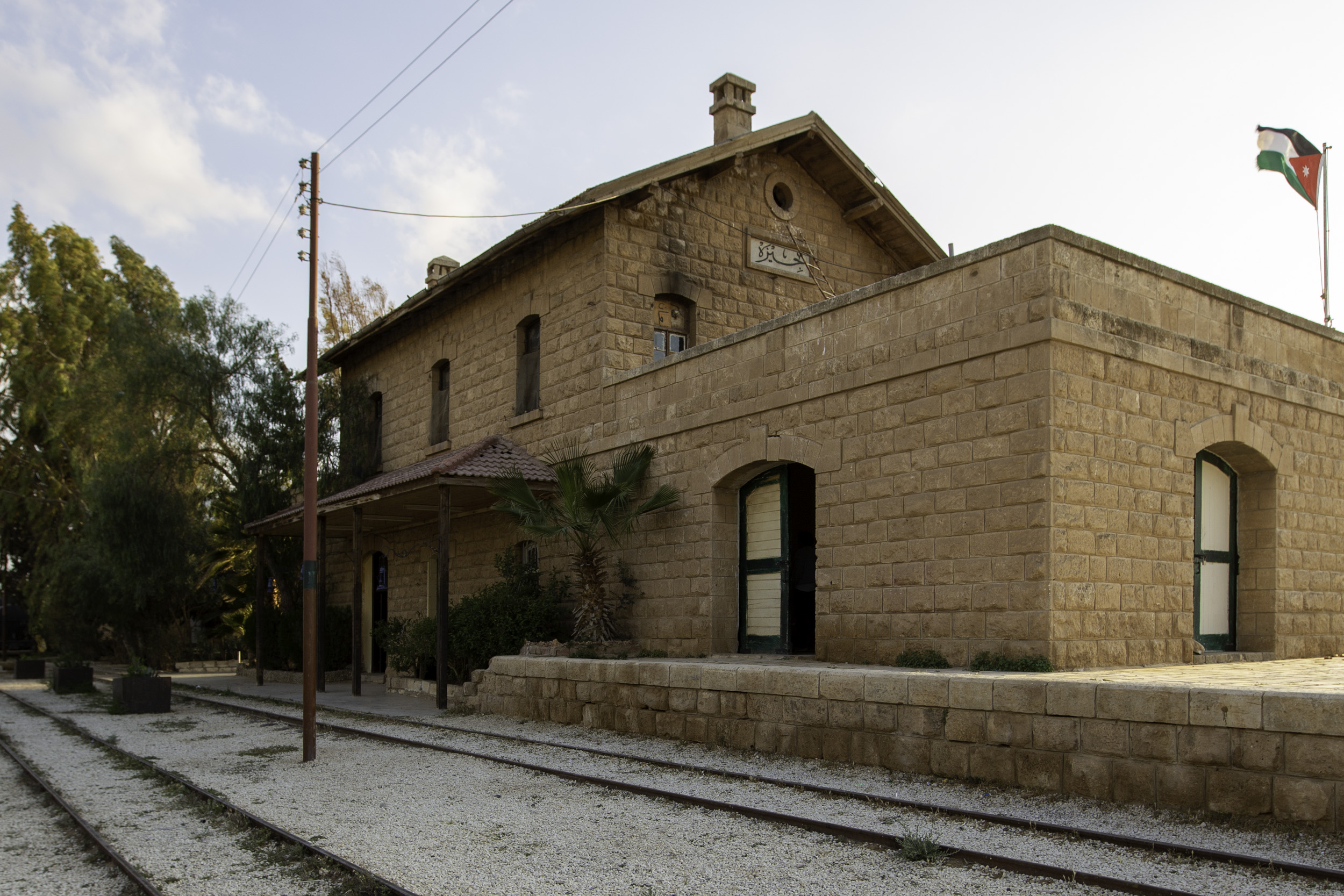
Al-Jizah, Jordan
Medieval fort with Roman and Islamic phases
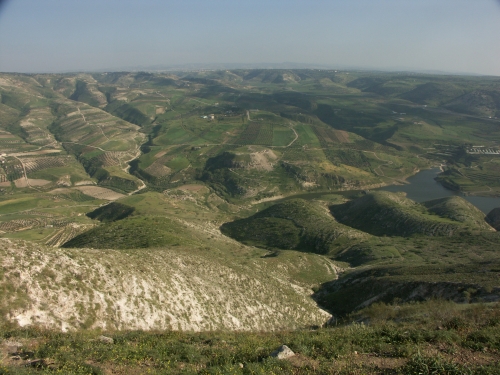
Tall Zira'a
5000 years of continuous settlement in Jordan.
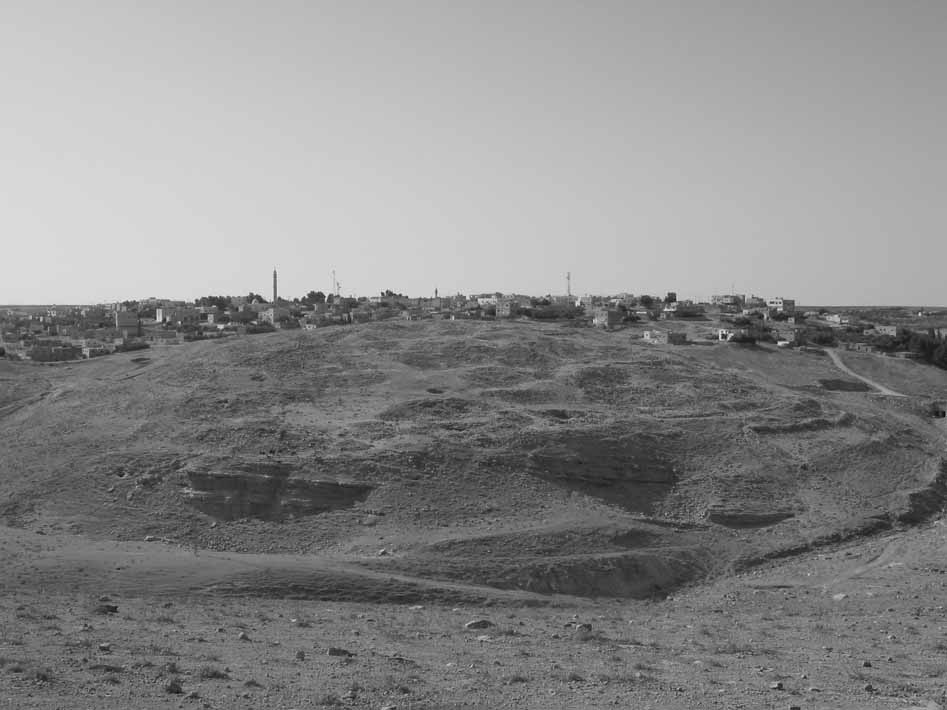
Dhiban, Jordan
Ancient settlement with extensive occupation history.
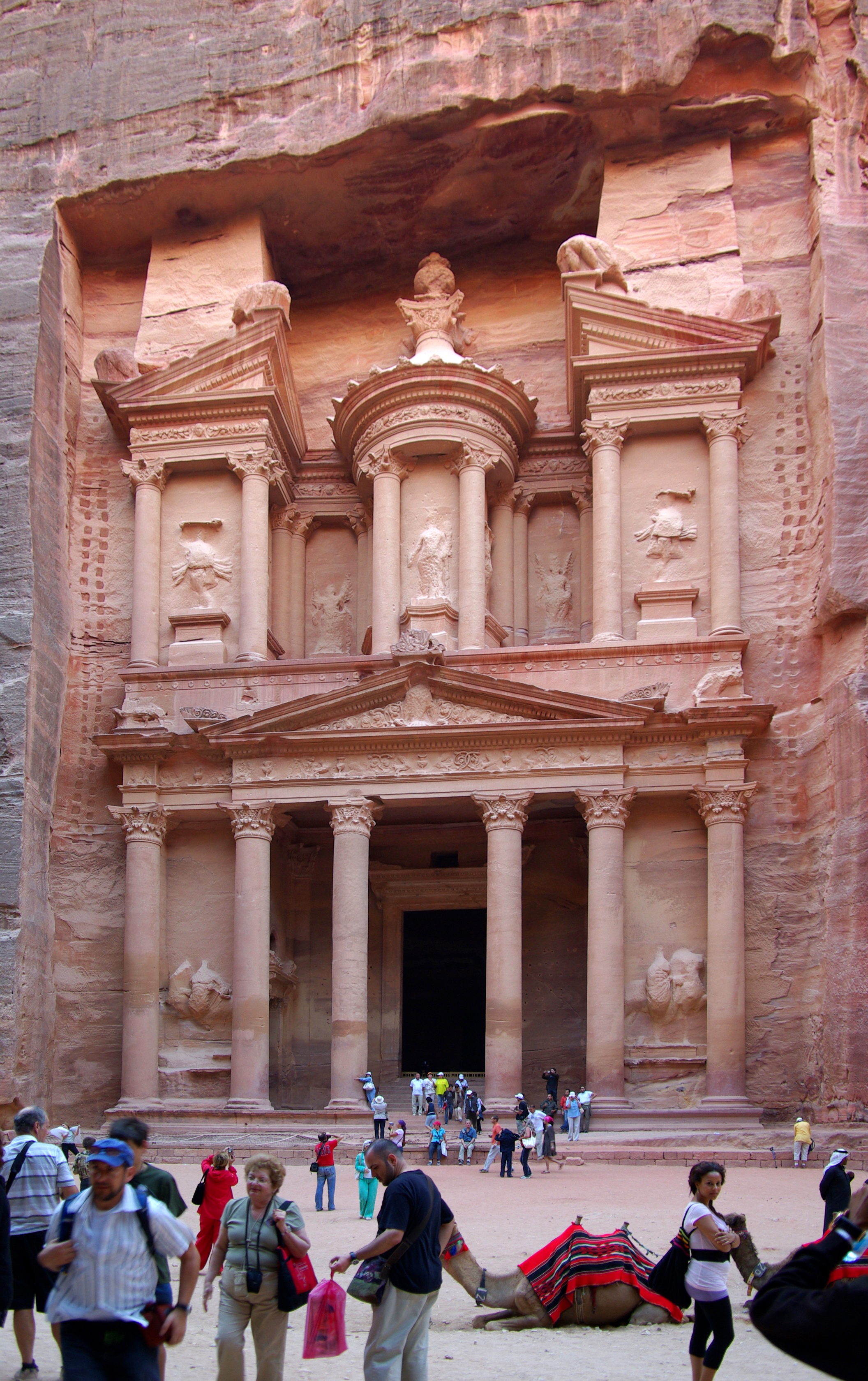
Lehun
Bronze Age to Ottoman archaeological site
Tall Damiyah
Iron Age mound with unique artifacts
Khirbat Faynan
Ancient copper mine with extensive remains.