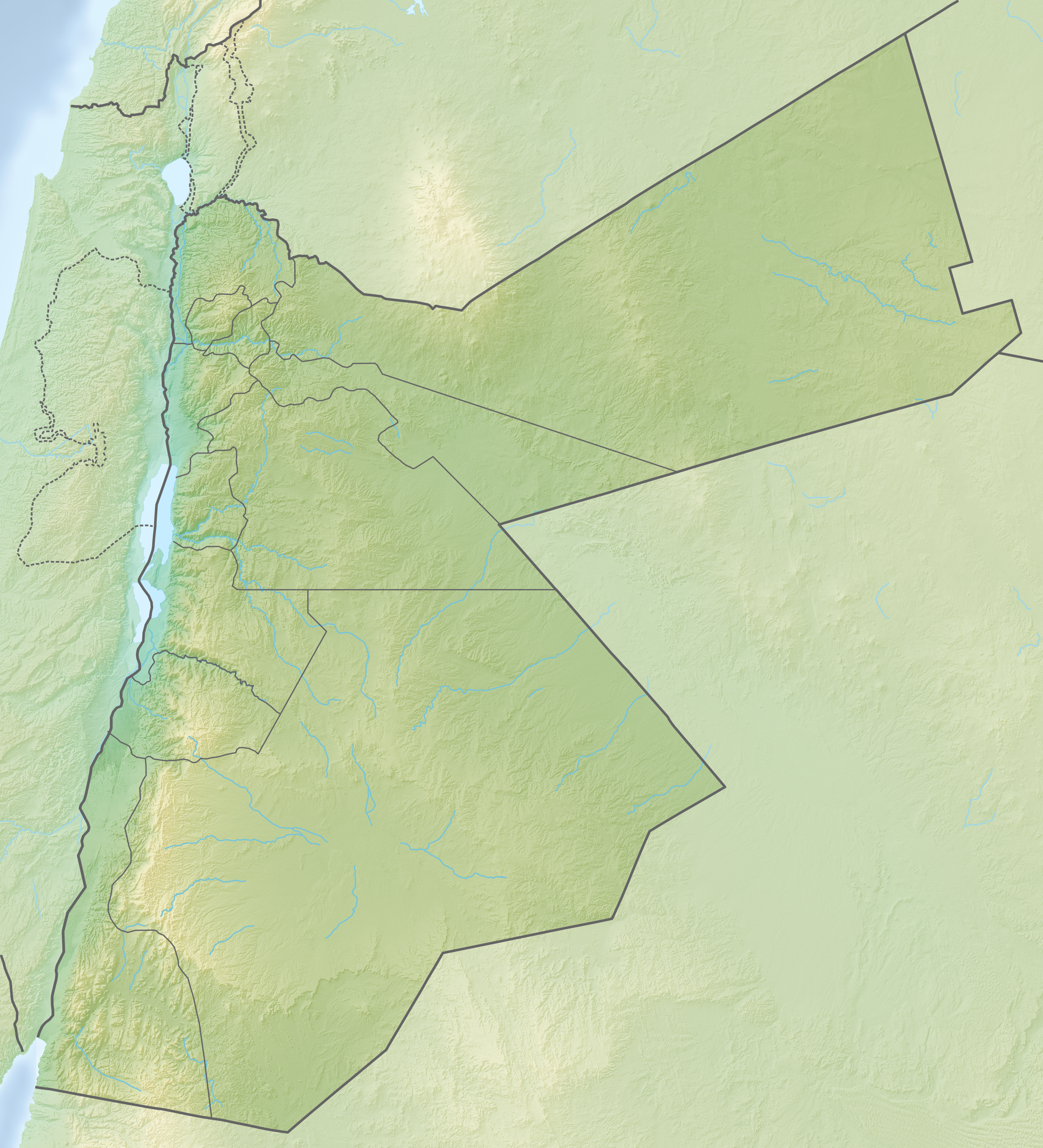
Explore the Map
Humayma
29.9500° N, 35.3469° E
About
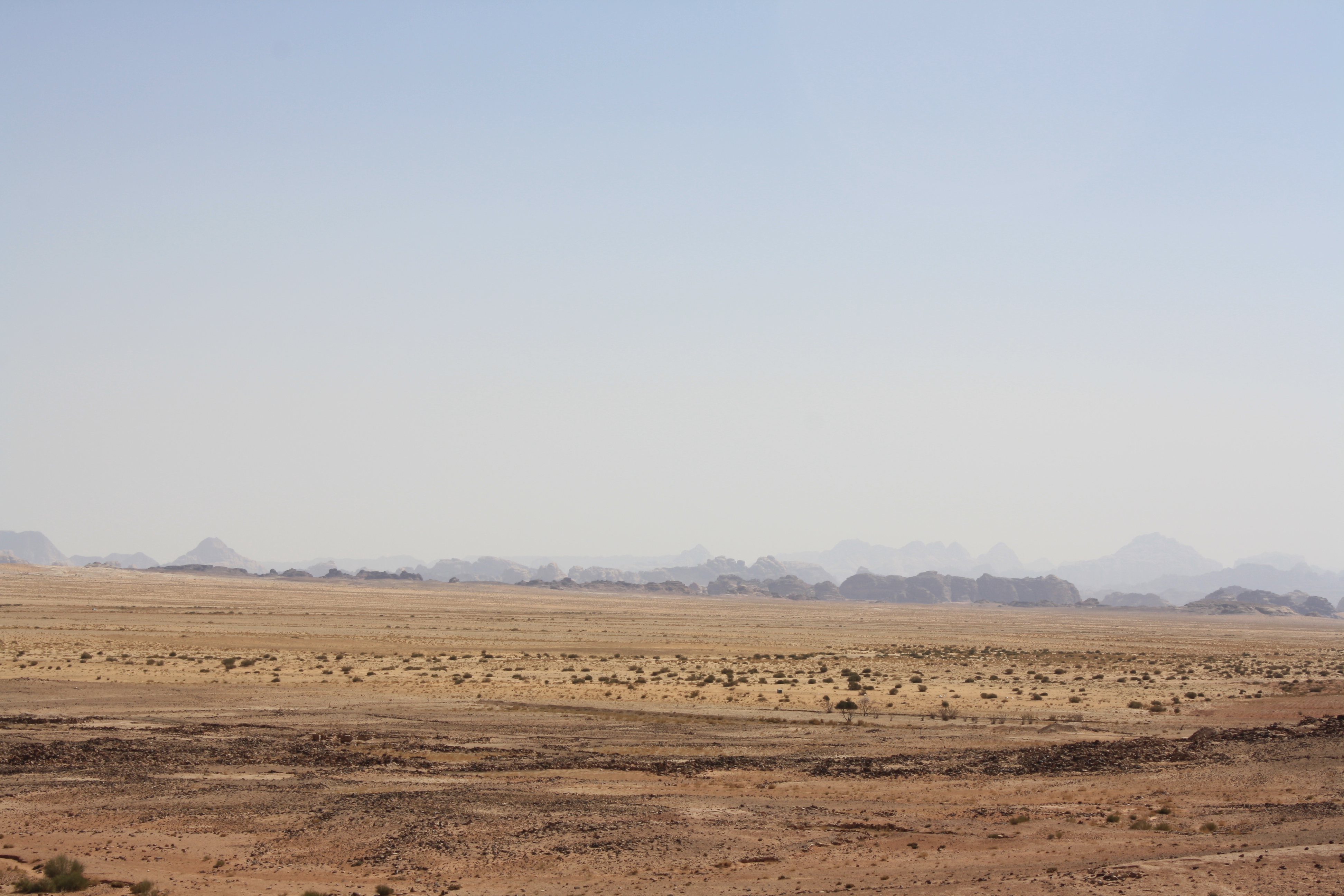
Humayma, originally known as Hawara, is an ancient site in southern Jordan founded by the Nabataean king Aretas III in the early 1st century BCE. Serving as a crucial trading post, it connected the Nabataean capital Petra with the Gulf of Aqaba. Archaeological remains at Humayma include a Roman bath and fort, five Byzantine churches, and a fortified Umayyad qasr, indicative of the site's long occupation from the Nabataean through to the early Islamic periods. The site is particularly notable for its significance during the Abbasid period, being the birthplace of the first three Abbasid caliphs. The presence of extensive water management systems reflects the innovative solutions developed to sustain life in this arid region.
Gallery
Explore photographs of ancient structures, artifacts, and archaeological excavations
Historical Timeline
Journey through time and discover key events in this site's history
Foundation by Aretas III
90 BCE
Roman occupation
circa 100 CE
Byzantine era development
circa 300 CE
Umayyad period
circa 700 CE
Abbasid caliphs' birthplace
750 CE
Archaeological Features
Unique architectural and cultural elements found at this historical site
Defensive Structures
Water Management Features
Public and Civic Structures
Religious and Ritual Structures
Domestic and Habitation Structures
Frequently Asked Questions
Plan Your Visit
Tours, travel arrangements, and practical information

More Sites in Jordan
Tall Damiyah
Iron Age mound with unique artifacts
Khirbat Ataruz
Iron Age temple and settlement remains
Tall al-Umayri
Archaeological site with temple and farms
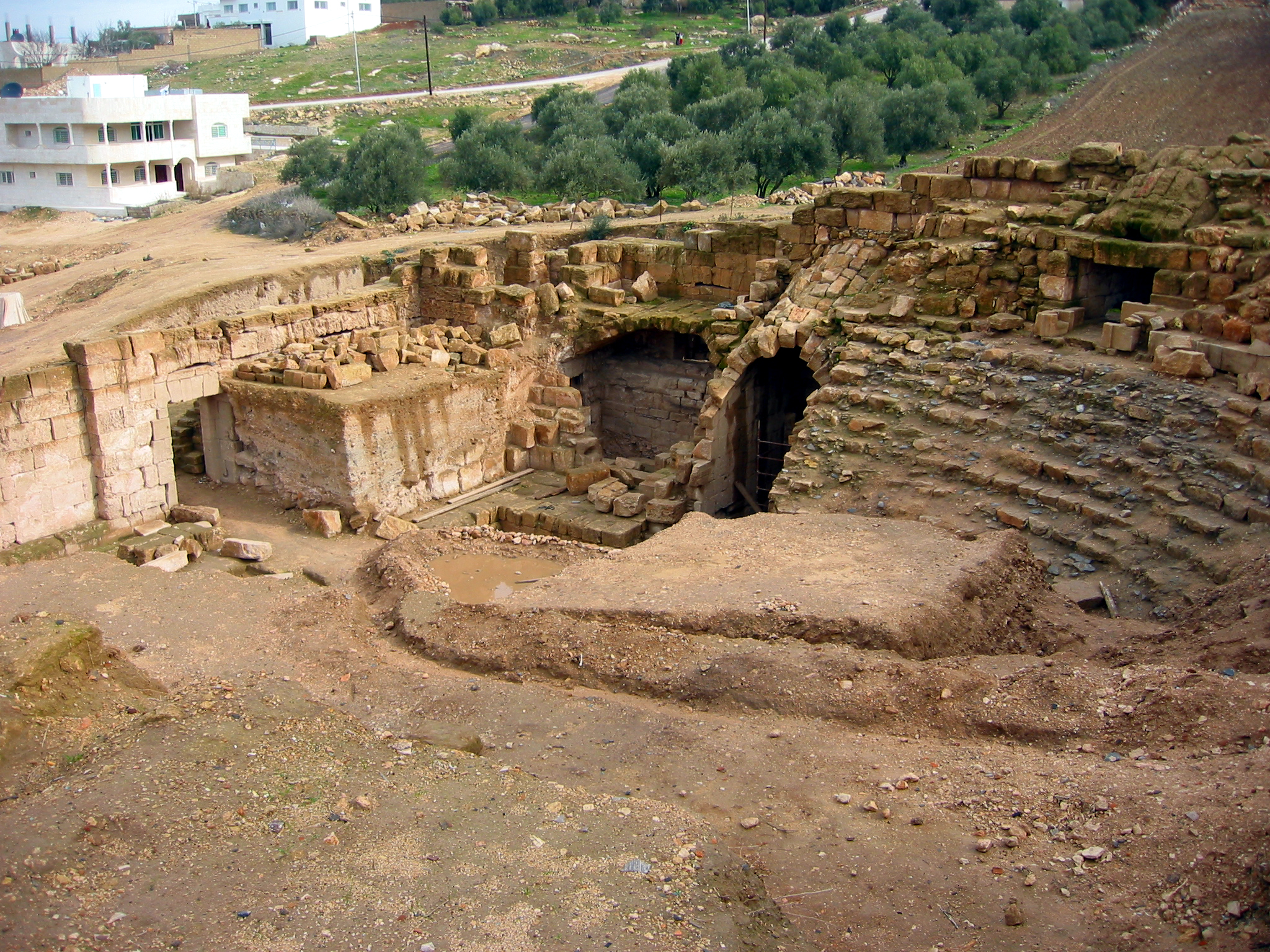
Capitolias
Ancient Roman city with minimal ruins.
Khirbet es-Sar
Ancient settlement with temple complex.
Tell el-Maqlub
Bronze and Iron Age fortified town site.