Explore the Map
Heshbon
31.8008° N, 35.8089° E
About
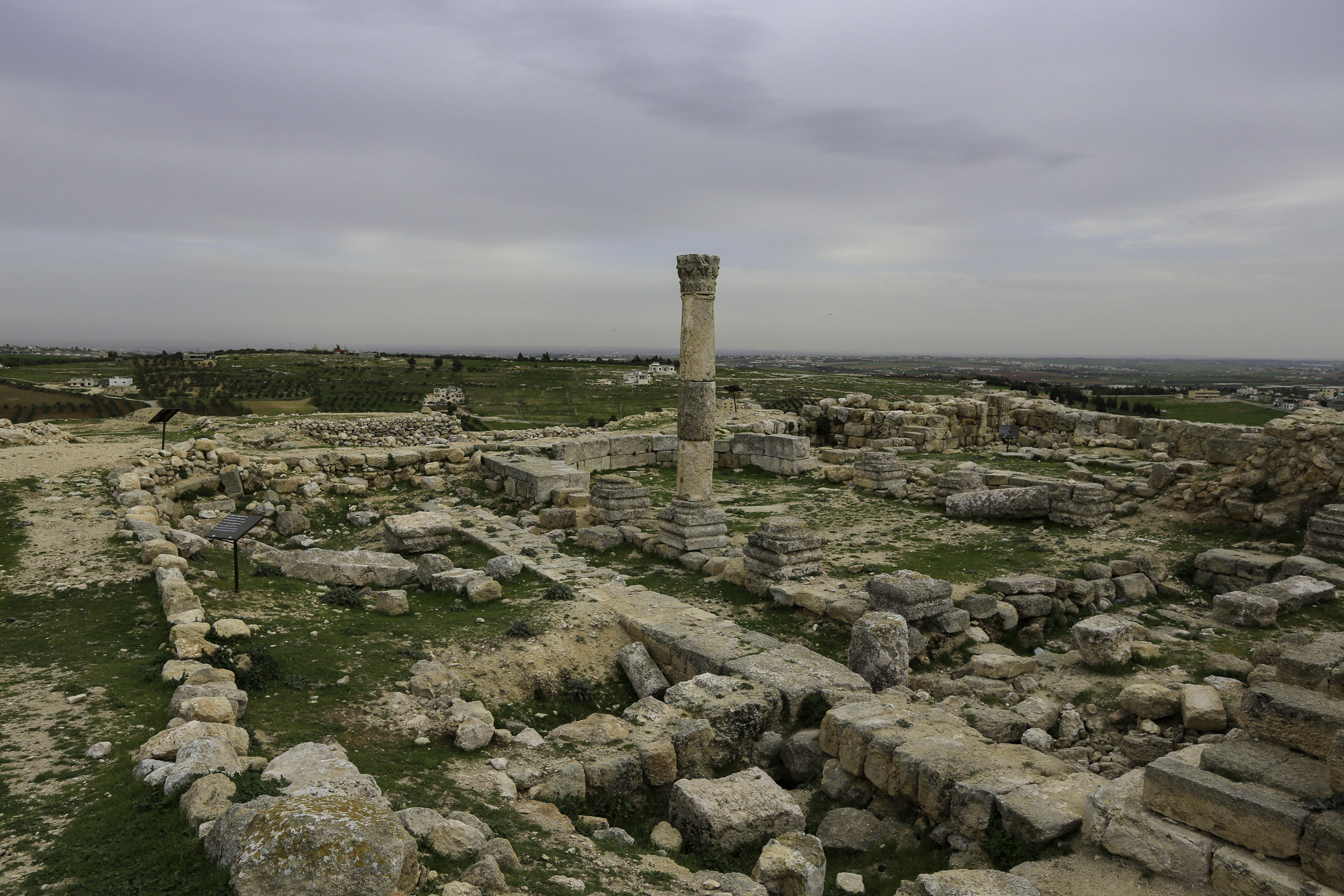
Heshbon, located east of the Jordan River in modern-day Jordan, is an archaeological site of significant historical importance. The town, historically associated with biblical King Sihon, has not been identified in its Bronze Age context. However, it has been identified as Esbus from the Roman and Byzantine periods, situated at Tell Hisban. The site features a Roman-period town with remnants of water management structures, such as reservoirs and fountains, and religious structures, including Byzantine churches adorned with elaborate mosaic floors. Over the centuries, Heshbon transitioned from an Israelite settlement to being controlled by Moabites and Ammonites, later becoming a Roman and Byzantine center. Continued archaeological excavations have provided insights into its historical phases, despite the lack of Bronze Age evidence.
Gallery
Explore photographs of ancient structures, artifacts, and archaeological excavations
Historical Timeline
Journey through time and discover key events in this site's history
Israelite control and settlement
1200 BCE
Moabite and Ammonite control
7th century BCE
Roman and Byzantine Esbus
1st century CE
Early Arab period
7th century CE
Archaeological Features
Unique architectural and cultural elements found at this historical site
Water Management Features
Religious and Ritual Structures
Artistic and Decorative Features
Domestic and Habitation Structures
Frequently Asked Questions
Plan Your Visit
Tours, travel arrangements, and practical information
More Sites in Jordan
Tall al-Umayri
Archaeological site with temple and farms
Khirbat Ataruz
Iron Age temple and settlement remains
Tall Damiyah
Iron Age mound with unique artifacts
Khirbet es-Sar
Ancient settlement with temple complex.
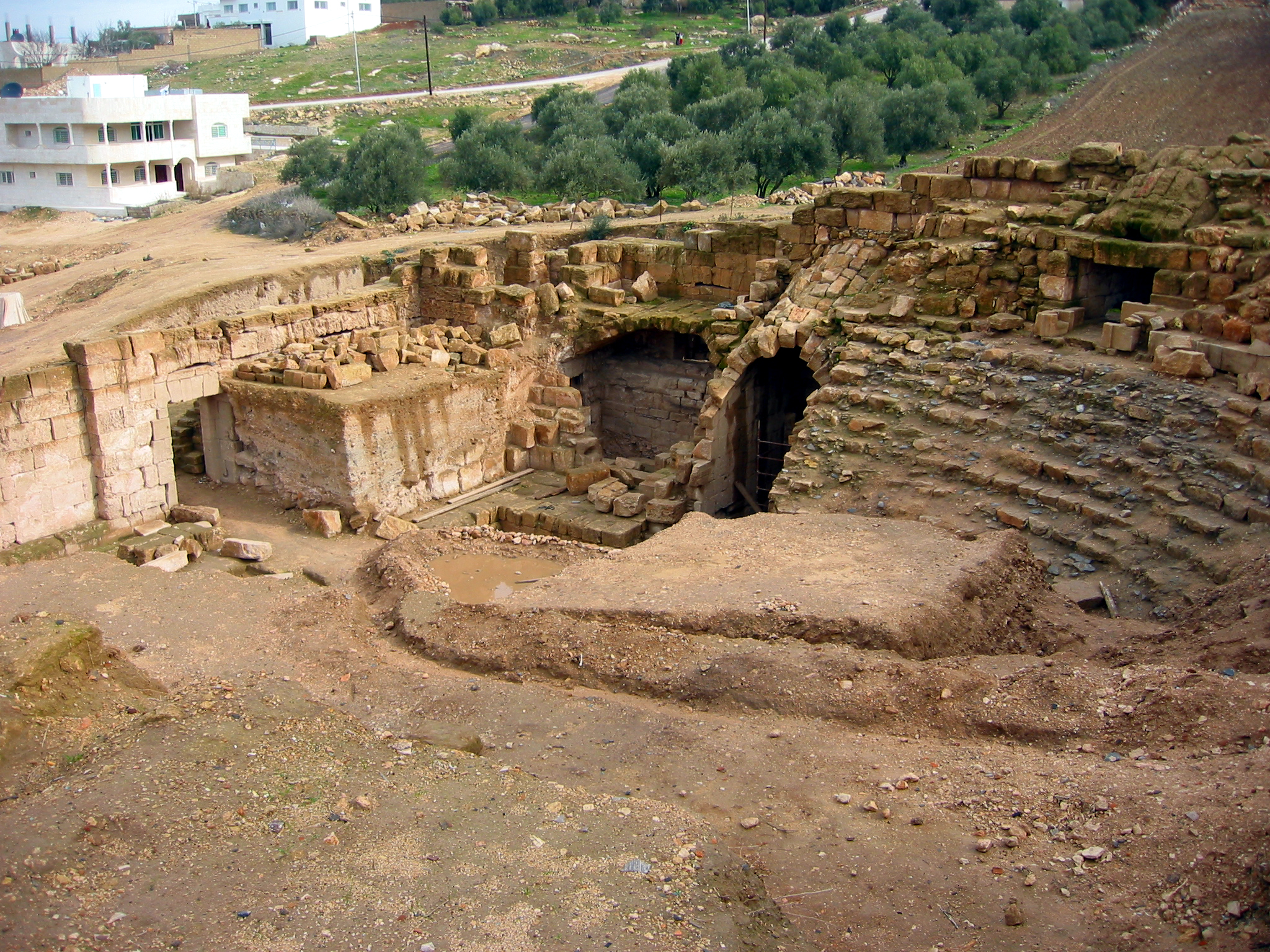
Capitolias
Ancient Roman city with minimal ruins.
Tell el-Maqlub
Bronze and Iron Age fortified town site.