Explore the Map
Qasr al-Abd
31.9128° N, 35.7518° E
About
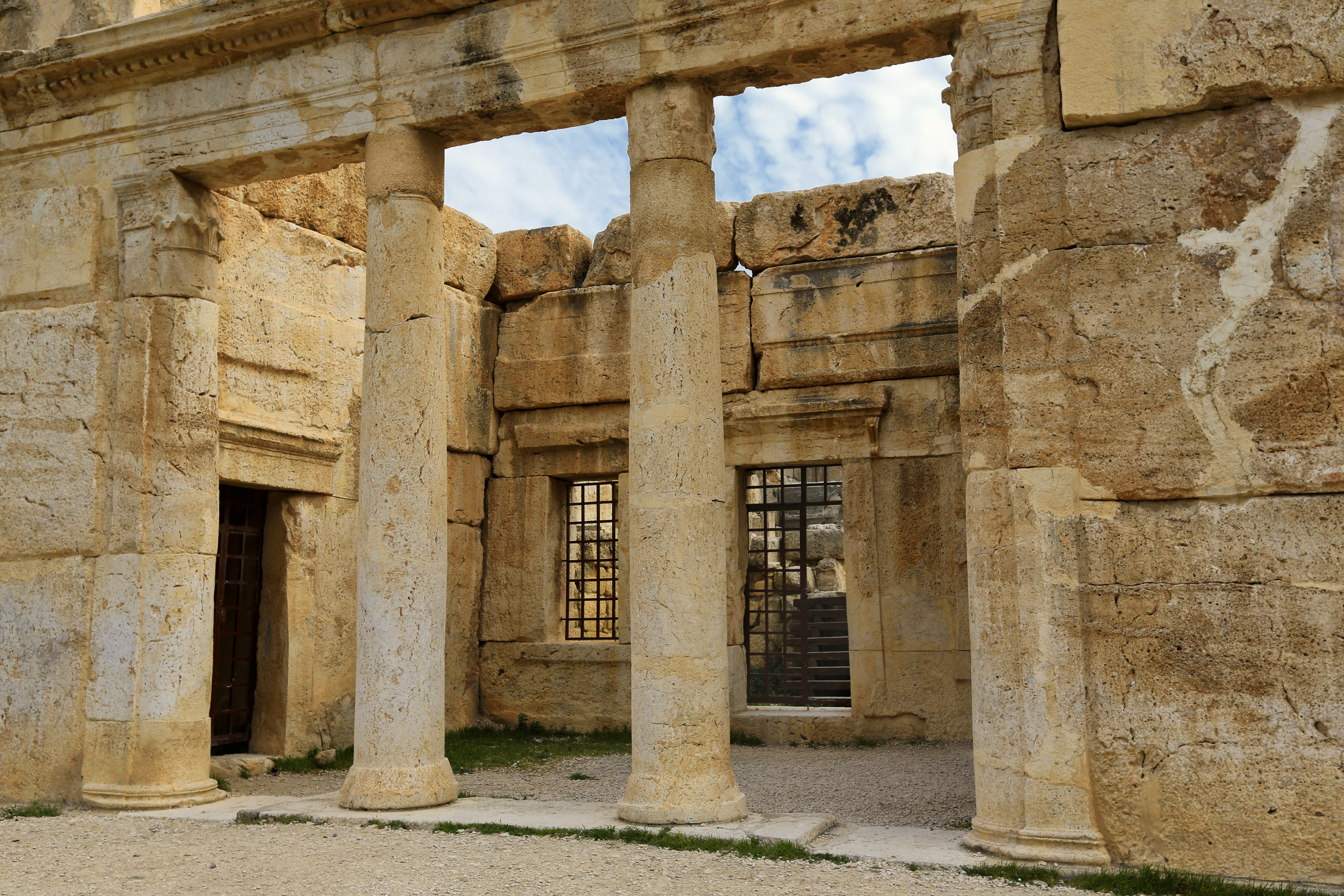
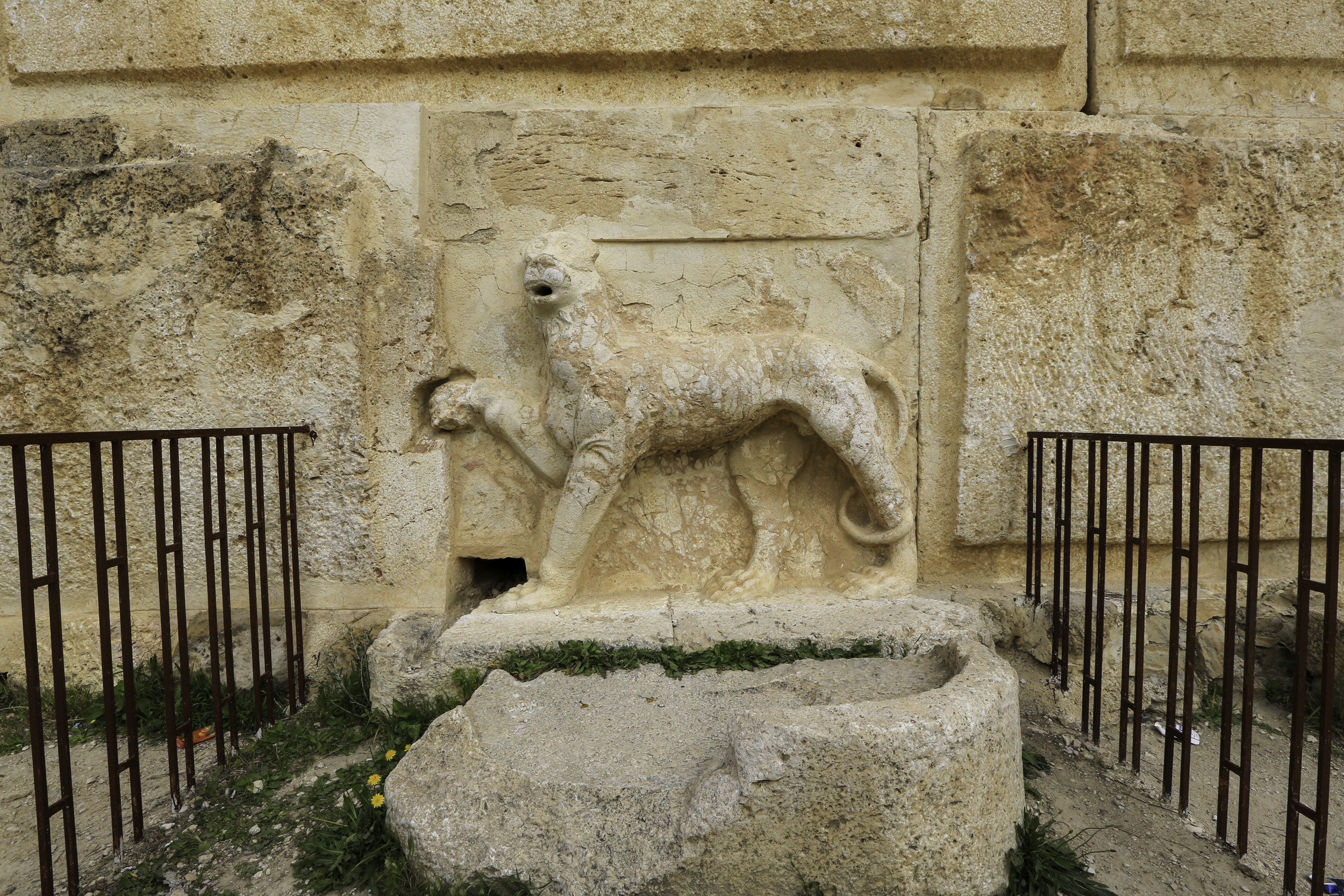
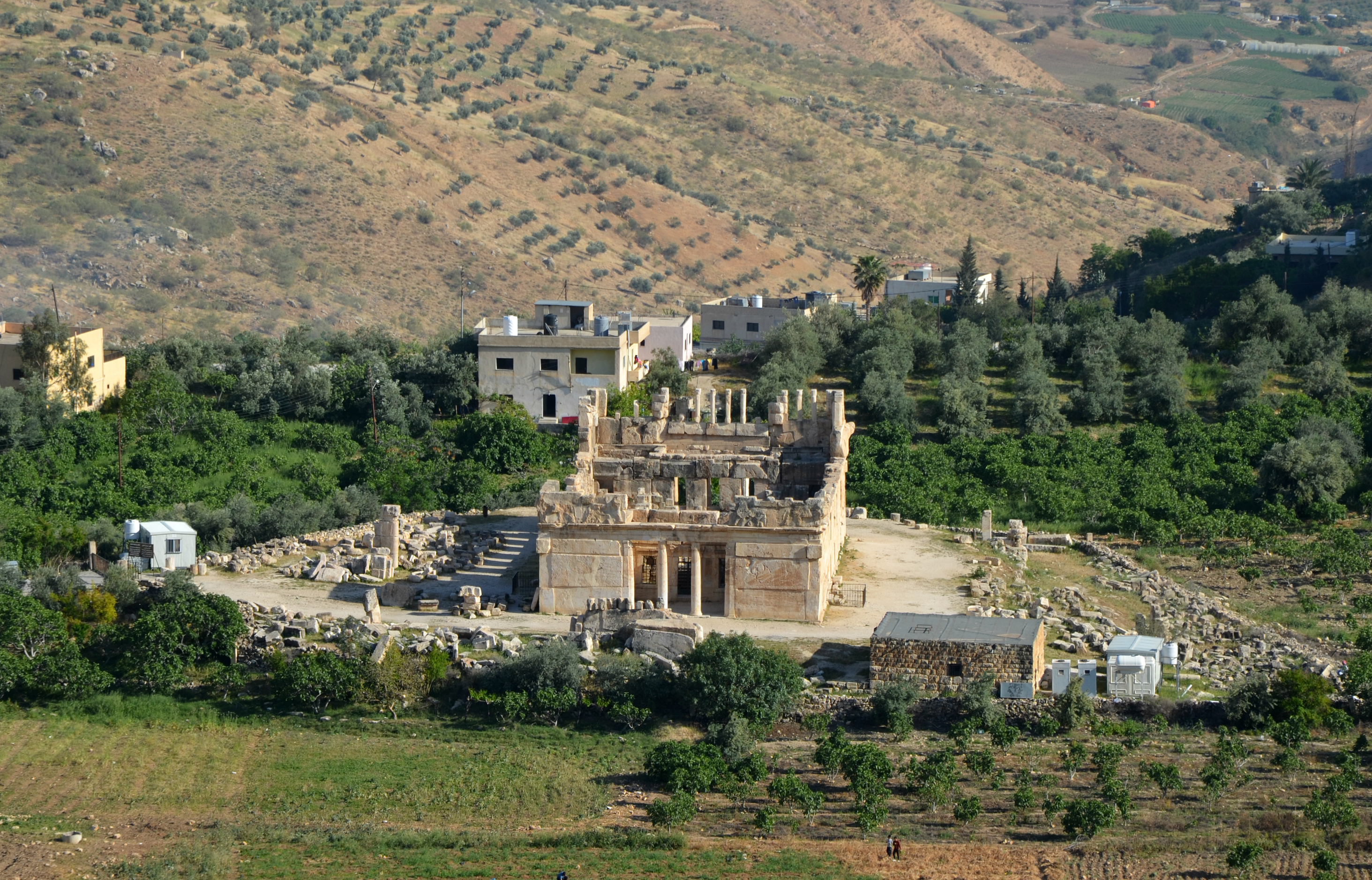
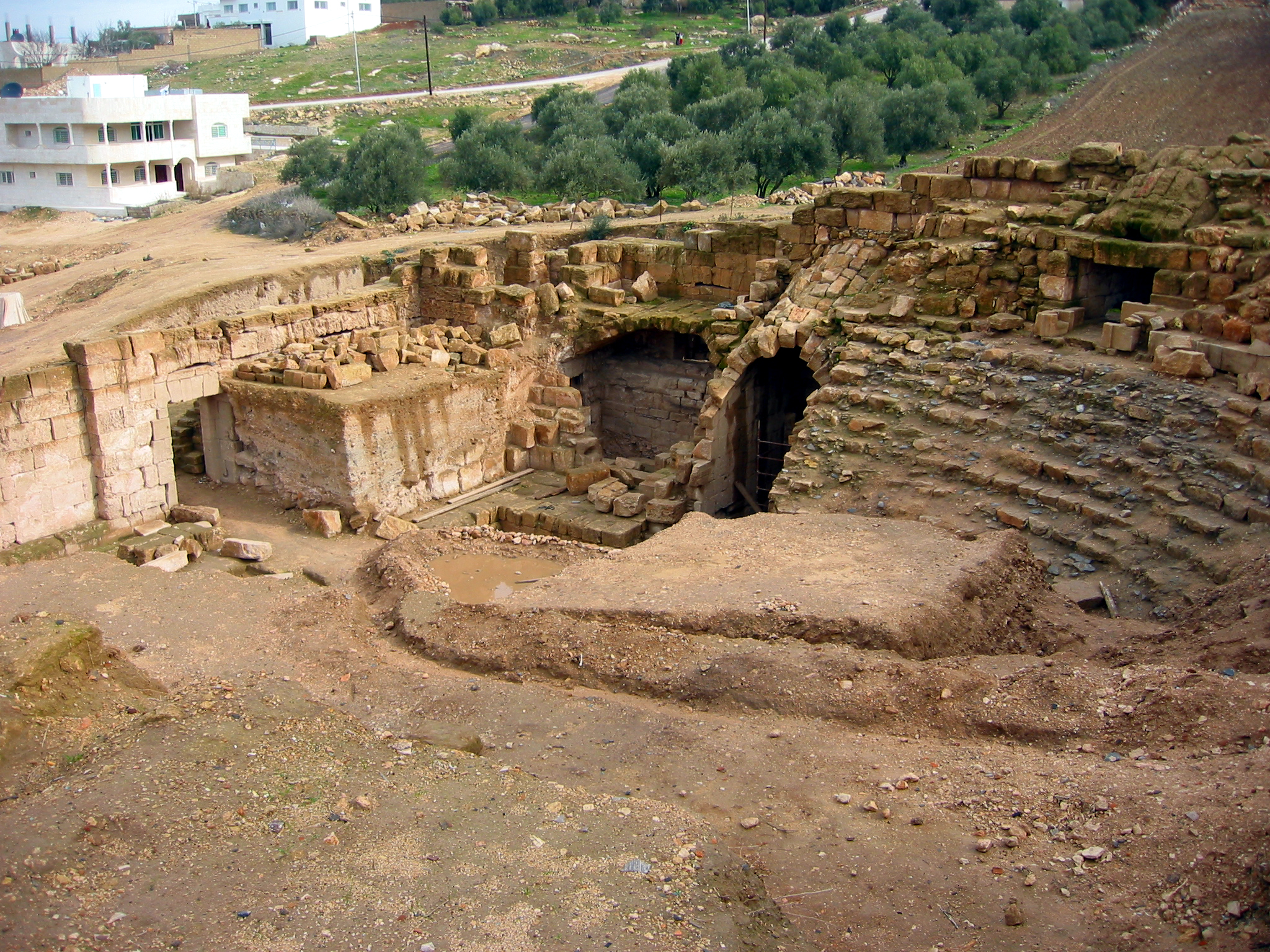
Qasr al-Abd, located in modern-day Jordan near Iraq Al-Amir, is a notable Hellenistic palace from the early 2nd century BCE. Believed to have been constructed by Hyrcanus of the Tobiad family, this grand structure exemplifies Hellenistic architecture with its two-story stone design and elaborate carvings, including animals of gigantic size. Initially intended as a palace and potentially a mausoleum, the site was never completed due to Hyrcanus' death and subsequent seizure by Antiochus Epiphanes. The palace sustained significant damage from the 363 Galilee earthquake but retained its two-story form due to its adaptation as a church during the Byzantine period. Archaeological interest is bolstered by inscriptions and reliefs found nearby, connecting the site to the history of the Tobiad family and the broader Hellenistic cultural landscape of the region.
Gallery
Explore photographs of ancient structures, artifacts, and archaeological excavations
Historical Timeline
Journey through time and discover key events in this site's history
Hyrcanus' Death
175 BCE
Seizure by Antiochus Epiphanes
175 BCE
Construction of Qasr al-Abd
180-175 BCE
363 Galilee Earthquake
363 CE
Archaeological Features
Unique architectural and cultural elements found at this historical site
Defensive Structures
Burial and Funerary Structures
Artistic and Decorative Features
Agricultural and Land Use Features
Domestic and Habitation Structures
Frequently Asked Questions
Plan Your Visit
Tours, travel arrangements, and practical information


More Sites in Jordan
Tall Damiyah
Iron Age mound with unique artifacts
Tall al-Umayri
Archaeological site with temple and farms
Khirbat Ataruz
Iron Age temple and settlement remains
Tell el-Maqlub
Bronze and Iron Age fortified town site.
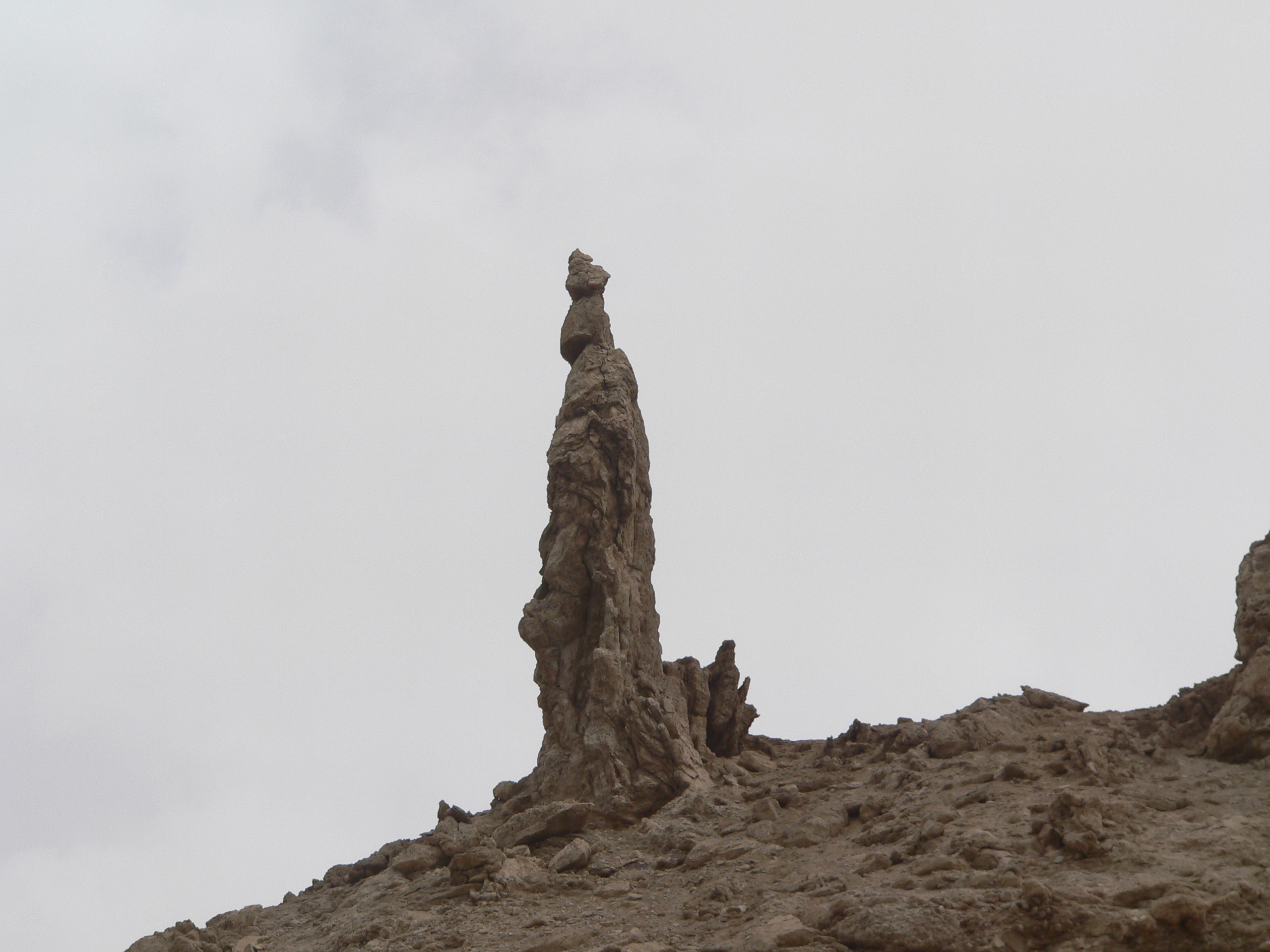
Monastery of St Lot
Byzantine monastery with Bronze Age cave
Capitolias
Ancient Roman city with minimal ruins.