Time Periods
Paleolithic
Mesolithic
Neolithic
Chalcolithic
Bronze Age
Iron Age
Classical Period
Post-Classical Period
Early Modern Period
Industrial Period
Contemporary Period
Time Periods
Paleolithic
Mesolithic
Neolithic
Chalcolithic
Bronze Age
Iron Age
Classical Period
Post-Classical Period
Early Modern Period
Industrial Period
Contemporary Period
Location
About
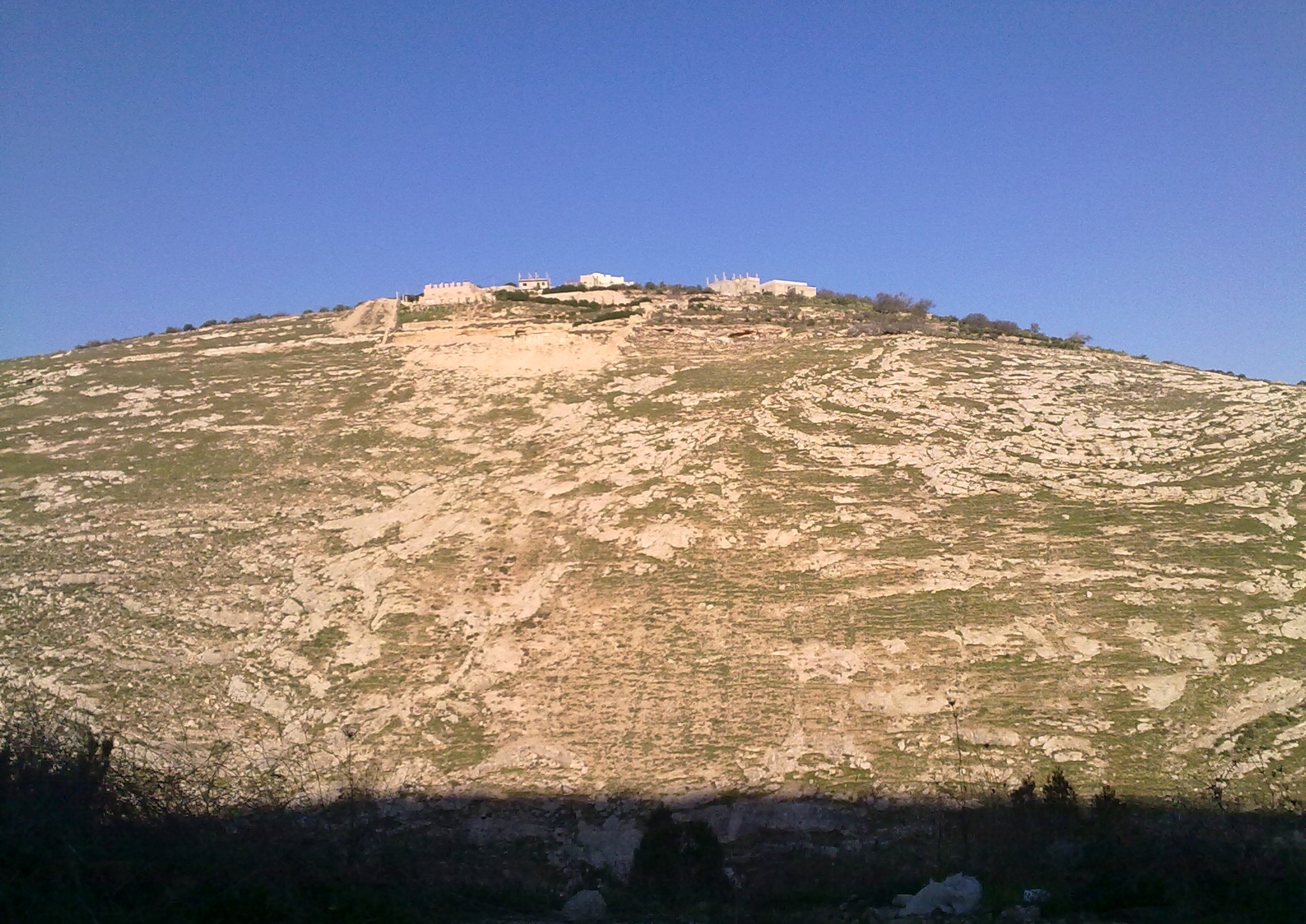
The archaeological site of Johfiyeh, located in northern Jordan, displays a rich history of settlement from the Stone Age to the Ottoman Empire. The site consists of domestic structures indicative of a thriving village, with significant periods of prosperity during the Iron Age II and the Byzantine-Umayyad periods. Johfiyeh was a vital center during the Hellenistic and Roman eras, evidenced by artifacts such as pottery and marble remains. The presence of a Byzantine church and cemetery highlights its role as a Christian community in the 6th century CE. The Umayyad period saw the village as a recreational site for rulers. Although significantly impacted by a major earthquake in 747 CE, Johfiyeh persisted into the Ottoman period, as recorded in tax registers.
Gallery
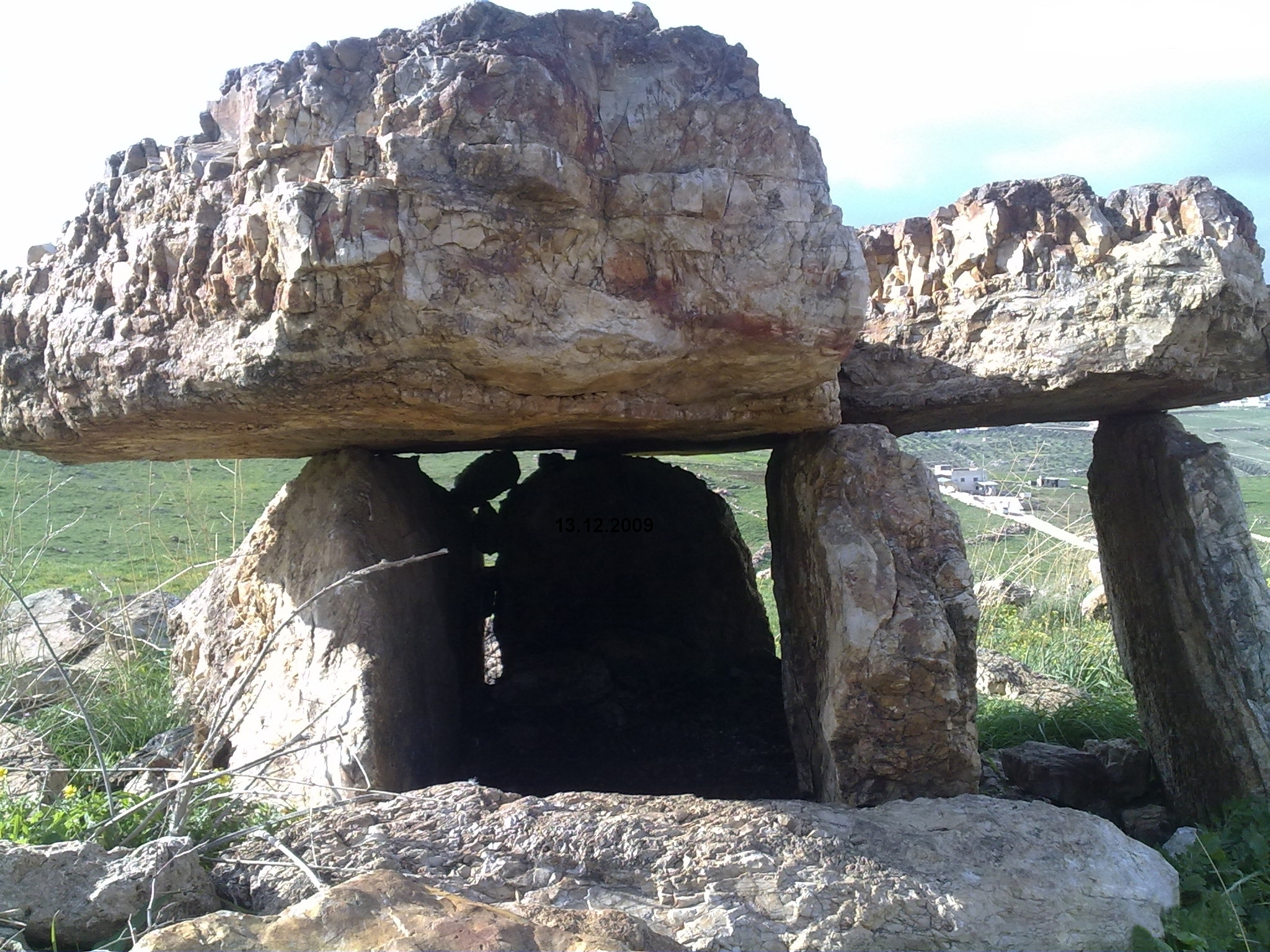
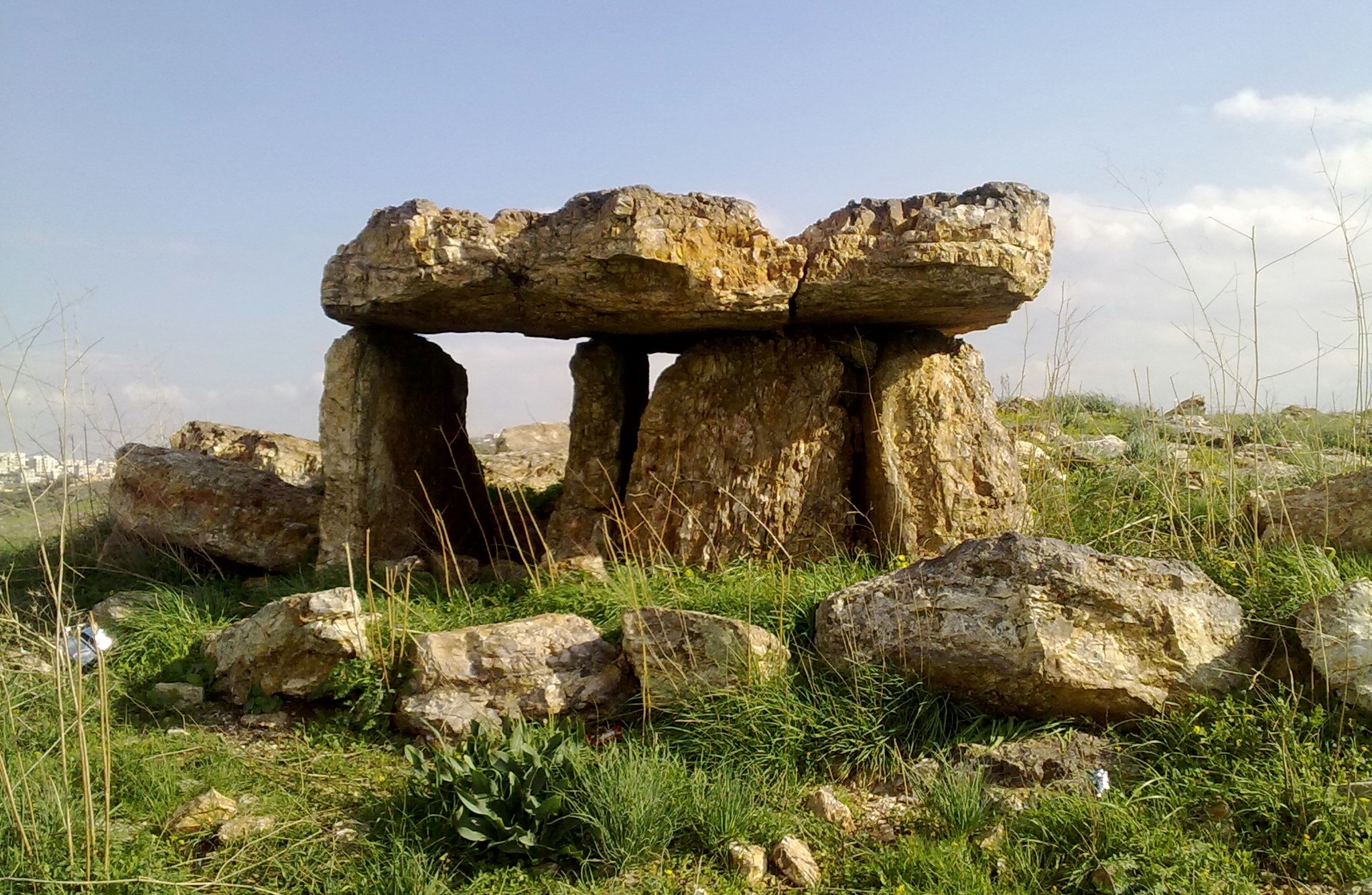
Explore photographs of ancient structures, artifacts, and archaeological excavations at Johfiyeh
Archaeological Features
Explore the unique architectural and cultural elements found at this historical site
Burial and Funerary Structures
Religious and Ritual Structures
Artistic and Decorative Features
Domestic and Habitation Structures
Historical Timeline
Journey through time and discover key events in this site's archaeological history
Plan Your Visit
Details
- Country
- Jordan
- Source
- Wikipedia
More Sites in Jordan
Tall Damiyah
Iron Age mound with unique artifacts
Tall Zira'a
5000 years of continuous settlement in Jordan.
Tall al-Umayri
Archaeological site with temple and farms
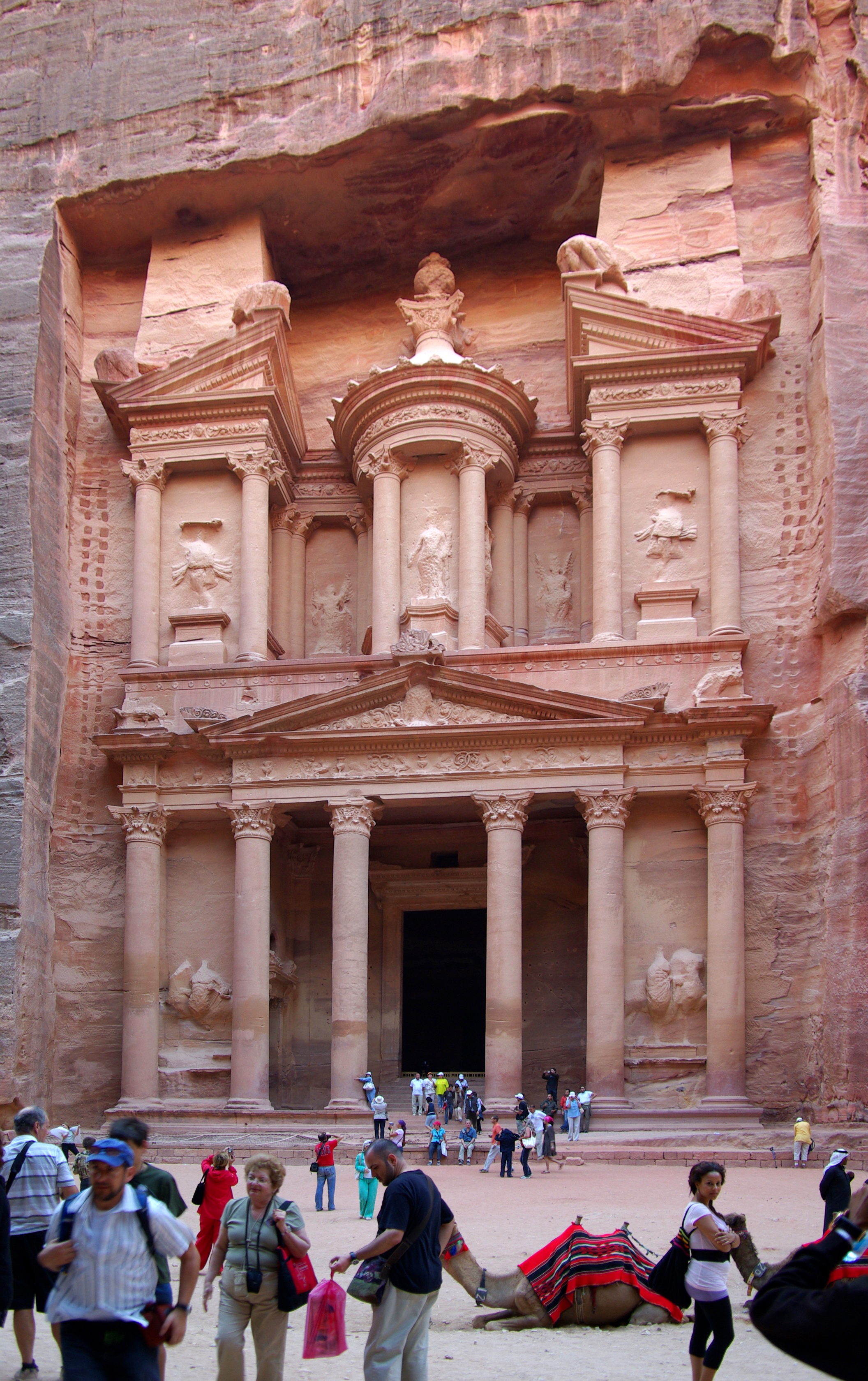
Lehun
Bronze Age to Ottoman archaeological site
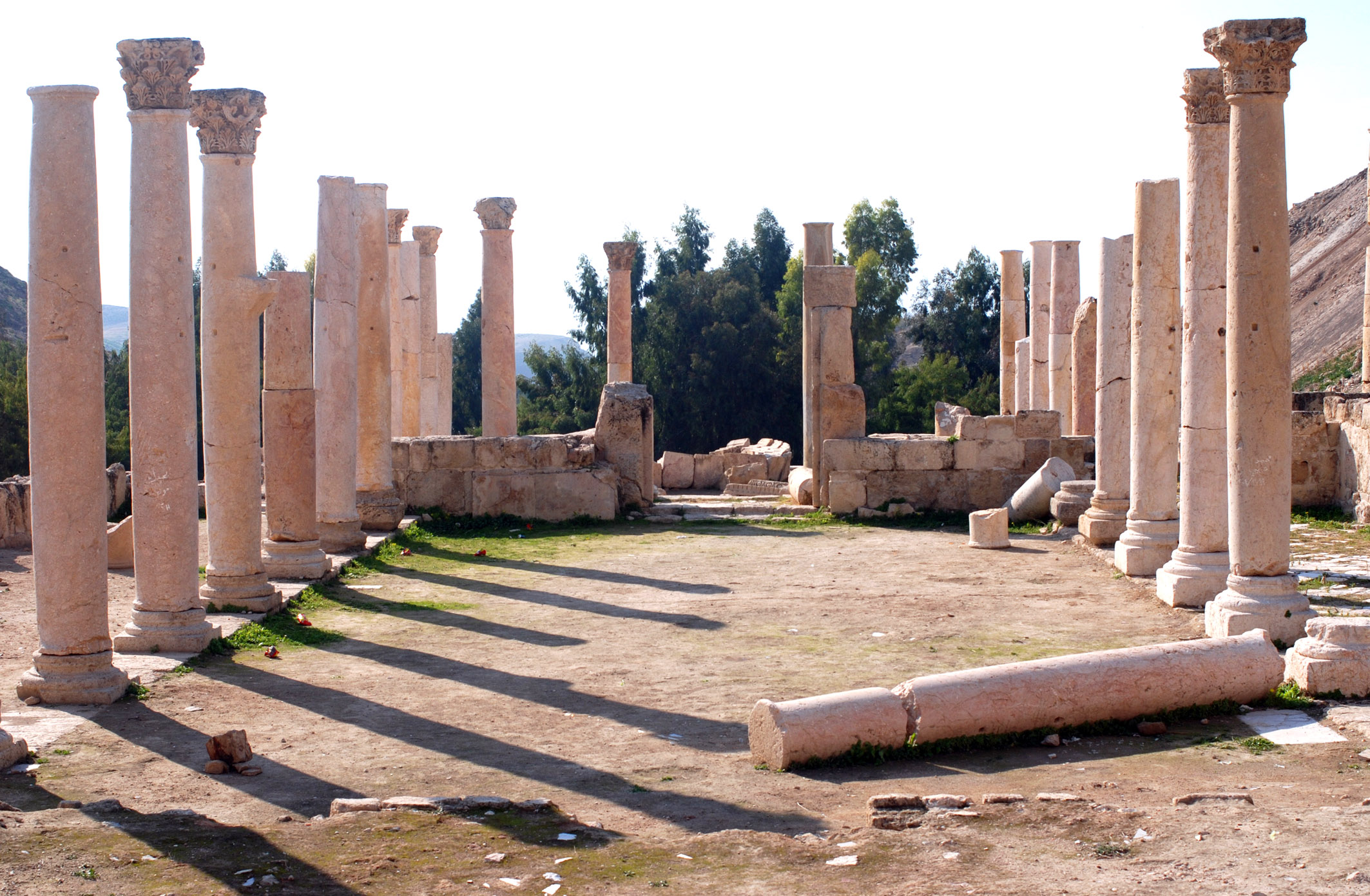
Pella, Jordan
Ancient city with multi-period ruins
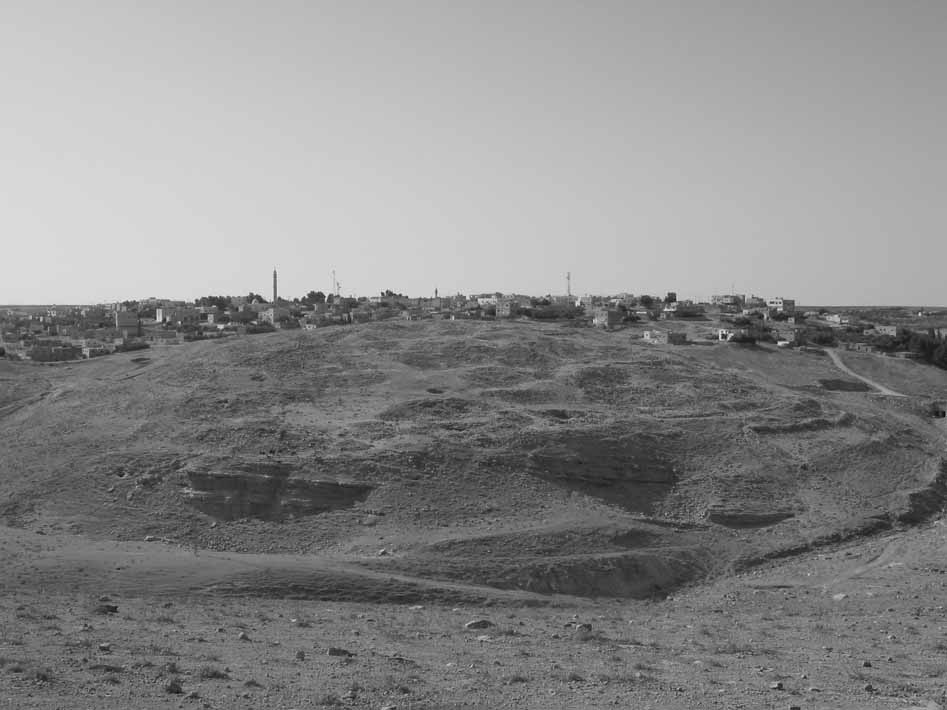
Dhiban, Jordan
Ancient settlement with extensive occupation history.