Explore the Map
Khirbet et-Tannur
30.9686° N, 35.7064° E
About
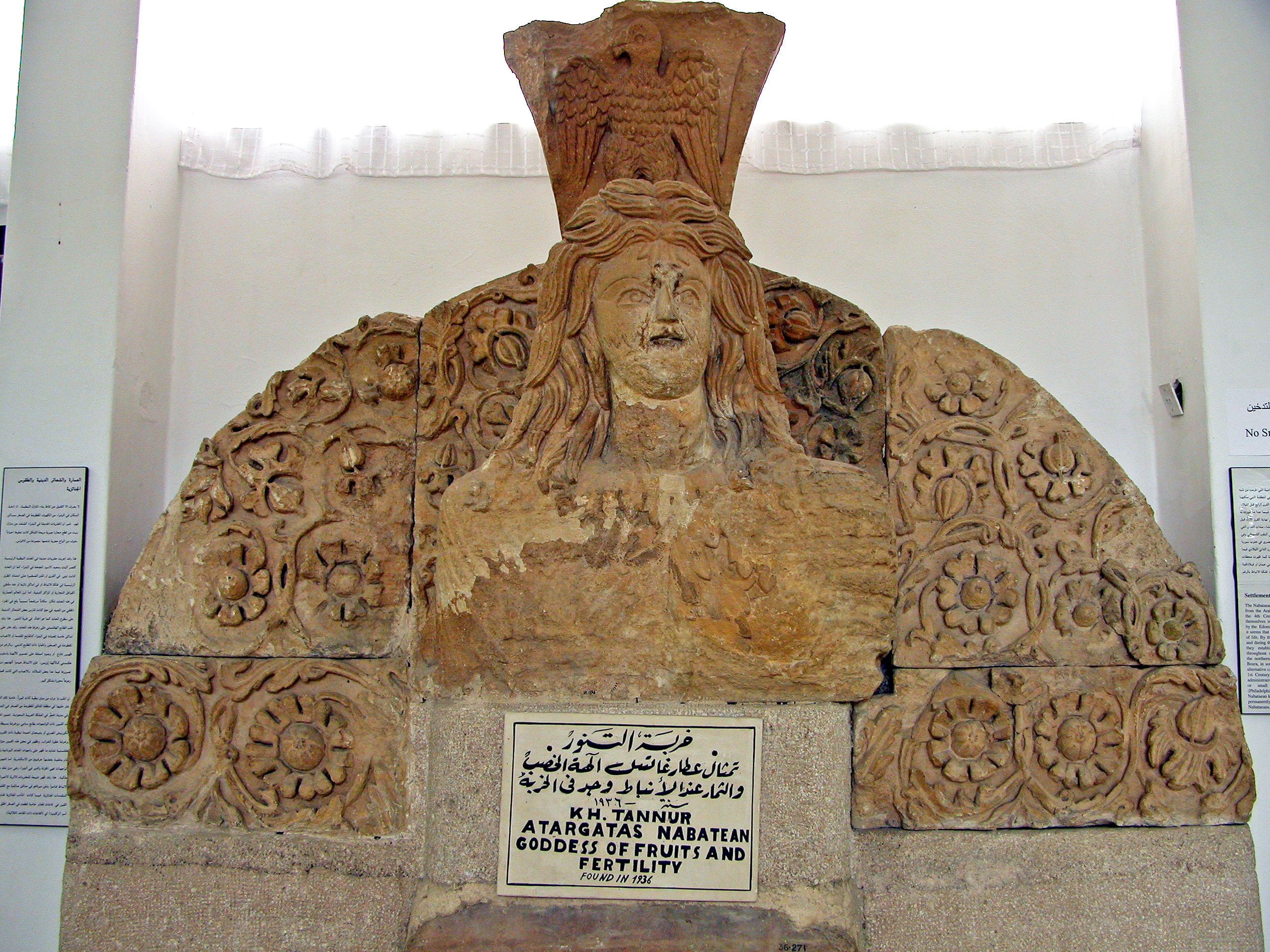
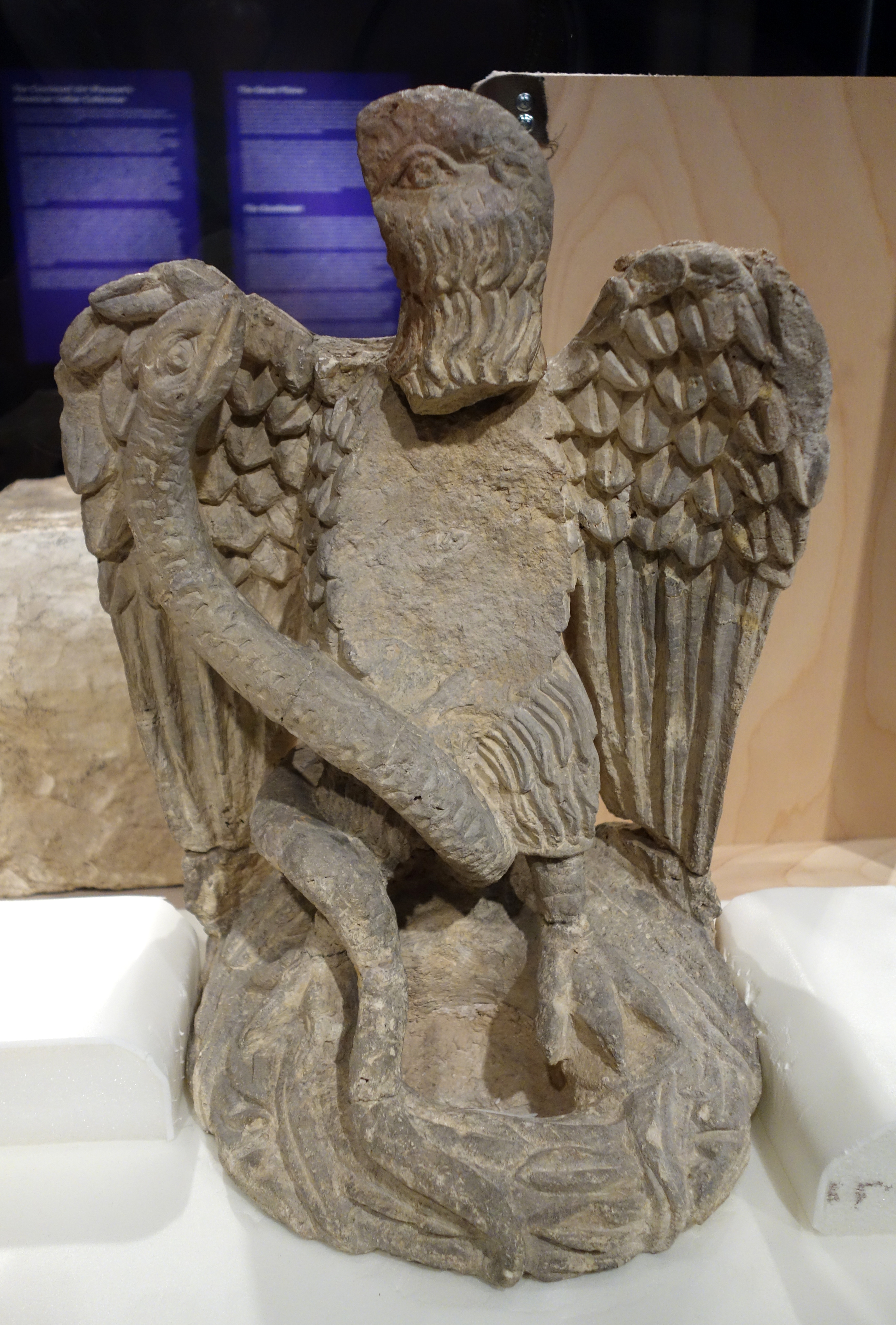
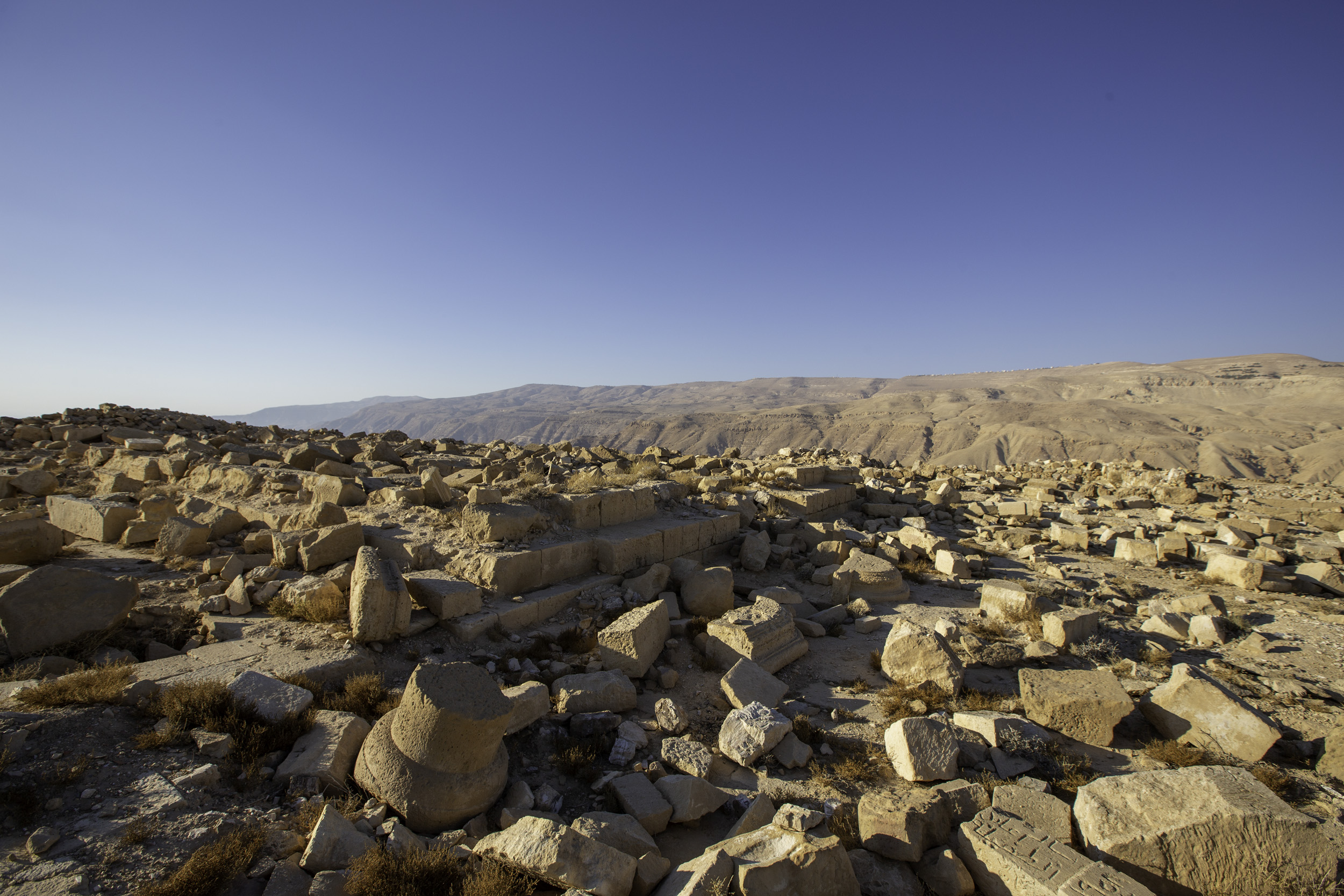
Khirbet et-Tannur is an ancient Nabataean temple site located atop Mount Tannur in modern-day Jordan. This temple complex, accessible via a steep path, serves as an important example of religious high places in Nabataean culture. It consists of a central temple structure housed within an inner temenos enclosure and surrounded by a paved court. The temple went through three construction phases, with the earliest phase dating to around 8-7 BCE, and the final phase attributed to the early 2nd century CE, as determined by architectural and sculptural analysis. The temple's dedication remains uncertain, but iconography suggests possible worship of Atargatis, Zeus-Hadad, or other deities. The presence of an inscription mentioning the Edomite god Qos adds to the site's religious significance.
Gallery
Explore photographs of ancient structures, artifacts, and archaeological excavations
Historical Timeline
Journey through time and discover key events in this site's history
Early Temple Phase
8-7 BCE
Final Temple Phase
125 CE
Archaeological Features
Unique architectural and cultural elements found at this historical site
Religious and Ritual Structures
Artistic and Decorative Features
Transportation and Communication Structures
Frequently Asked Questions
Plan Your Visit
Tours, travel arrangements, and practical information

More Sites in Jordan
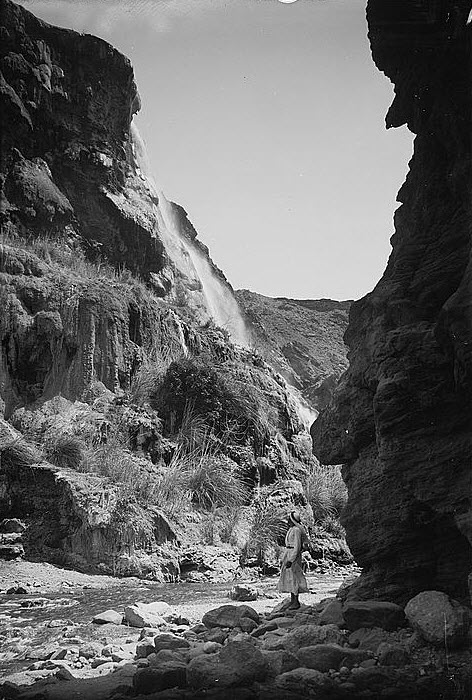
Ayn al-Zara
Ancient thermal springs with nymphaeum remains
Synagogue-Church at Gerasa
Byzantine synagogue converted to church
Khirbat Ataruz
Iron Age temple and settlement remains
Tall al-Umayri
Archaeological site with temple and farms
Tall Damiyah
Iron Age mound with unique artifacts
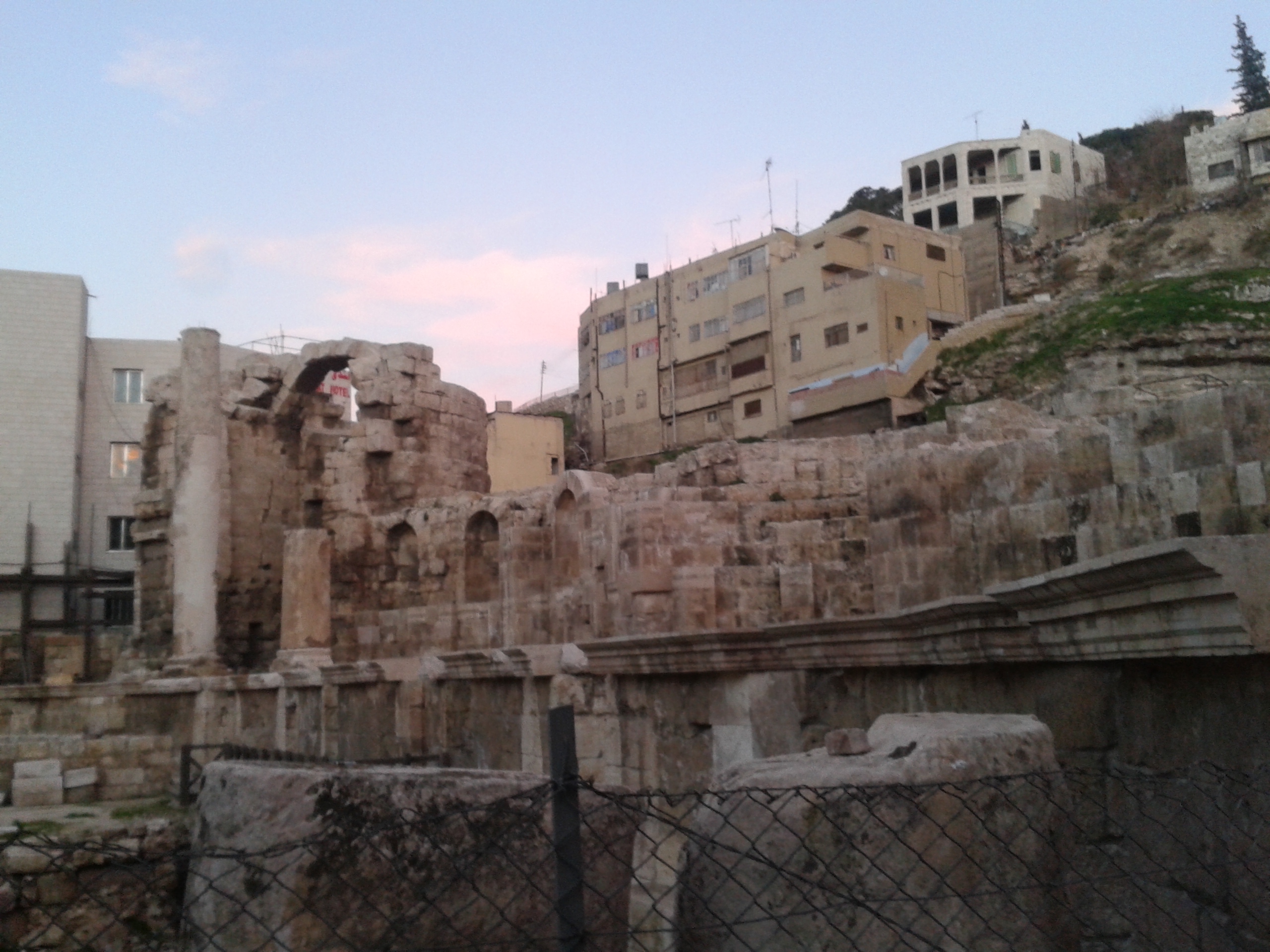
Nymphaeum (Amman)
Partially preserved Roman public fountain.