Explore the Map
Ayn al-Zara
31.5970° N, 35.5593° E
About
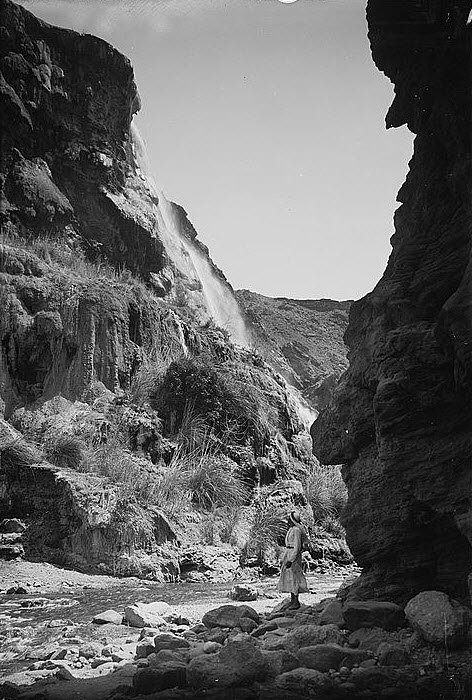
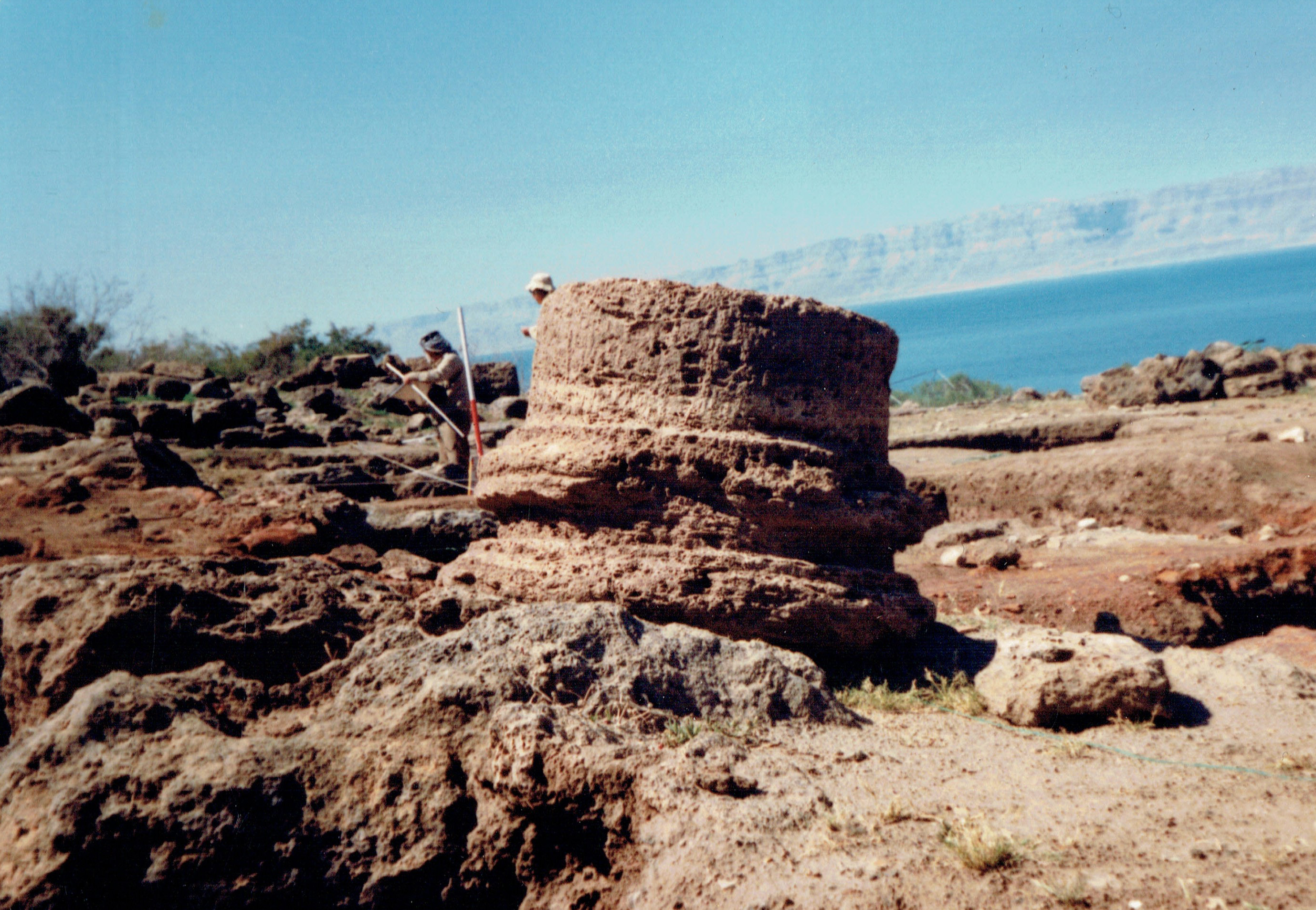
Ayn al-Zara, known in antiquity as Callirrhoe, is an archaeological site located on the eastern shore of the Dead Sea in Jordan. The site is renowned for its thermal springs, which were historically visited by King Herod in 4 BCE as a remedy for his ailments. The remains of a nymphaeum and a villa, potentially inspired by Herodian architecture, highlight the site's historical significance. The villa dates back to the 1st century CE and reflects the opulence associated with Herod's reign. Callirrhoe served as a harbor site for the nearby fortress of Machaerus, connected by an ancient road. Represented on the Madaba Map, the site showcases structures such as a spring house and the nymphaeum, emphasizing its historical role as a center of healing and trade.
Gallery
Explore photographs of ancient structures, artifacts, and archaeological excavations

Historical Timeline
Journey through time and discover key events in this site's history
Herod visits Callirrhoe
4 BCE
Villa inspired by Herod's designs
1st century CE
Archaeological Features
Unique architectural and cultural elements found at this historical site
Water Management Features
Religious and Ritual Structures
Artistic and Decorative Features
Domestic and Habitation Structures
Transportation and Communication Structures
Frequently Asked Questions
Plan Your Visit
Tours, travel arrangements, and practical information
More Sites in Jordan
Synagogue-Church at Gerasa
Byzantine synagogue converted to church
Tall al-Umayri
Archaeological site with temple and farms
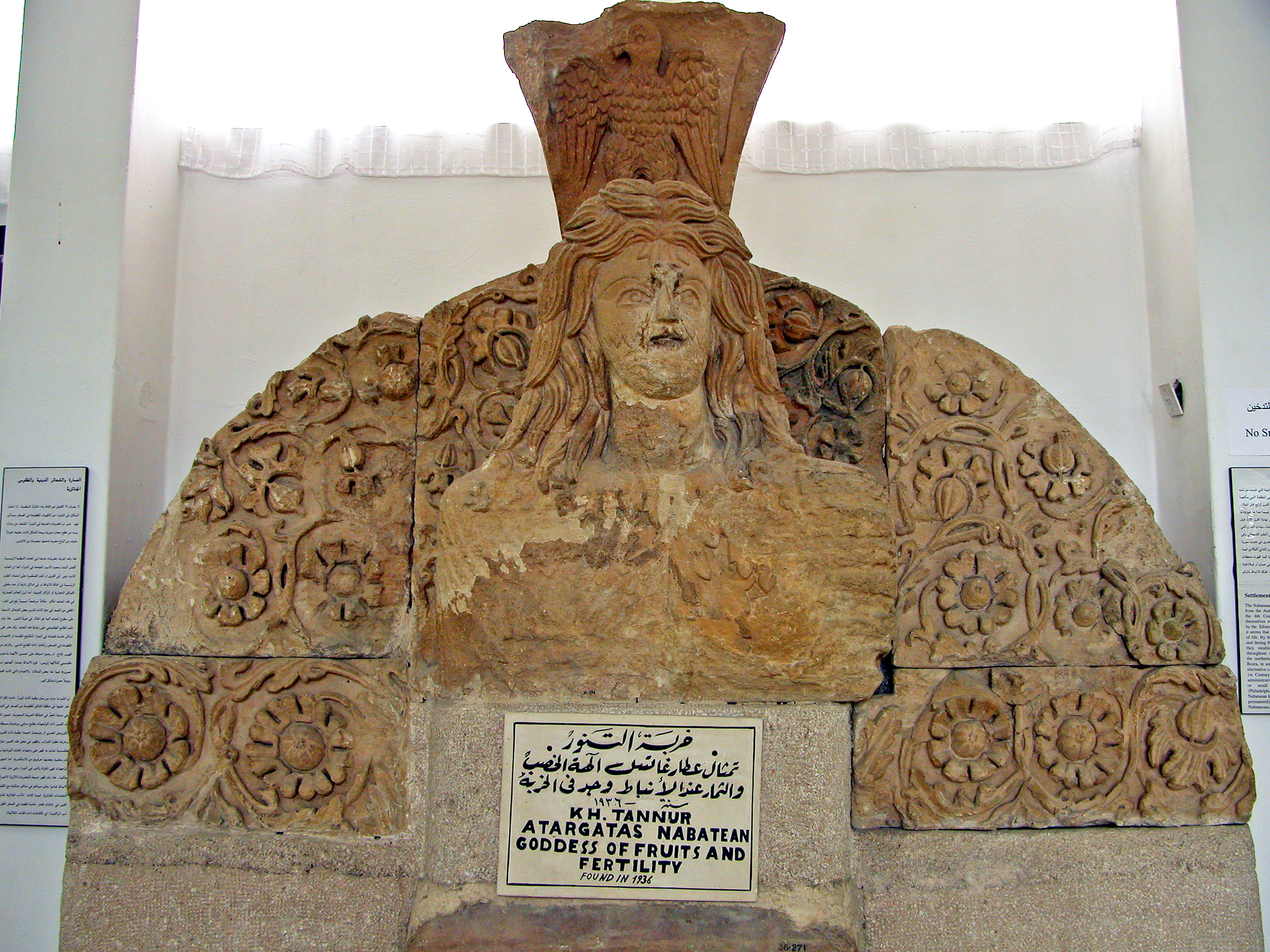
Khirbet et-Tannur
Isolated Nabataean temple on mountain top
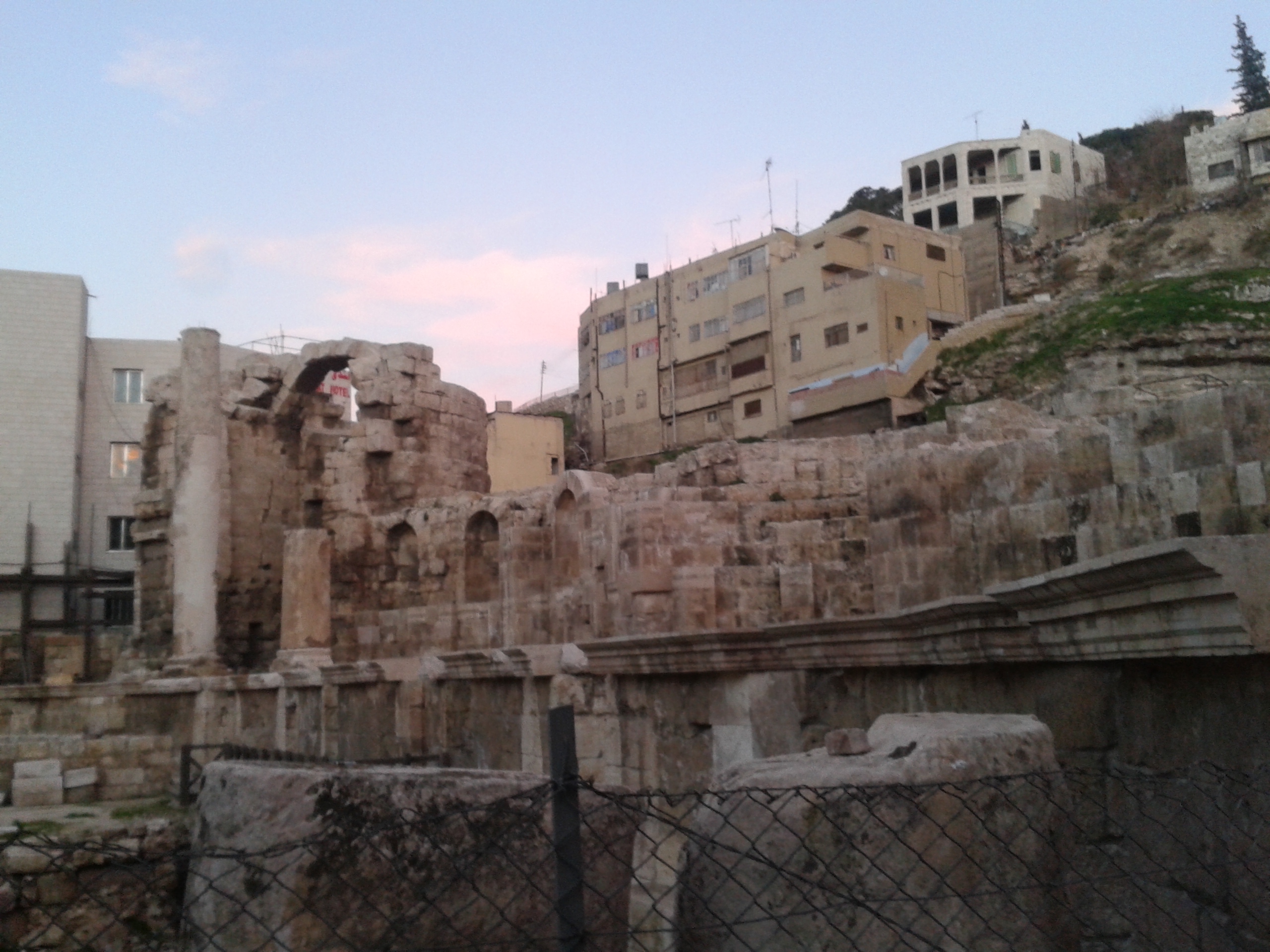
Nymphaeum (Amman)
Partially preserved Roman public fountain.
Khirbat Ataruz
Iron Age temple and settlement remains
Tall Damiyah
Iron Age mound with unique artifacts