Explore the Map
Tell Abu al-Kharaz
32.3990° N, 35.5951° E
About
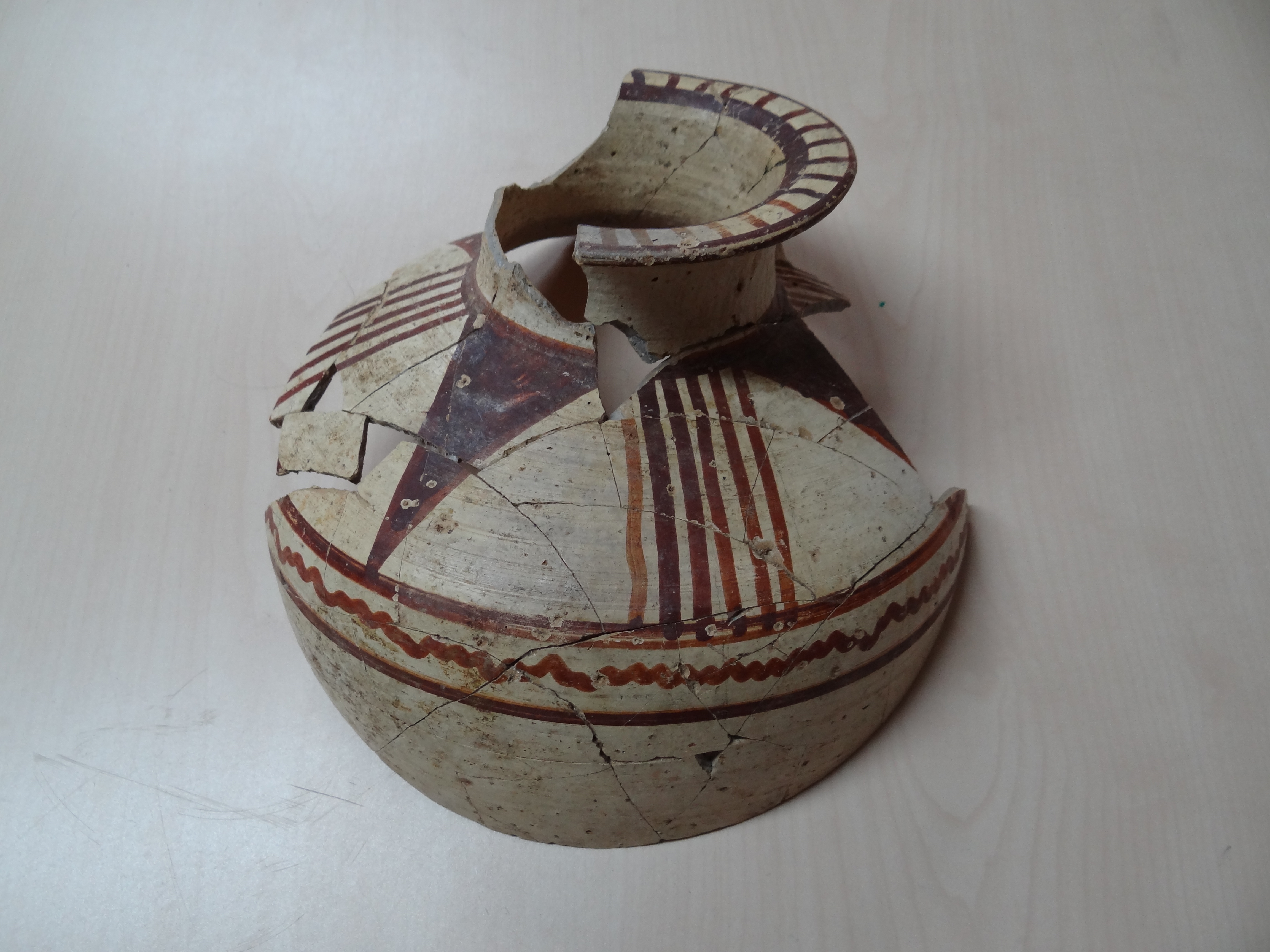
Tell Abu al-Kharaz is an archaeological site located in the Jordan Valley, Jordan. The site features a tell, or settlement mound, that was occupied from the Chalcolithic period through to the Islamic period. Significant archaeological remains from the Early Bronze Age reveal it as a fortified town, with evidence of Egyptian imports indicating long-distance trade connections. After a long period of abandonment, the site was reoccupied in the Middle Bronze Age, with notable local and Cypriot pottery finds. During the Iron Age, the site included an agricultural compound and was eventually destroyed around 700 BCE, likely by the Neo-Assyrian Empire. Its strategic position at the crossroads of ancient trade routes underscores its historical significance.
Gallery
Explore photographs of ancient structures, artifacts, and archaeological excavations
Historical Timeline
Journey through time and discover key events in this site's history
Early Bronze Age settlement
3000 BCE
Abandonment period
2900 BCE, 1650 BCE
Middle Bronze Age reoccupation
1650 BCE
Iron Age I agricultural compound
1200 BCE
Iron Age II destruction
700 BCE
Archaeological Features
Unique architectural and cultural elements found at this historical site
Defensive Structures
Industrial and Craft Structures
Artistic and Decorative Features
Domestic and Habitation Structures
Frequently Asked Questions
Plan Your Visit
Tours, travel arrangements, and practical information
More Sites in Jordan
Tall Damiyah
Iron Age mound with unique artifacts
Tall al-Umayri
Archaeological site with temple and farms
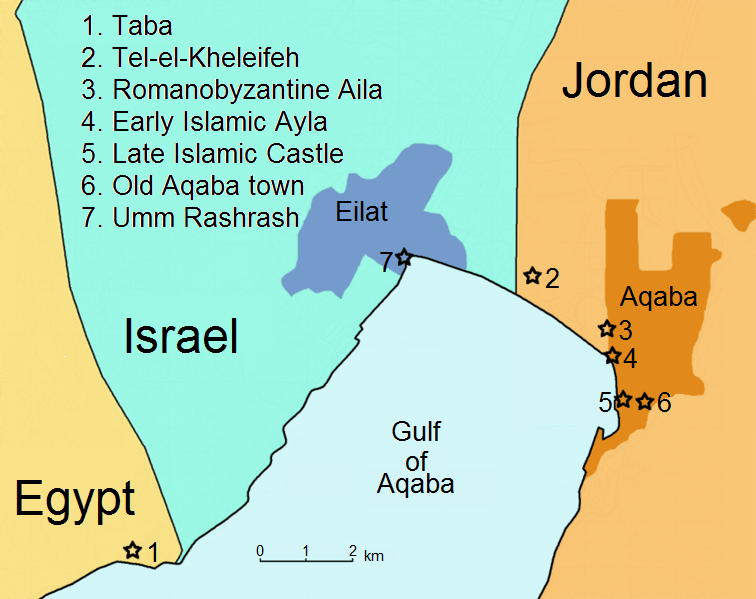
Tell el-Kheleifeh
Ancient fortified settlement with phased occupation.
Tell el-Maqlub
Bronze and Iron Age fortified town site.
Khirbet es-Sar
Ancient settlement with temple complex.
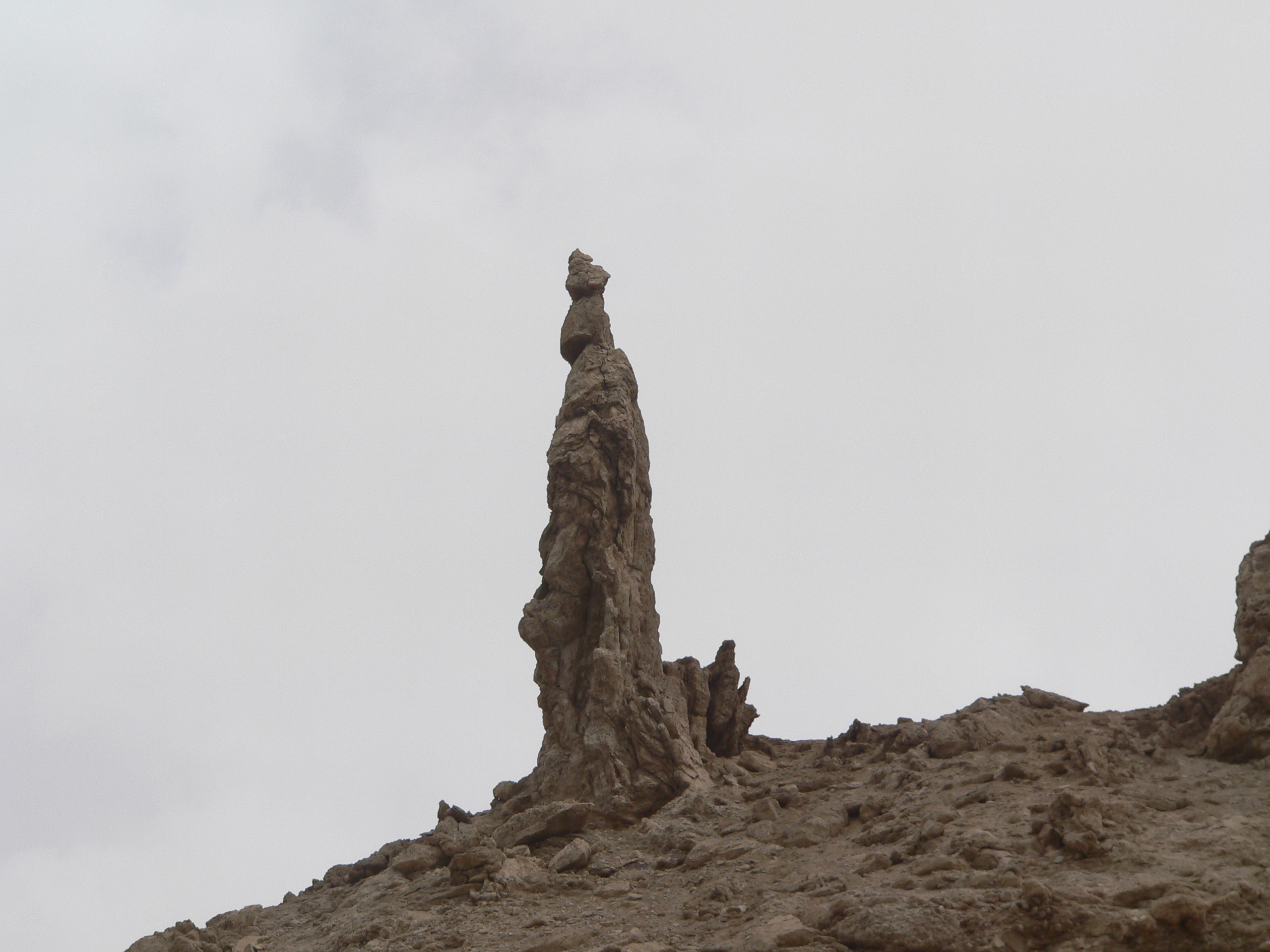
Monastery of St Lot
Byzantine monastery with Bronze Age cave