Explore the Map
Teleilat el-Ghassul
31.8000° N, 35.6000° E
About
Teleilat el-Ghassul is a significant archaeological site situated in the lower Jordan Valley. It is notable for its extensive occupation periods during the Late Neolithic and Chalcolithic eras. The site consists of several small hillocks containing the remnants of Neolithic and Chalcolithic villages. These villages display evolving architectural sophistication, with Neolithic semi-subterranean, ovoid houses transitioning to Chalcolithic rectilinear structures made of mud bricks. The Ghassulian culture, which thrived during the Chalcolithic period, is exemplified by the site's rich pottery assemblage and colorful wall paintings. These paintings, found in private homes, suggest that religious rituals were conducted domestically rather than in communal temples. The site provides valuable insights into early agricultural and animal husbandry practices, highlighting the cultural and technological advancements of the Ghassulian people.
Historical Timeline
Journey through time and discover key events in this site's history
Late Neolithic Settlement
5000 BCE
Chalcolithic Villages Flourish
4400 BCE
Archaeological Features
Unique architectural and cultural elements found at this historical site
Animal Husbandry Features
Artistic and Decorative Features
Agricultural and Land Use Features
Domestic and Habitation Structures
Frequently Asked Questions
Plan Your Visit
Tours, travel arrangements, and practical information
More Sites in Jordan
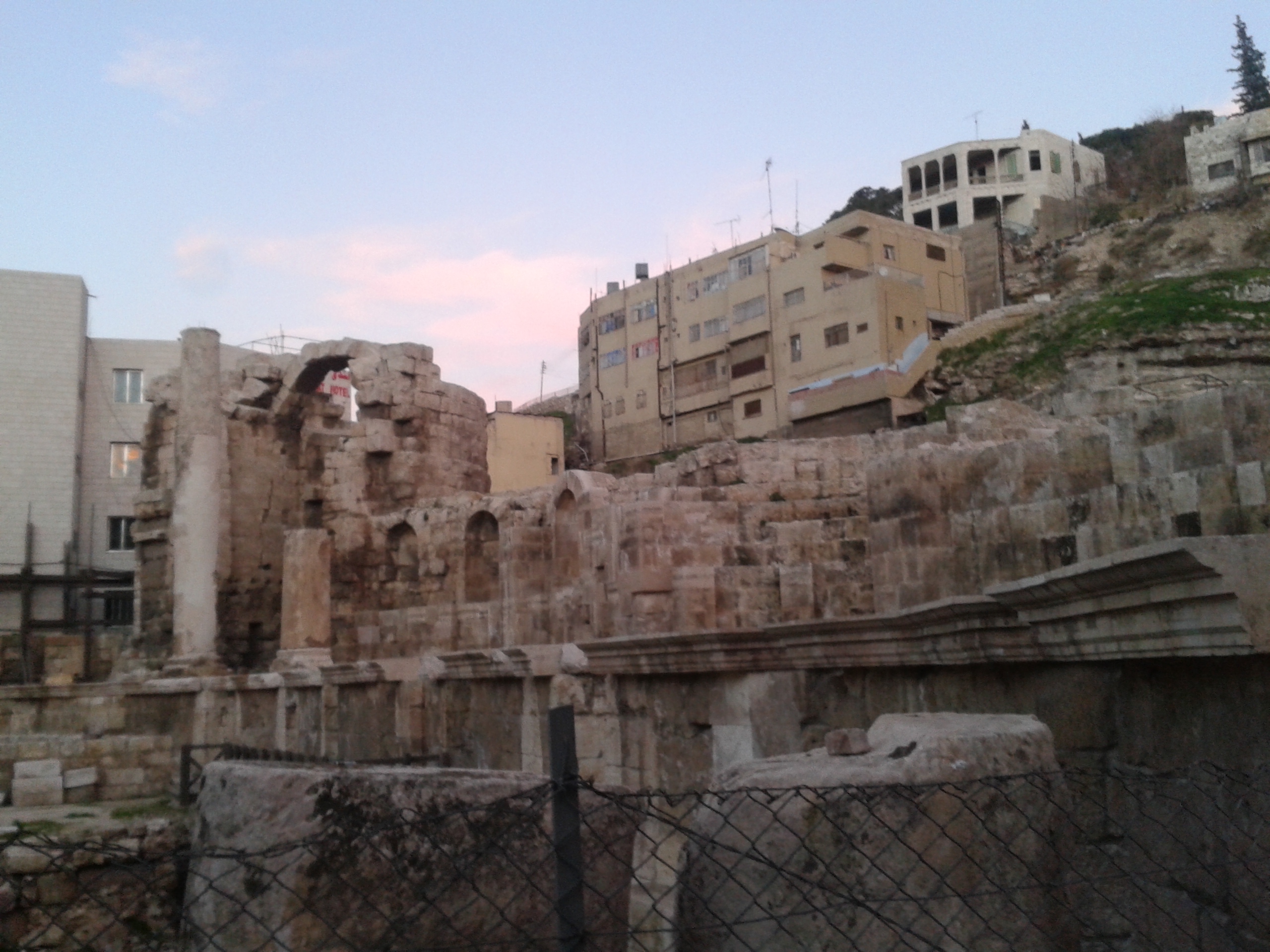
Nymphaeum (Amman)
Partially preserved Roman public fountain.
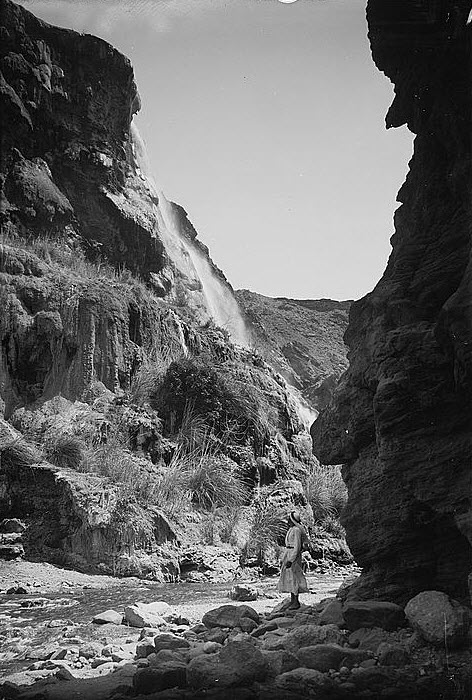
Ayn al-Zara
Ancient thermal springs with nymphaeum remains
Synagogue-Church at Gerasa
Byzantine synagogue converted to church
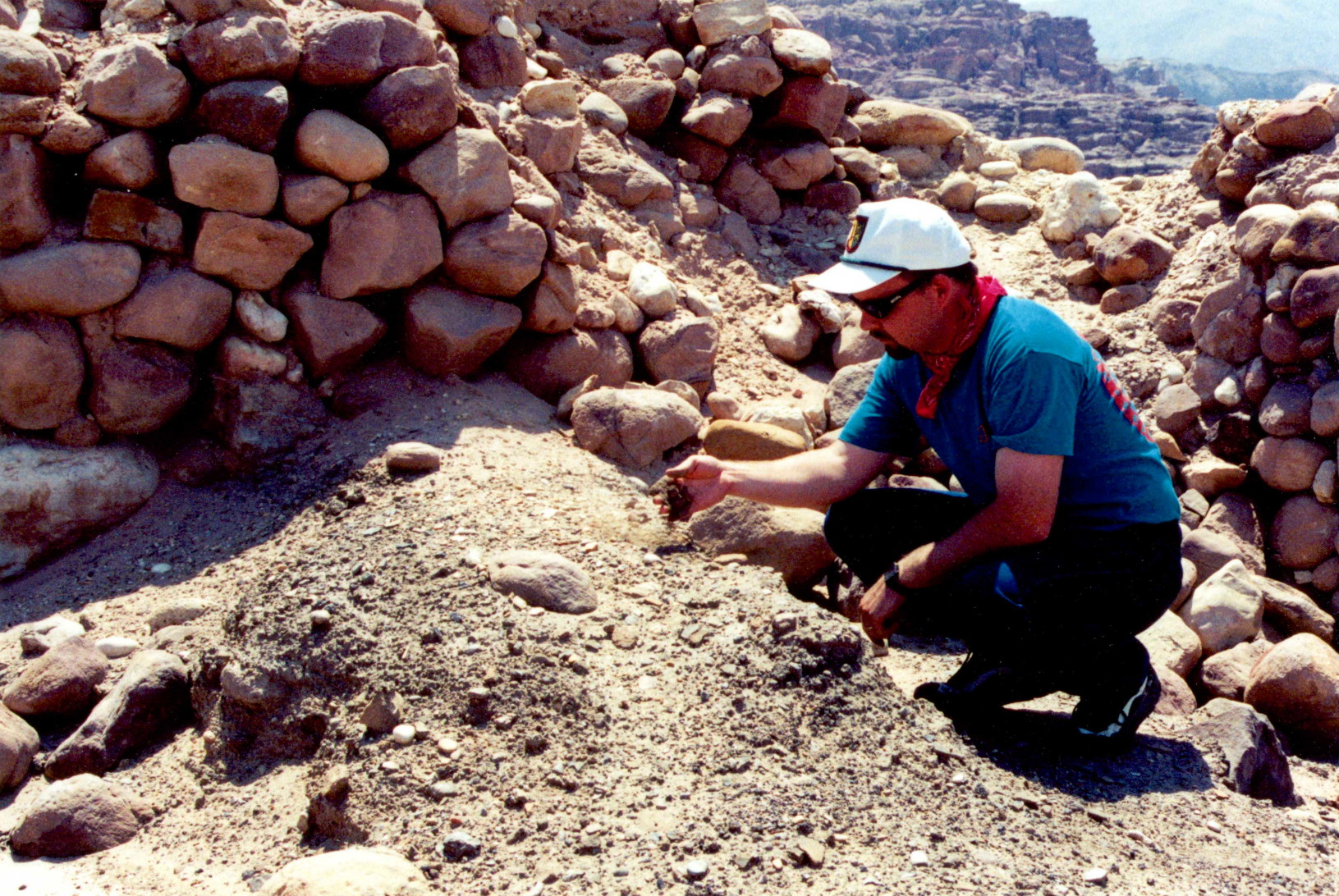
Numeira
Early Bronze Age walled settlement near Dead Sea.
Tall al-Umayri
Archaeological site with temple and farms
Tall Damiyah
Iron Age mound with unique artifacts