
Explore the Map
Njoro River Cave
0.6464° N, 36.0542° E
About
Njoro River Cave, located on the Mau Escarpment in Kenya, is a significant archaeological site dating back to the Pastoral Neolithic period, approximately 3350-3050 BCE. The site is notable for being a mass cremation ground used by the Elmenteitan pastoralists. Excavations conducted initially by Mary and Louis Leakey in 1938 revealed the presence of seventy-eight individuals, along with a range of artifacts including pottery, beads, stone bowls, and other ceremonial items. The cremation process involved ritualistic steps, indicating a complex funerary tradition. Notably, the site also marked the first use of radiocarbon dating in East Africa during a re-investigation in 1950. The findings at Njoro River Cave provide critical insights into the burial practices and material culture of early pastoral communities in the region.
Historical Timeline
Journey through time and discover key events in this site's history
Pastoral Neolithic Cremation
3350 BCE to 3050 BCE
Archaeological Features
Unique architectural and cultural elements found at this historical site
Burial and Funerary Structures
Religious and Ritual Structures
Domestic and Habitation Structures
Environmental and Natural Features
Frequently Asked Questions
Plan Your Visit
Tours, travel arrangements, and practical information
More Sites in Kenya
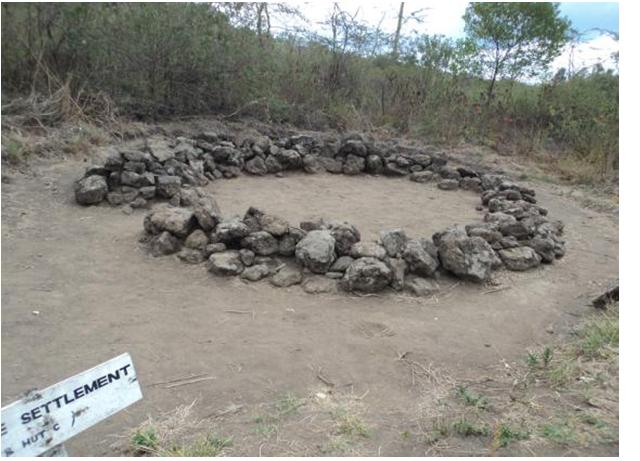
Hyrax Hill Prehistoric Site and Museum
Prominent rocky ridge with multiple occupation layers.
Enkapune Ya Muto
Rock shelter with Middle to Late Stone Age artifacts
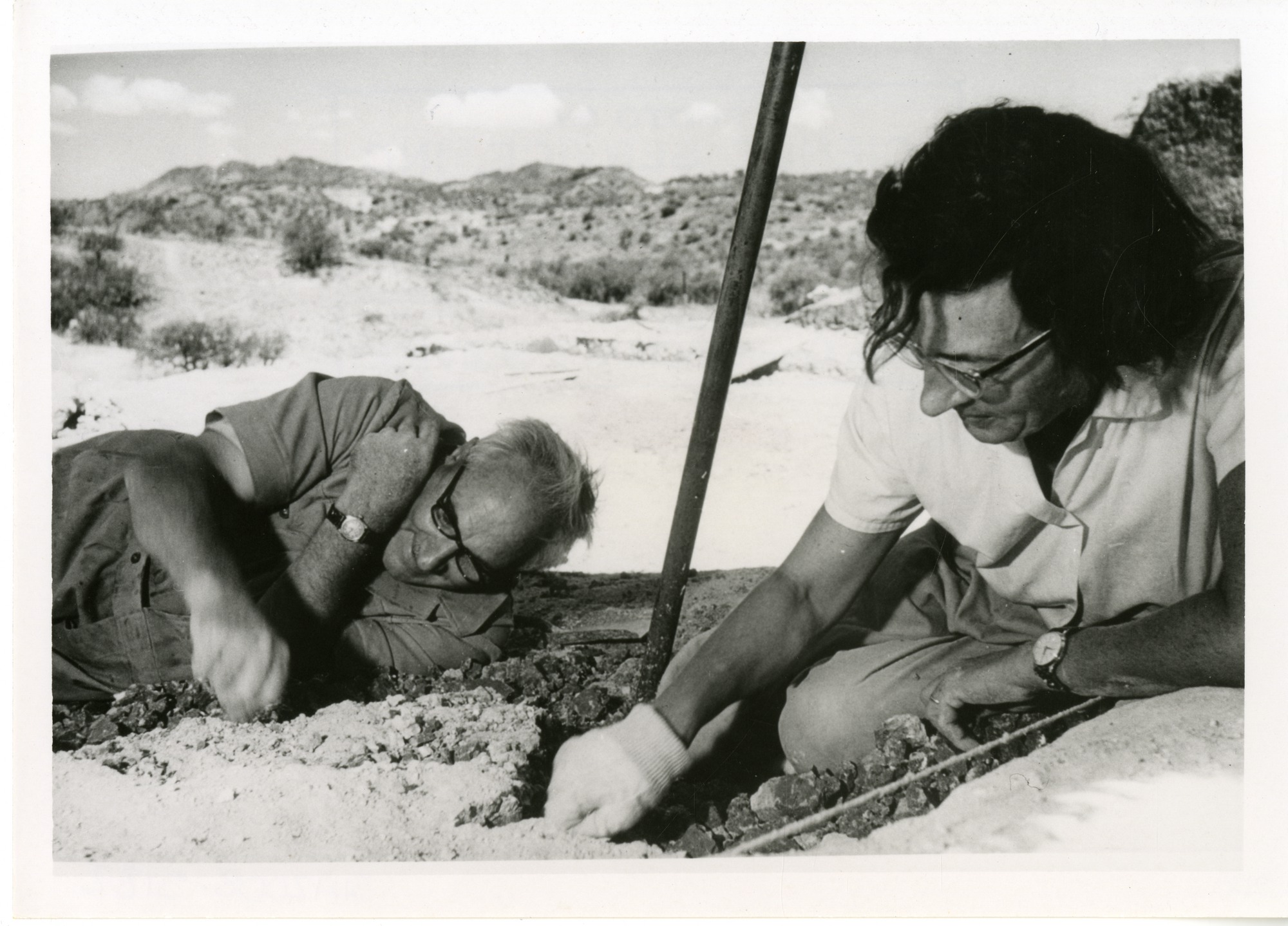
Hyrax Hill
Pastoral Neolithic and Iron Age site near Nakuru, Kenya
Gogo Falls
Prehistoric site with Neolithic and Iron Age artifacts
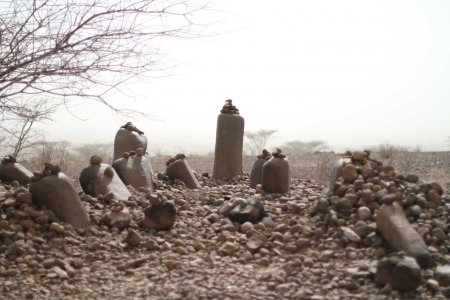
Kalokol Pillar Site
Basalt pillars in circular stone formation
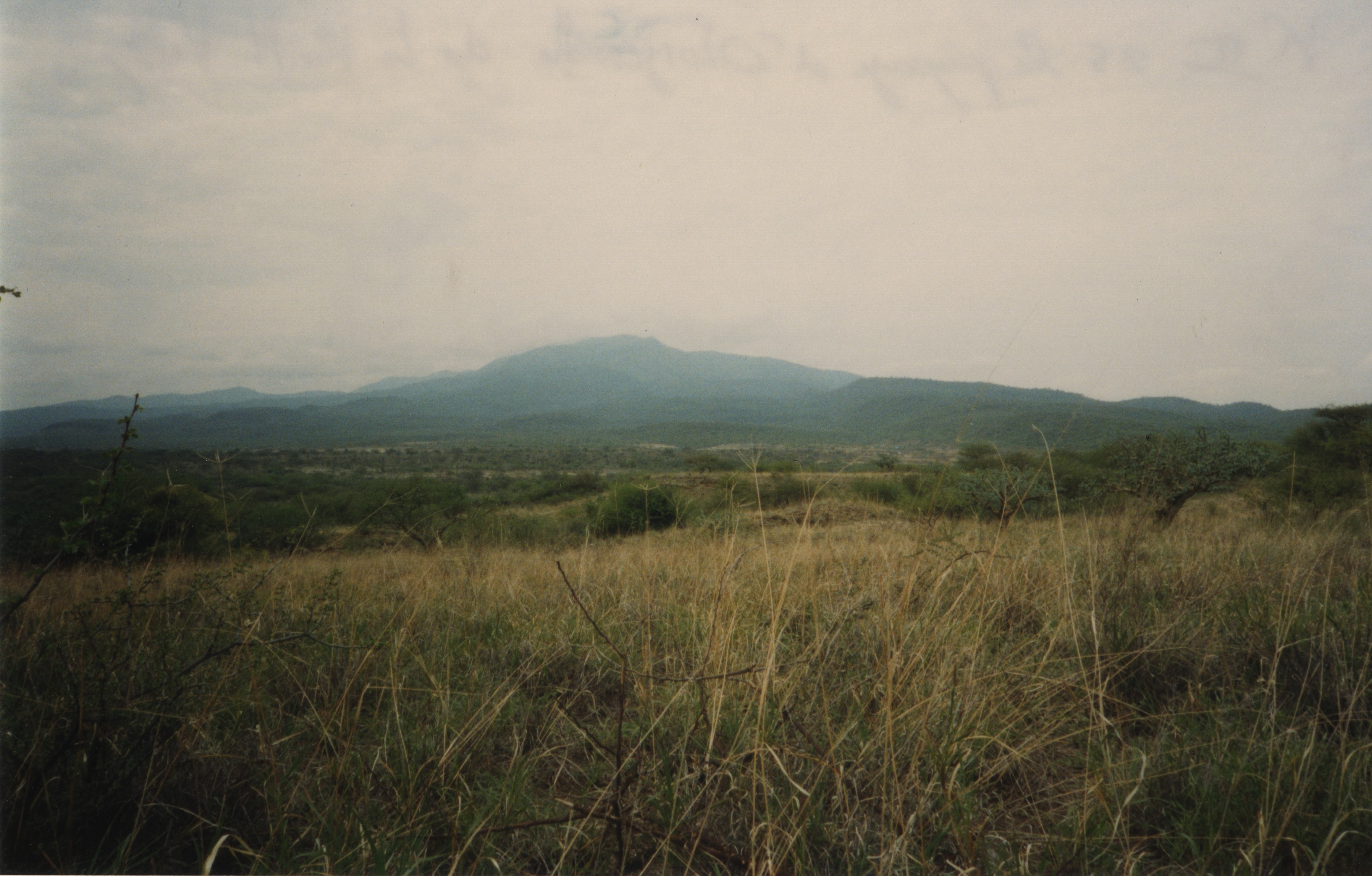
Olorgesailie
Acheulean hand axes and hominin remains.