Explore the Map
Kalokol Pillar Site
3.4228° N, 35.8028° E
About
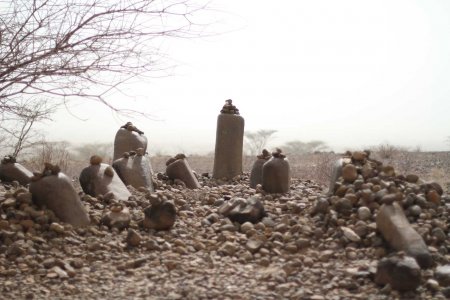
The Kalokol Pillar Site, also known as Namoratunga II, is an archaeological site located on the west side of Lake Turkana in Kenya. This site is notable for its 19 basalt pillars, arranged in a circular stone formation, which are believed to have served both ritualistic and potentially archaeoastronomical purposes. Dating back to approximately 2398 BCE, the site is associated with the region's earliest pastoralists, who may have used it as a communal cemetery. It reflects the cultural and ceremonial practices of Pastoral Neolithic societies. Studies suggest the pillars might have been aligned with astronomical events, linking them to the lunar calendar of Cushitic speakers from Southern Ethiopia. This makes the site an important focus for understanding early cultural and astronomical knowledge in East Africa.
Gallery
Explore photographs of ancient structures, artifacts, and archaeological excavations
Historical Timeline
Journey through time and discover key events in this site's history
Construction of Kalokol Pillar Site
2398 BCE
Archaeological Features
Unique architectural and cultural elements found at this historical site
Burial and Funerary Structures
Religious and Ritual Structures
Astronomical and Timekeeping Structures
Frequently Asked Questions
Plan Your Visit
Tours, travel arrangements, and practical information


More Sites in Kenya
Gogo Falls
Prehistoric site with Neolithic and Iron Age artifacts
Enkapune Ya Muto
Rock shelter with Middle to Late Stone Age artifacts
Hyrax Hill
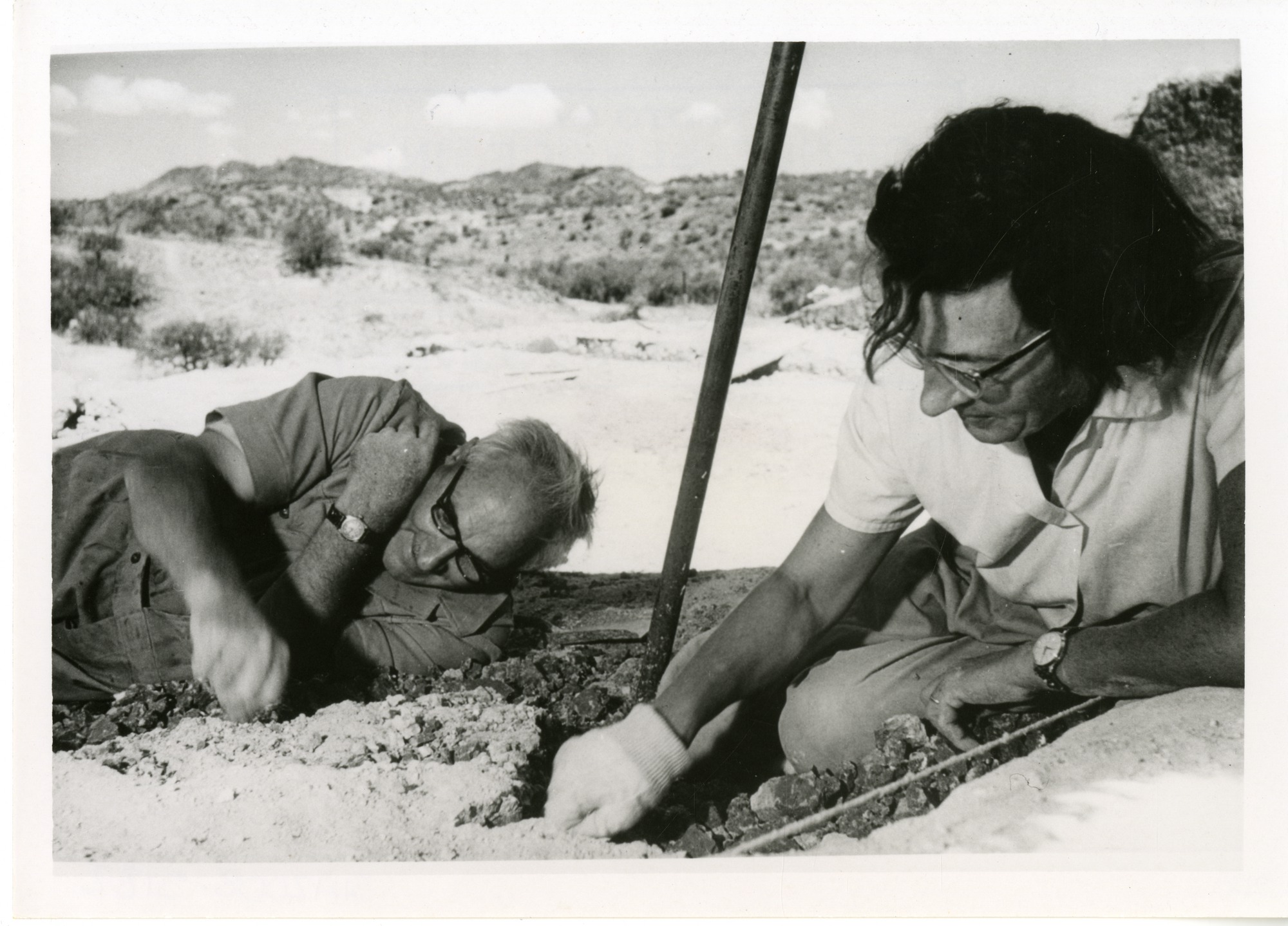
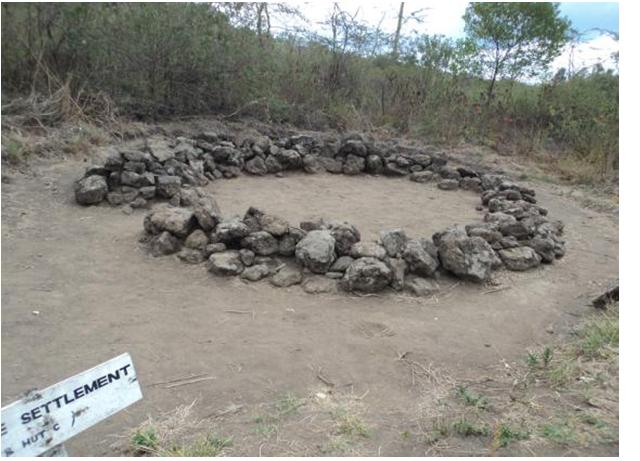
Pastoral Neolithic and Iron Age site near Nakuru, Kenya
Njoro River Cave
Ritual cremation site with artifacts.
Hyrax Hill Prehistoric Site and Museum
Prominent rocky ridge with multiple occupation layers.
Jumba la Mtwana
14th-century coastal structures and relics site.