
Time Periods
Paleolithic
Mesolithic
Neolithic
Chalcolithic
Bronze Age
Iron Age
Classical Period
Post-Classical Period
Early Modern Period
Industrial Period
Contemporary Period
Time Periods
Paleolithic
Mesolithic
Neolithic
Chalcolithic
Bronze Age
Iron Age
Classical Period
Post-Classical Period
Early Modern Period
Industrial Period
Contemporary Period
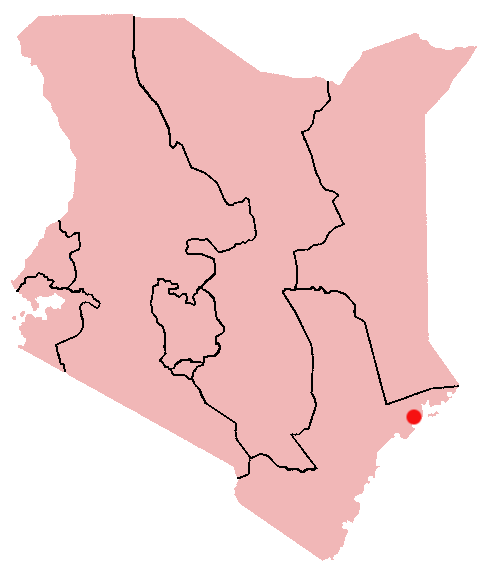
Location
About
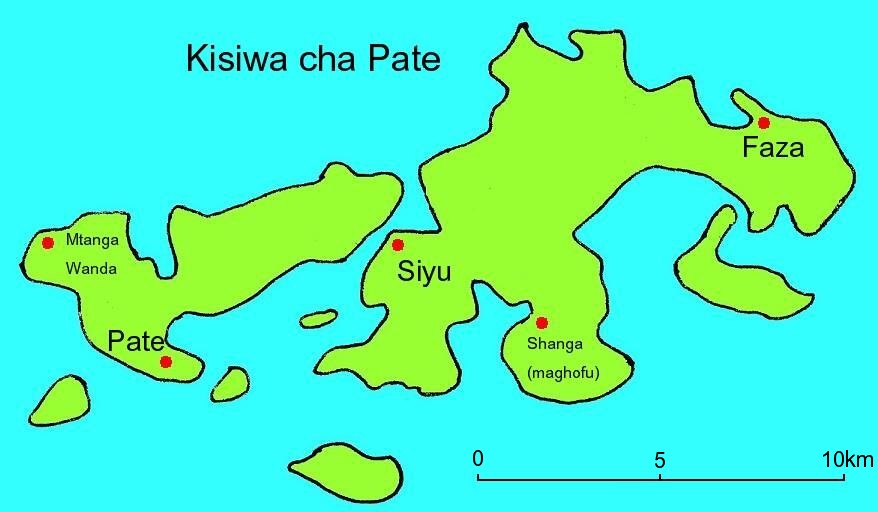
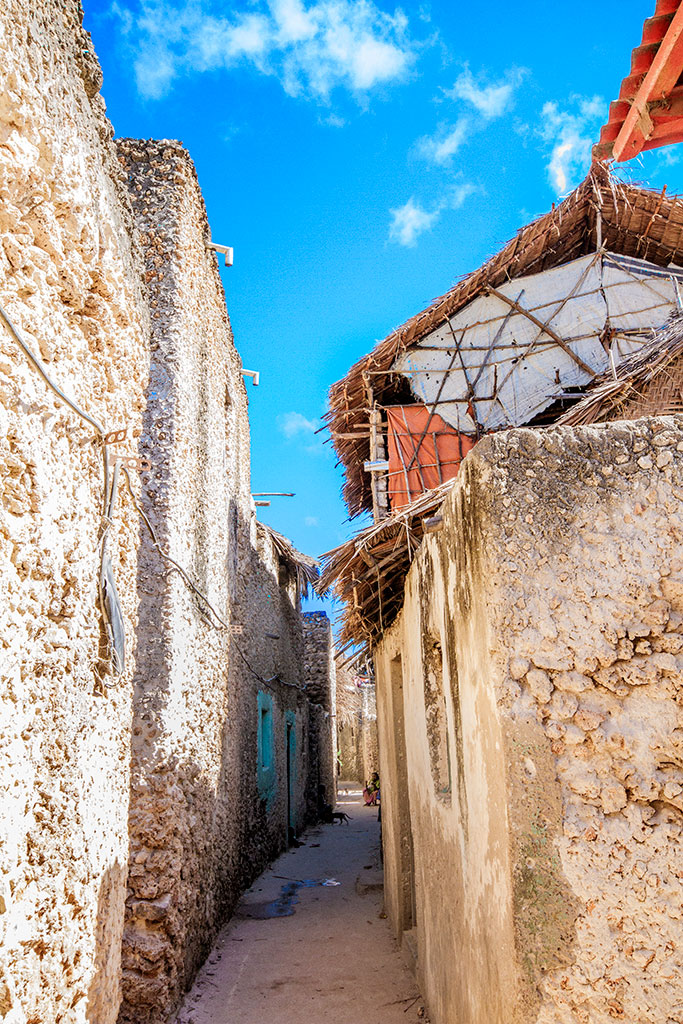
Pate Island, part of Kenya's Lamu Archipelago, is a significant archaeological site due to its prominent role in the Swahili coast's trade and cultural history. During the early first millennium CE, it transitioned from an agricultural community to a specialized trading hub by the 10th century. The island was central to the Pate Sultanate from the 13th to 19th centuries, engaging in trade with Arabs, Persians, and Indians. Pate Town, with its renowned 'Golden Age' in the 18th century, was known for its fine arts, including exquisite architecture, jewelry, and textiles. Faza, another town on the island, was notably destroyed by the Portuguese in 1587. The island also has historical ties to Chinese exploration, suggested by local legend and archaeological evidence. Pate's archaeological significance lies in its role as a cultural and economic hub on the Swahili coast.
Gallery
Explore photographs of ancient structures, artifacts, and archaeological excavations at Pate Island
Archaeological Features
Explore the unique architectural and cultural elements found at this historical site
Burial and Funerary Structures
Religious and Ritual Structures
Domestic and Habitation Structures
Historical Timeline
Journey through time and discover key events in this site's archaeological history
Plan Your Visit
Details
- Country
- Kenya
- Source
- Wikipedia
More Sites in Kenya
Lamu
Swahili settlement with forts and mosques
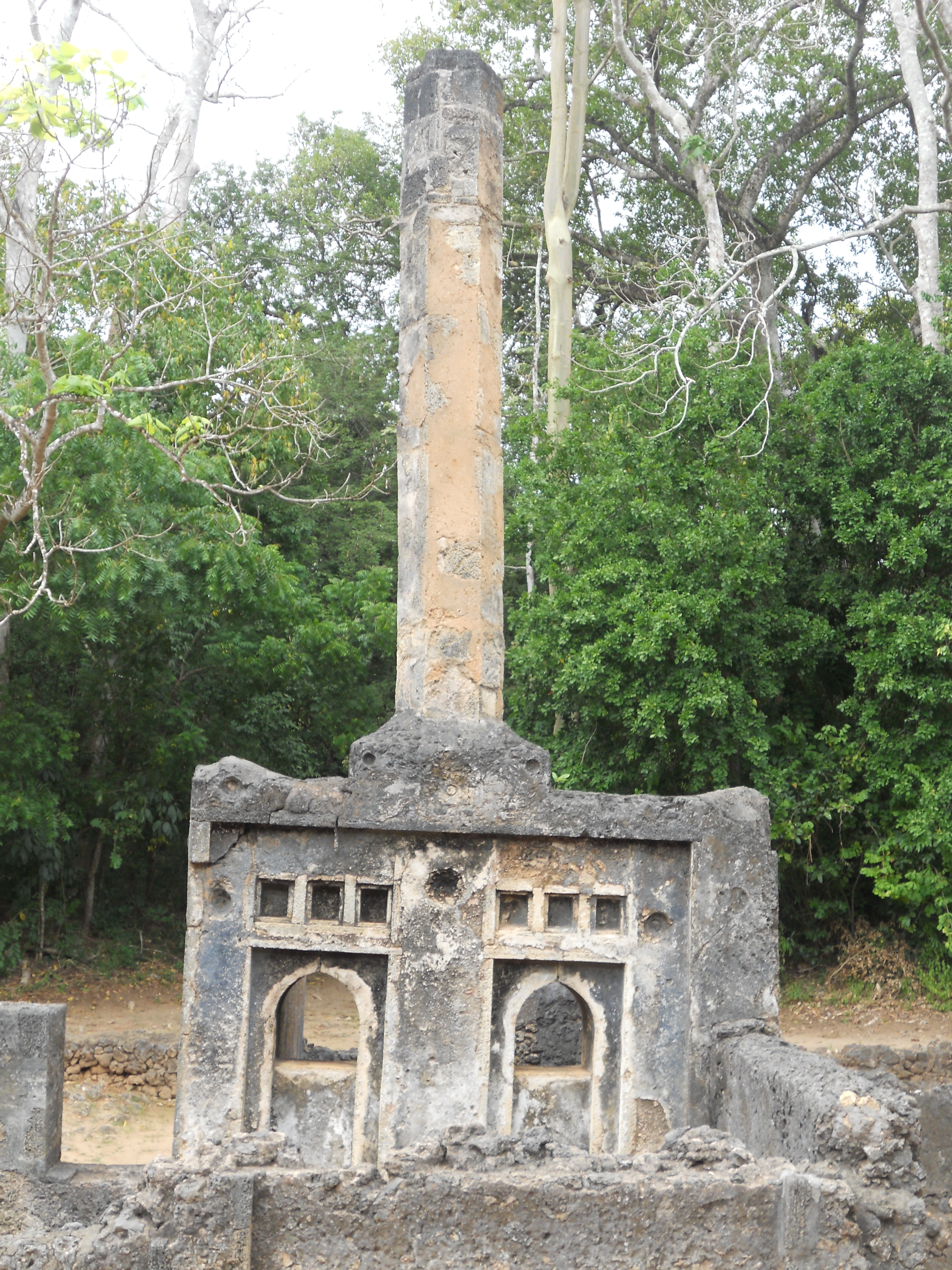
Ruins of Gedi
Medieval Swahili town with stone structures.
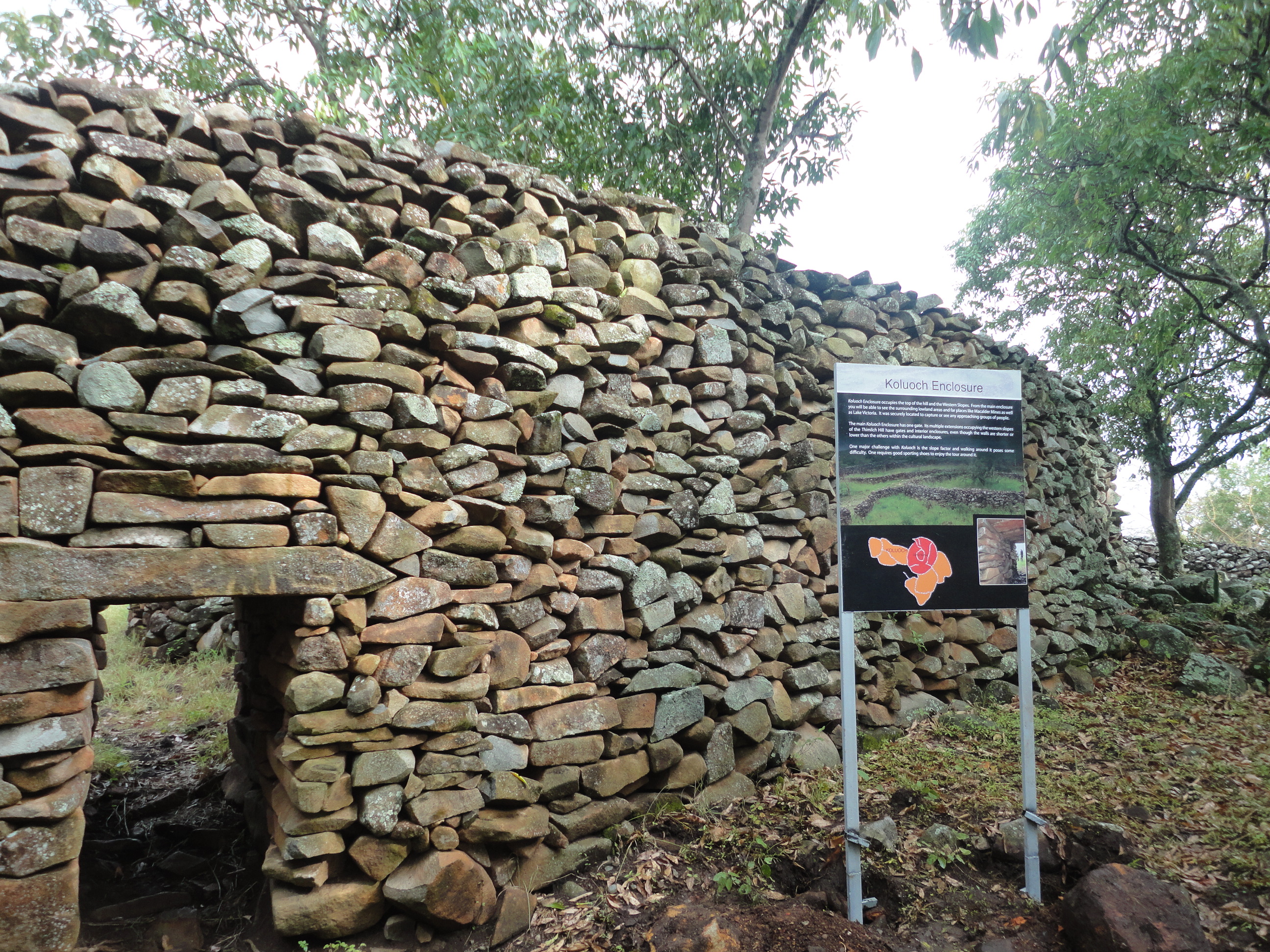
Thimlich Ohinga
Stone-built ruins with interlocking walls
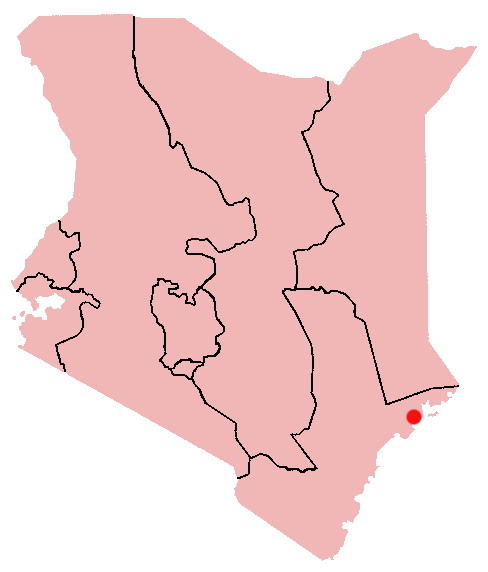
Manda Island
Ruins of ancient trade town on island

Jumba la Mtwana
14th-century coastal structures and relics site.
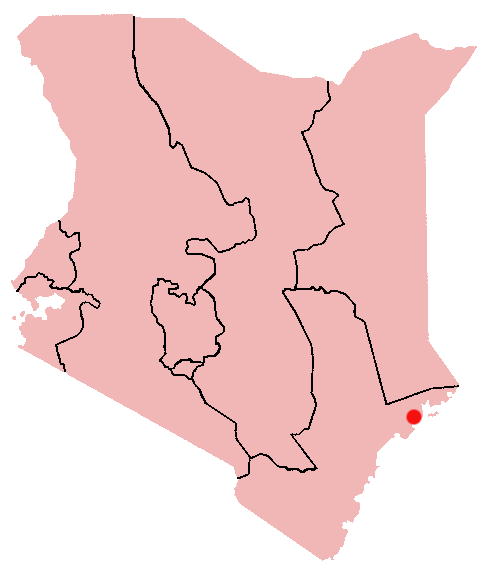
Takwa
Ruins of a small coastal settlement