
Time Periods
Paleolithic
Mesolithic
Neolithic
Chalcolithic
Bronze Age
Iron Age
Classical Period
Post-Classical Period
Early Modern Period
Industrial Period
Contemporary Period
Time Periods
Paleolithic
Mesolithic
Neolithic
Chalcolithic
Bronze Age
Iron Age
Classical Period
Post-Classical Period
Early Modern Period
Industrial Period
Contemporary Period
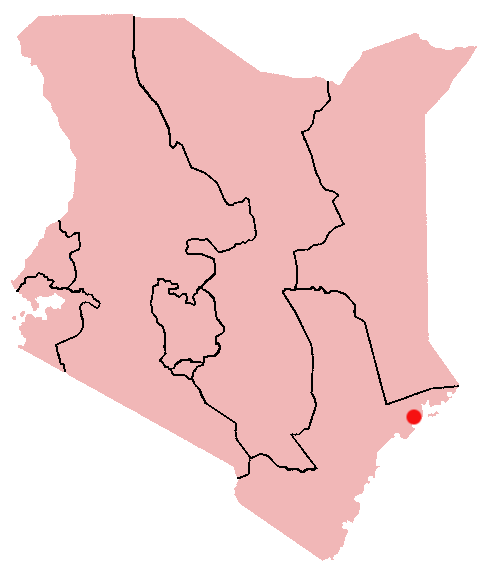
Location
About
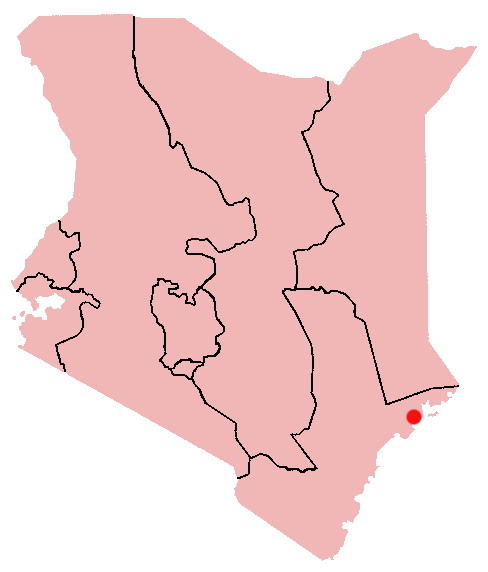
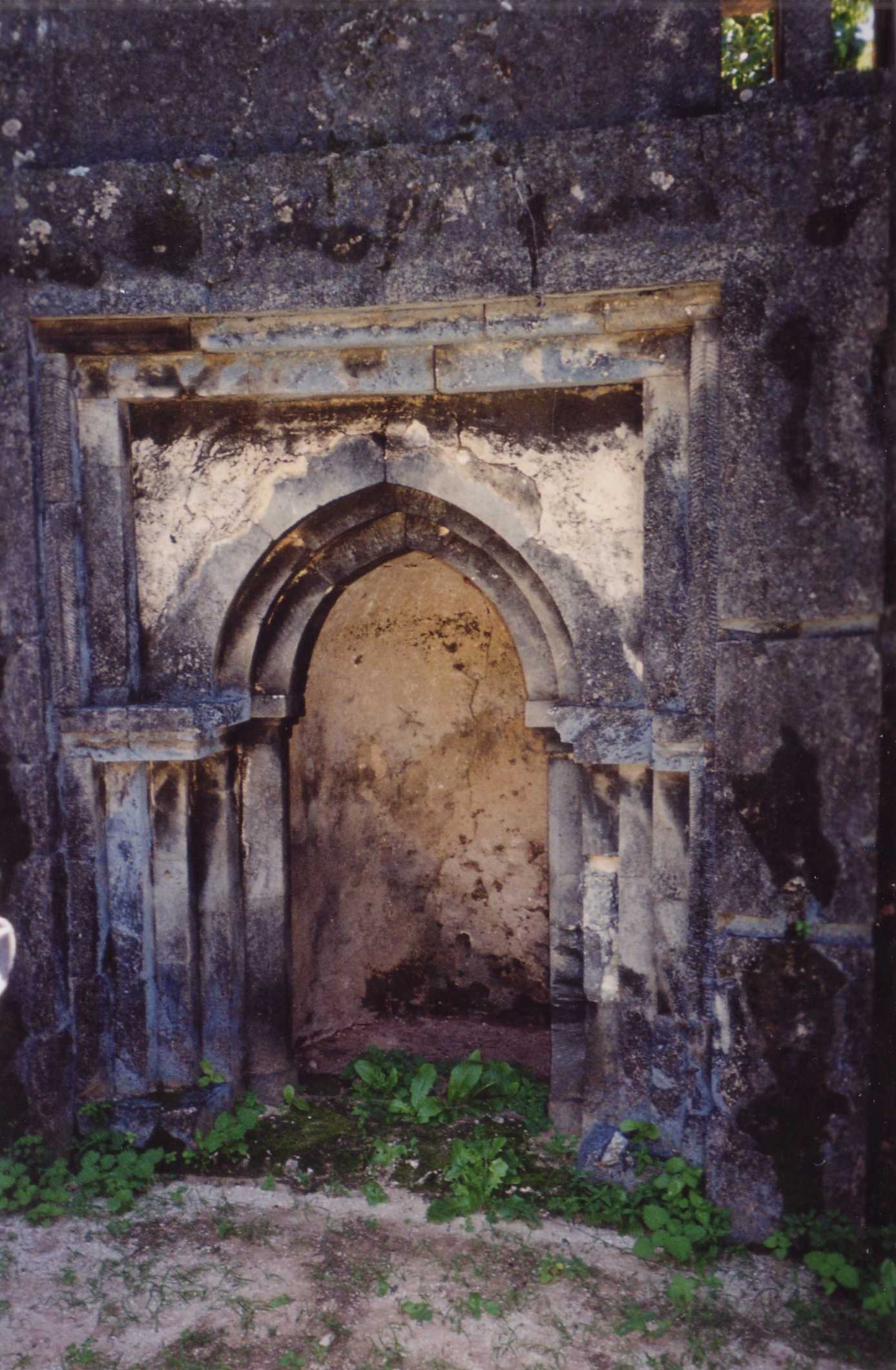
Manda Island, part of Kenya's Lamu Archipelago, holds significant archaeological importance due to the ruins of Manda town, a prospering trade hub from the 9th to 13th centuries CE. This settlement was integral to trade with the Persian Gulf, dealing in commodities such as elephant ivory and mangrove poles. Unique construction methods using imported bricks and locally sourced coral rag were employed in the town's architecture, including its large sea walls. Archaeological finds, such as Chinese porcelain and Islamic pottery, underscore its trade connections. DNA analysis of burials from the site indicates a blend of African, Persian, and Indian ancestries, reflecting a cosmopolitan population. The town's decline by the 13th century was likely due to environmental challenges. Today, the site offers invaluable insights into the historical trade networks and cultural exchanges along the East African coast.
Gallery
Explore photographs of ancient structures, artifacts, and archaeological excavations at Manda Island
Archaeological Features
Explore the unique architectural and cultural elements found at this historical site
Defensive Structures
Water Management Features
Burial and Funerary Structures
Religious and Ritual Structures
Domestic and Habitation Structures
Historical Timeline
Journey through time and discover key events in this site's archaeological history
Plan Your Visit
Details
- Country
- Kenya
- Source
- Wikipedia
More Sites in Kenya
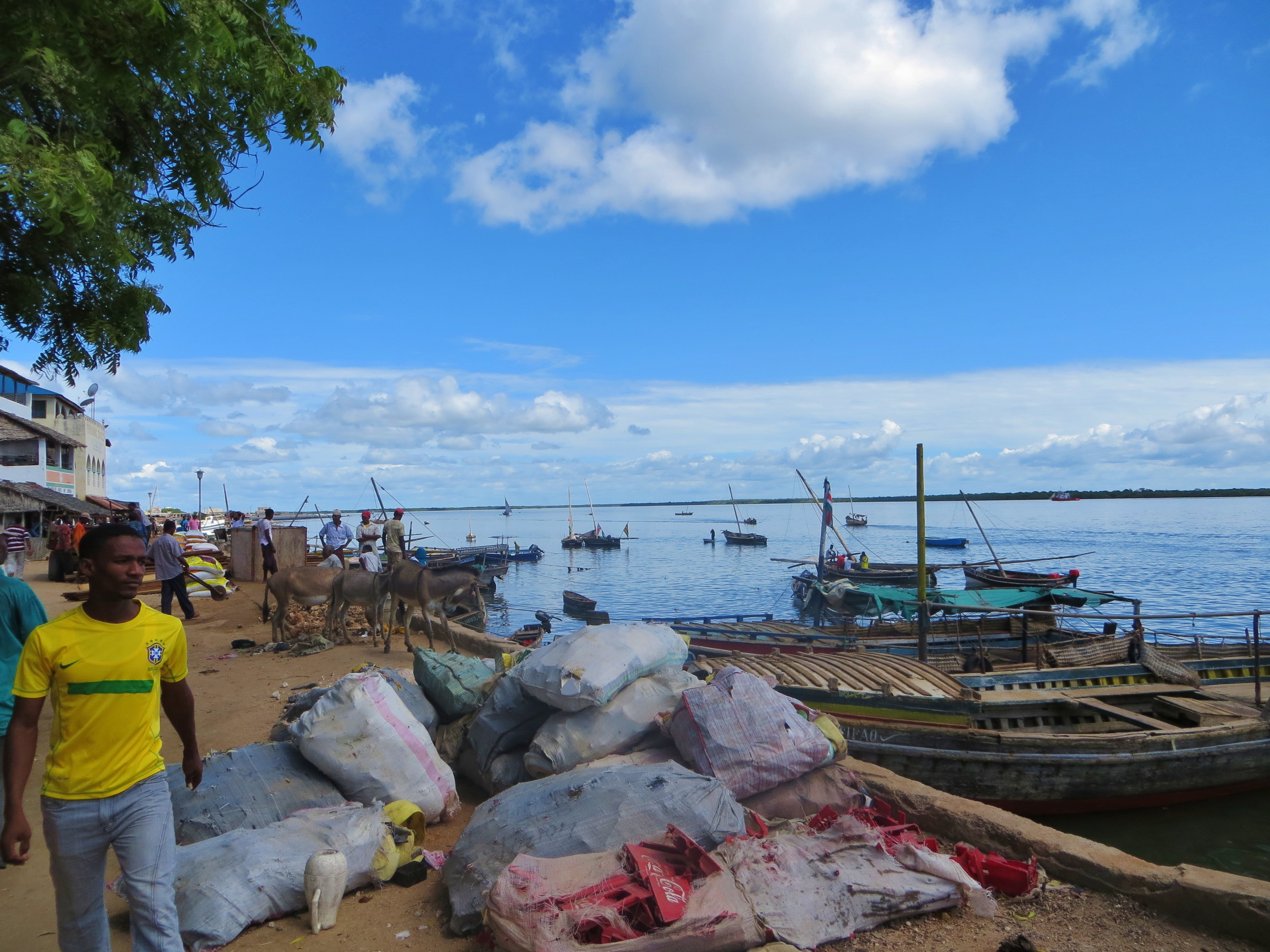
Lamu
Swahili settlement with forts and mosques
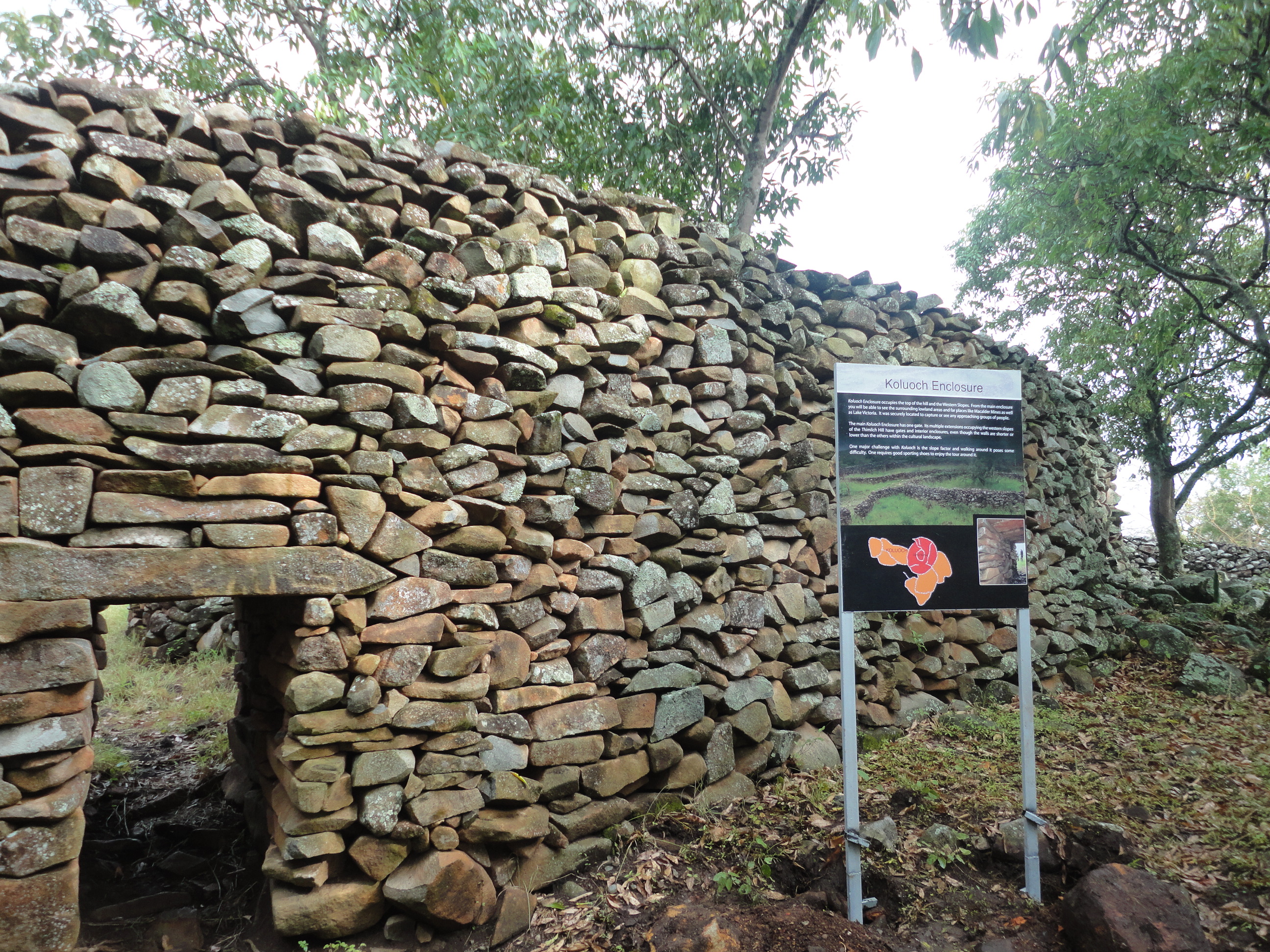
Thimlich Ohinga
Stone-built ruins with interlocking walls
Pate Island
Swahili trading and cultural hub
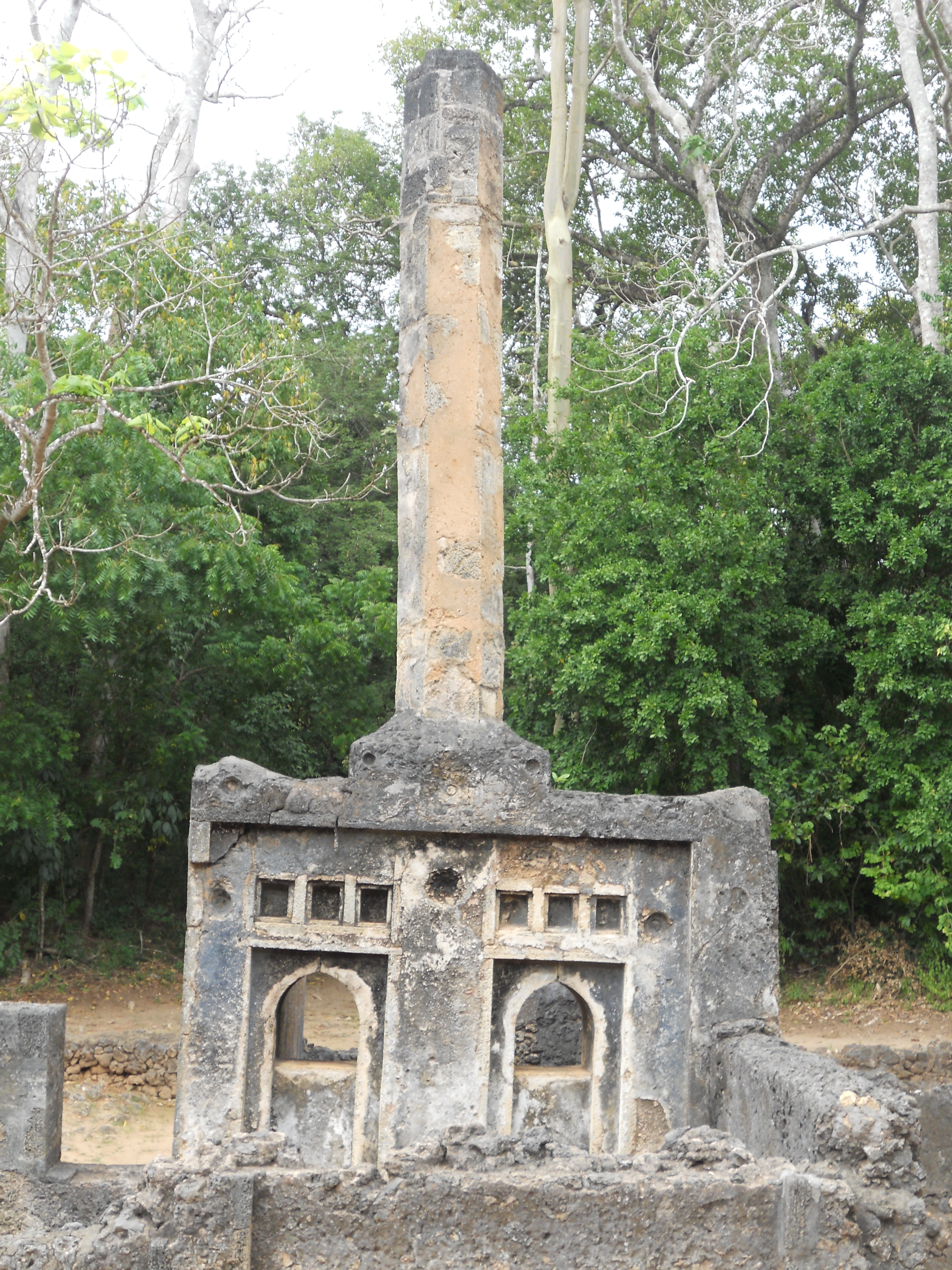
Ruins of Gedi
Medieval Swahili town with stone structures.
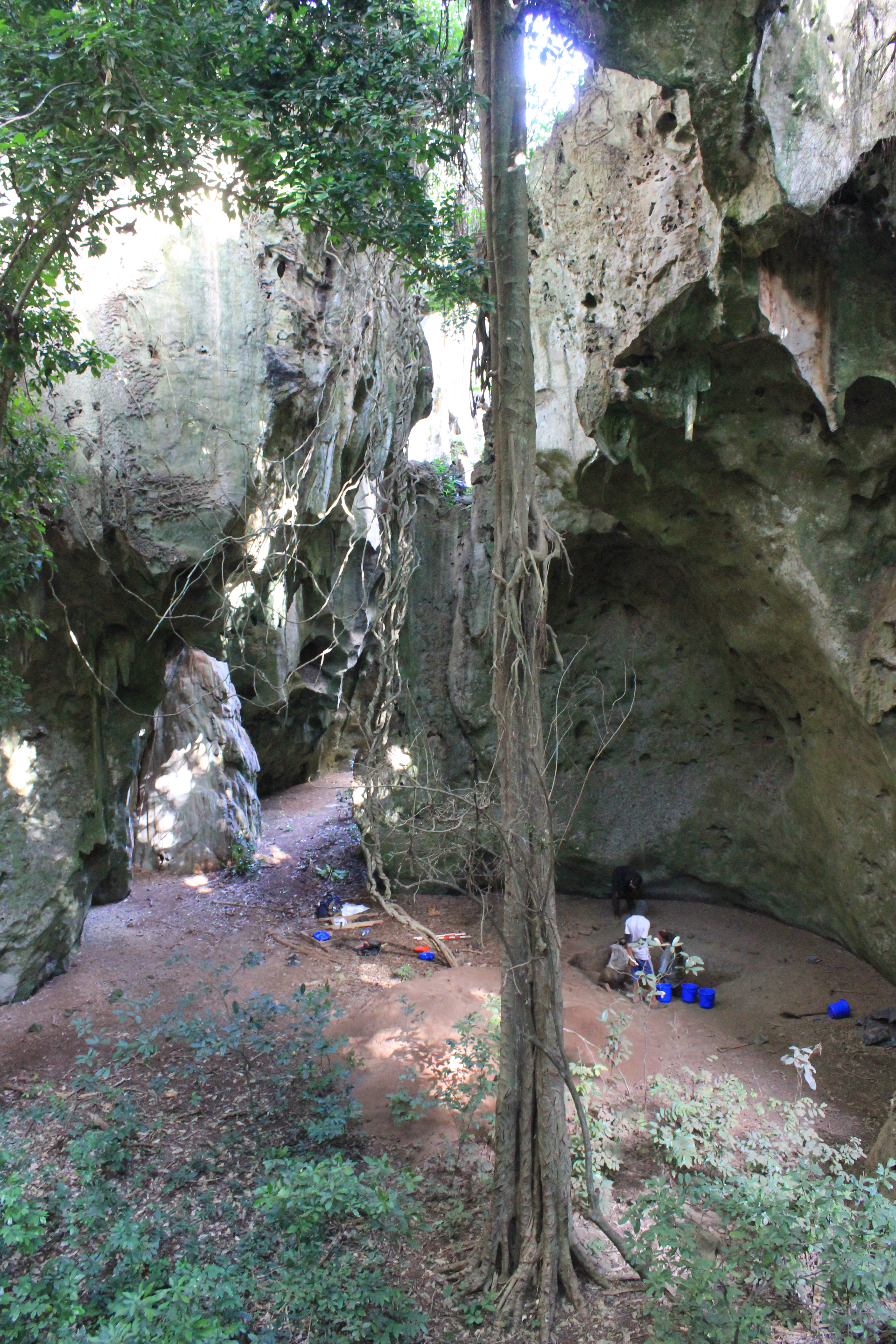
Panga ya Saidi
Kenyan cave with multi-period archaeological deposits
Mambrui
14th-century Swahili settlement with mosques