Time Periods
Paleolithic
Mesolithic
Neolithic
Chalcolithic
Bronze Age
Iron Age
Classical Period
Post-Classical Period
Early Modern Period
Industrial Period
Contemporary Period
Time Periods
Paleolithic
Mesolithic
Neolithic
Chalcolithic
Bronze Age
Iron Age
Classical Period
Post-Classical Period
Early Modern Period
Industrial Period
Contemporary Period
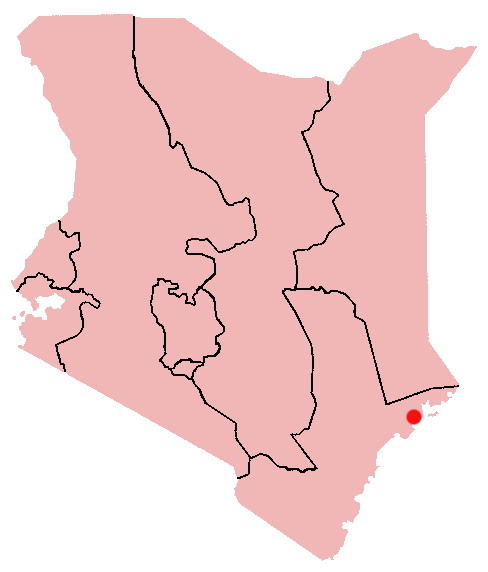
Location
About
Mambrui, a settlement on Kenya's Swahili Coast, is notable for its architectural remains from the 14th century. The site contains over five structures built during this period, although they are now in a dilapidated condition. Additionally, the village is home to 11 mosques, indicating a significant Islamic influence and a developed community for its time. The discovery of a Yongle Tongbao coin in nearby Manda and Chinese porcelain shards suggests potential trade links between China and the Swahili Coast, predating European exploration in the region. These findings underscore Mambrui's historical role as a nexus of cultural and commercial exchange during the Late Post-Classical Period.
Archaeological Features
Explore the unique architectural and cultural elements found at this historical site
Religious and Ritual Structures
Domestic and Habitation Structures
Historical Timeline
Journey through time and discover key events in this site's archaeological history
Plan Your Visit
Details
- Country
- Kenya
- Source
- Wikipedia
More Sites in Kenya
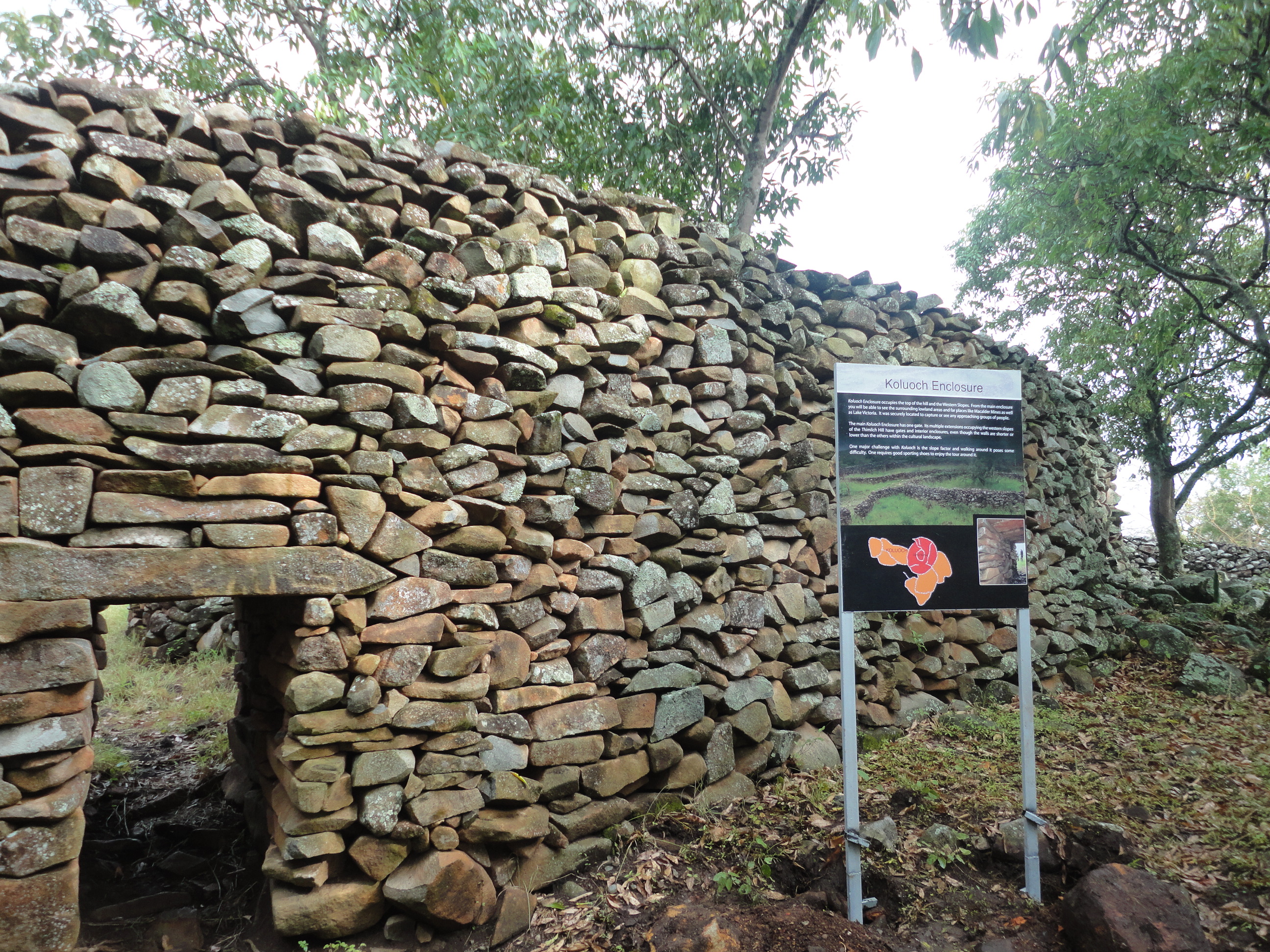
Thimlich Ohinga
Stone-built ruins with interlocking walls
Kiongwe
Coastal settlement with Swahili origins.
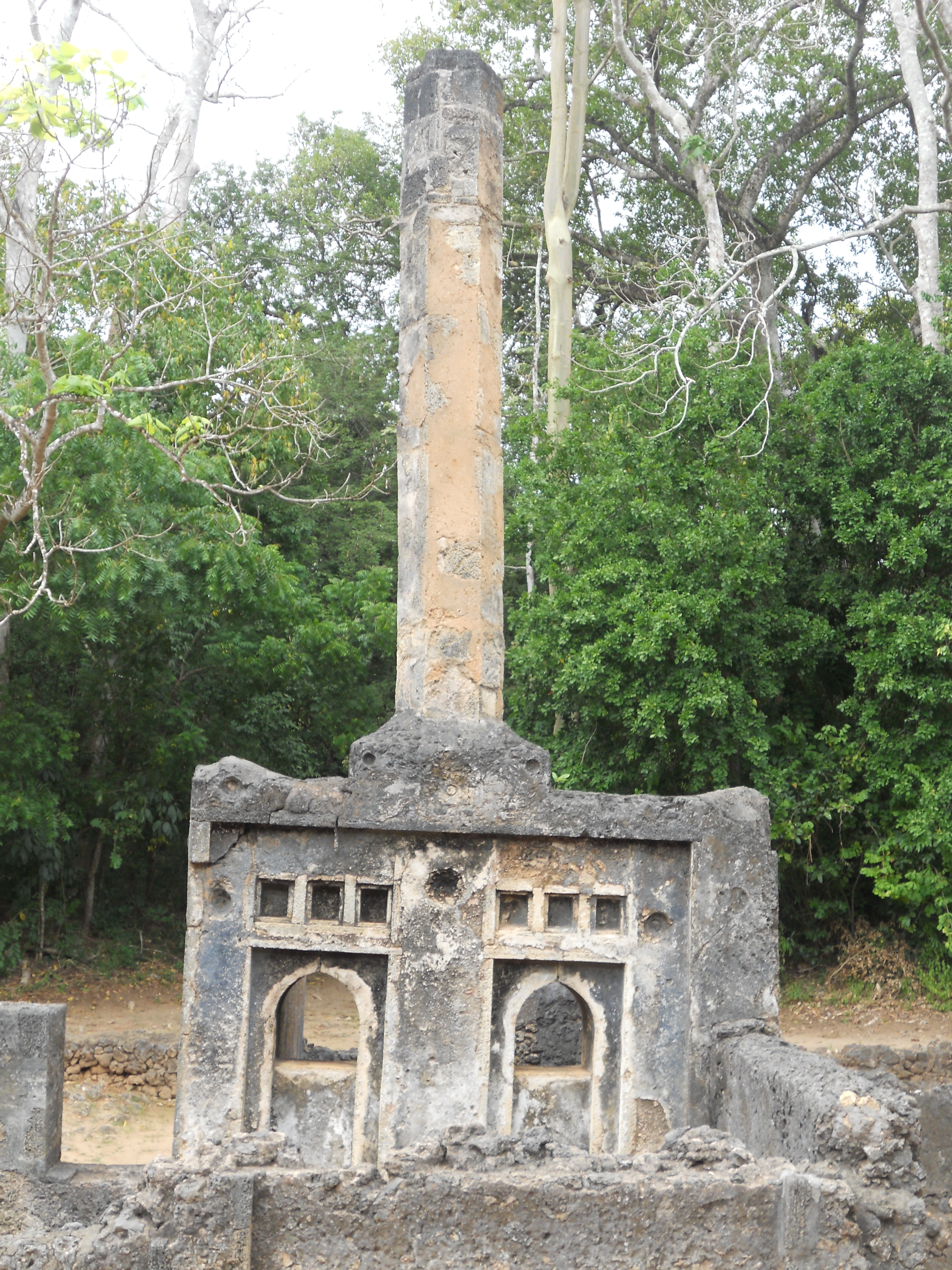
Ruins of Gedi
Medieval Swahili town with stone structures.
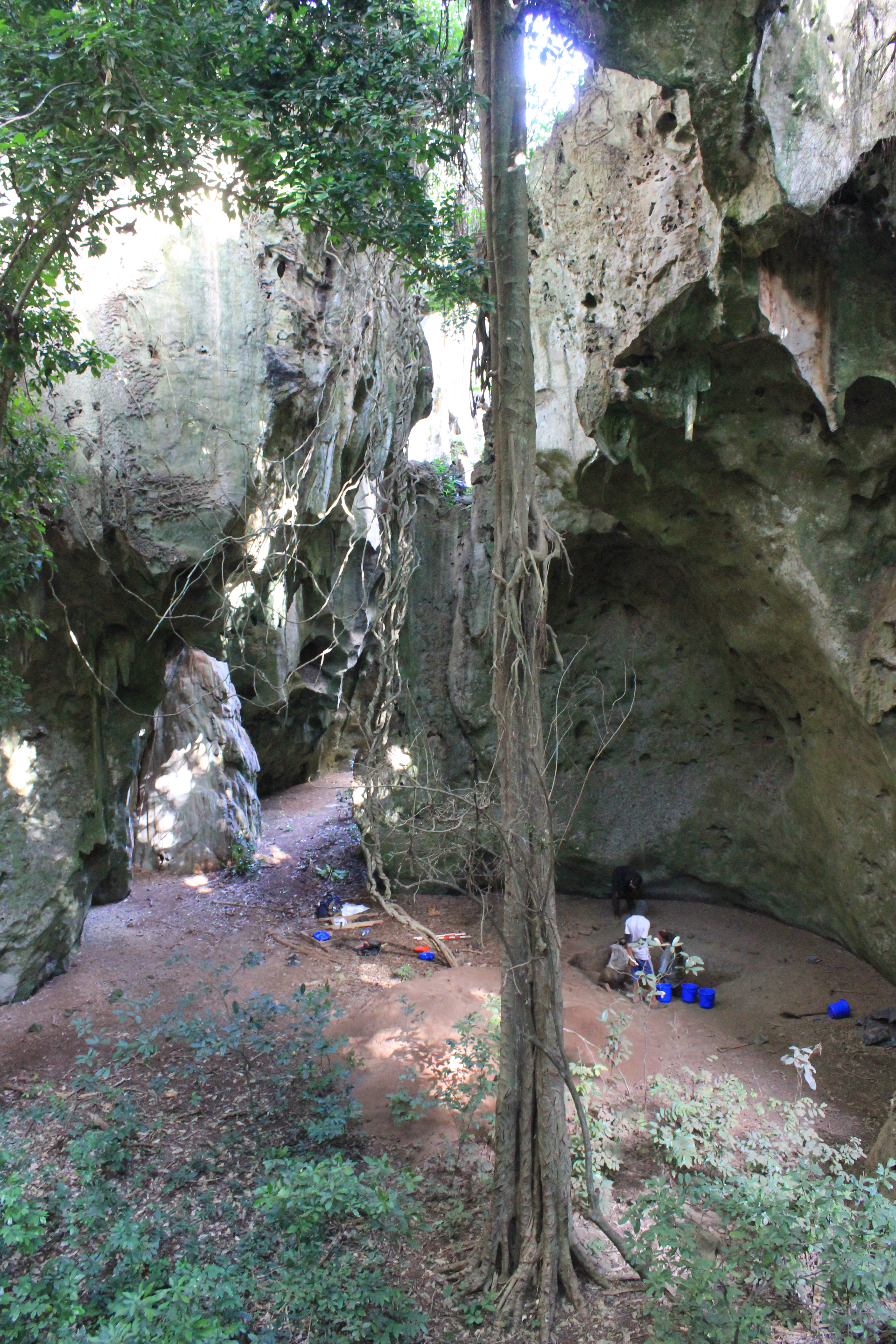
Panga ya Saidi
Kenyan cave with multi-period archaeological deposits
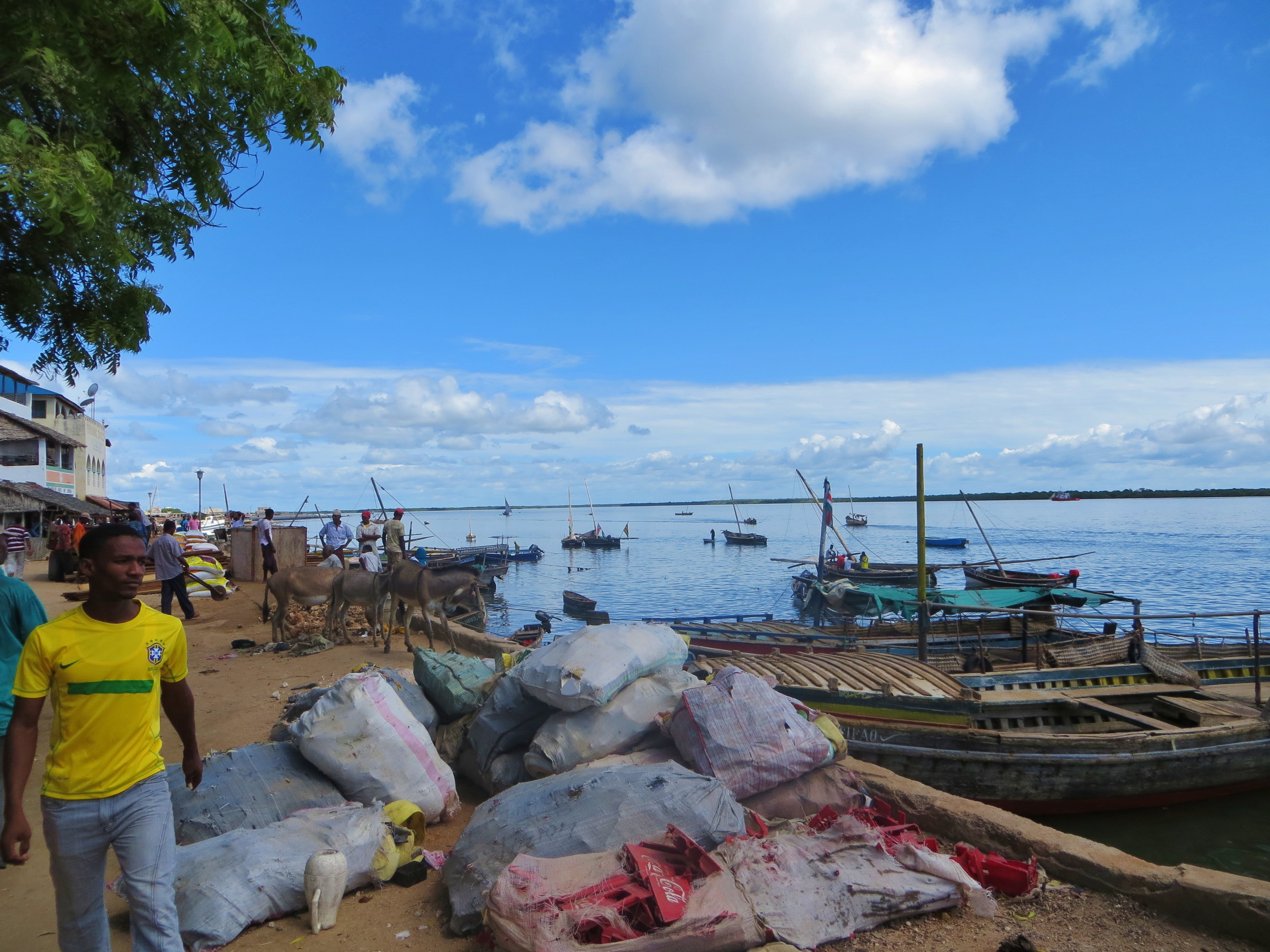
Lamu
Swahili settlement with forts and mosques
Manda Island
Ruins of ancient trade town on island