
Explore the Map
Ruins of Gedi
-3.3094° N, 40.0172° E
About
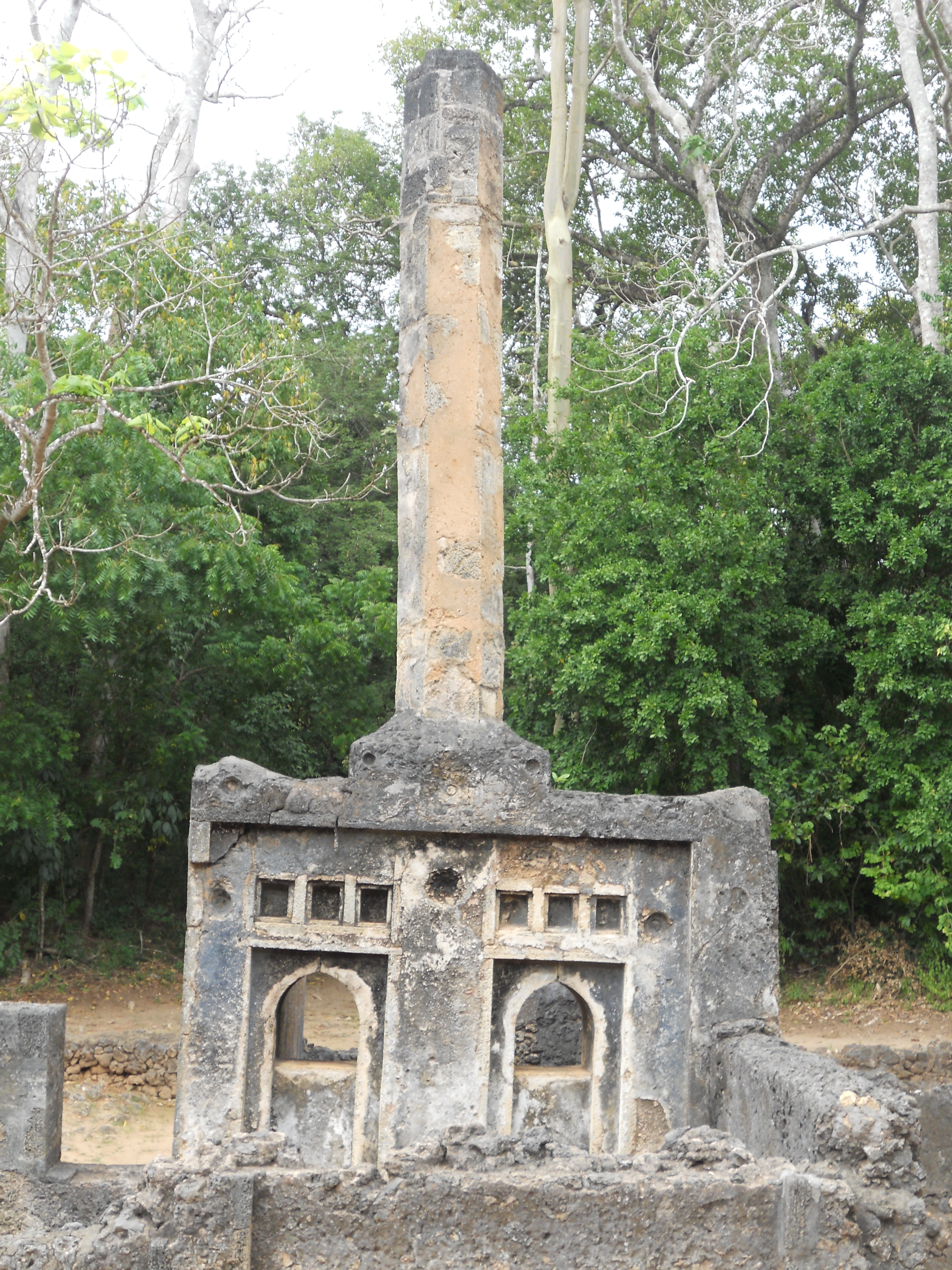
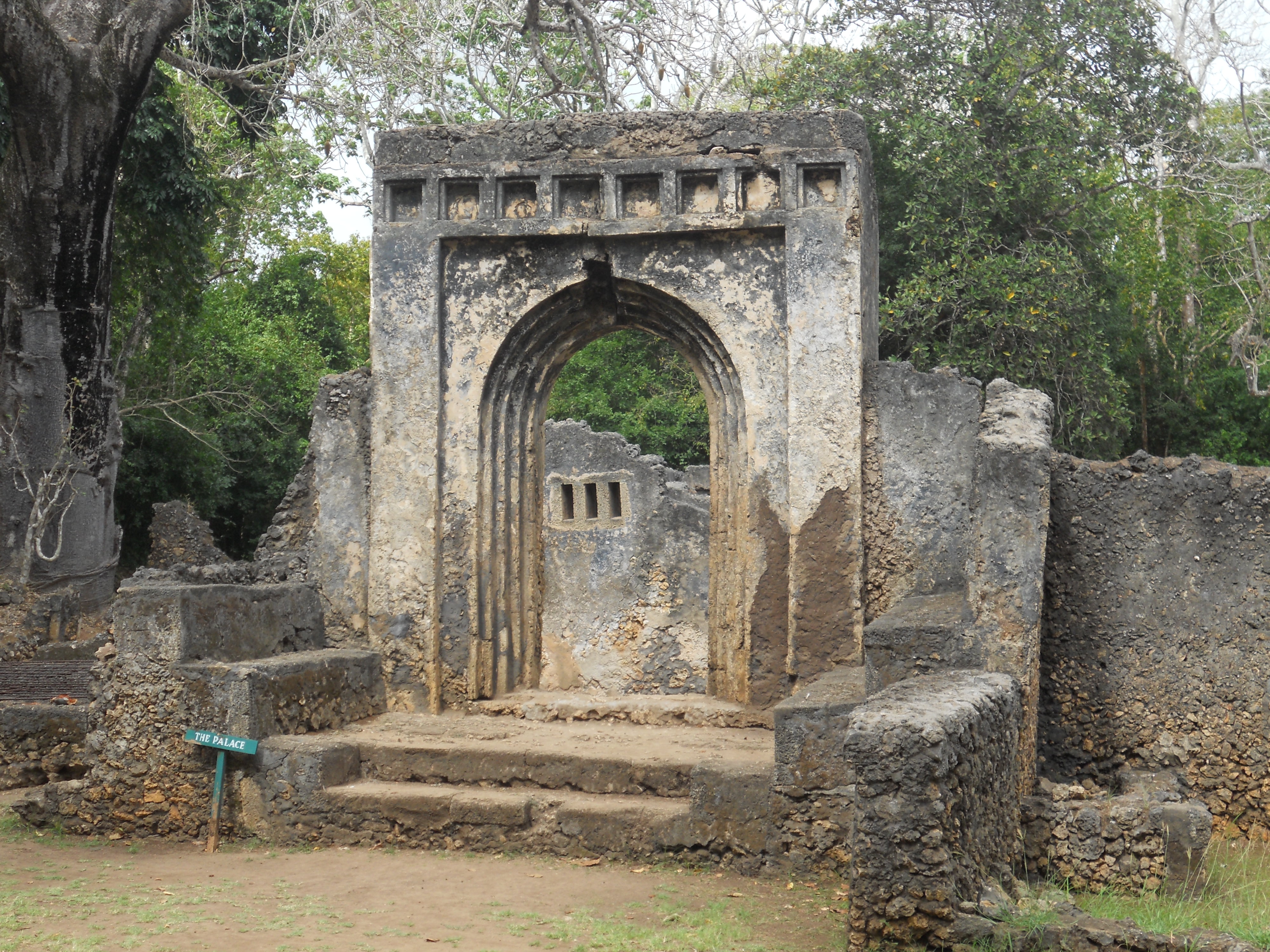
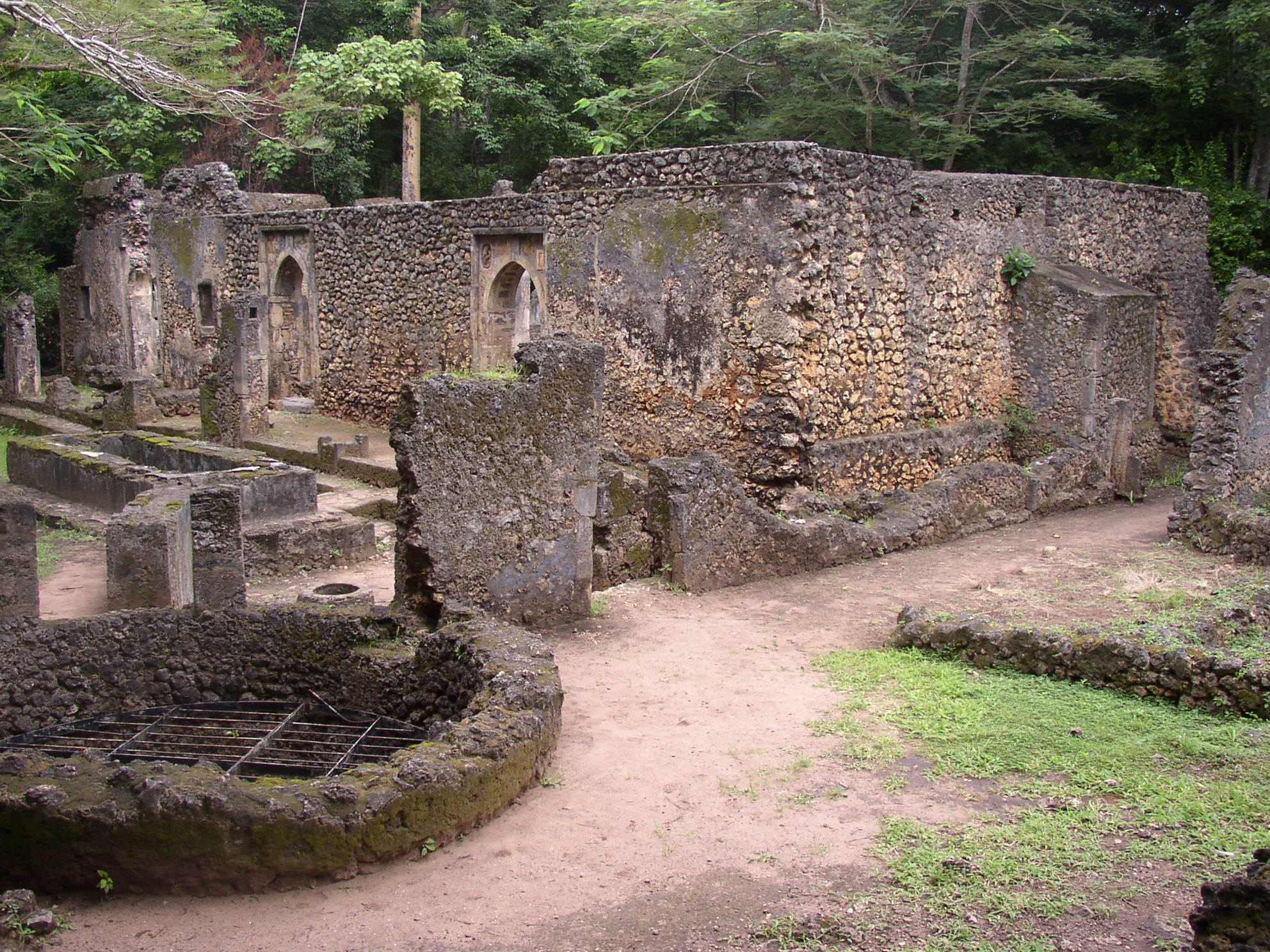
The Gedi ruins in Kenya represent a significant medieval Swahili coastal settlement, characterized by its stone architecture, including mosques, palaces, and pillar tombs. The site flourished between the 11th and 17th centuries, serving as a crucial trade hub along the Indian Ocean, evidenced by imported materials such as pottery, beads, and coins. Gedi's urban core, defined by an inner and outer wall, reveals insights into the social and economic structures of Swahili culture during this period. The site's archaeological significance lies in its ability to illustrate the development of Swahili urbanism, the spread of Islam, and the impacts of trade networks on East African coastal societies.
Gallery
Explore photographs of ancient structures, artifacts, and archaeological excavations
Historical Timeline
Journey through time and discover key events in this site's history
Urban Development
11th century CE to 14th century CE
Initial Settlement
1041 CE
Islamic Influence
12th century CE
Site Prosperity
15th century CE to 16th century CE
Construction of Outer Wall
15th century CE
Decline and Abandonment
1650 CE
Archaeological Features
Unique architectural and cultural elements found at this historical site
Defensive Structures
Water Management Features
Burial and Funerary Structures
Religious and Ritual Structures
Domestic and Habitation Structures
Frequently Asked Questions
Plan Your Visit
Tours, travel arrangements, and practical information
More Sites in Kenya

Lamu
Swahili settlement with forts and mosques
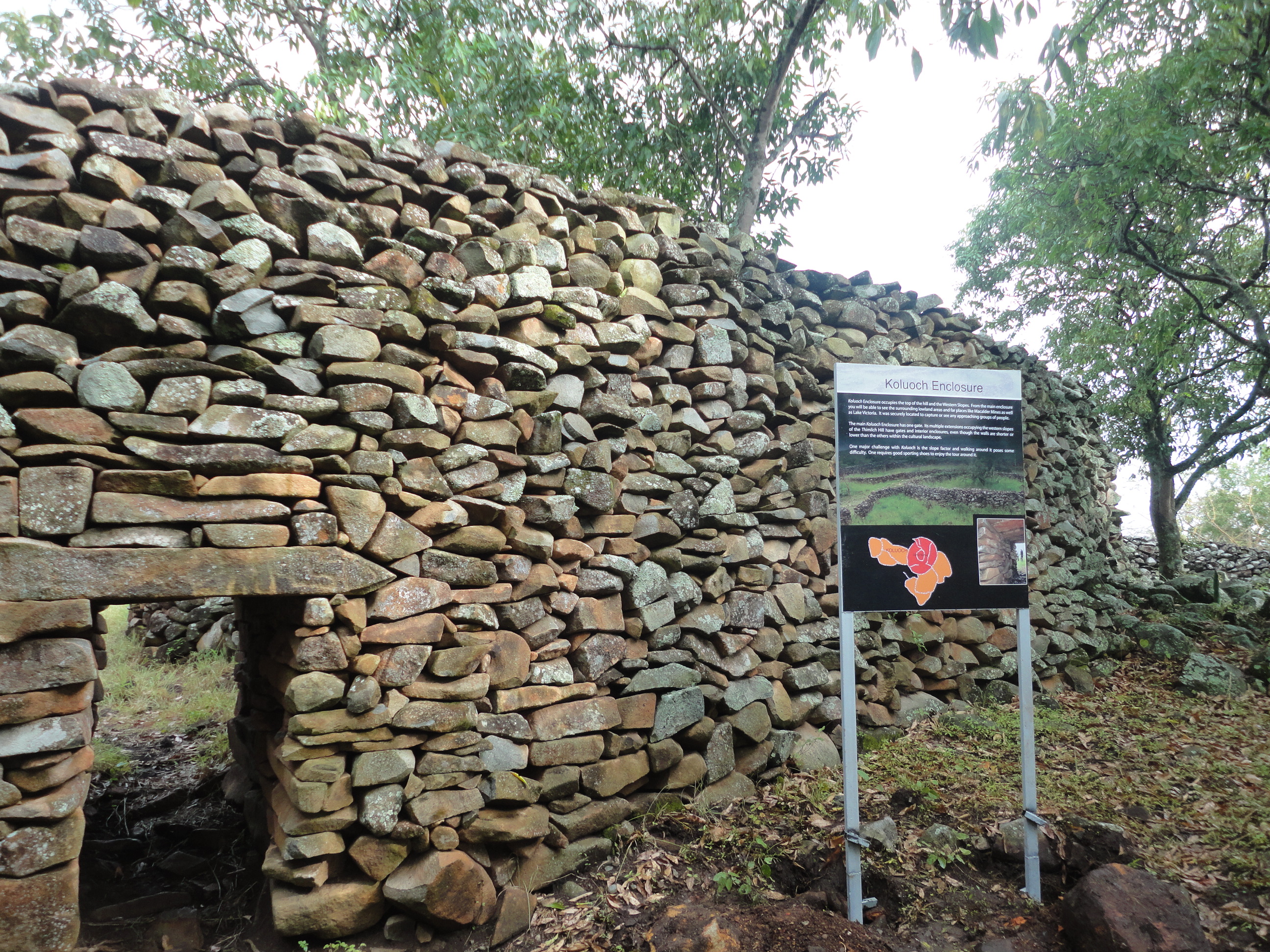
Thimlich Ohinga
Stone-built ruins with interlocking walls
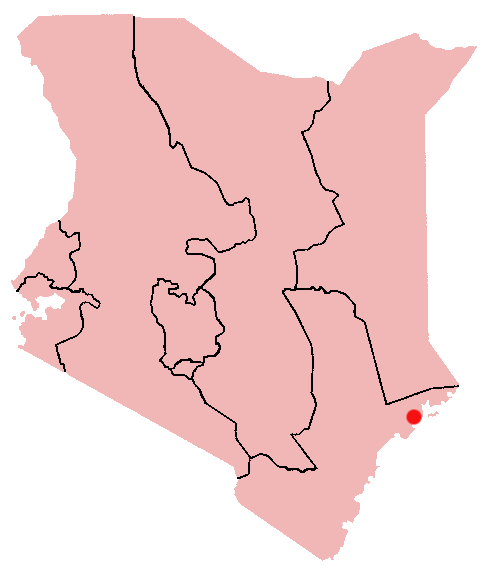
Takwa
Ruins of a small coastal settlement
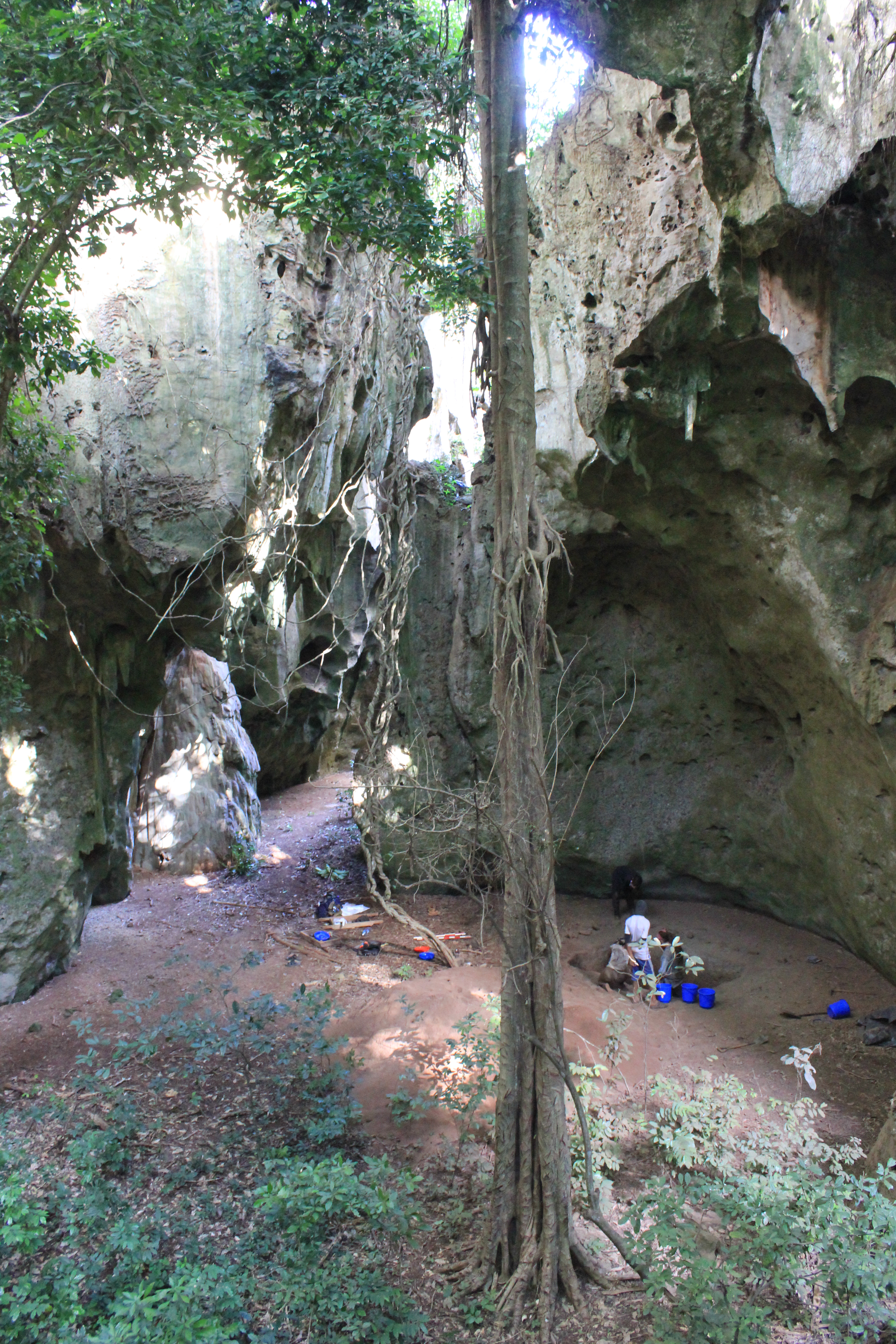
Panga ya Saidi
Kenyan cave with multi-period archaeological deposits

Jumba la Mtwana
14th-century coastal structures and relics site.

Kalokol Pillar Site
Basalt pillars in circular stone formation