

Explore the Map
Lamu
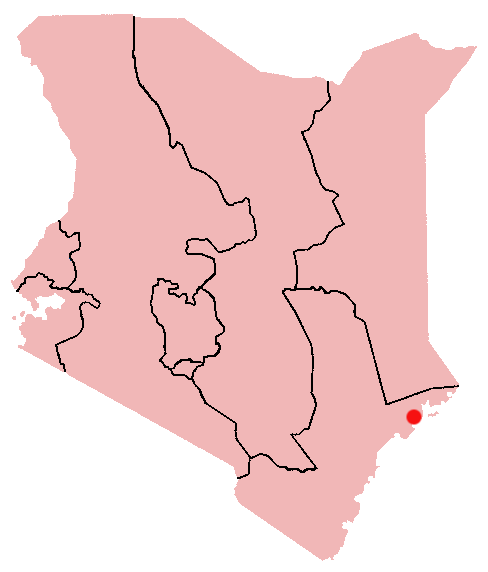
-2.2694° N, 40.9022° E
About
Lamu Town, located on Lamu Island in Kenya, is a significant archaeological site as it represents one of the oldest continually inhabited Swahili settlements along the East African coast. Founded in the 14th century, the town is renowned for its Swahili architecture, including the Lamu Fort, constructed in the early 19th century. This fortification reflects the strategic and defensive needs of the time. During its golden age under Omani protectorate rule, Lamu became a cultural hub for poetry, arts, and crafts. The town features numerous mosques, such as the Riyadha Mosque built in 1900, which underscores the Islamic influence in the region. Lamu’s historical relevance is further accentuated by its role in regional trade and its interaction with Portuguese, Omani, and British colonial powers, making it a key site for understanding Swahili culture and colonial history.
Gallery
Explore photographs of ancient structures, artifacts, and archaeological excavations

Historical Timeline
Journey through time and discover key events in this site's history
Lamu Golden Age
17th-19th century CE
Establishment of Lamu Town
1370 CE
Portuguese Blockade
1506 CE
Rebellion against Portuguese
1652 CE
Lamu under Zanzibar Influence
19th century CE
Battle of Shela
1812 CE
British Colonial Rule
1890 CE
Archaeological Features
Unique architectural and cultural elements found at this historical site
Defensive Structures
Public and Civic Structures
Religious and Ritual Structures
Domestic and Habitation Structures
Plan Your Visit
Tours, travel arrangements, and practical information
More Sites in Kenya
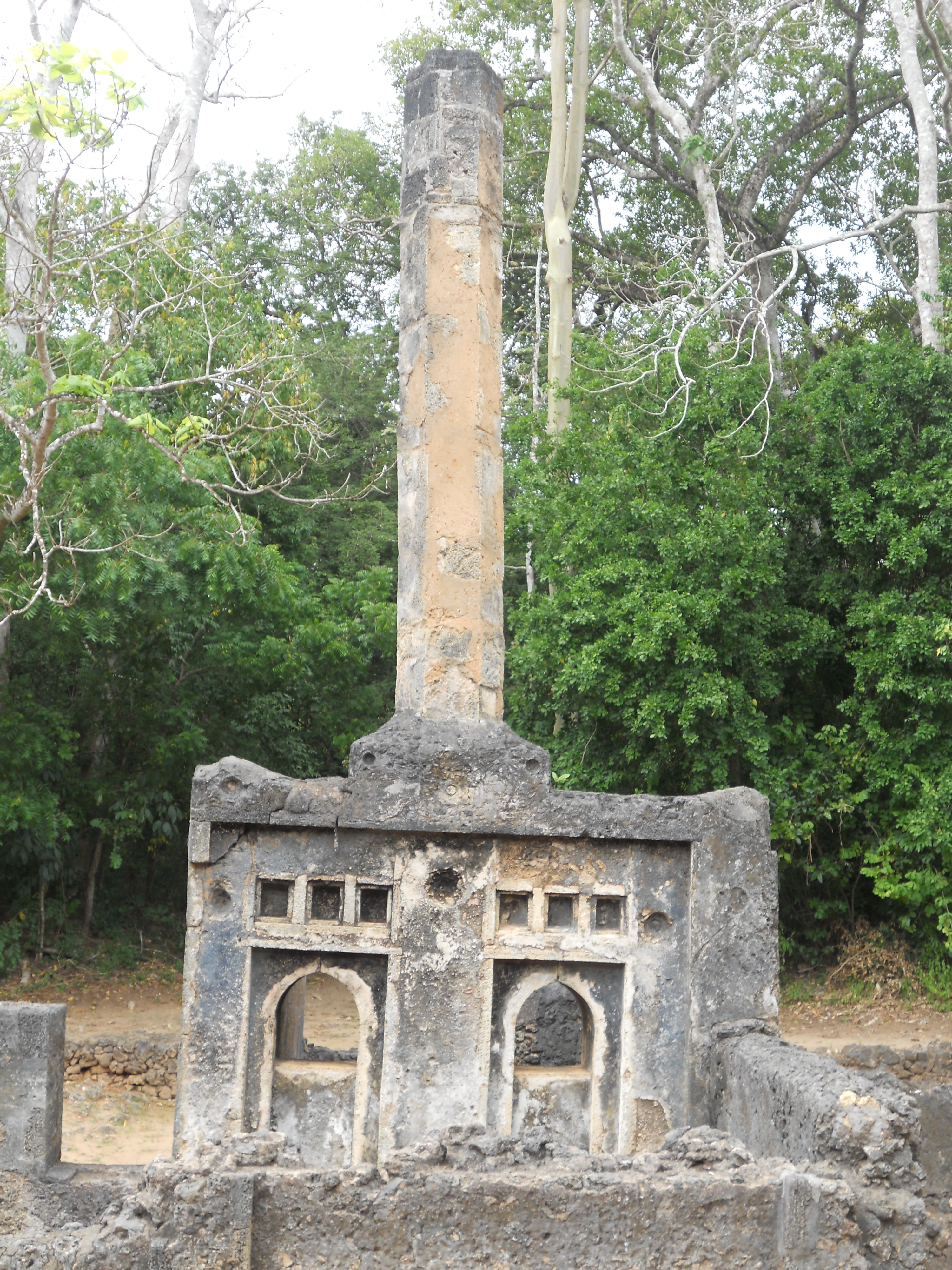
Ruins of Gedi
Medieval Swahili town with stone structures.
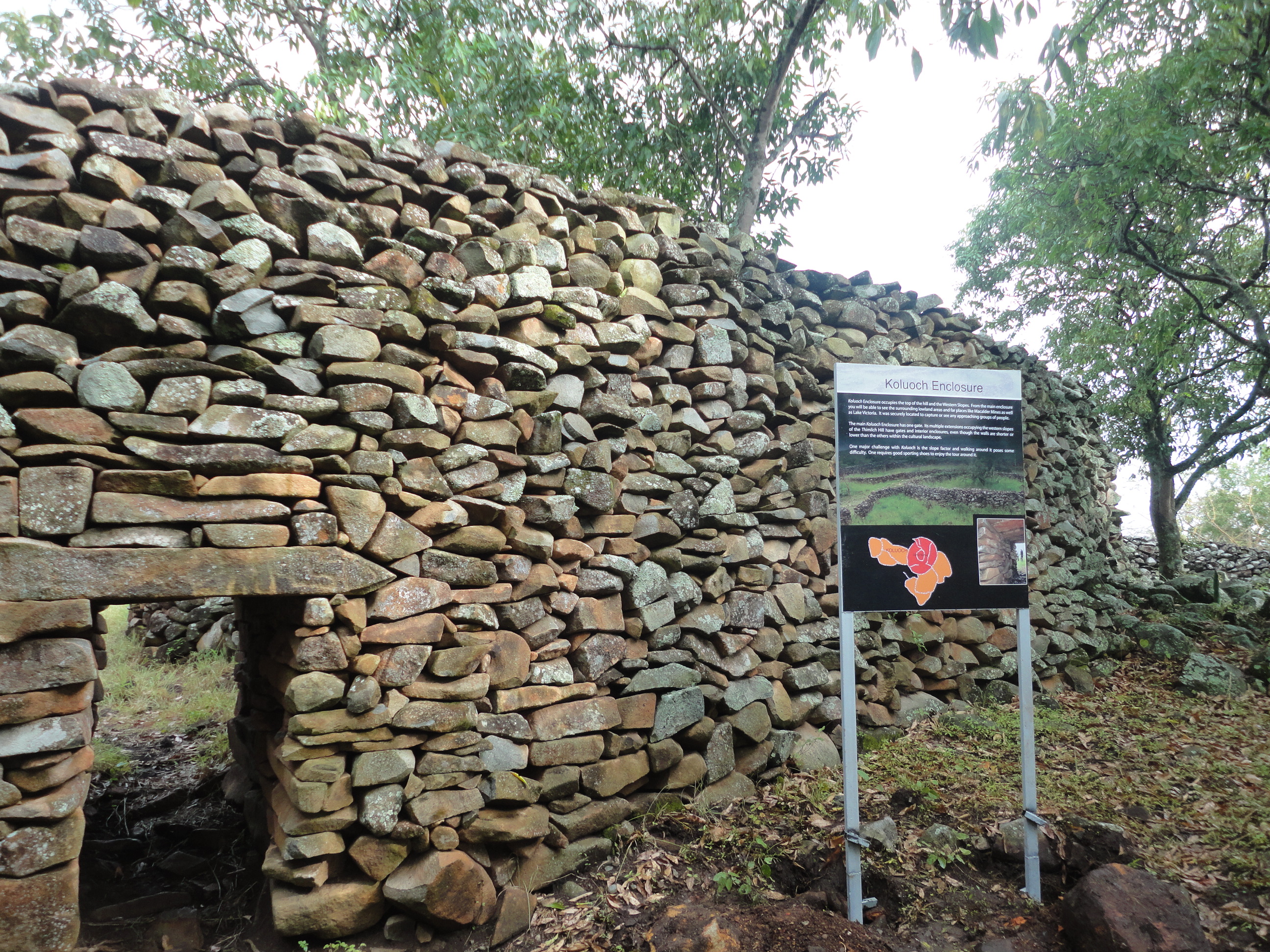
Thimlich Ohinga
Stone-built ruins with interlocking walls
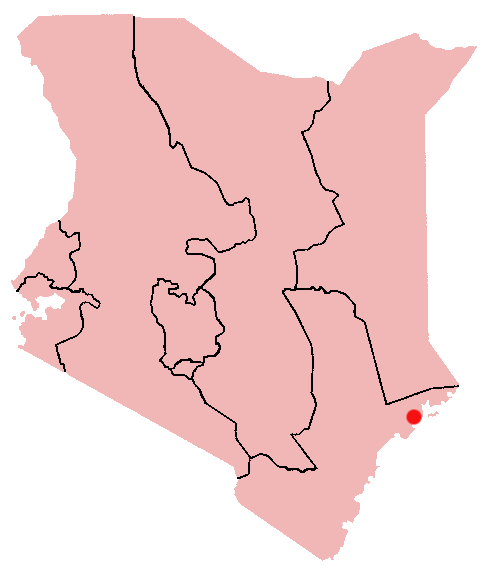
Takwa
Ruins of a small coastal settlement
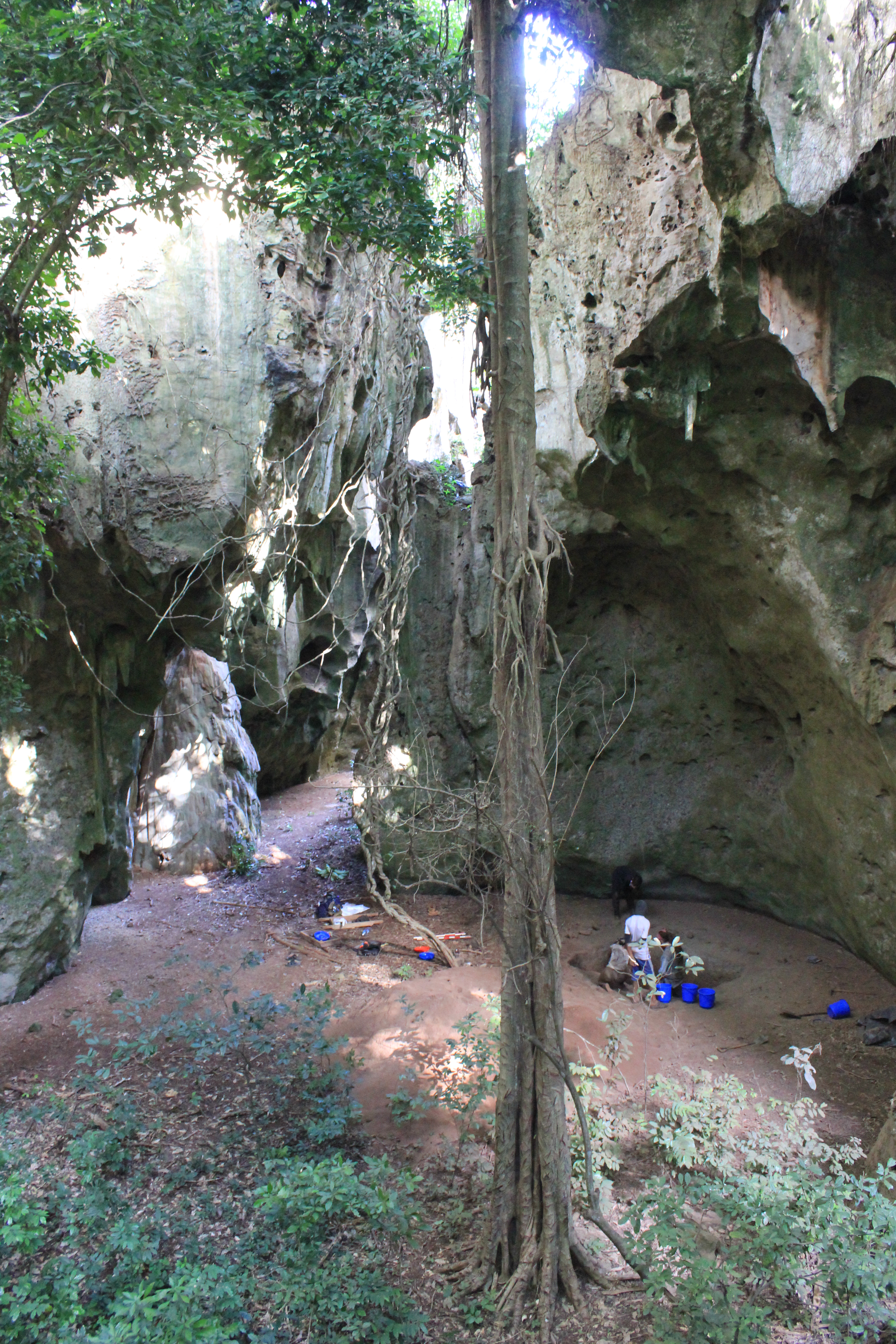
Panga ya Saidi
Kenyan cave with multi-period archaeological deposits

Jumba la Mtwana
14th-century coastal structures and relics site.
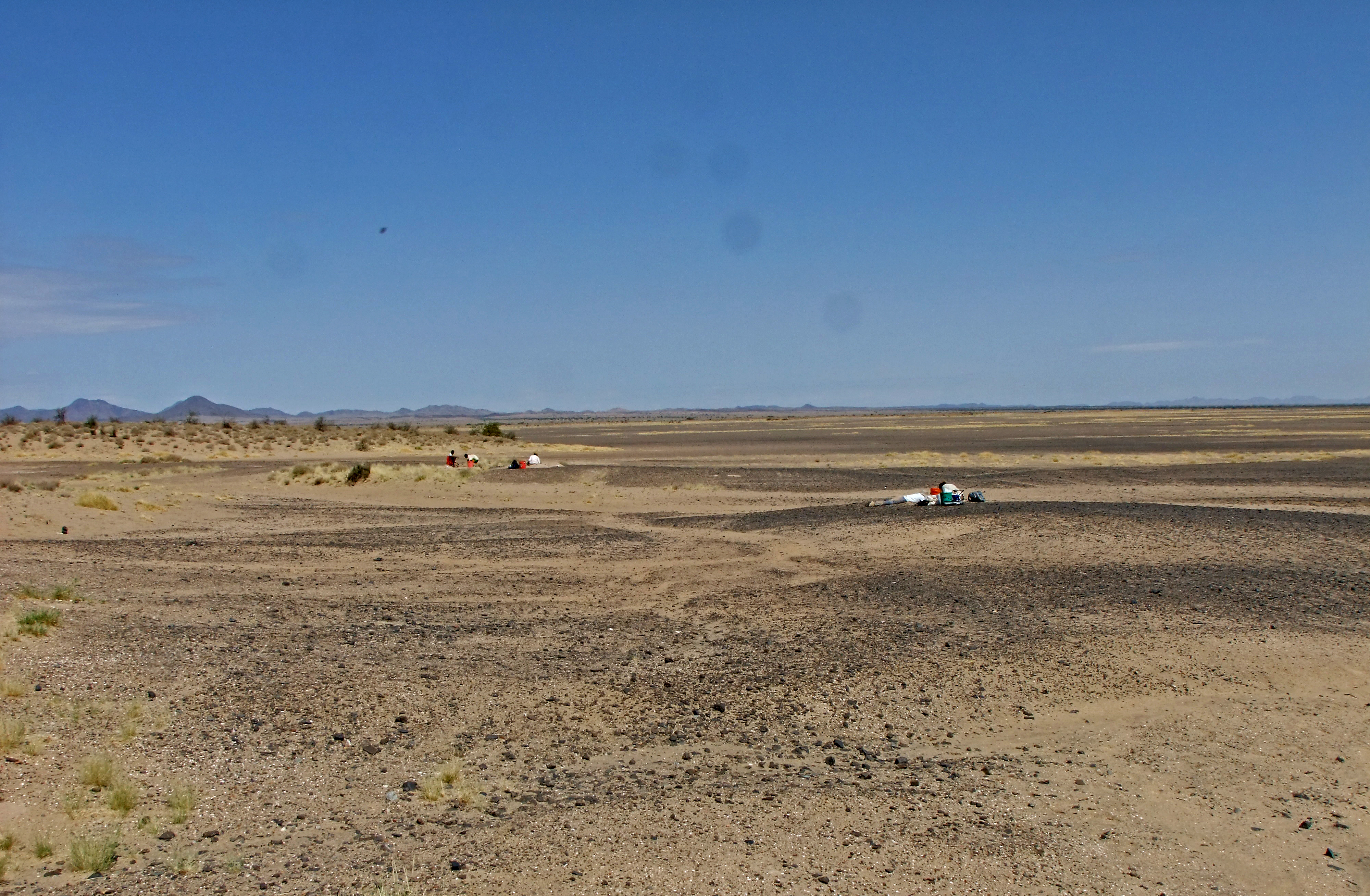
Nataruk
Prehistoric site with evidence of violence