
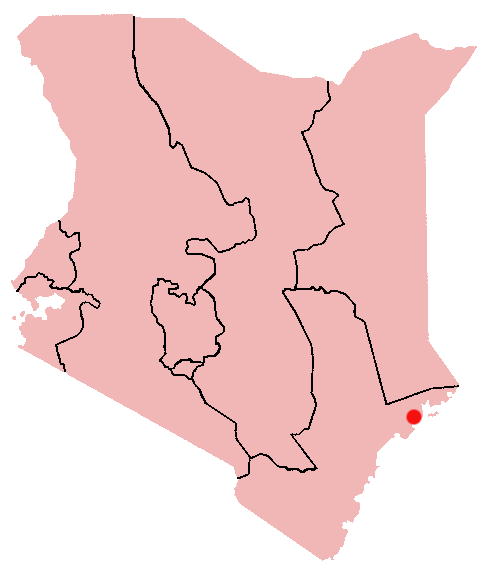
Explore the Map
Takwa
-2.2985° N, 40.9584° E
About
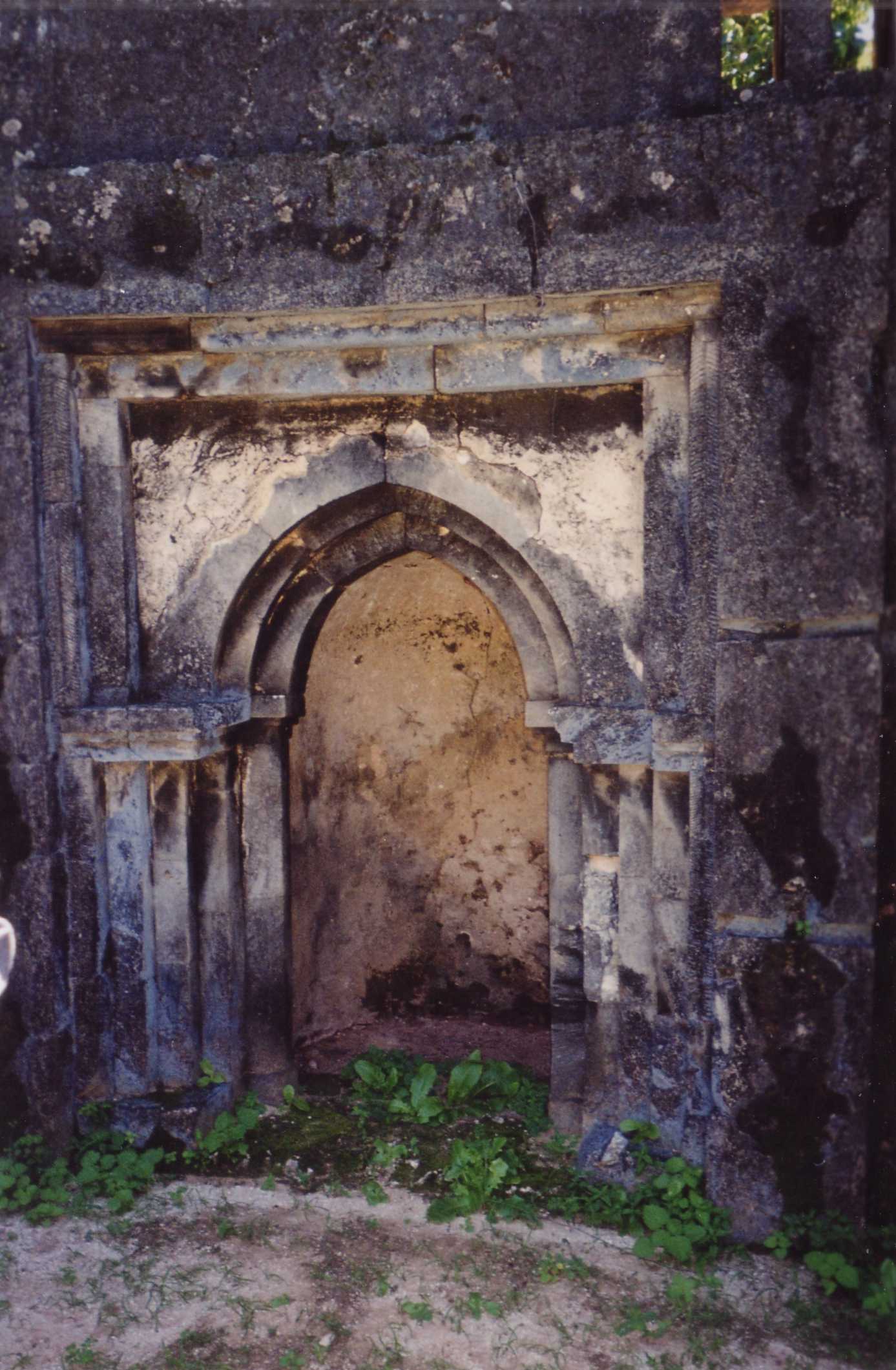
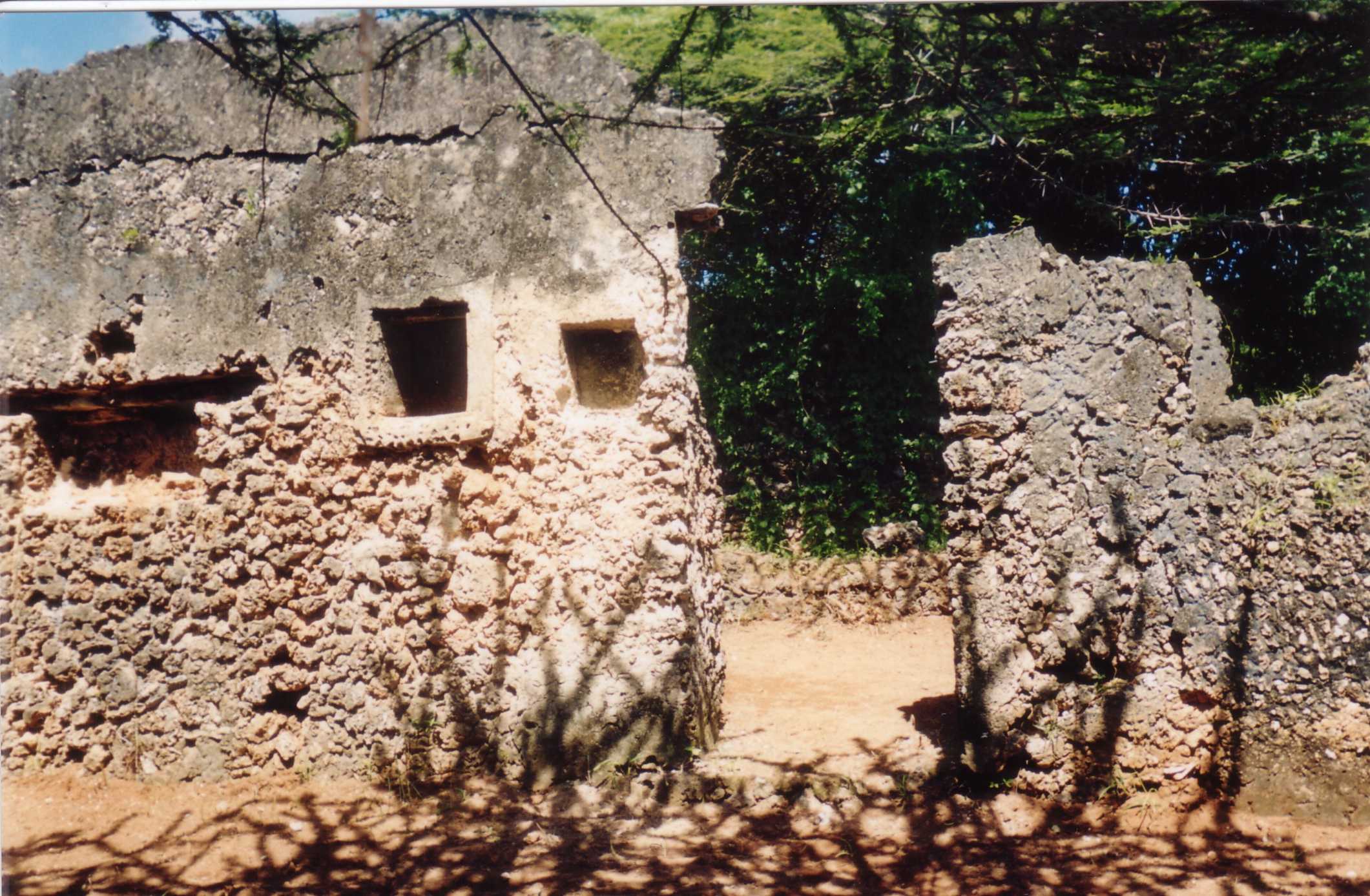
Takwa is an archaeological site located on the south side of Manda Island in Kenya's coastal province. Established around 1500 CE, Takwa was a small settlement likely serving as a retreat for religious individuals. Notable features include a well-preserved Great Mosque and a unique Pillar Tomb inscribed with the date 1681–1682 CE. The site was abandoned around 1700 CE, with inhabitants reportedly relocating to Shela on Lamu Island. The Takwa Ruins, significant for understanding the region's religious and cultural history, were declared a Kenyan National Monument in 1982. The site's architectural remains provide insight into the Swahili culture and its historical context within the Early Modern Period.
Gallery
Explore photographs of ancient structures, artifacts, and archaeological excavations
Historical Timeline
Journey through time and discover key events in this site's history
Takwa settlement founded
1500 CE
Inscription on Pillar Tomb
1681-1682 CE
Takwa settlement abandoned
1700 CE
Archaeological Features
Unique architectural and cultural elements found at this historical site
Burial and Funerary Structures
Religious and Ritual Structures
Domestic and Habitation Structures
Frequently Asked Questions
Plan Your Visit
Tours, travel arrangements, and practical information
More Sites in Kenya
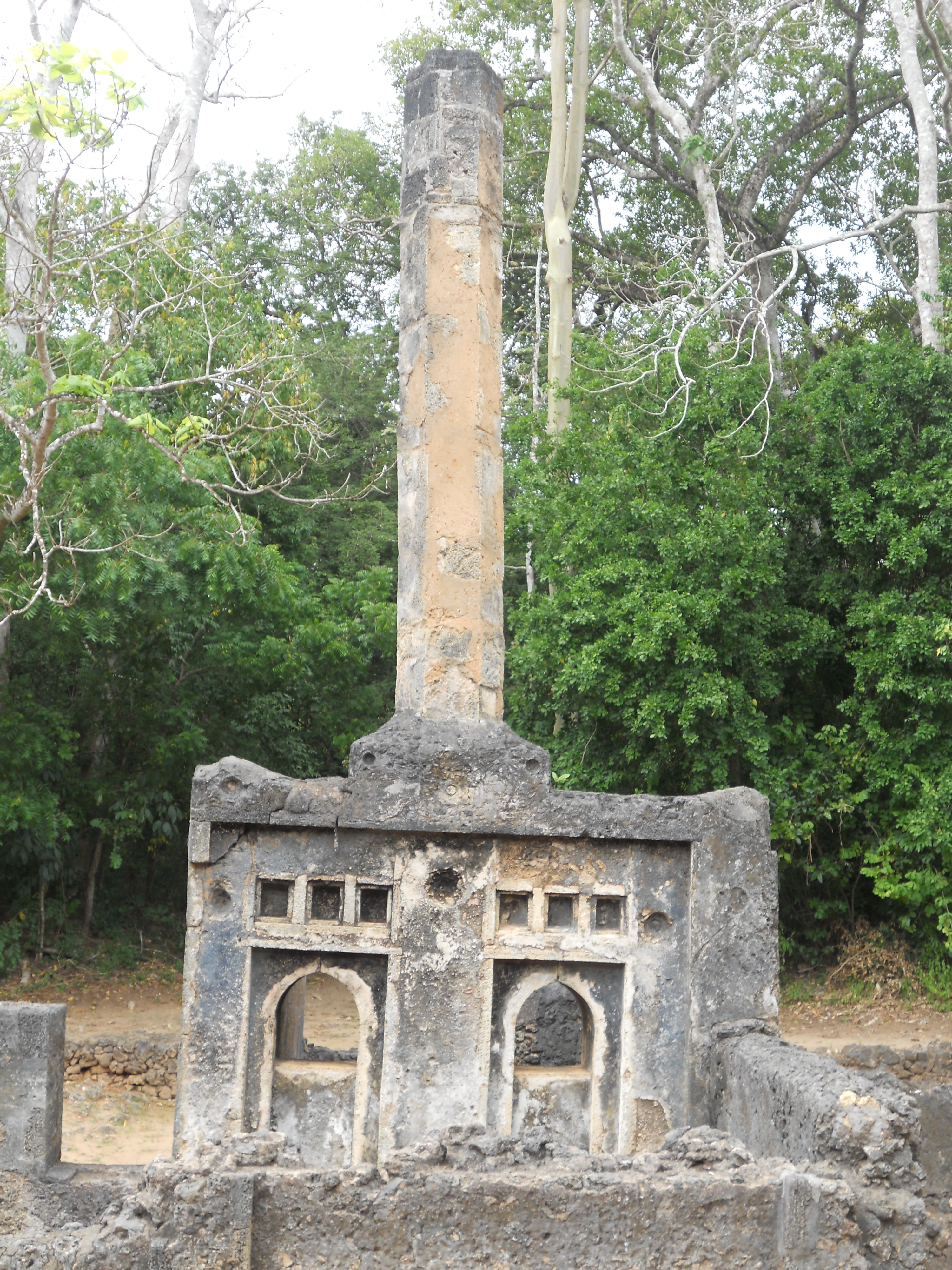
Ruins of Gedi
Medieval Swahili town with stone structures.
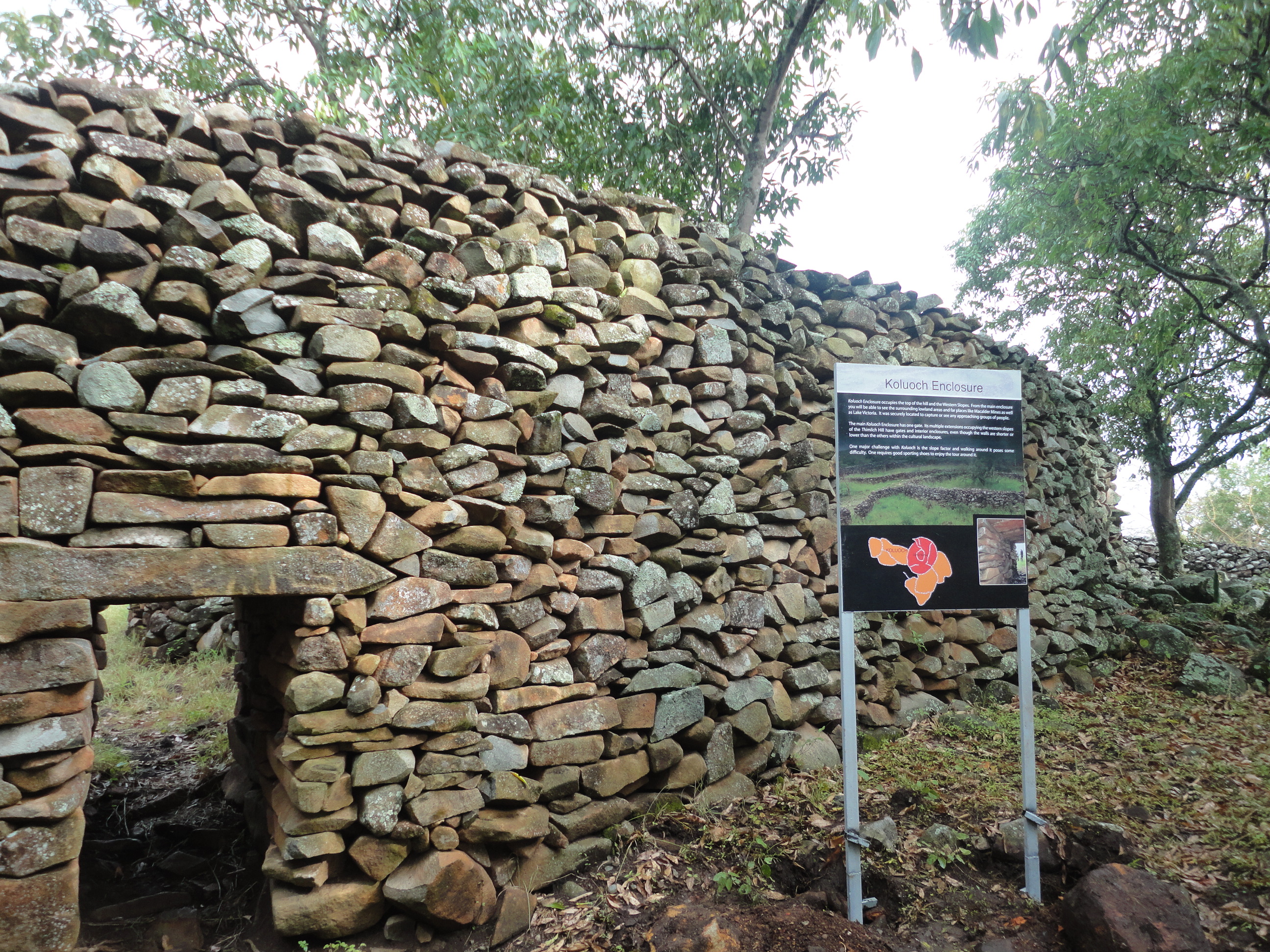
Thimlich Ohinga
Stone-built ruins with interlocking walls

Lamu
Swahili settlement with forts and mosques
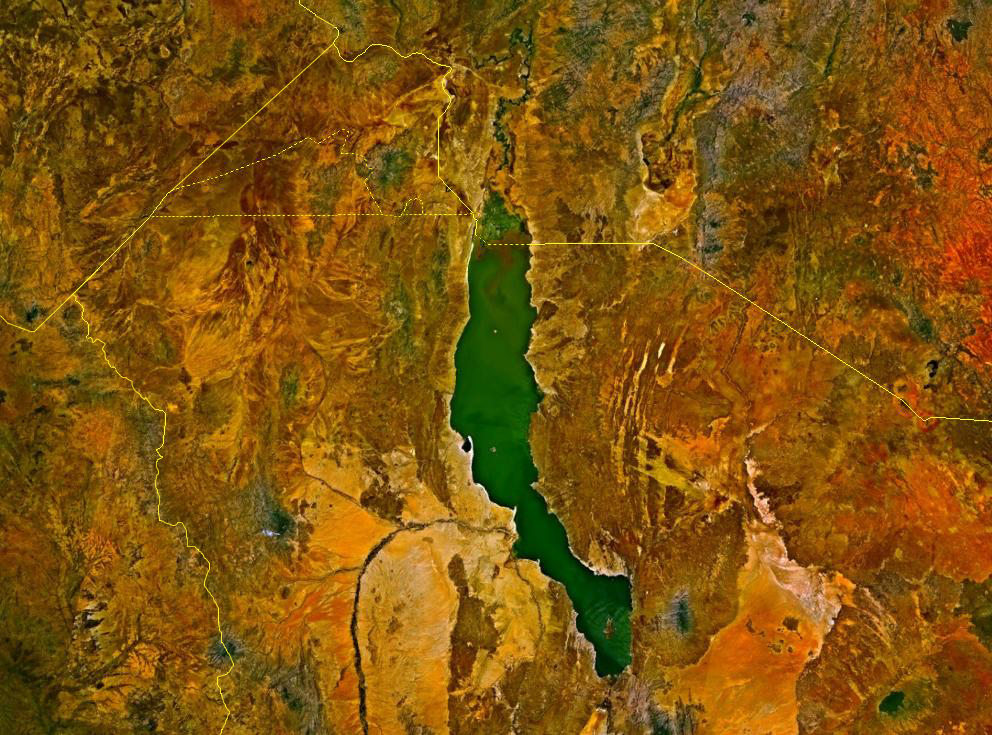
Lomekwi
Stone tool site on Lake Turkana, Kenya
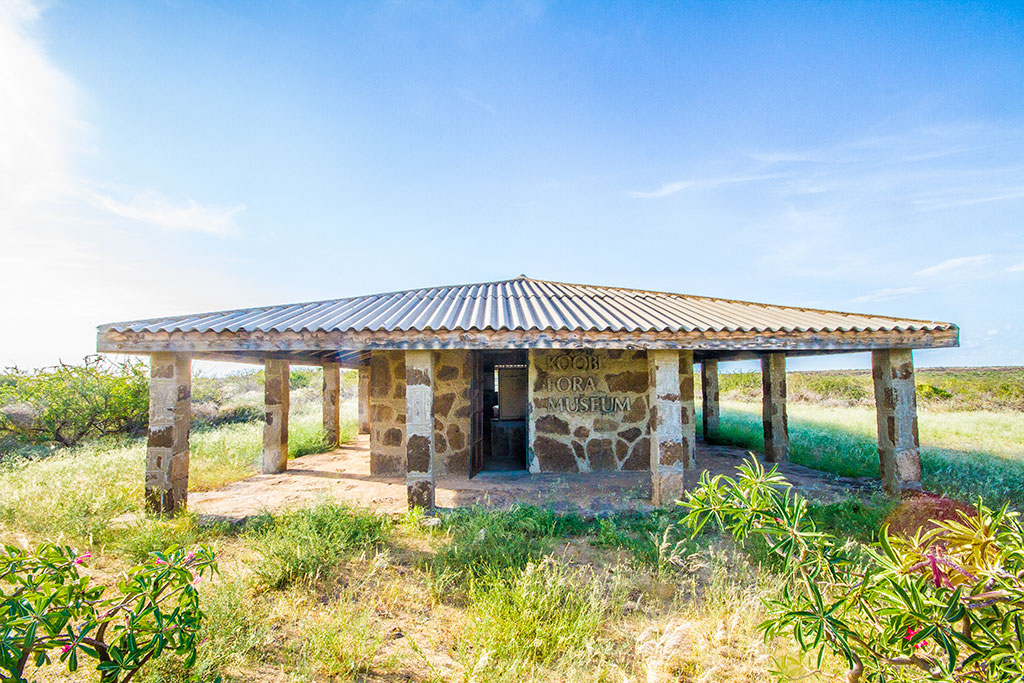
Koobi Fora
Region with early hominin fossils and tools
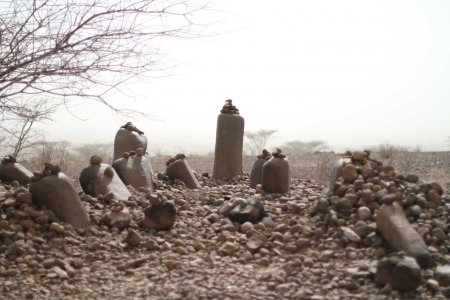
Kalokol Pillar Site
Basalt pillars in circular stone formation