Time Periods
Paleolithic
Mesolithic
Neolithic
Chalcolithic
Bronze Age
Iron Age
Classical Period
Post-Classical Period
Early Modern Period
Industrial Period
Contemporary Period
Time Periods
Paleolithic
Mesolithic
Neolithic
Chalcolithic
Bronze Age
Iron Age
Classical Period
Post-Classical Period
Early Modern Period
Industrial Period
Contemporary Period
Location
About
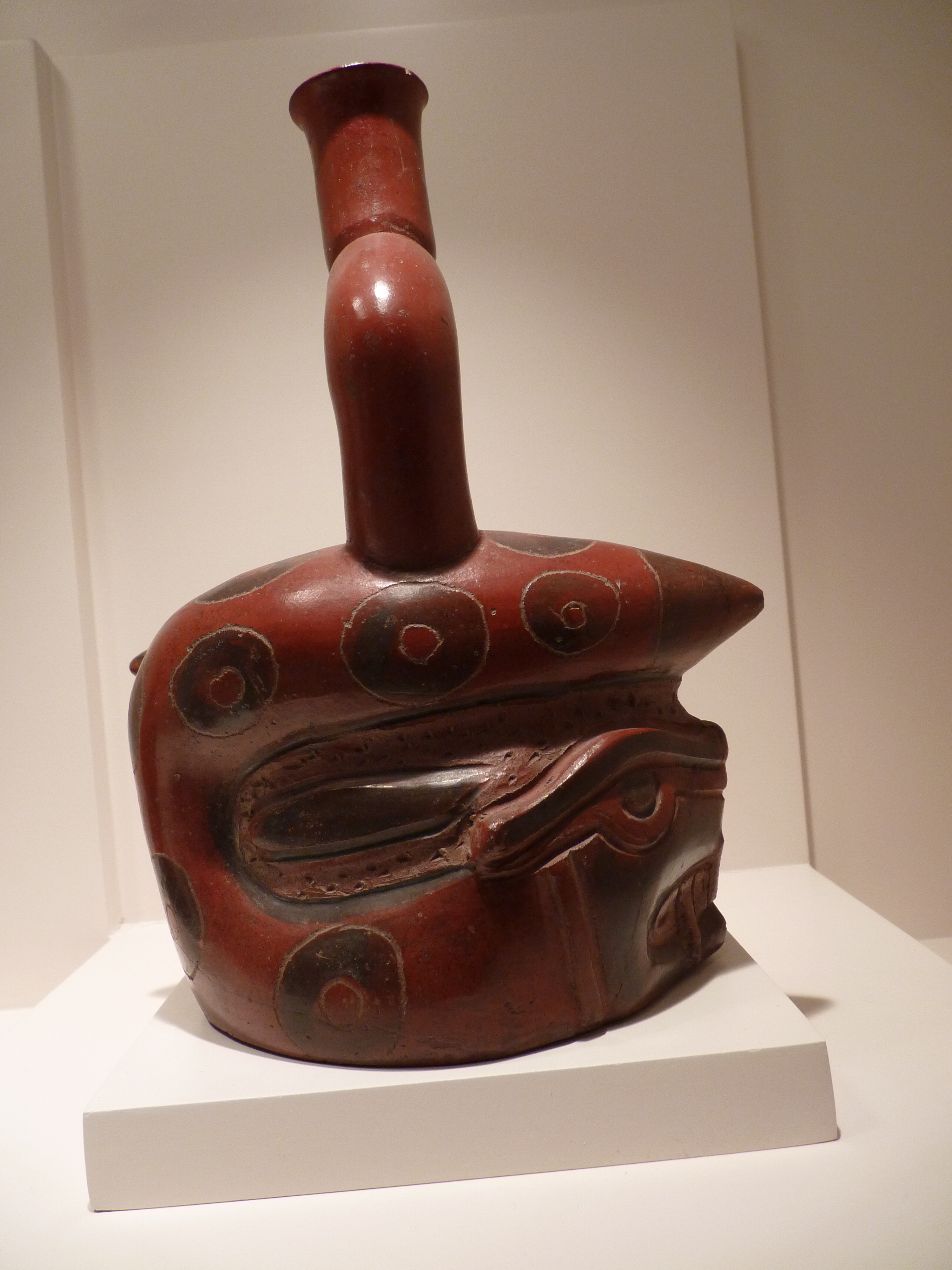
Caballo Muerto is a significant archaeological complex located in the Moche Valley of northern Peru. Occupied from 1500 BCE to 400 BCE, it is associated with the Late Bronze Age and Early Iron Age periods. The site features a series of artificial mounds and ceremonial platforms, most notably the Huaca de los Reyes, which exhibits a characteristic U-shaped layout typical of Cupisnique culture architecture. Notable for its intricate reliefs depicting animals such as snakes and felines, the site also showcases early forms of irrigation canals, reflecting the inhabitants' adaptation to the arid environment. The Cupisnique culture, prominent during this period, laid foundations for the later Moche civilization, highlighting the site's significance in the cultural and historical narrative of pre-Columbian Peru.
Gallery
Explore photographs of ancient structures, artifacts, and archaeological excavations at Caballo Muerto
Archaeological Features
Explore the unique architectural and cultural elements found at this historical site
Water Management Features
Religious and Ritual Structures
Artistic and Decorative Features
Environmental and Natural Features
Historical Timeline
Journey through time and discover key events in this site's archaeological history
Plan Your Visit
Details
- Country
- La Libertad Region
- Source
- Wikipedia
More Sites in La Libertad Region
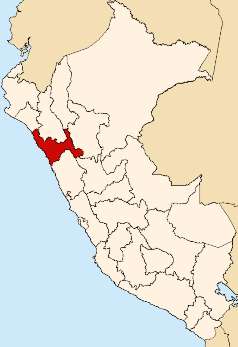
Pirca Pirca, La Libertad
Hilltop site with ceremonial and strategic structures
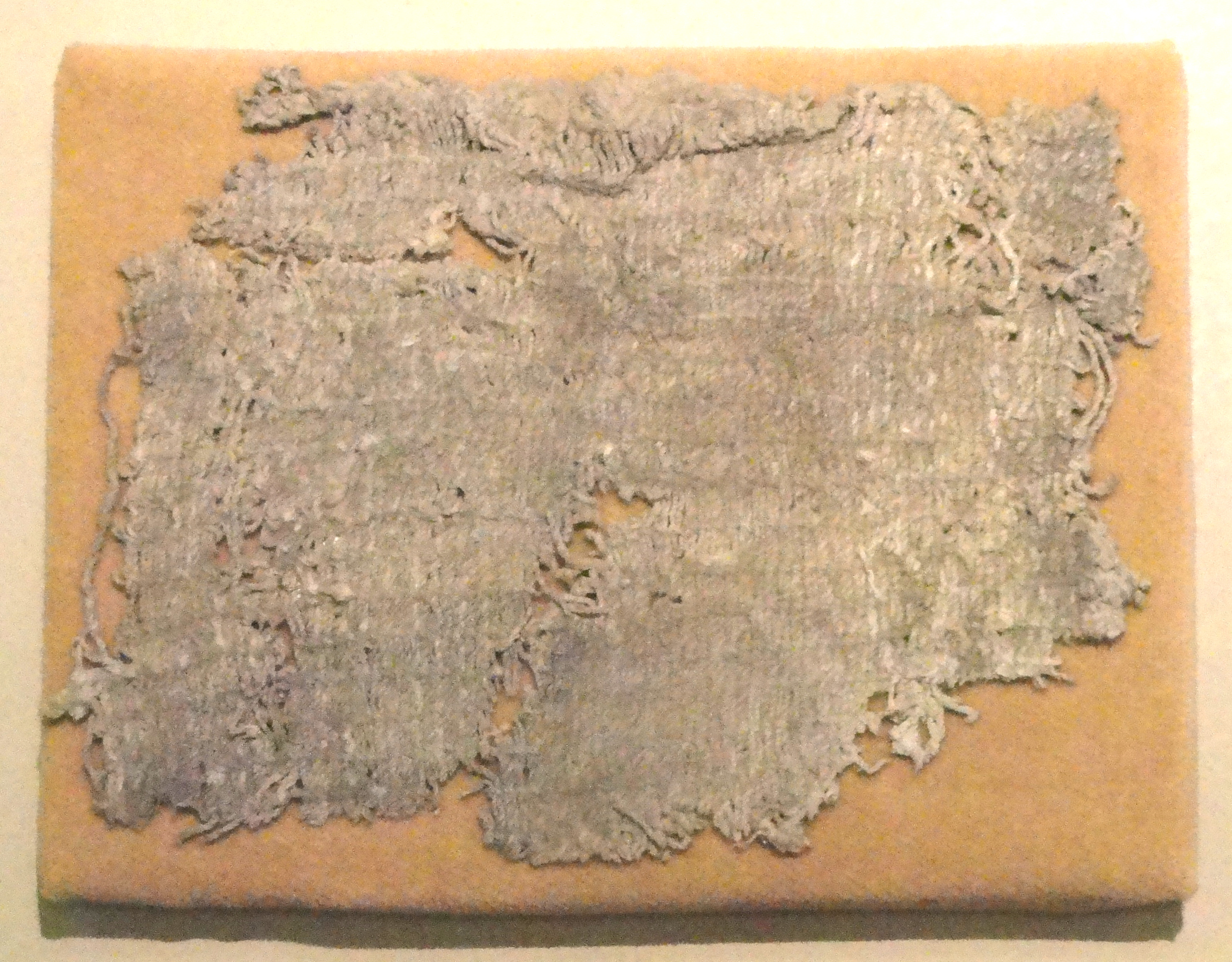
Huaca Prieta
Prehistoric coastal settlement with ceremonial mound
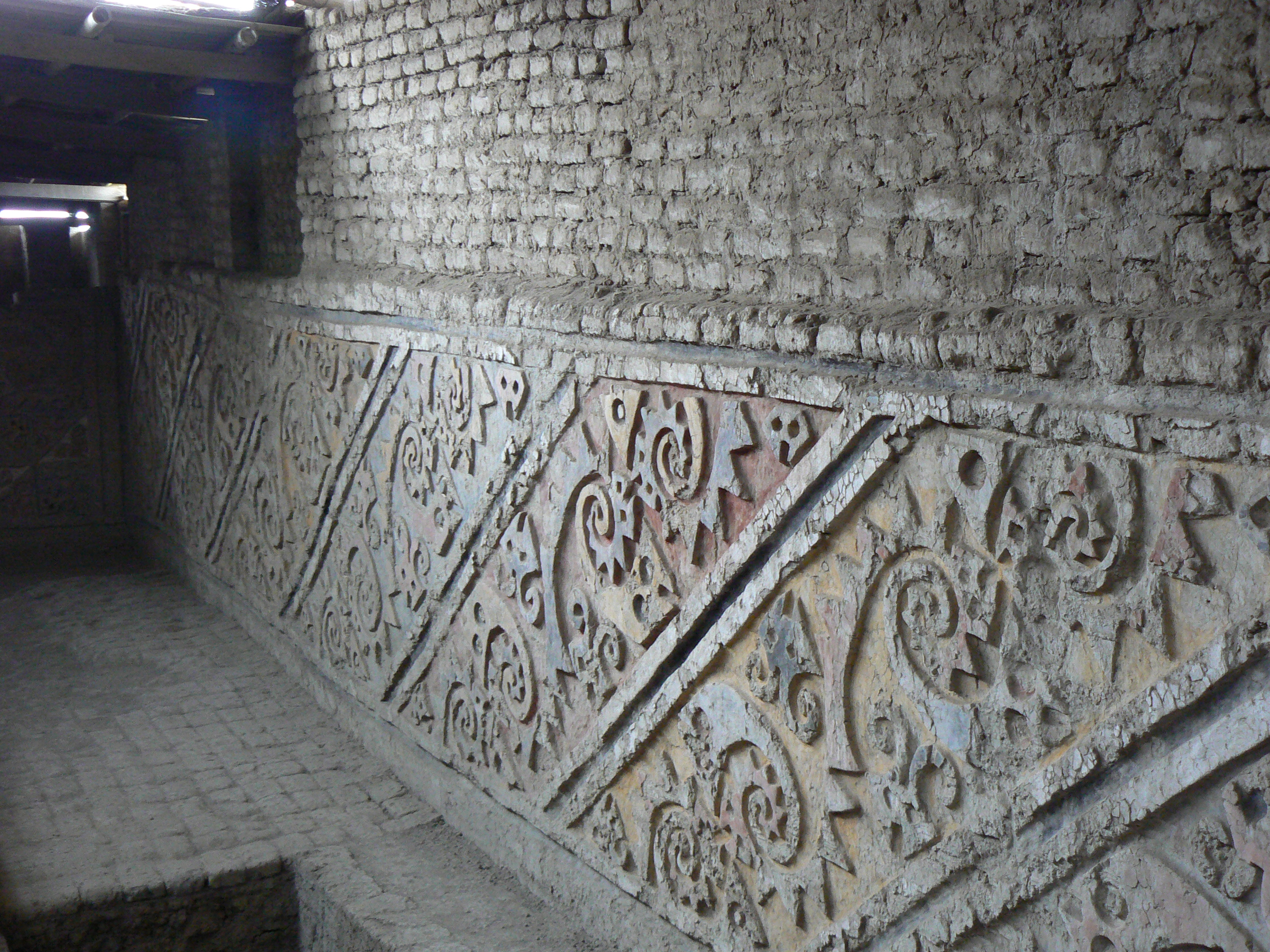
El Brujo
Ancient ceremonial complex with Moche pyramids.
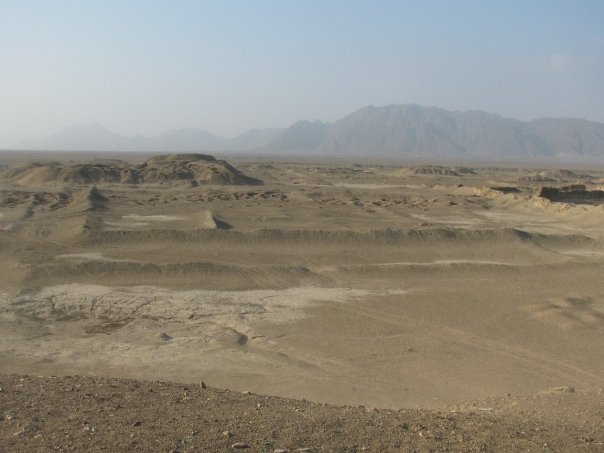
Pacatnamu
Ancient ceremonial center with defensive walls.
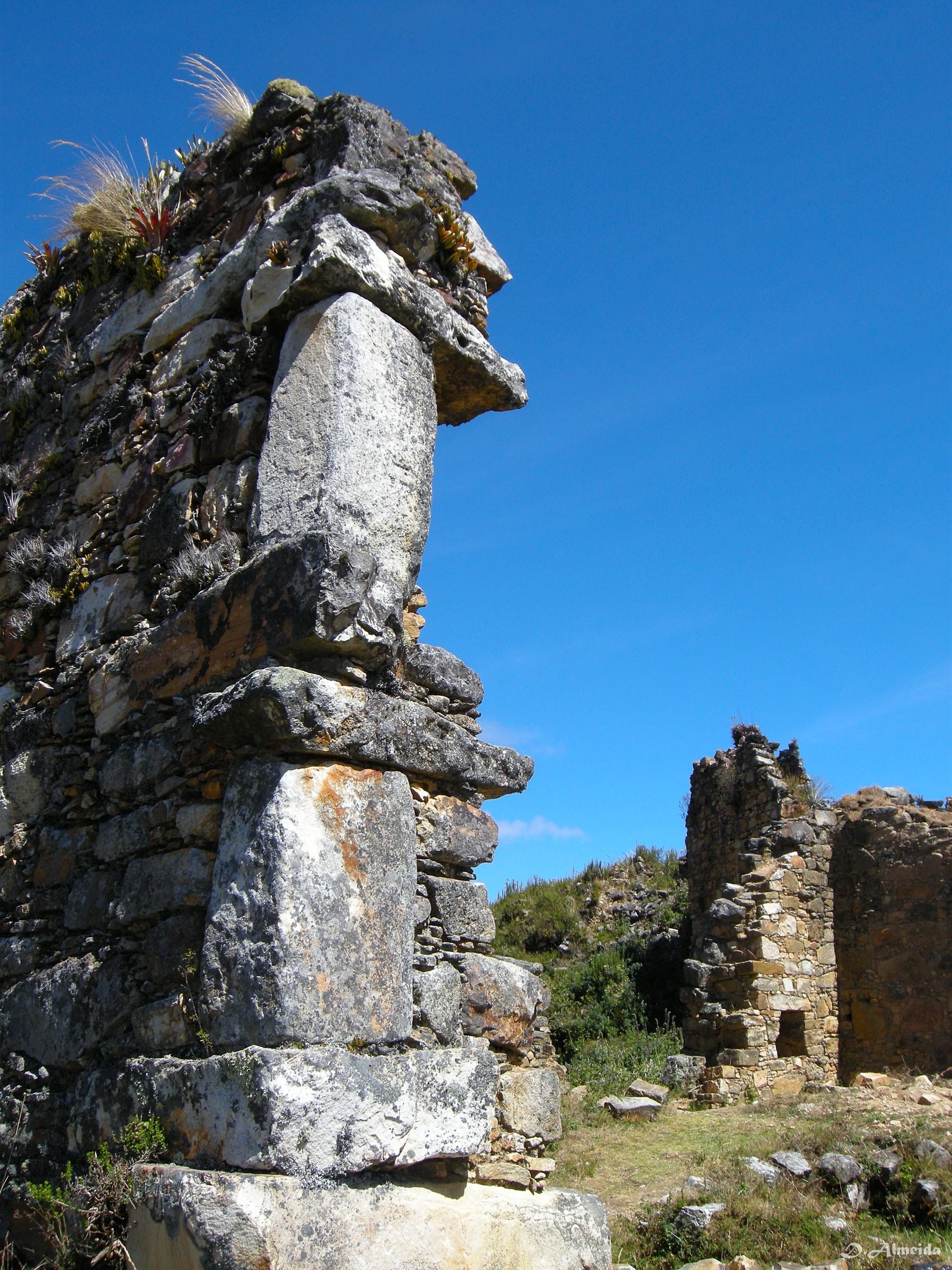
Marcahuamachuco
Pre-Incan ruins with defensive stone walls.
Gran Pajatén
Explore this archaeological site.