Time Periods
Paleolithic
Mesolithic
Neolithic
Chalcolithic
Bronze Age
Iron Age
Classical Period
Post-Classical Period
Early Modern Period
Industrial Period
Contemporary Period
Time Periods
Paleolithic
Mesolithic
Neolithic
Chalcolithic
Bronze Age
Iron Age
Classical Period
Post-Classical Period
Early Modern Period
Industrial Period
Contemporary Period
Location
About
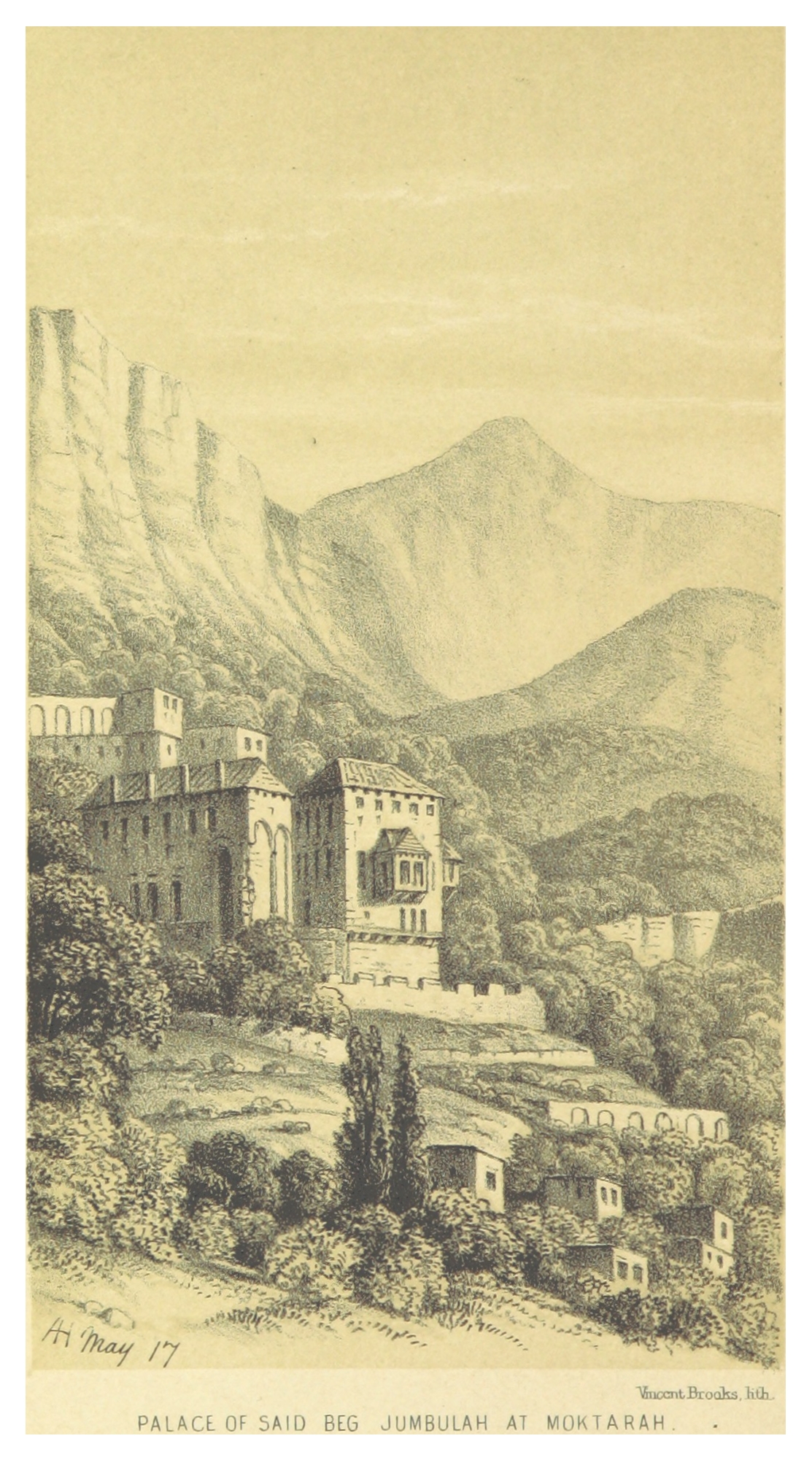
Moukhtara is an archaeological site in the Chouf District of Mount Lebanon, notable for its Neolithic artifacts. Excavations led by Jacques Cauvin in 1963 revealed a substantial collection of flint tools, including daggers, arrowheads, sickles, and axes. These findings suggest the site's occupation during the Neolithic period, with some evidence pointing to a phase predating the Pottery Neolithic of Byblos. The presence of Heavy Neolithic tools, as noted by James Mellaart, supports the theory of an earlier habitation. Moukhtara's archaeological significance lies in its contribution to understanding early human tool-making and habitation patterns in the region, offering insights into the technological advancements and lifestyle of Neolithic communities in Lebanon.
Gallery
Explore photographs of ancient structures, artifacts, and archaeological excavations at Moukhtara
Archaeological Features
Explore the unique architectural and cultural elements found at this historical site
Miscellaneous Features
Historical Timeline
Journey through time and discover key events in this site's archaeological history
Plan Your Visit
Details
- Country
- Lebanon
- Source
- Wikipedia
More Sites in Lebanon

Riyaq
Shepherd Neolithic flint tool site
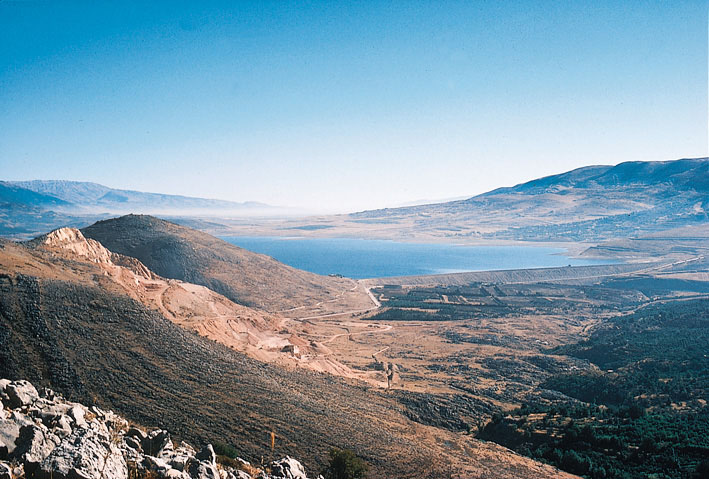
Qaraoun
Heavy Neolithic flint tool site
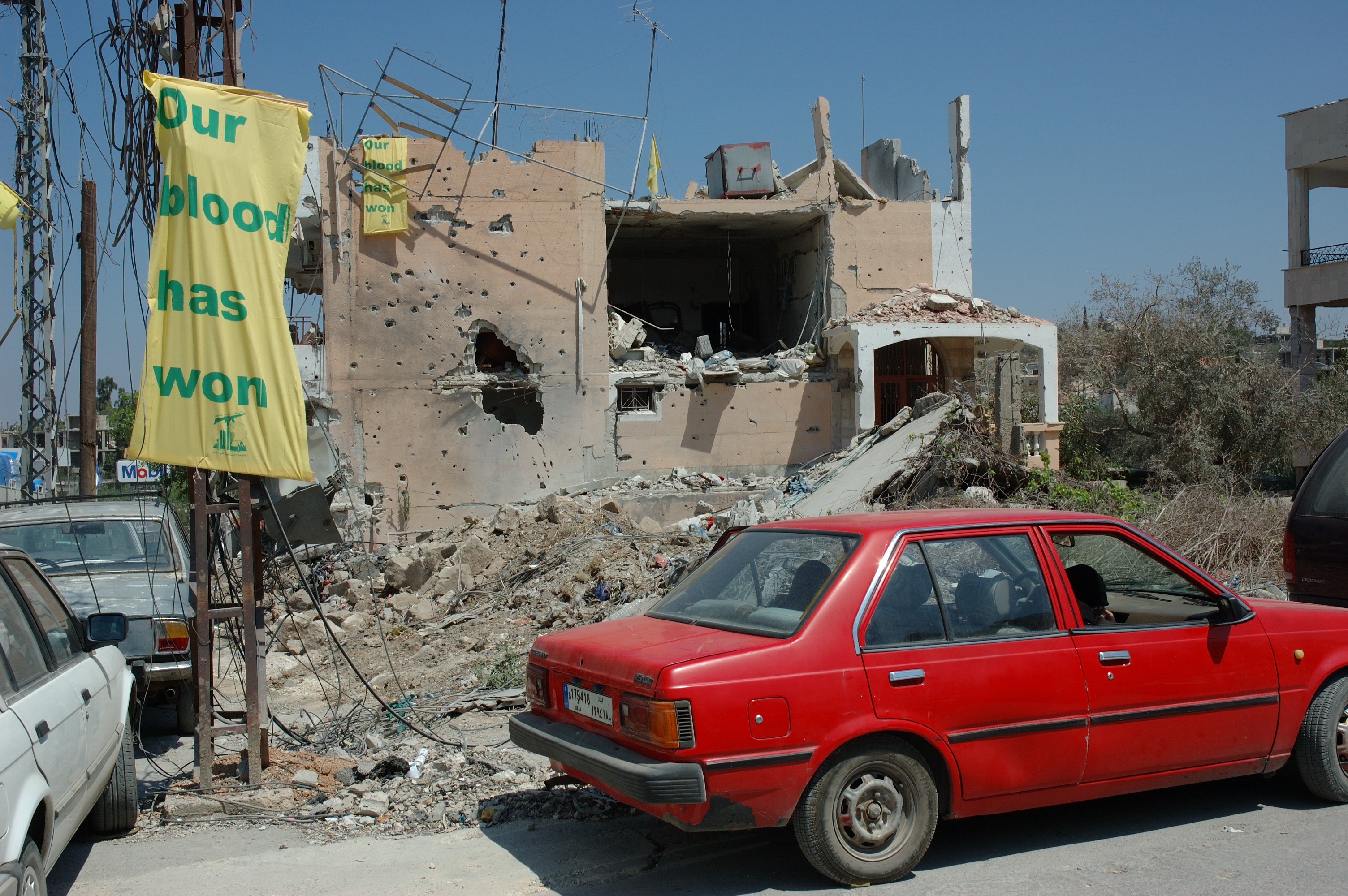
Taybeh (Marjaayoun)
Heavy Neolithic site with ancient mosque ruins.
Sawiri, Lebanon
Neolithic to Bronze Age archaeological site.
Aaiha
Village with Roman temple ruins and lake.
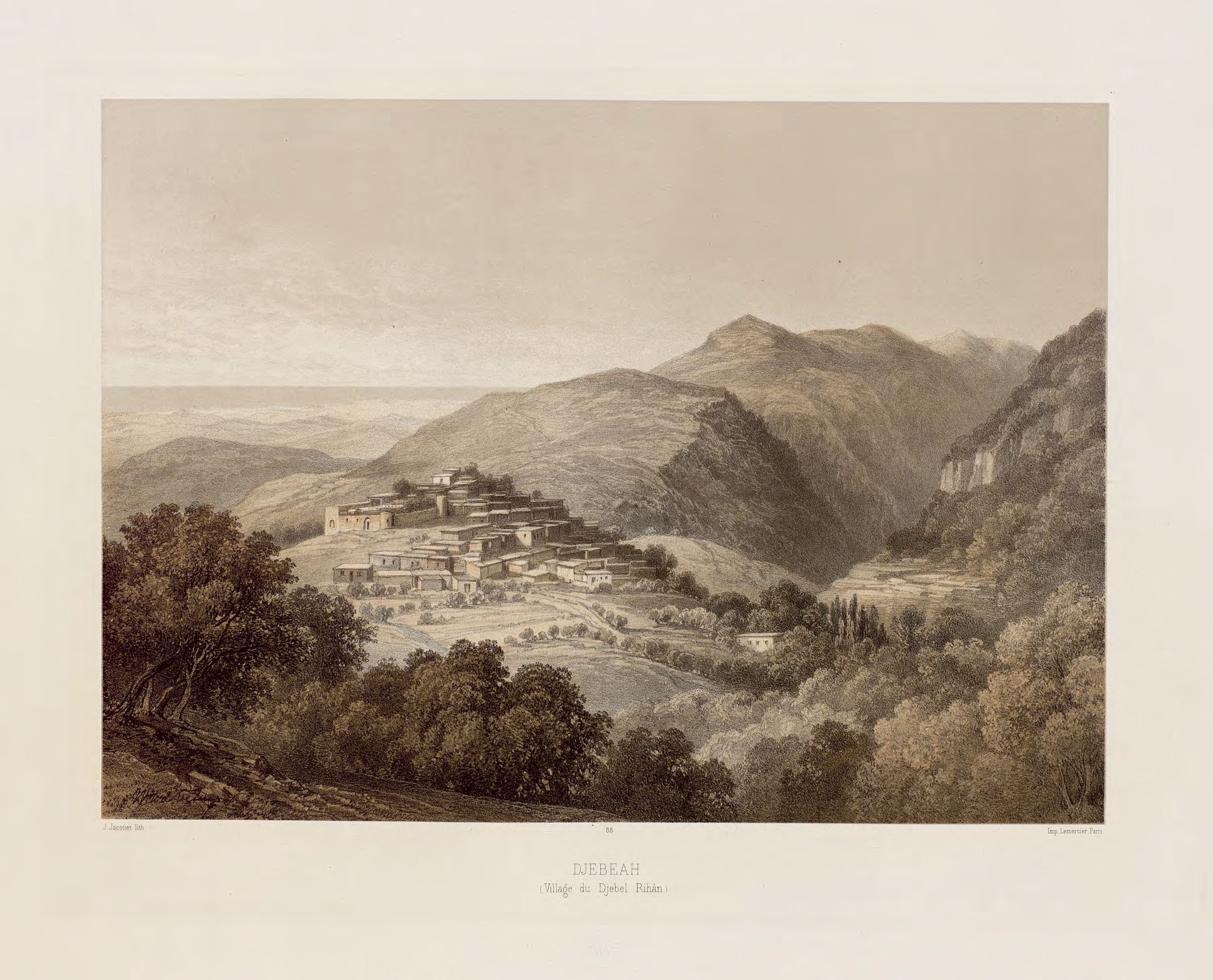
Jbaa
Neolithic to contemporary Lebanese archaeological site