Time Periods
Paleolithic
Mesolithic
Neolithic
Chalcolithic
Bronze Age
Iron Age
Classical Period
Post-Classical Period
Early Modern Period
Industrial Period
Contemporary Period
Time Periods
Paleolithic
Mesolithic
Neolithic
Chalcolithic
Bronze Age
Iron Age
Classical Period
Post-Classical Period
Early Modern Period
Industrial Period
Contemporary Period
Location
About
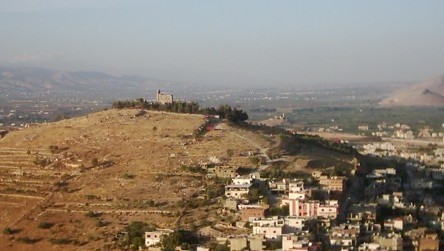
Qaa, located in the Baalbek-Hermel Governorate of Lebanon, is an archaeological site notable for its association with the Shepherd Neolithic industry. Discovered by M. Billaux and documented by Henri Fleisch in 1966, the site is characterized by a unique assemblage of flint tools. These tools are small, thick, and include transverse racloirs, borers, and notched blades, differing from typical Upper Paleolithic or pottery Neolithic forms. The Shepherd Neolithic industry is tentatively dated to the Epipaleolithic period, suggesting a cultural phase used by nomadic shepherds. Despite its archaeological significance, this industry has remained understudied, mainly due to the Lebanese Civil War. The site’s location and its artifacts provide critical insights into the transitional phases of prehistoric tool-making and lifestyle adaptations in the region.
Gallery
Explore photographs of ancient structures, artifacts, and archaeological excavations at Qaa
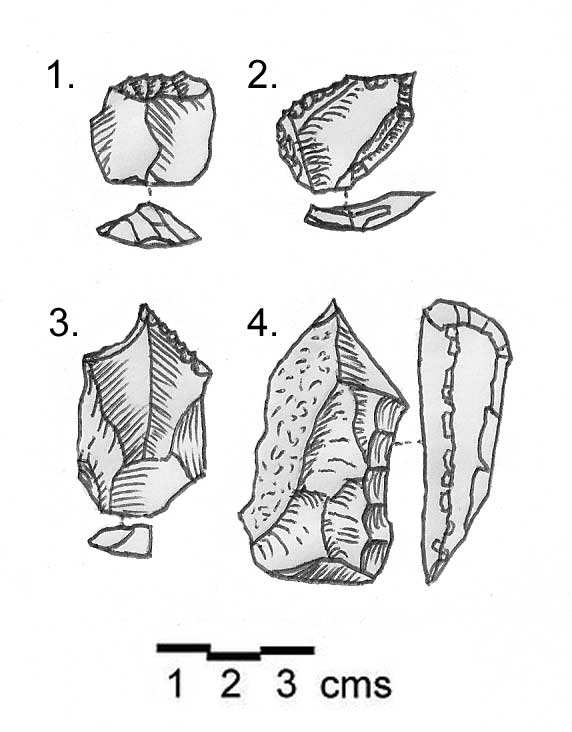
Archaeological Features
Explore the unique architectural and cultural elements found at this historical site
Miscellaneous Features
Plan Your Visit
Details
- Country
- Lebanon
- Source
- Wikipedia
More Sites in Lebanon
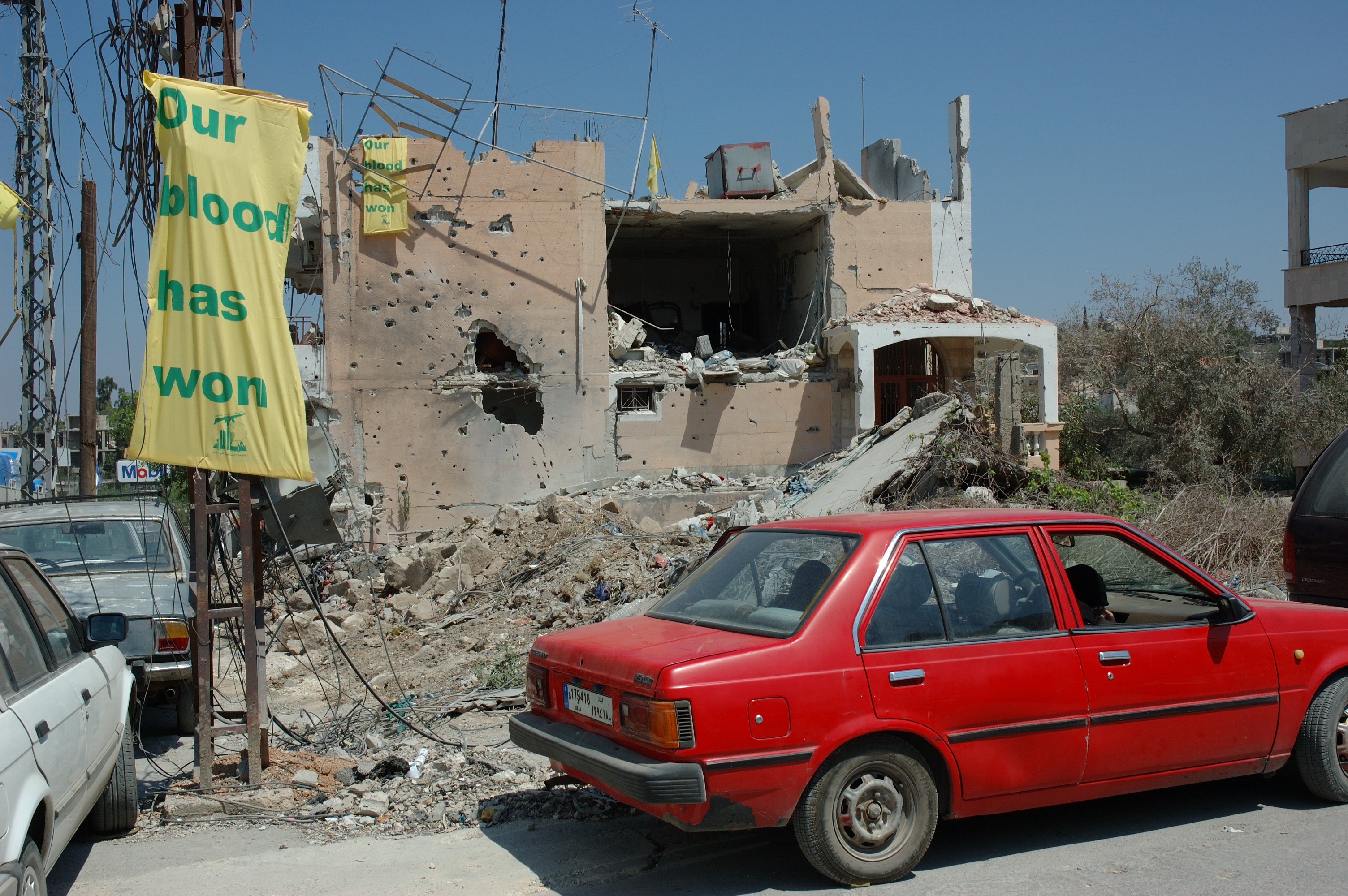
Taybeh (Marjaayoun)
Heavy Neolithic site with ancient mosque ruins.
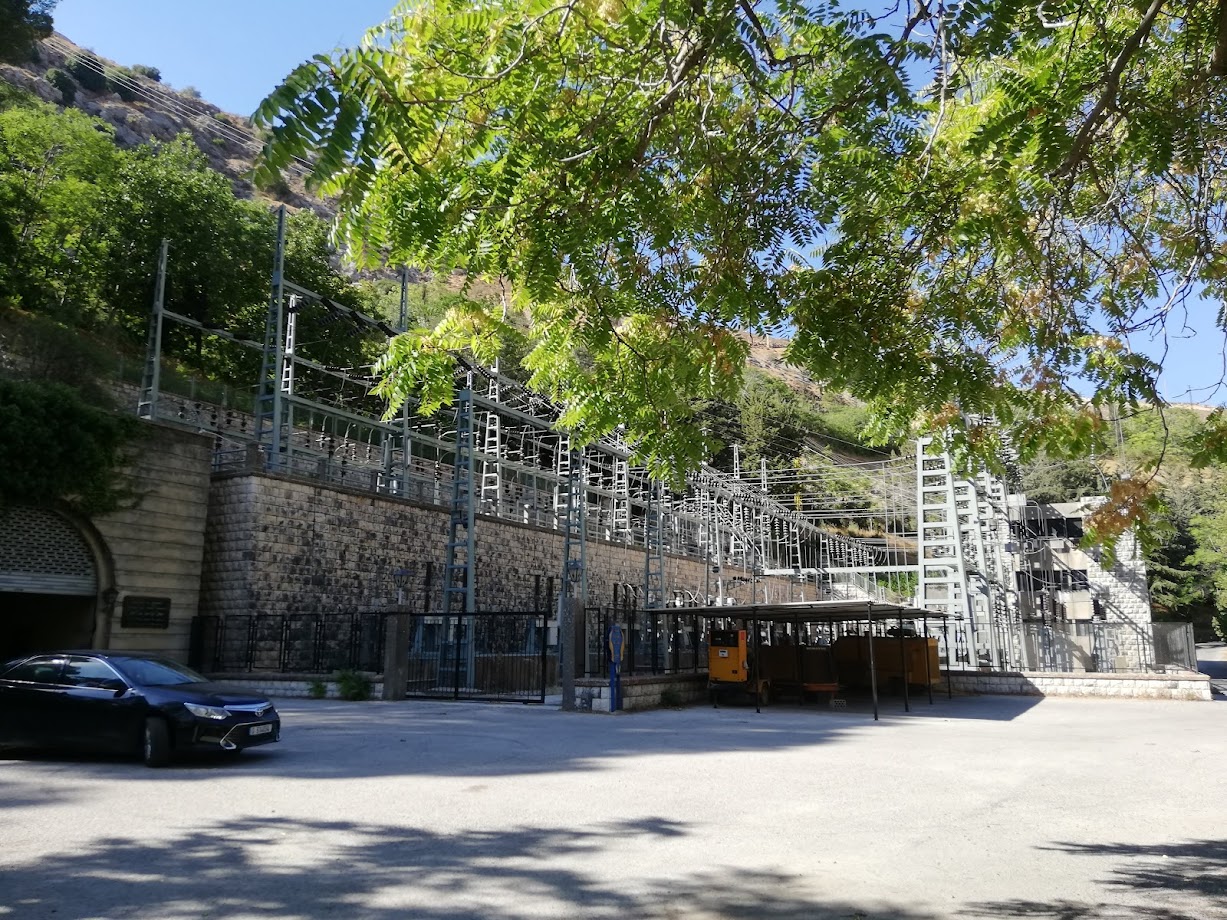
Lake Qaraoun
Artificial reservoir in Beqaa Valley, Lebanon.
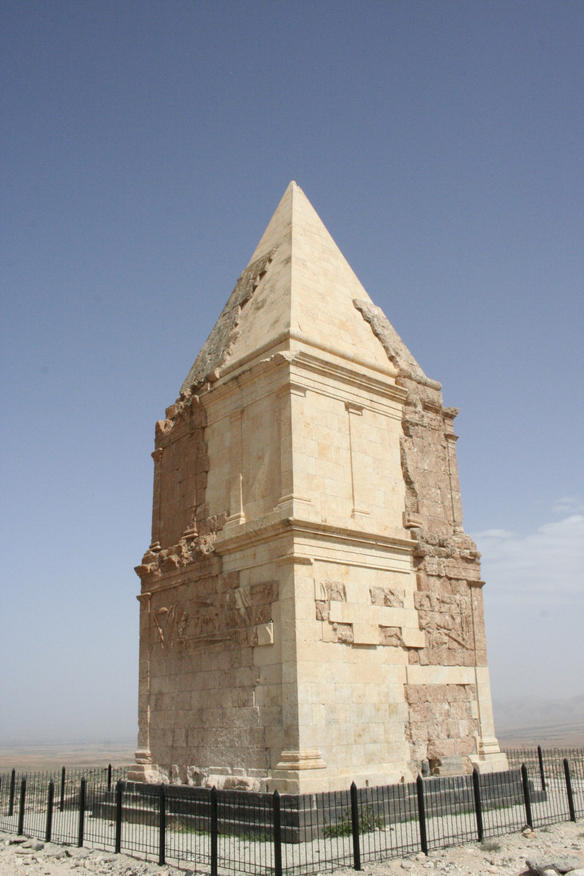
Hermel
Neolithic and Bronze Age dolmens and tumuli
Tell Zenoub
Heavy Neolithic site with flint tools

Sarepta
Phoenician city with diverse archaeological finds
Majdal Anjar
Archaeological site with temple and fortress.