Time Periods
Paleolithic
Mesolithic
Neolithic
Chalcolithic
Bronze Age
Iron Age
Classical Period
Post-Classical Period
Early Modern Period
Industrial Period
Contemporary Period
Time Periods
Paleolithic
Mesolithic
Neolithic
Chalcolithic
Bronze Age
Iron Age
Classical Period
Post-Classical Period
Early Modern Period
Industrial Period
Contemporary Period
Location
About
Tell Zenoub is an archaeological site located in the Beqaa Valley of Lebanon, notable for its association with the Qaraoun culture. The site is characterized by its collection of Heavy Neolithic flint tools, which were discovered in fields south of the tell. These artifacts suggest that the site was occupied during the Neolithic period, specifically between 8000 BCE and 3000 BCE. The presence of these tools indicates that Tell Zenoub was an important location for prehistoric human activity, likely involving tool production and possibly habitation. The site's significance lies in its contribution to understanding the development of early human societies in the Levant region, providing insights into the technological advancements of the Neolithic era.
Archaeological Features
Explore the unique architectural and cultural elements found at this historical site
Environmental and Natural Features
Historical Timeline
Journey through time and discover key events in this site's archaeological history
Plan Your Visit
Details
- Country
- Lebanon
- Source
- Wikipedia
More Sites in Lebanon
Tell Mekhada
Neolithic site in Beqaa Governorate.
Jeita Grotto
Interconnected karstic limestone caves in Lebanon
Haret ech Cheikh
Wooded hilltop with sandstone outcrops.
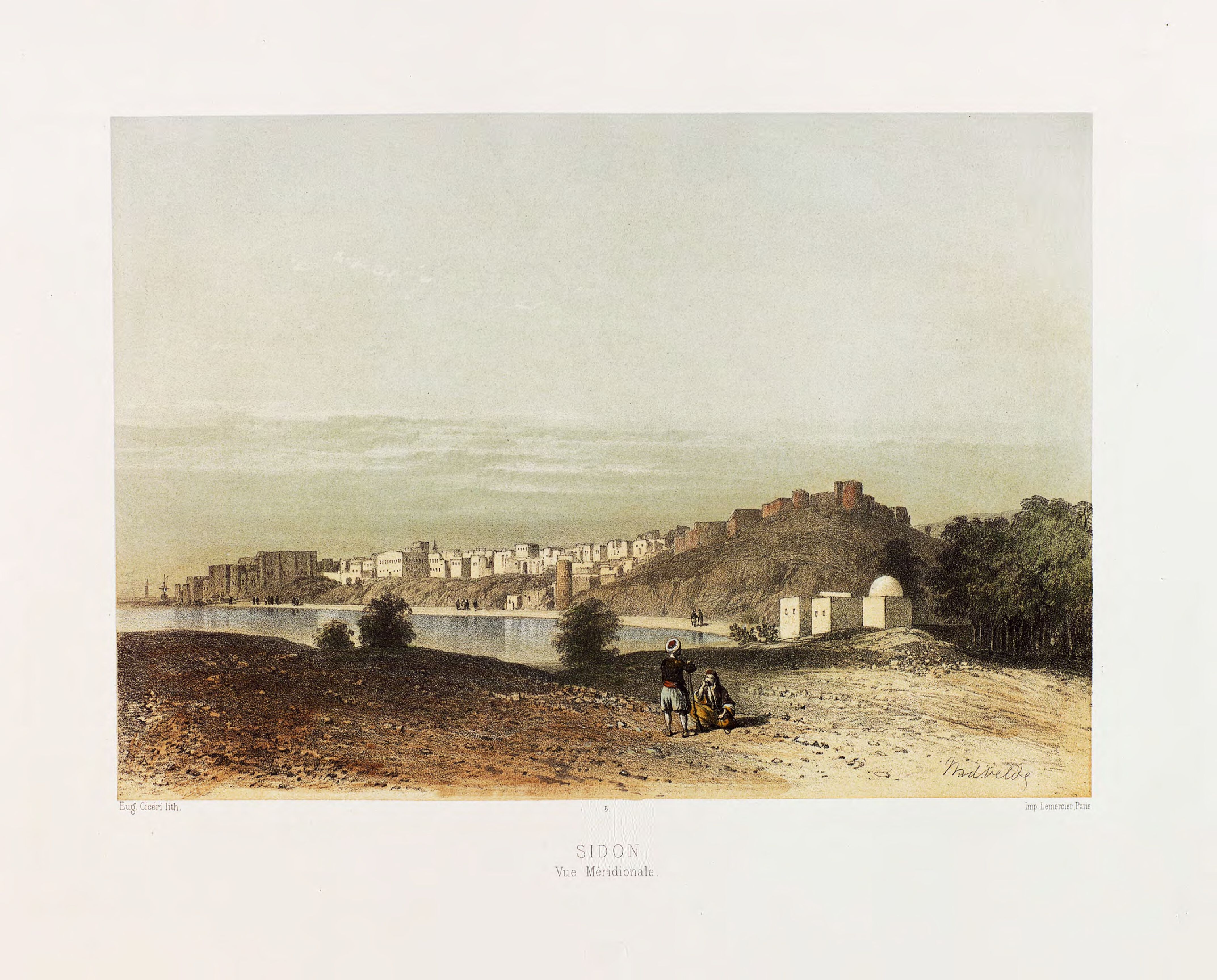
Sidon
Ancient Phoenician city with rich history
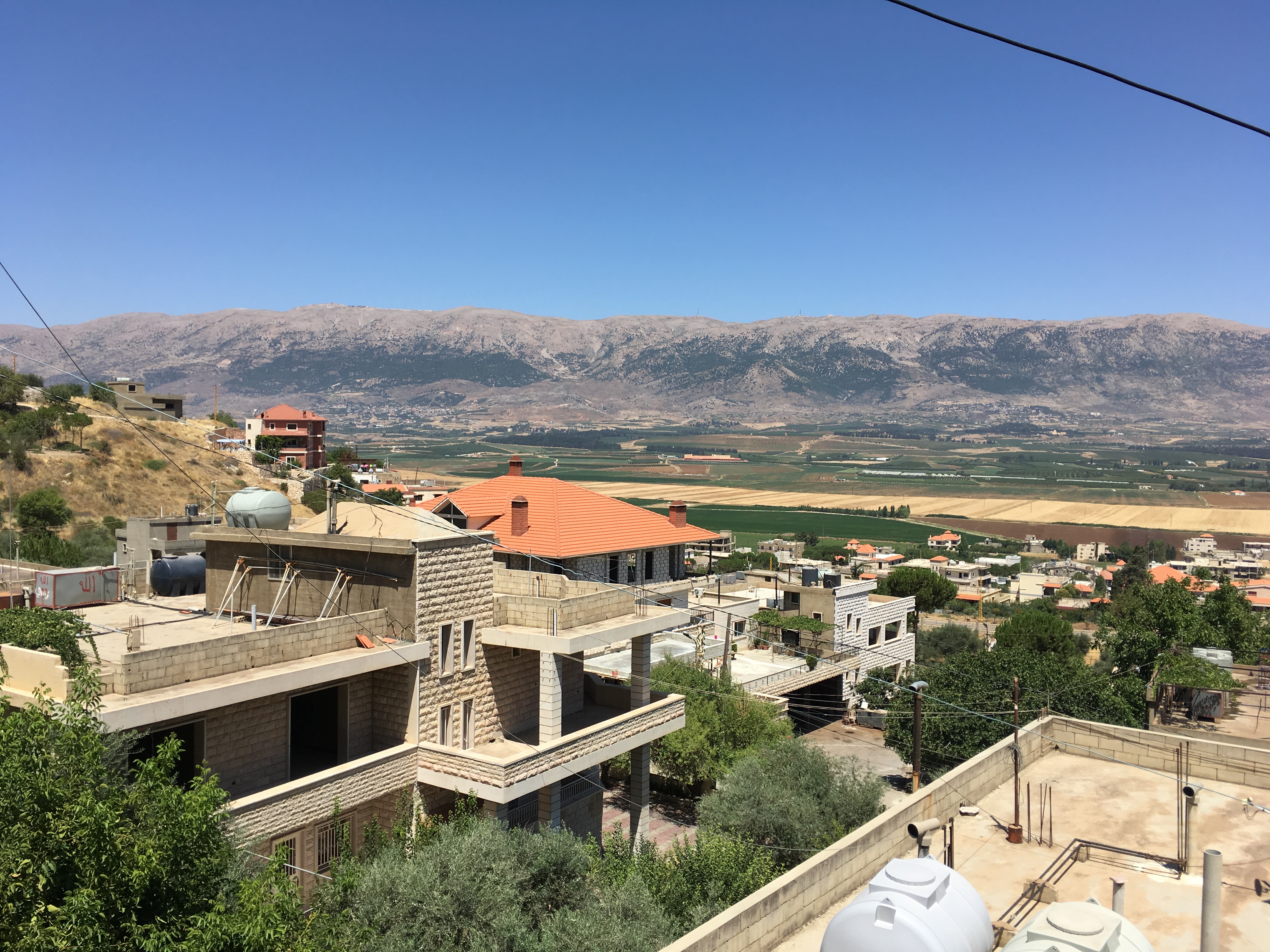
Joub Jannine
Neolithic flint tool site in Lebanon
Majdal Anjar
Archaeological site with temple and fortress.