

Explore the Map
Jeita Grotto
33.9434° N, 35.6414° E
About
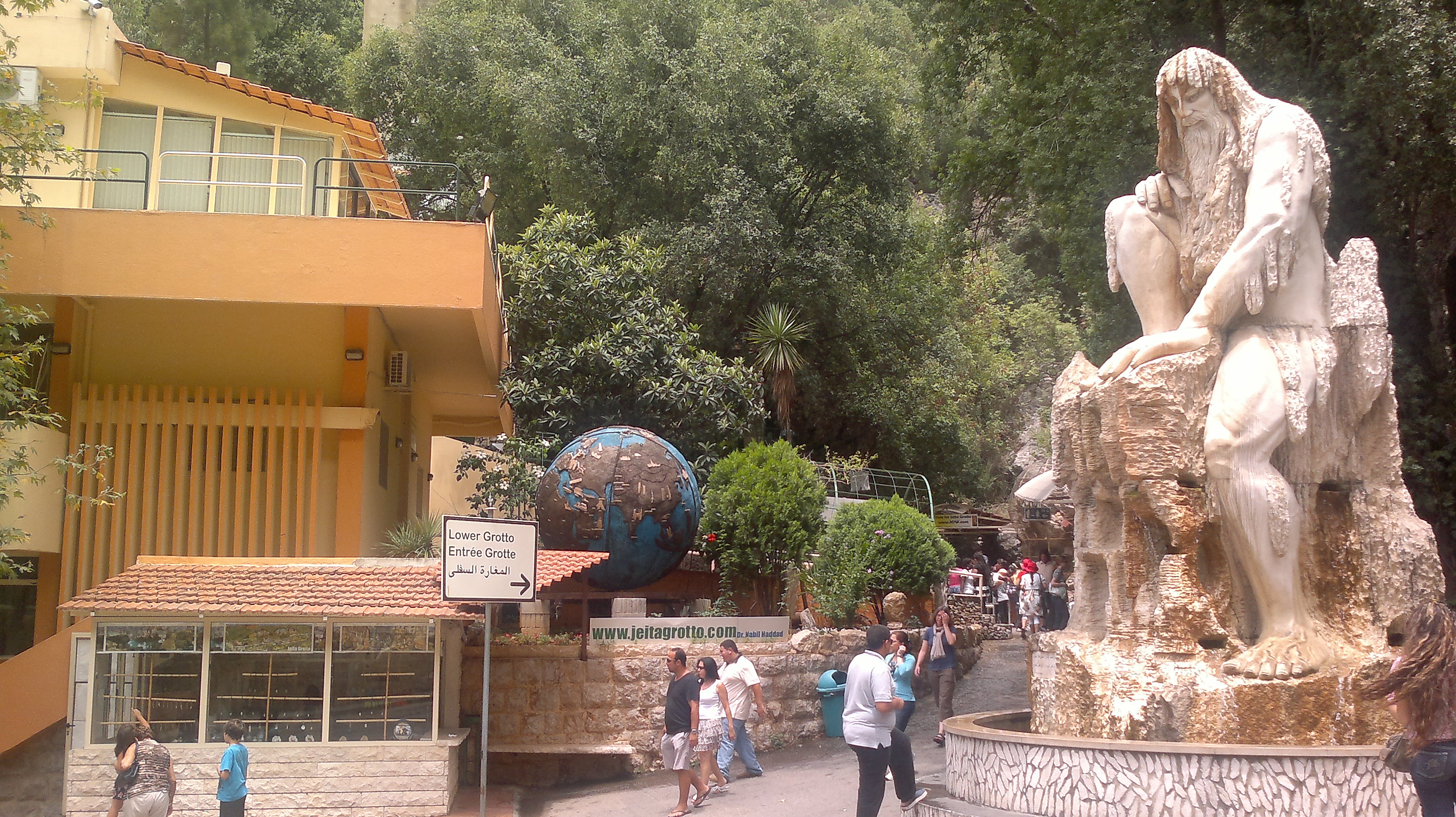
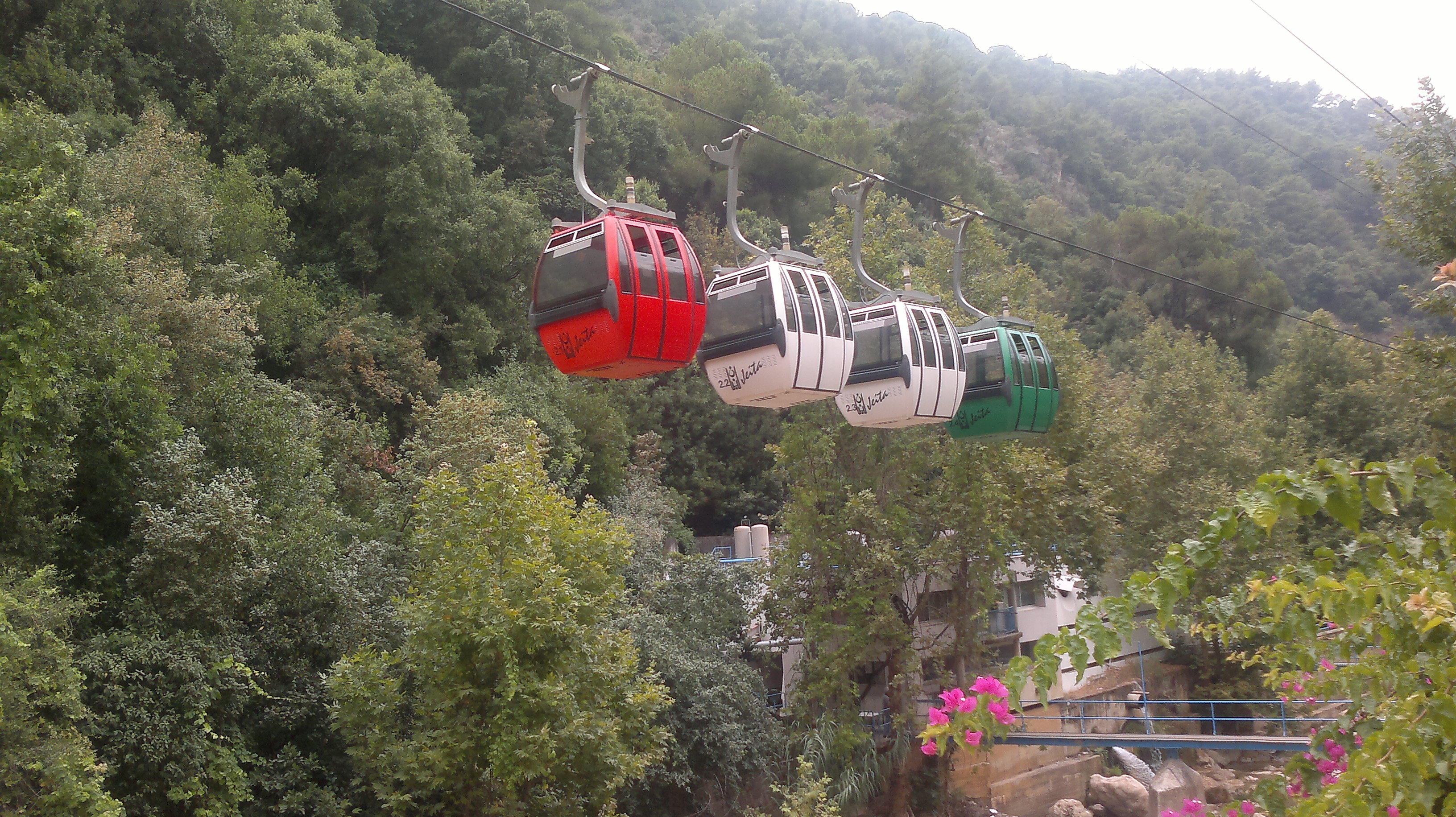
The Jeita Grotto is a significant archaeological site located in Lebanon, encompassing a system of interconnected karstic limestone caves. The site has revealed evidence of human habitation and activity across multiple prehistoric periods. Notable archaeological findings include Upper Paleolithic tools, Neolithic polished artifacts, Chalcolithic pottery, and Early Bronze Age ceramics. The site offers a unique insight into the region's prehistoric cultures and their evolution over millennia. The natural formations within the caves, such as the world's largest known stalactite, highlight the site's geological significance as well. Jeita Grotto serves as a crucial link to understanding the ancient human presence in the area and the development of early technological and cultural practices.
Gallery
Explore photographs of ancient structures, artifacts, and archaeological excavations
Historical Timeline
Journey through time and discover key events in this site's history
Upper Paleolithic Occupation
50,000 BCE - 10,000 BCE
Neolithic Occupation
8,000 BCE - 3,000 BCE
Chalcolithic Occupation
3,500 BCE - 2,500 BCE
Early Bronze Age Occupation
3,300 BCE - 2,100 BCE
Archaeological Features
Unique architectural and cultural elements found at this historical site
Domestic and Habitation Structures
Environmental and Natural Features
Frequently Asked Questions
Plan Your Visit
Tours, travel arrangements, and practical information


More Sites in Lebanon
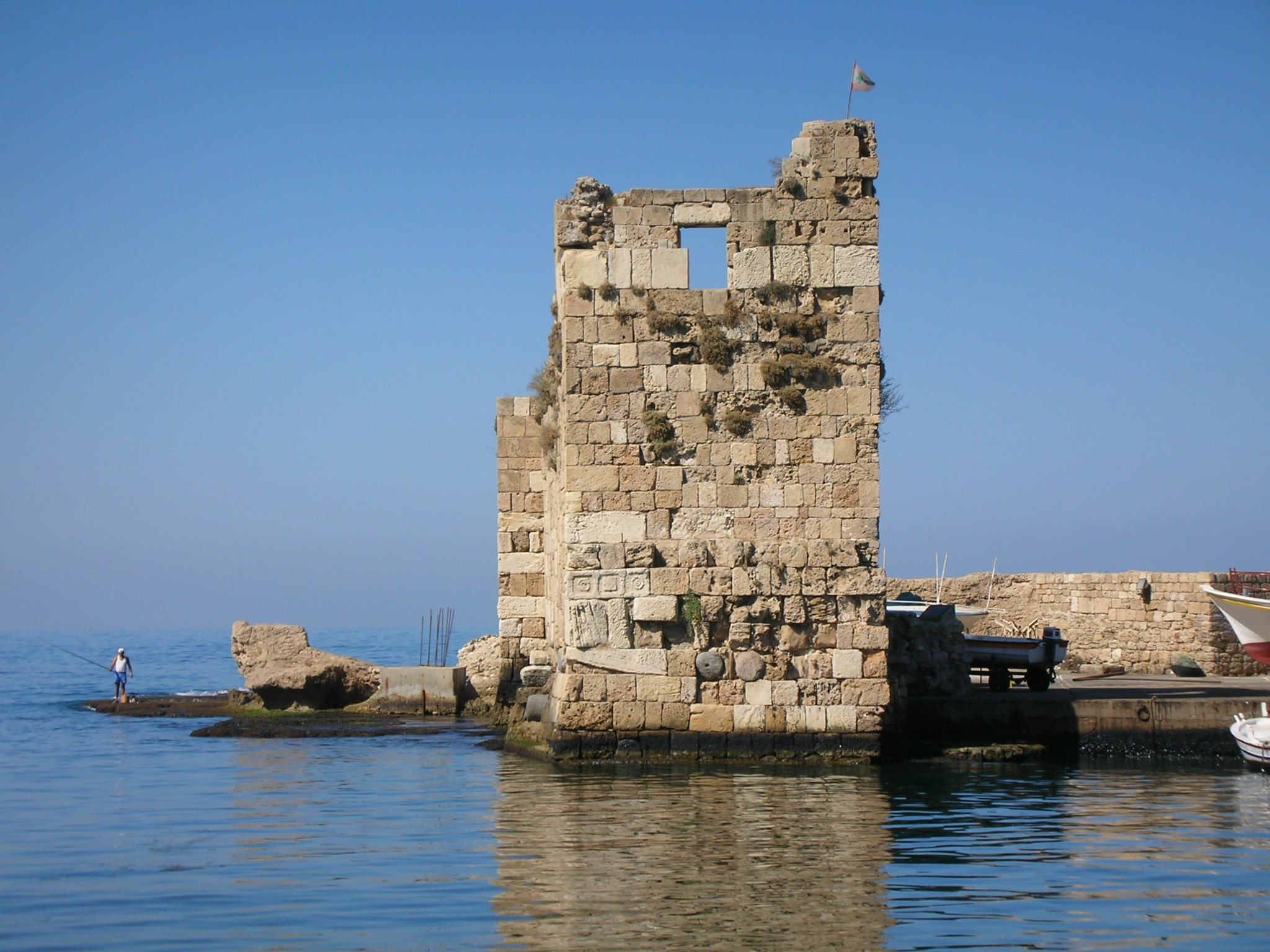
Byblos
Ancient city with layered historical strata
Nachcharini
High-altitude cave on Nachcharini Plateau
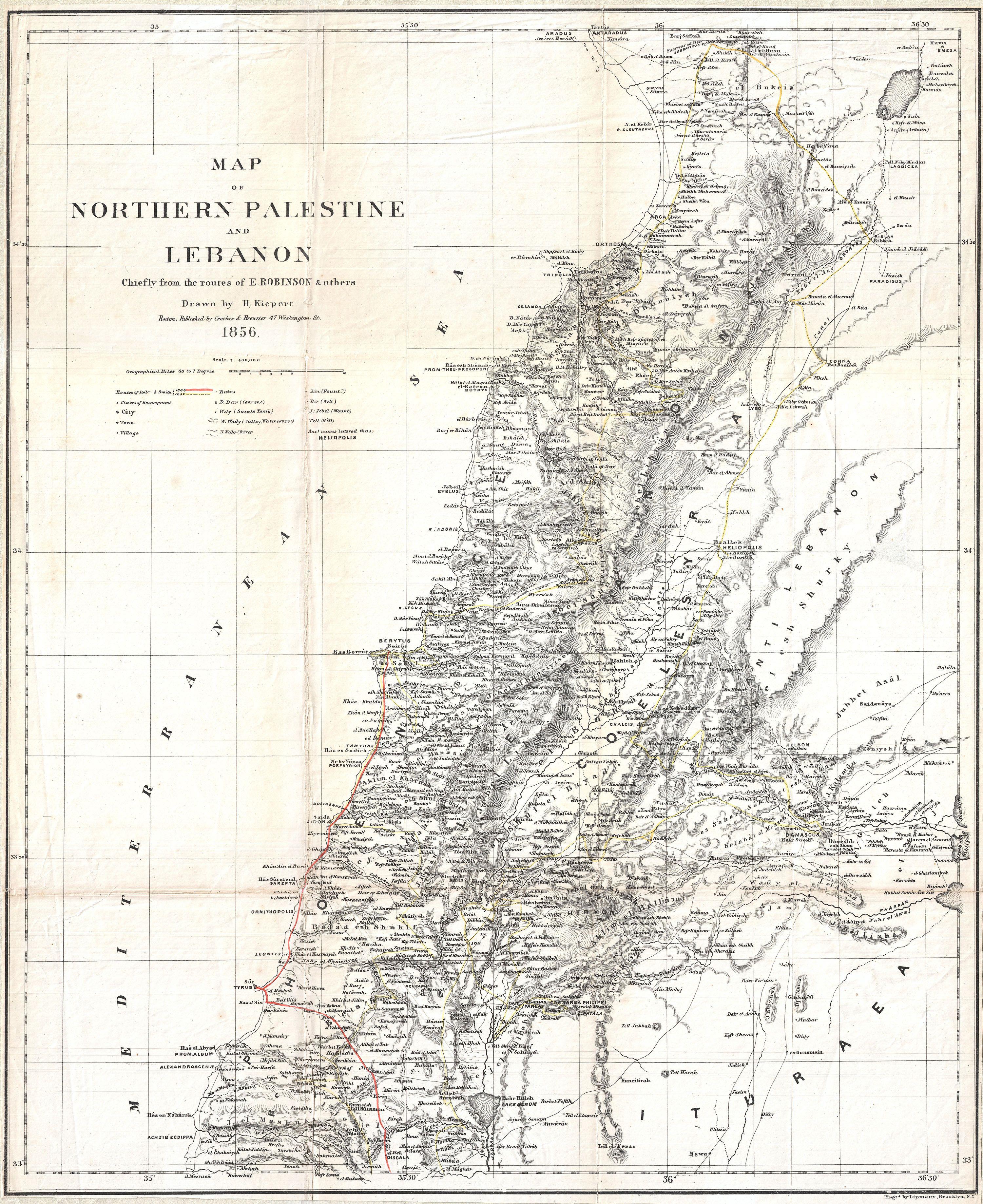
Baalbek
Ancient city with Roman temples and ruins
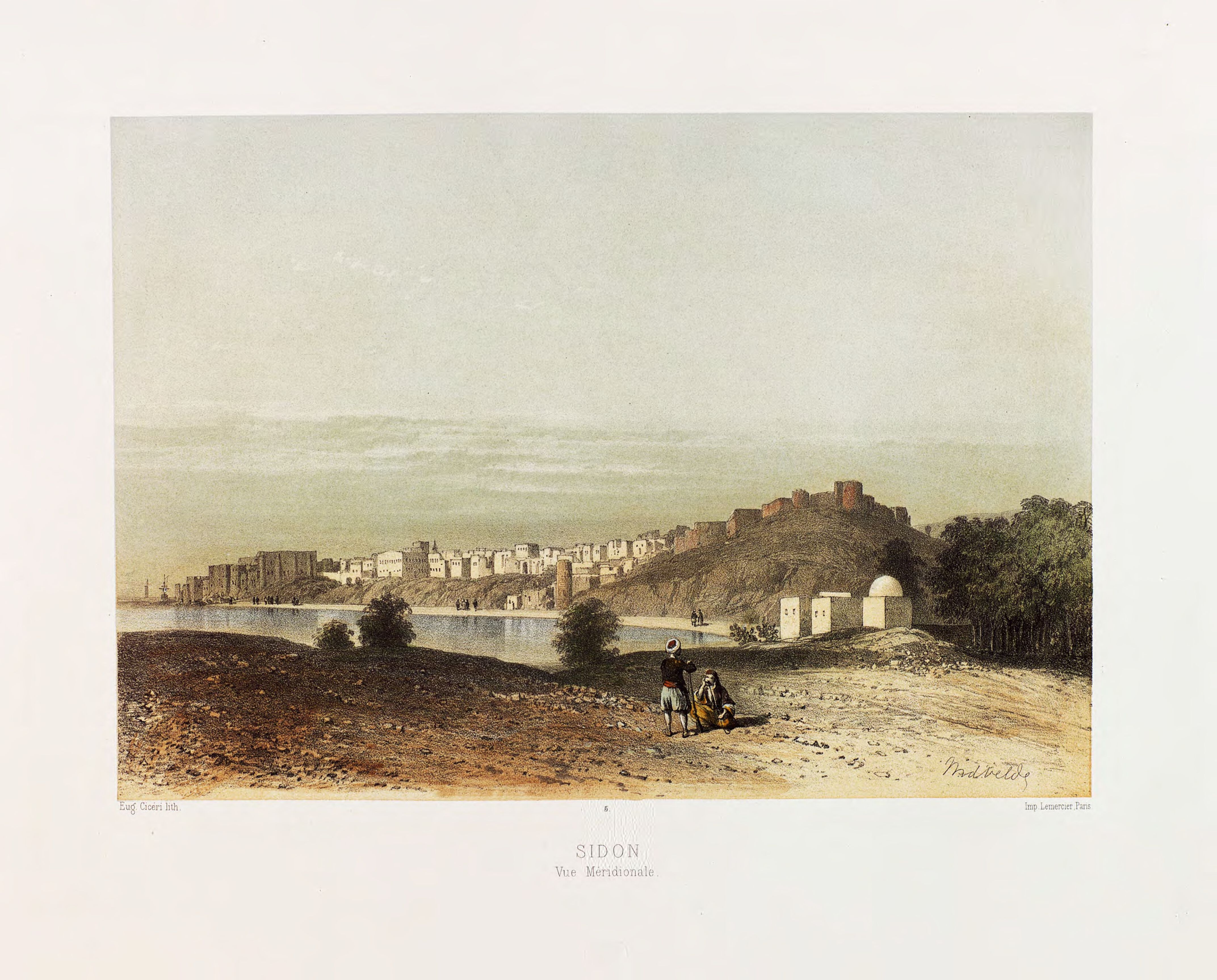
Sidon
Ancient Phoenician city with rich history
Ras El Kelb
Truncated seaside cave and Paleolithic settlement
Tell el-Burak
Conical tell with fortifications and wall paintings