
Explore the Map
Ras El Kelb
33.9186° N, 35.5861° E
About
Ras El Kelb is a significant archaeological site situated on the coast of Lebanon, approximately 8 km north of Beirut. This site features a truncated seaside cave, which served as a habitation site during the Upper Paleolithic period, around 50,000 years BCE. The site was extensively excavated in 1959 by Dorothy Garrod and G. Henri-Martin, revealing a wealth of archaeological finds, including more than 30,000 flint artifacts and evidence of advanced hunting techniques. Notably, a Neanderthal tooth was also discovered, suggesting the presence of Neanderthals in the region. The layers of soil unearthed indicate that the sea level has fluctuated significantly over the millennia, impacting the site's habitation patterns. Ras El Kelb provides valuable insights into the lifestyle and environmental conditions of Paleolithic communities in the Levant.
Historical Timeline
Journey through time and discover key events in this site's history
First habitation
50,000 years BCE
Archaeological Features
Unique architectural and cultural elements found at this historical site
Defensive Structures
Domestic and Habitation Structures
Environmental and Natural Features
Frequently Asked Questions
Plan Your Visit
Tours, travel arrangements, and practical information
More Sites in Lebanon
Nachcharini
High-altitude cave on Nachcharini Plateau
Jeita Grotto
Interconnected karstic limestone caves in Lebanon
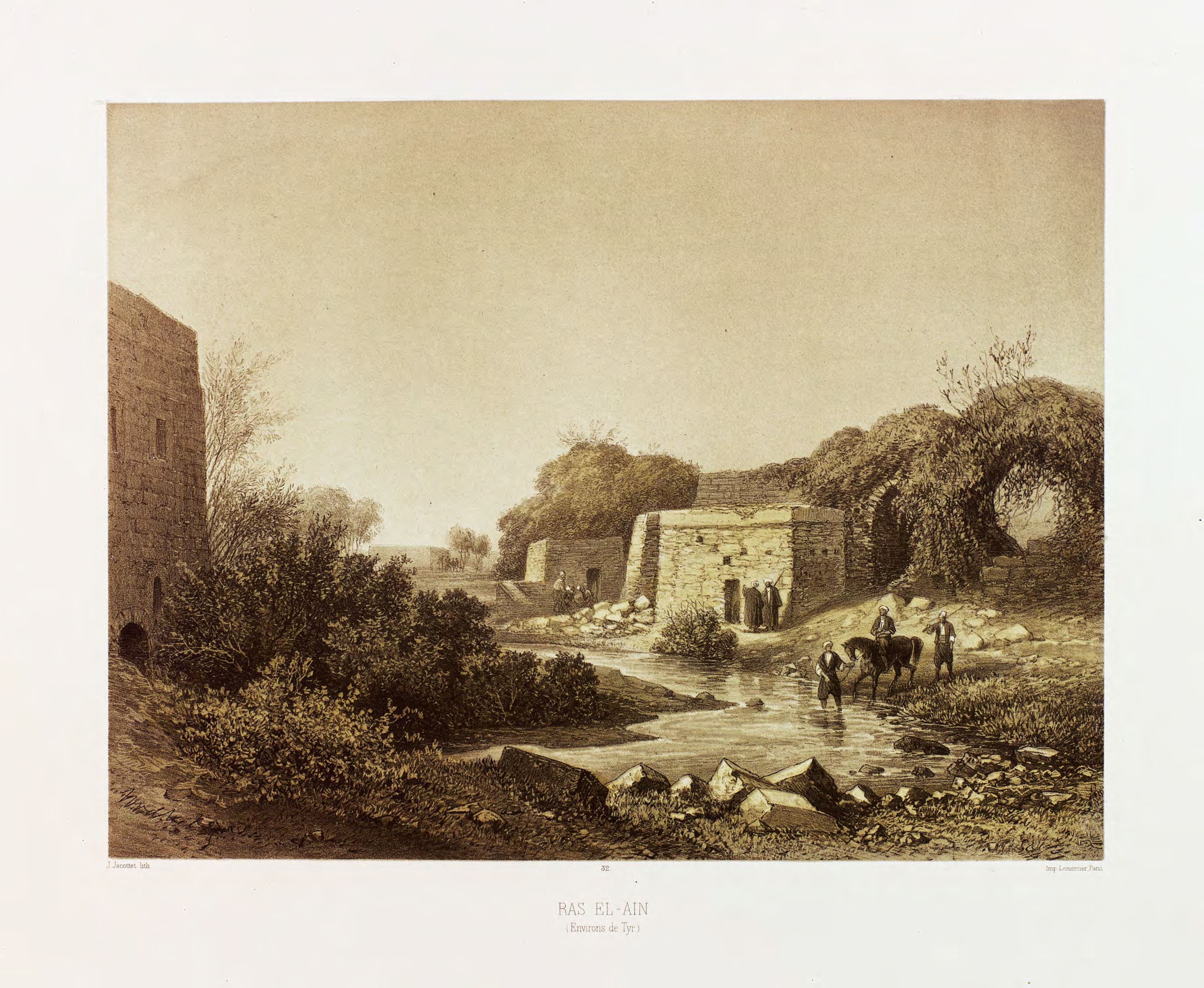
Ras al-Ain, Lebanon
Ancient fountains, reservoirs, and Roman aqueducts
Tell el-Burak
Conical tell with fortifications and wall paintings

Toron
Oval Crusader castle on steep hill
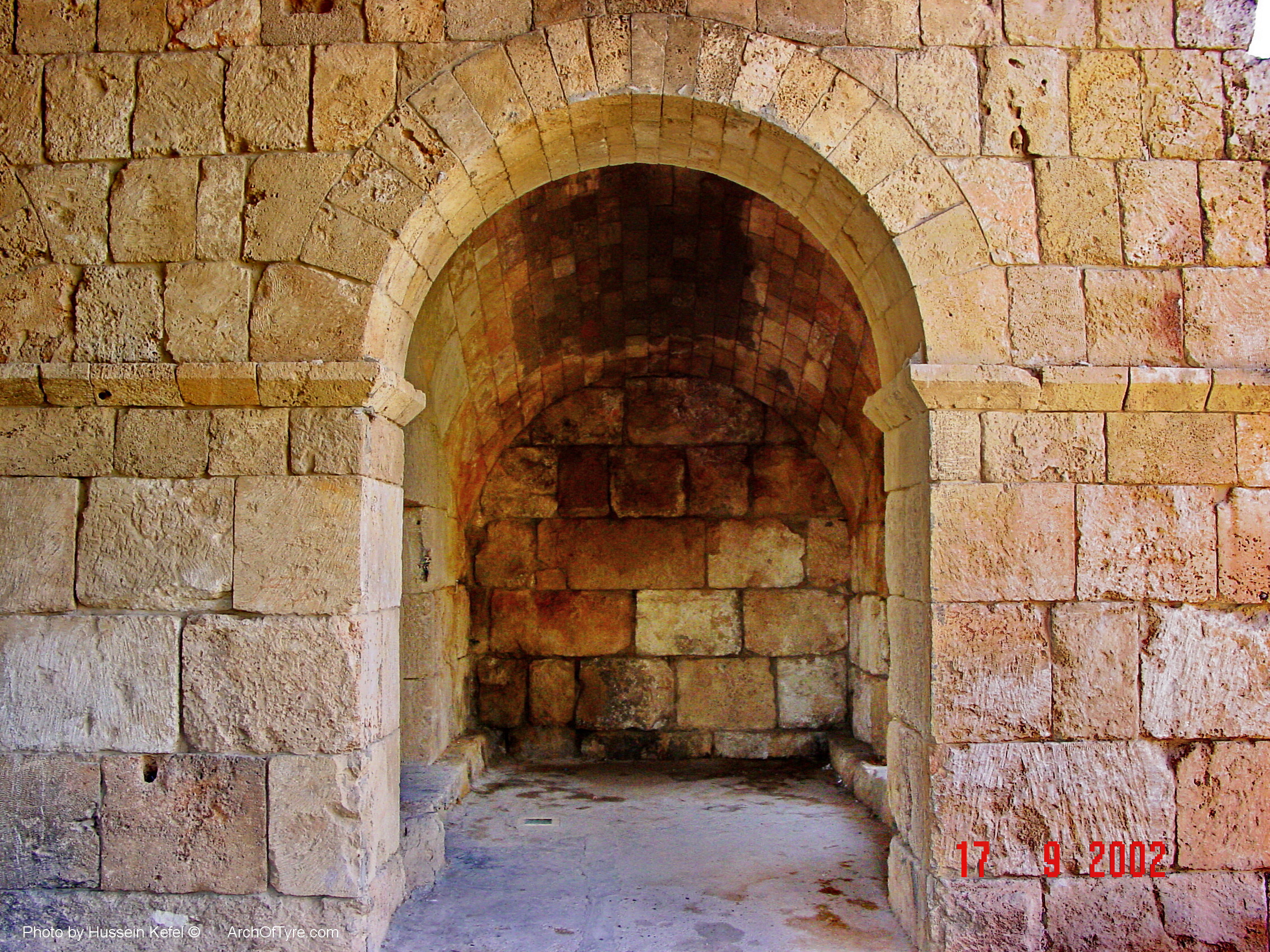
Tyre Hippodrome
Roman-era chariot racing hippodrome in Tyre.