
Time Periods
Paleolithic
Mesolithic
Neolithic
Chalcolithic
Bronze Age
Iron Age
Classical Period
Post-Classical Period
Early Modern Period
Industrial Period
Contemporary Period
Time Periods
Paleolithic
Mesolithic
Neolithic
Chalcolithic
Bronze Age
Iron Age
Classical Period
Post-Classical Period
Early Modern Period
Industrial Period
Contemporary Period
Location
About
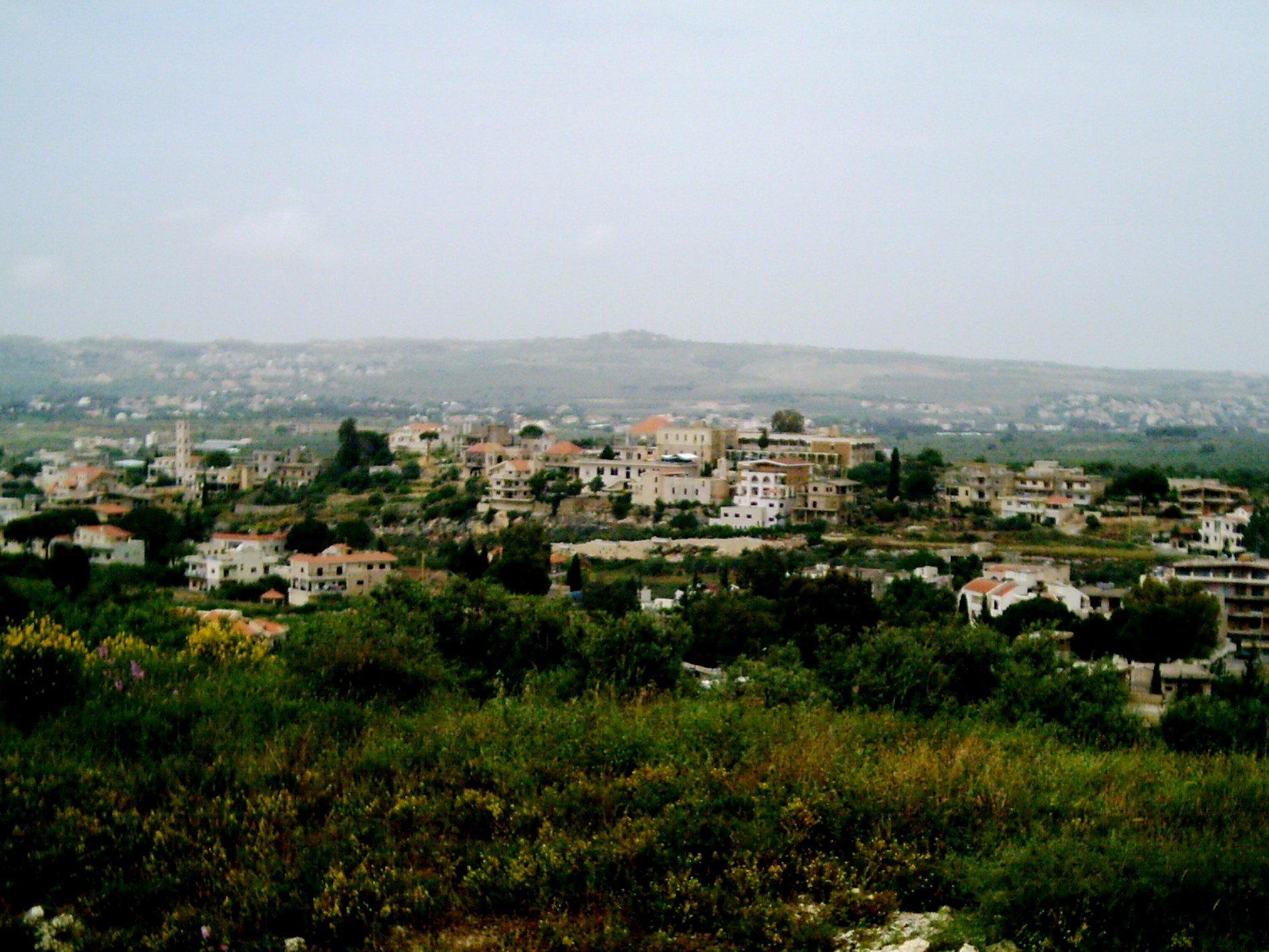
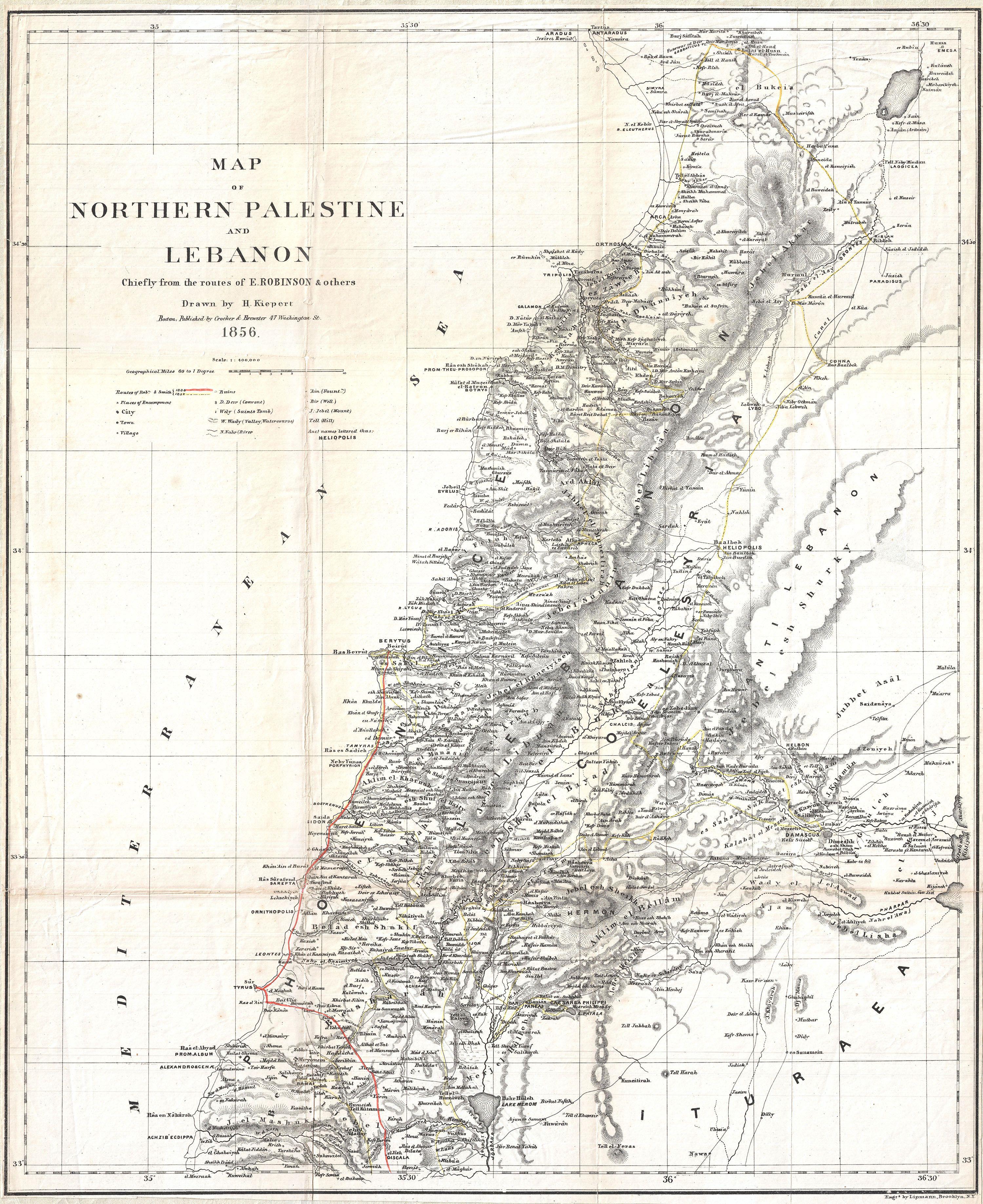
Amioun, situated atop an ancient hill in North Lebanon, is a site of significant archaeological interest, tracing its roots back to the Paleolithic period. The town's historical narrative is enriched by its mention in the Tell el Amarna letters of the 14th century BCE. Amioun's archaeological landscape is marked by its transformation through various historical periods, from a fortified settlement with Roman temples to a hub of Christian worship with numerous churches. Significant structures include remnants of a Roman temple and Byzantine-style wall paintings from the 12th and 13th centuries. The site's historical layers illustrate its evolution from a center of pagan worship to a prominent Christian settlement, reflecting the broader cultural and religious shifts in the region over millennia.
Gallery
Explore photographs of ancient structures, artifacts, and archaeological excavations at Amioun
Archaeological Features
Explore the unique architectural and cultural elements found at this historical site
Defensive Structures
Burial and Funerary Structures
Religious and Ritual Structures
Artistic and Decorative Features
Domestic and Habitation Structures
Historical Timeline
Journey through time and discover key events in this site's archaeological history
Plan Your Visit
Details
- Country
- Lebanon
- Source
- Wikipedia
More Sites in Lebanon
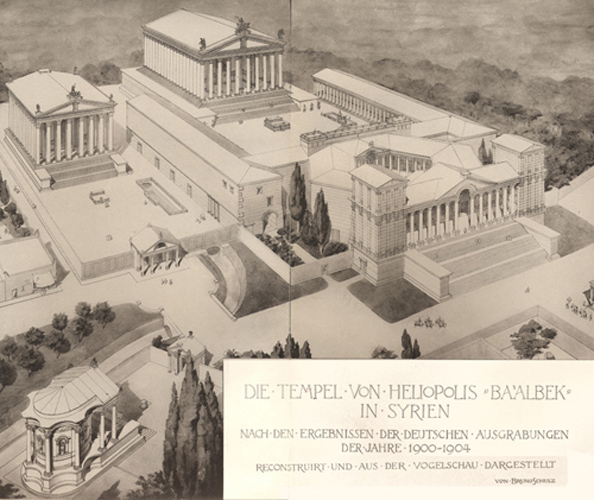
Baalbek
Ancient city with Roman temples and ruins
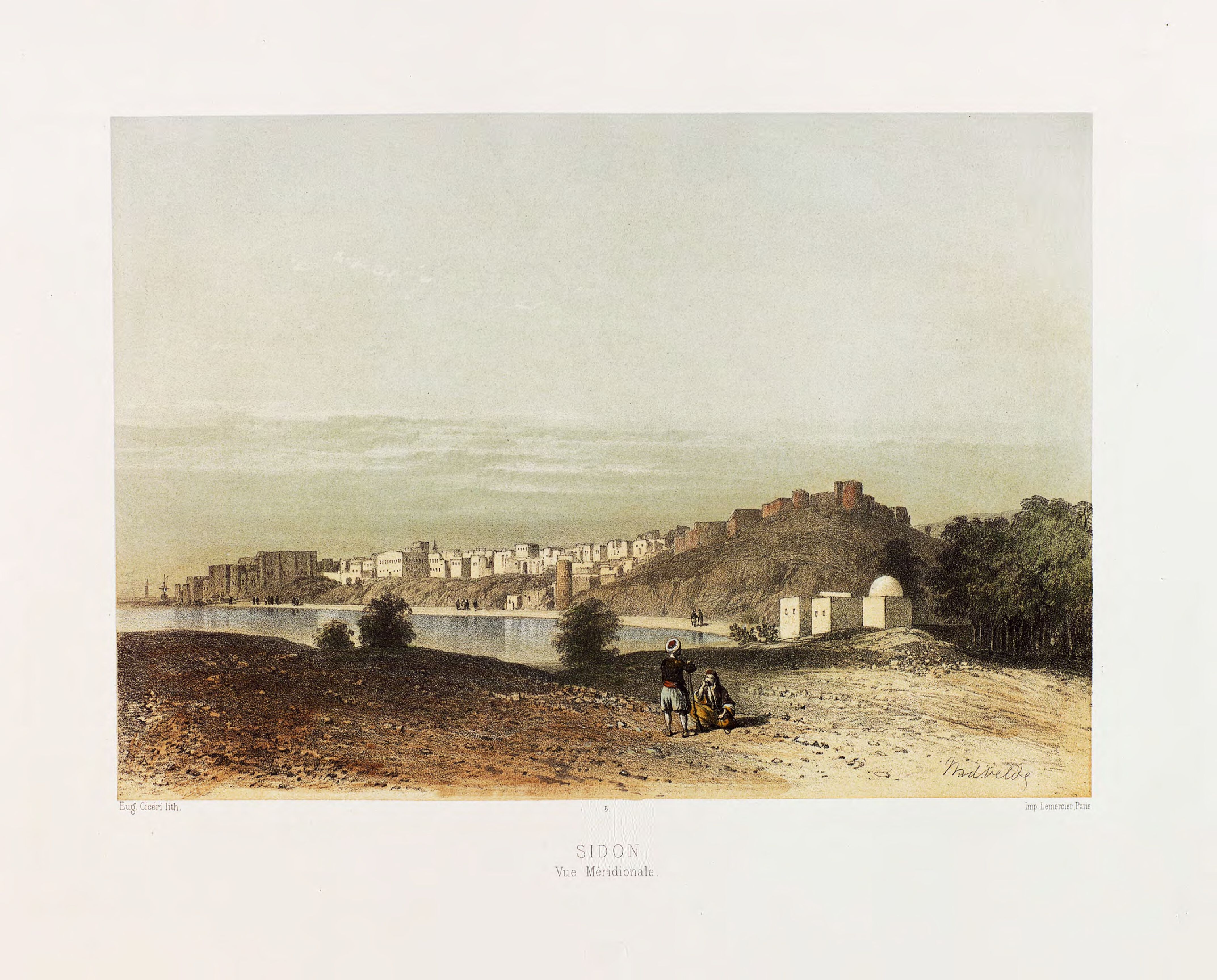
Sidon
Ancient Phoenician city with rich history
Arqa
Iron Age city-state with Neolithic origins
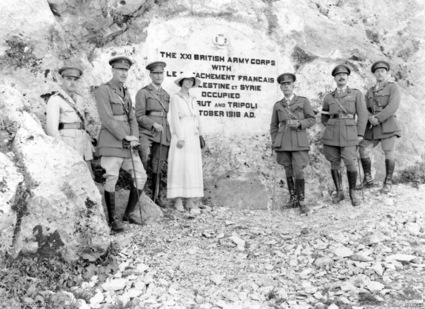
Stelae of Nahr el-Kalb
Rock reliefs and inscriptions near Beirut, Lebanon
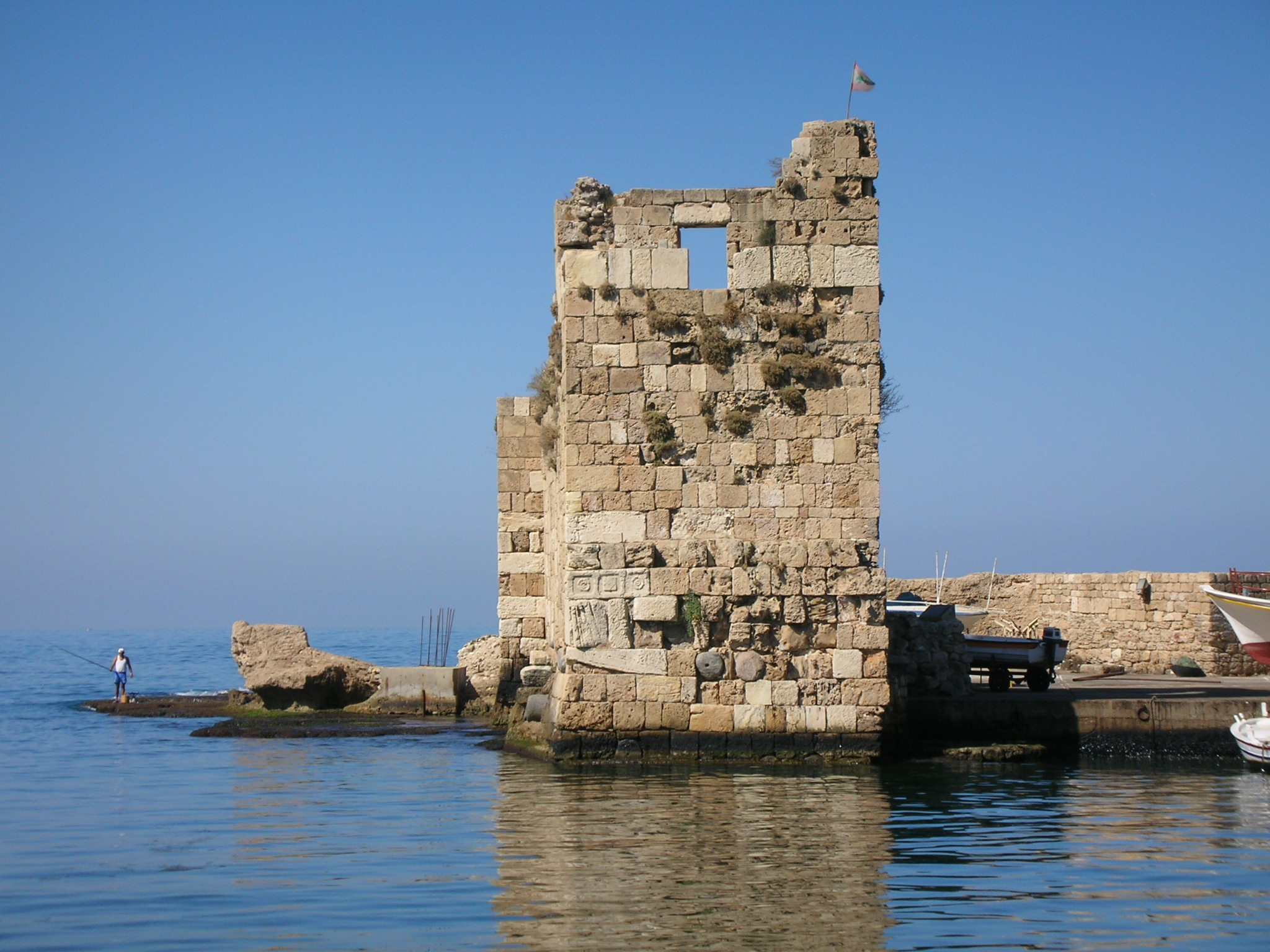
Byblos
Ancient city with layered historical strata

Sarepta
Phoenician city with diverse archaeological finds