
Explore the Map
Byblos
34.1236° N, 35.6519° E
About
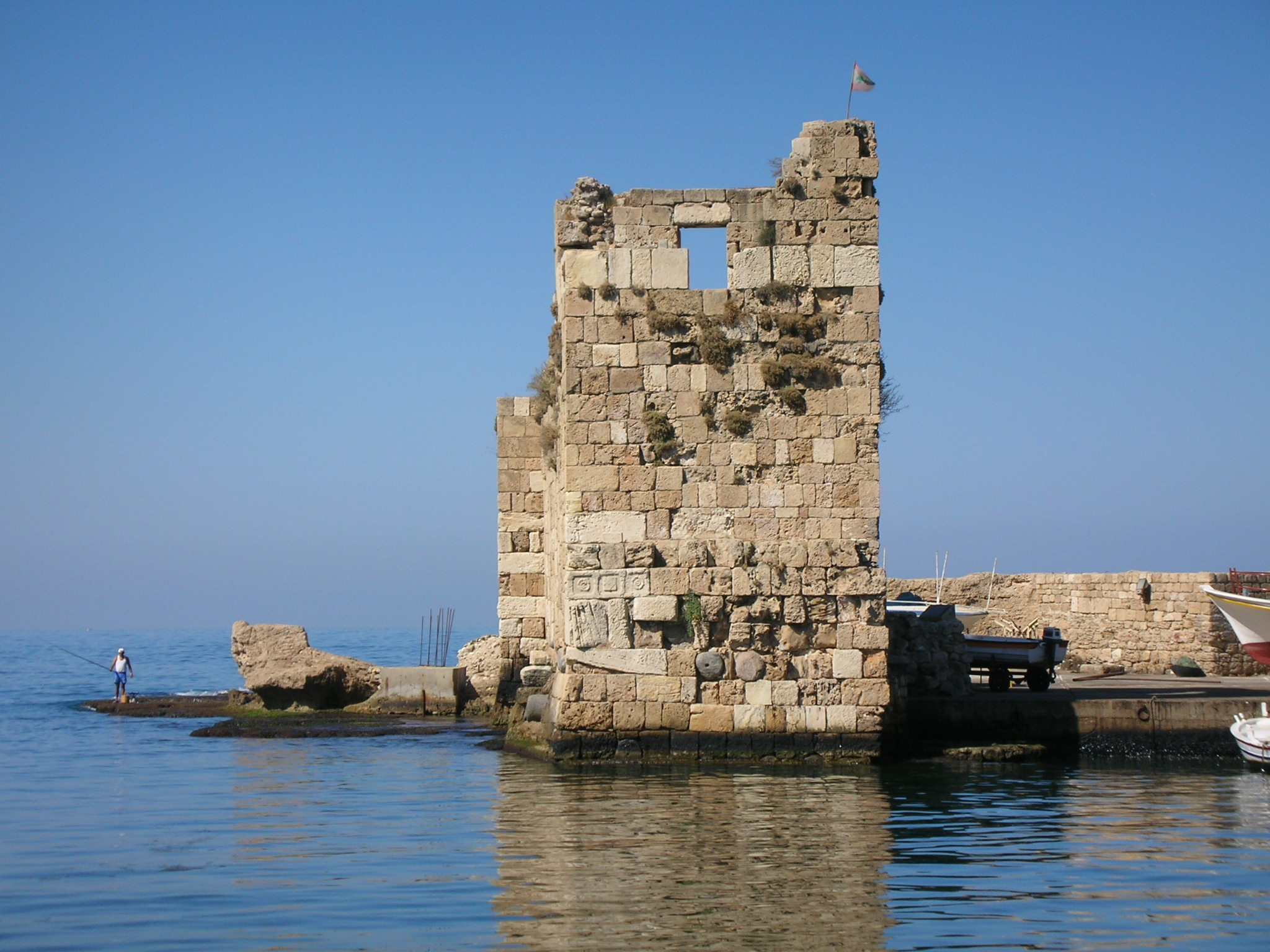
Byblos, located in modern-day Lebanon, is one of the world's oldest continuously inhabited cities, with a history stretching back to the Neolithic period around 8800 BCE. This ancient city has been an essential hub for various cultures, including the Egyptians, Phoenicians, Assyrians, Persians, Greeks, and Romans. Byblos was a significant center for trade, notably known for its papyrus trade with Egypt, which influenced the Greek term for 'book'—hence, the word 'Bible.' The city features a rich tapestry of archaeological structures, such as temples, tombs, and a well-preserved Crusader castle. Byblos played a crucial role in the development of the Phoenician alphabet, a precursor to Greek and Latin scripts. Its layered history provides invaluable insight into ancient urban development and cultural exchanges in the Mediterranean region. Today, Byblos is a UNESCO World Heritage Site, reflecting its historical and archaeological significance.
Gallery
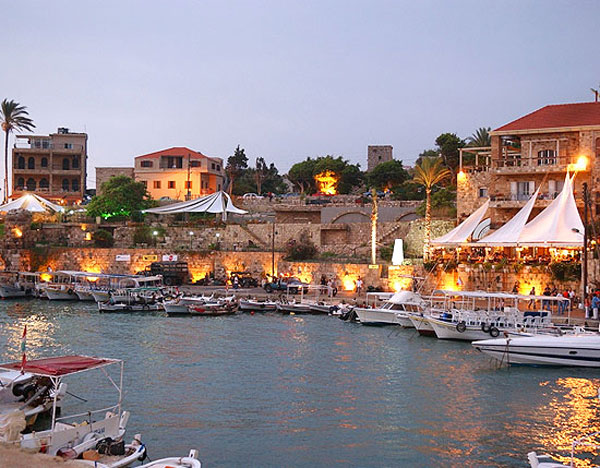
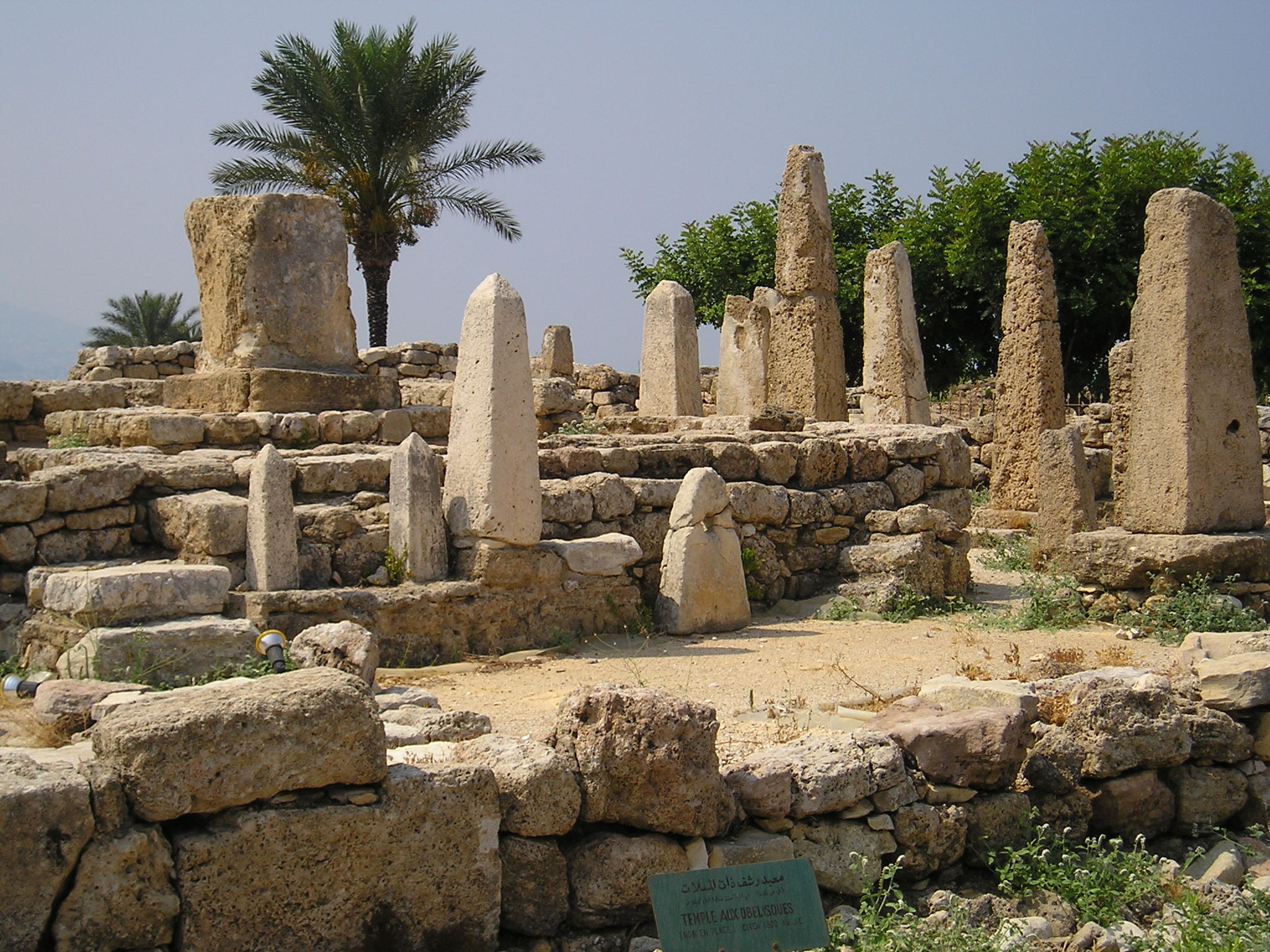
Explore photographs of ancient structures, artifacts, and archaeological excavations
Historical Timeline
Journey through time and discover key events in this site's history
First Settlement
8800 BCE
Continuous Habitation
5000 BCE
Urban Development
3000 BCE
First City State
2600 BCE
Amarna Letters
1350 BCE
Phoenician Alphabet
1200 BCE
Assyrian Tribute
738 BCE
Achaemenid Empire
538 BCE
Hellenistic Rule
332 BCE
Crusader Period
1100 CE
Mamluk Period
1266 CE
Genoese Control
1300 CE
French Mandate
1920 CE
Archaeological Features
Unique architectural and cultural elements found at this historical site
Defensive Structures
Water Management Features
Public and Civic Structures
Burial and Funerary Structures
Religious and Ritual Structures
Domestic and Habitation Structures
Frequently Asked Questions
Plan Your Visit
Tours, travel arrangements, and practical information
More Sites in Lebanon
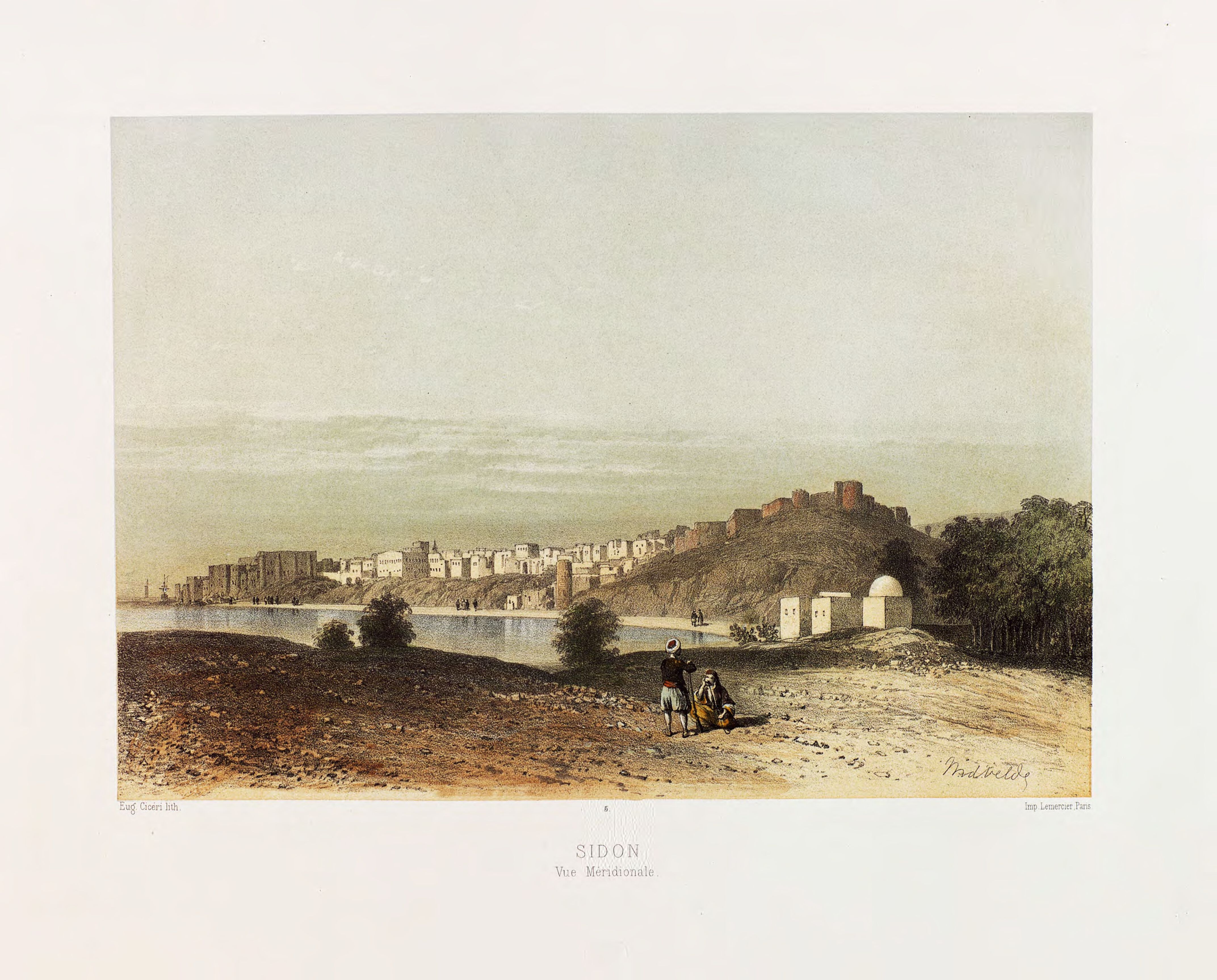
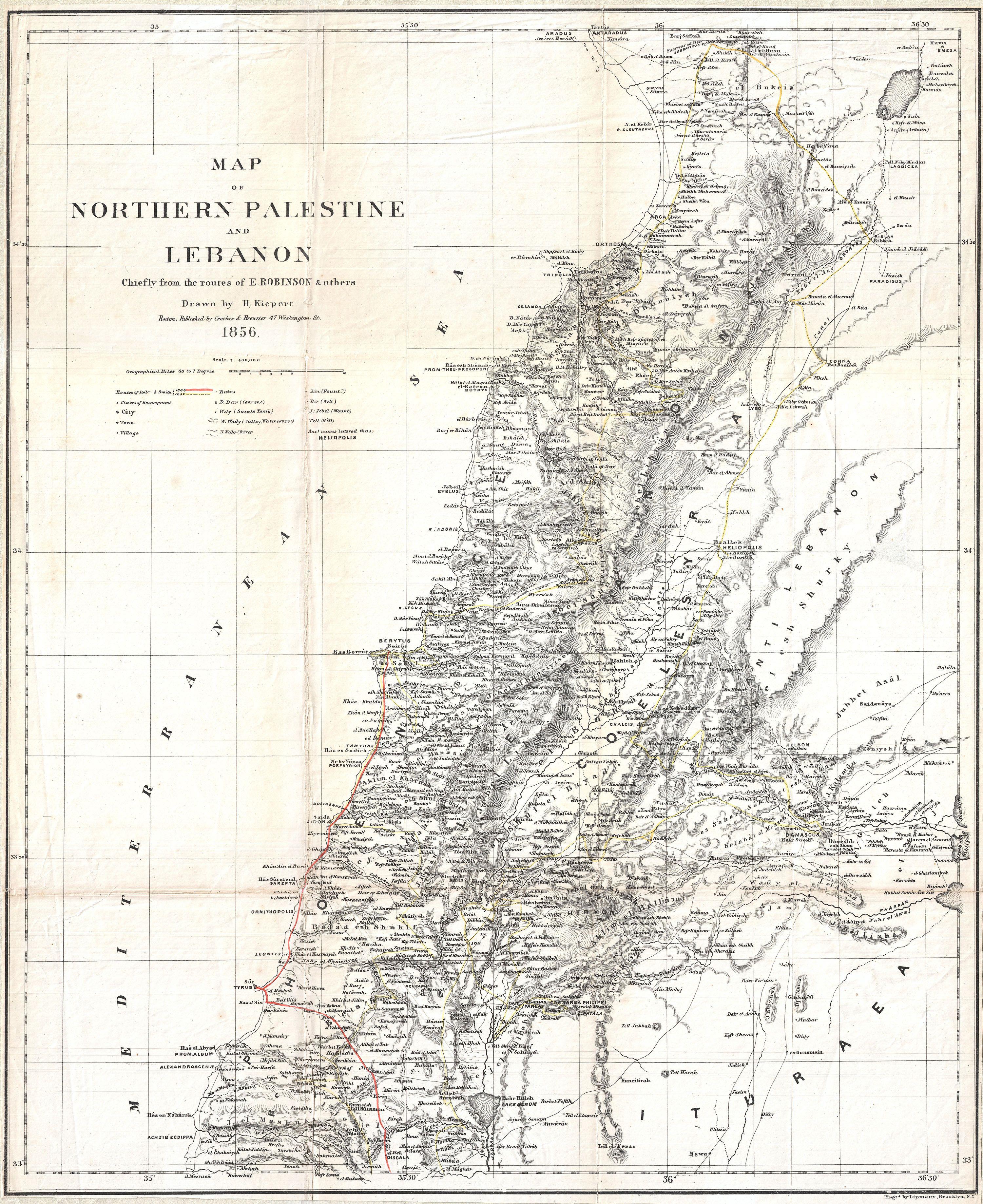
Sidon
Ancient Phoenician city with rich history
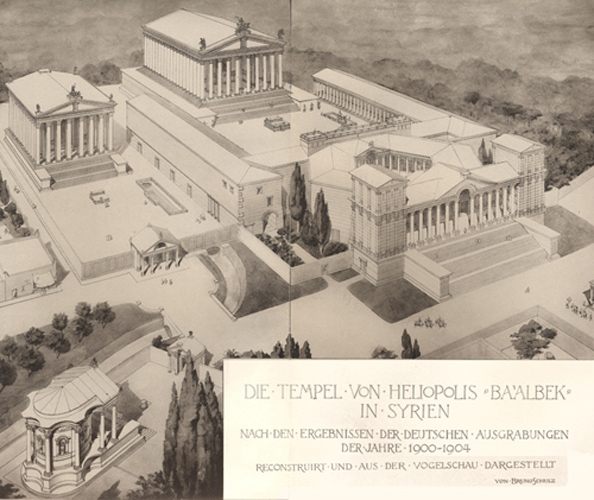
Baalbek
Ancient city with Roman temples and ruins
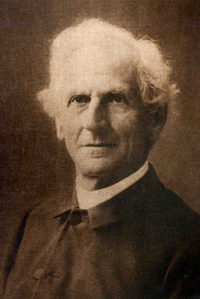
Tyre, Lebanon
Ancient Phoenician city with harbor remains
Jeita Grotto
Interconnected karstic limestone caves in Lebanon
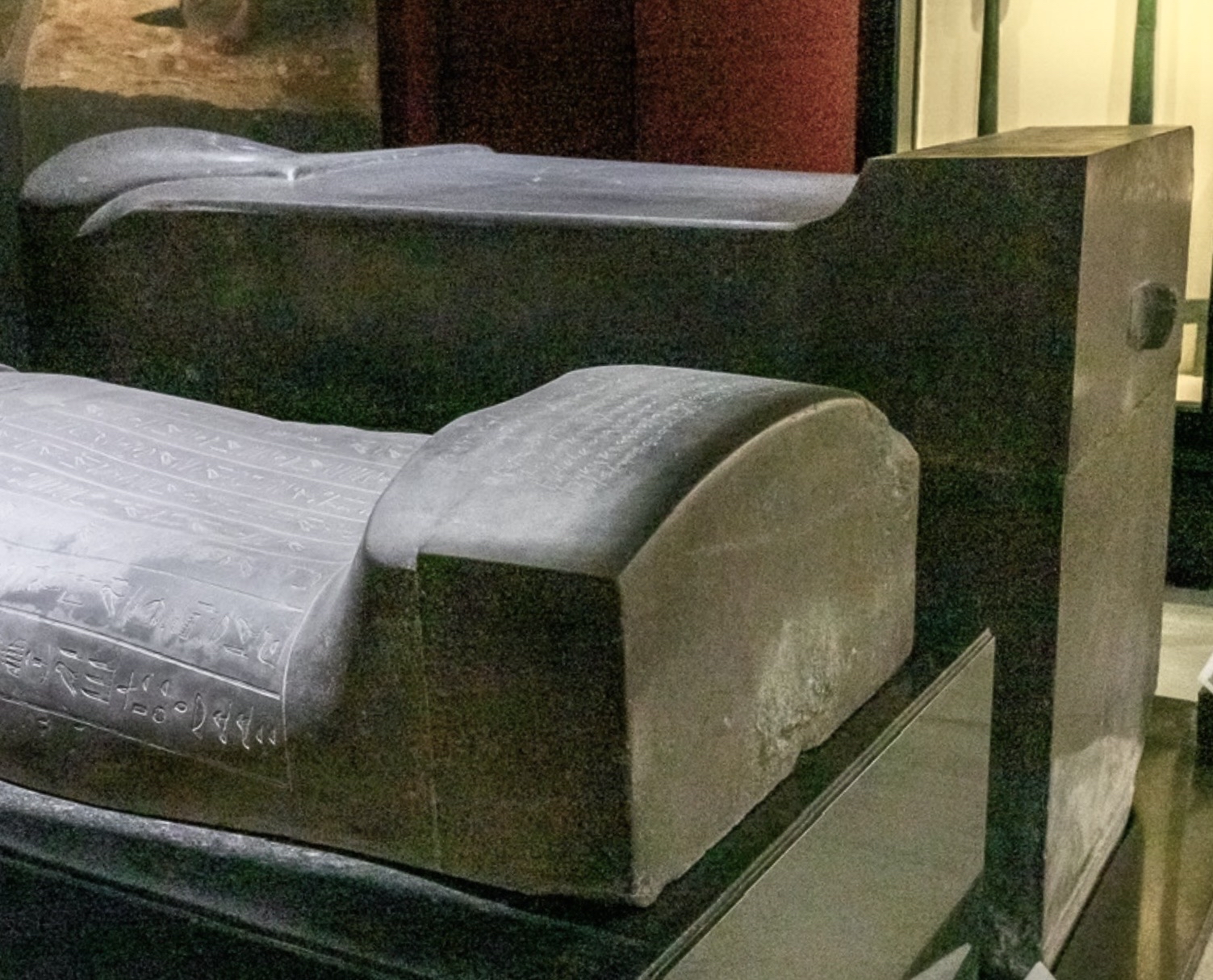
Royal necropolis of Ayaa
Subterranean necropolis with diverse sarcophagi styles.
Temple of Eshmun
Phoenician healing temple with Greco-Persian influence