
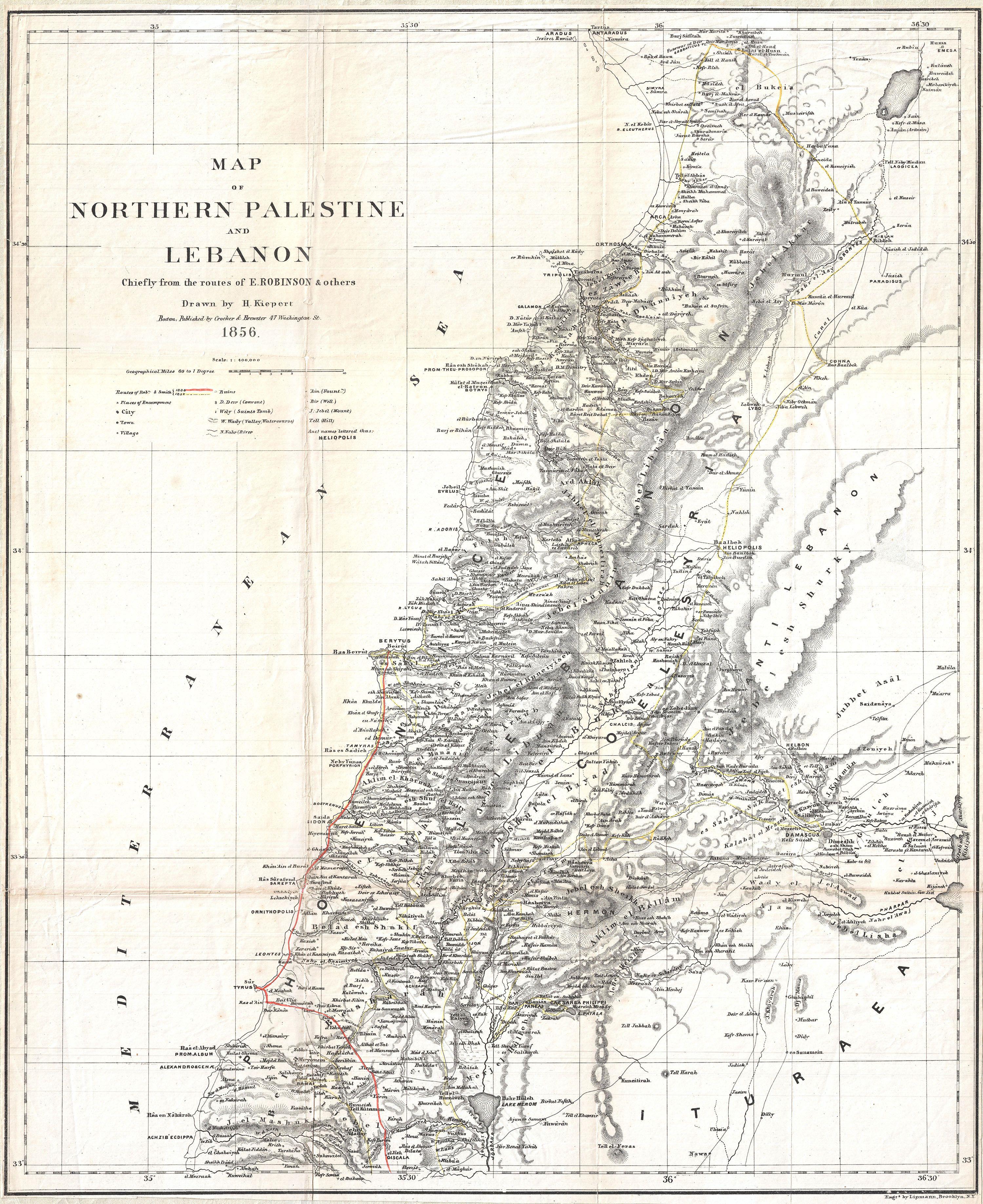
Explore the Map
Baalbek
34.0063° N, 36.2073° E
About
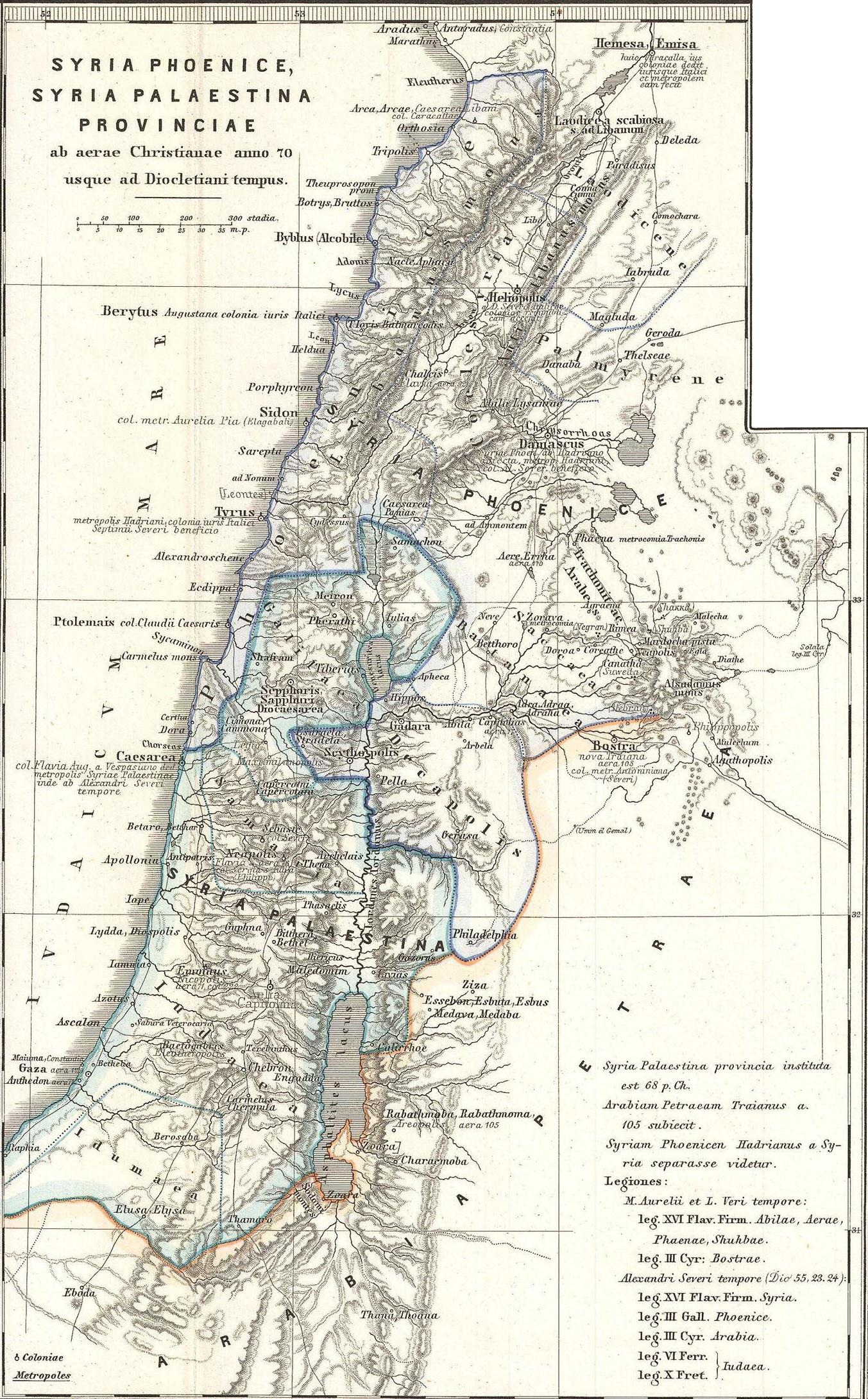
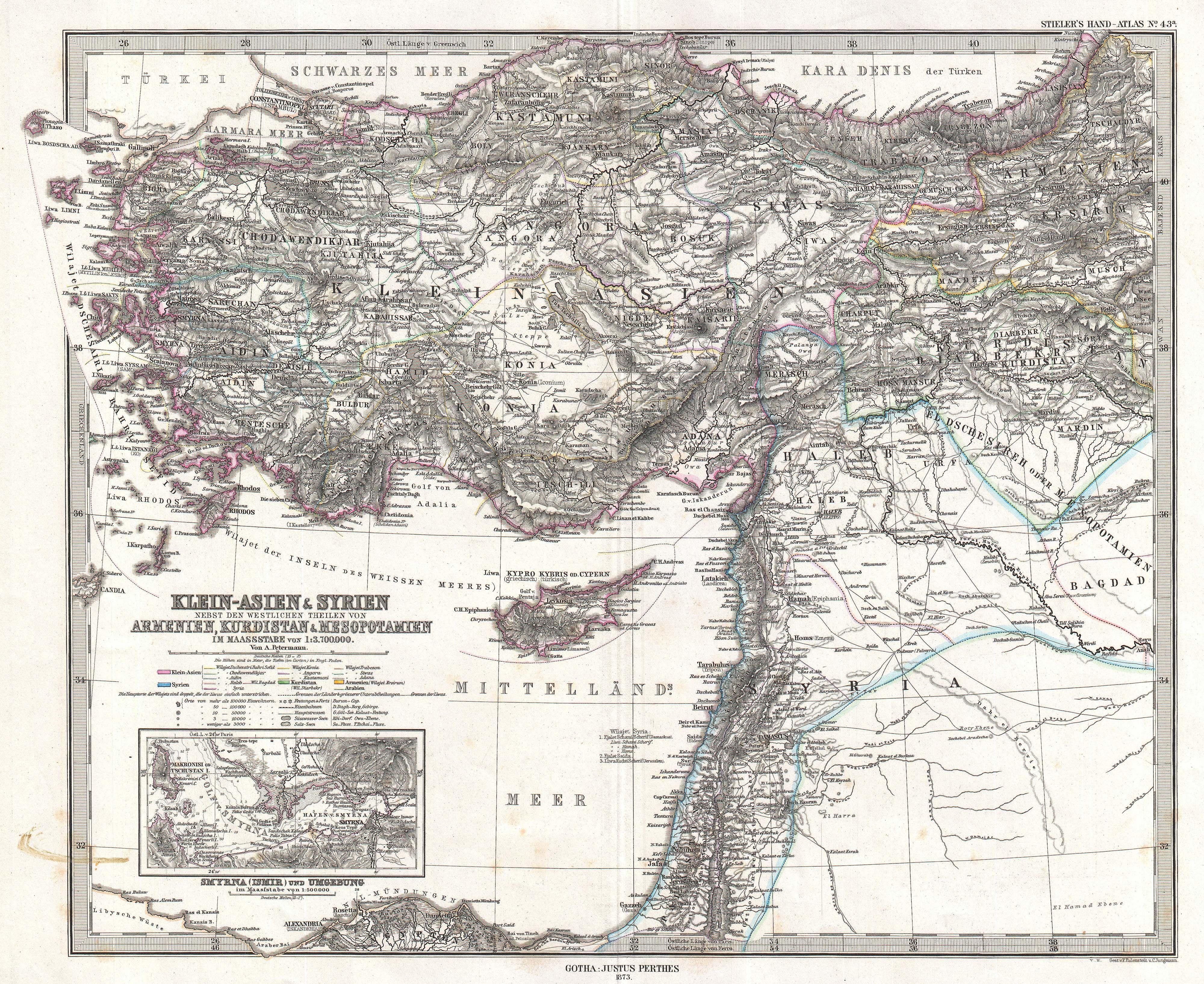
Baalbek, an ancient city in Lebanon's Beqaa Valley, is an archaeological site of great significance due to its extensive Roman temple complex and long history of habitation. The site includes monumental religious structures like the Temples of Jupiter and Bacchus, highlighting Roman architectural prowess. Baalbek's history stretches back to the Neolithic period, with evidence of continuous occupation and religious activity through the Bronze and Iron Ages. It became a prominent Roman colony and religious center, known as Heliopolis, during the Classical Period. Throughout its history, Baalbek experienced various transformations, including Christianization and fortification under Islamic rule. The city was later sacked by the Mongols and integrated into the Ottoman Empire, leaving a rich tapestry of cultural and architectural layers, making it a UNESCO World Heritage site.
Gallery
Explore photographs of ancient structures, artifacts, and archaeological excavations
Historical Timeline
Journey through time and discover key events in this site's history
Neolithic Settlement
8000 BCE
Early Bronze Age Worship
3000 BCE
Conquest by Alexander the Great
334 BCE
Roman Colony Establishment
15 BCE
Christianization and Basilica Construction
379 CE
Arab Conquest
636 CE
Mongol Sack
1260 CE
Ottoman Rule
1516 CE
Archaeological Features
Unique architectural and cultural elements found at this historical site
Defensive Structures
Water Management Features
Public and Civic Structures
Burial and Funerary Structures
Religious and Ritual Structures
Artistic and Decorative Features
Domestic and Habitation Structures
Transportation and Communication Structures
Frequently Asked Questions
Plan Your Visit
Tours, travel arrangements, and practical information


More Sites in Lebanon
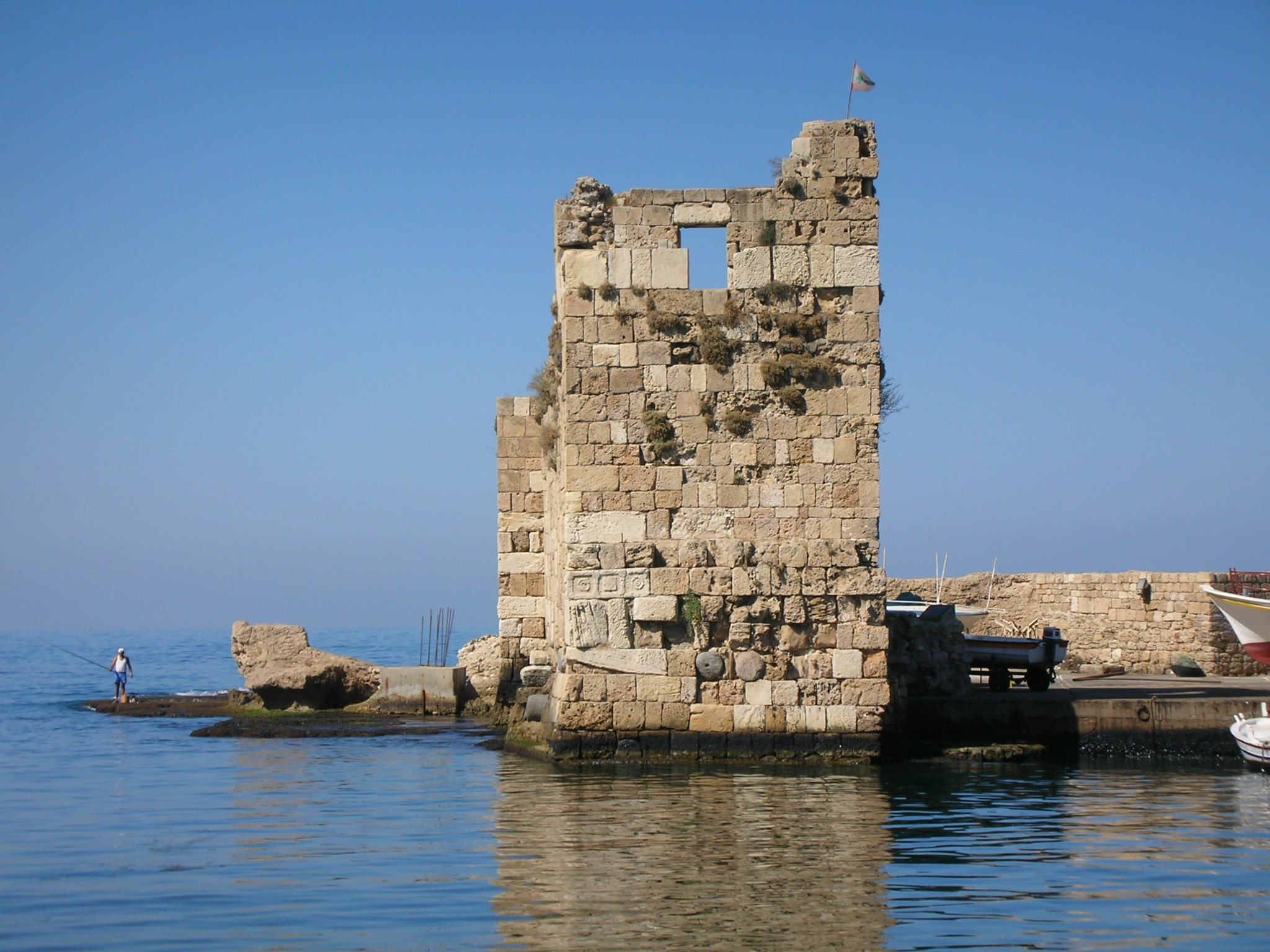
Byblos
Ancient city with layered historical strata
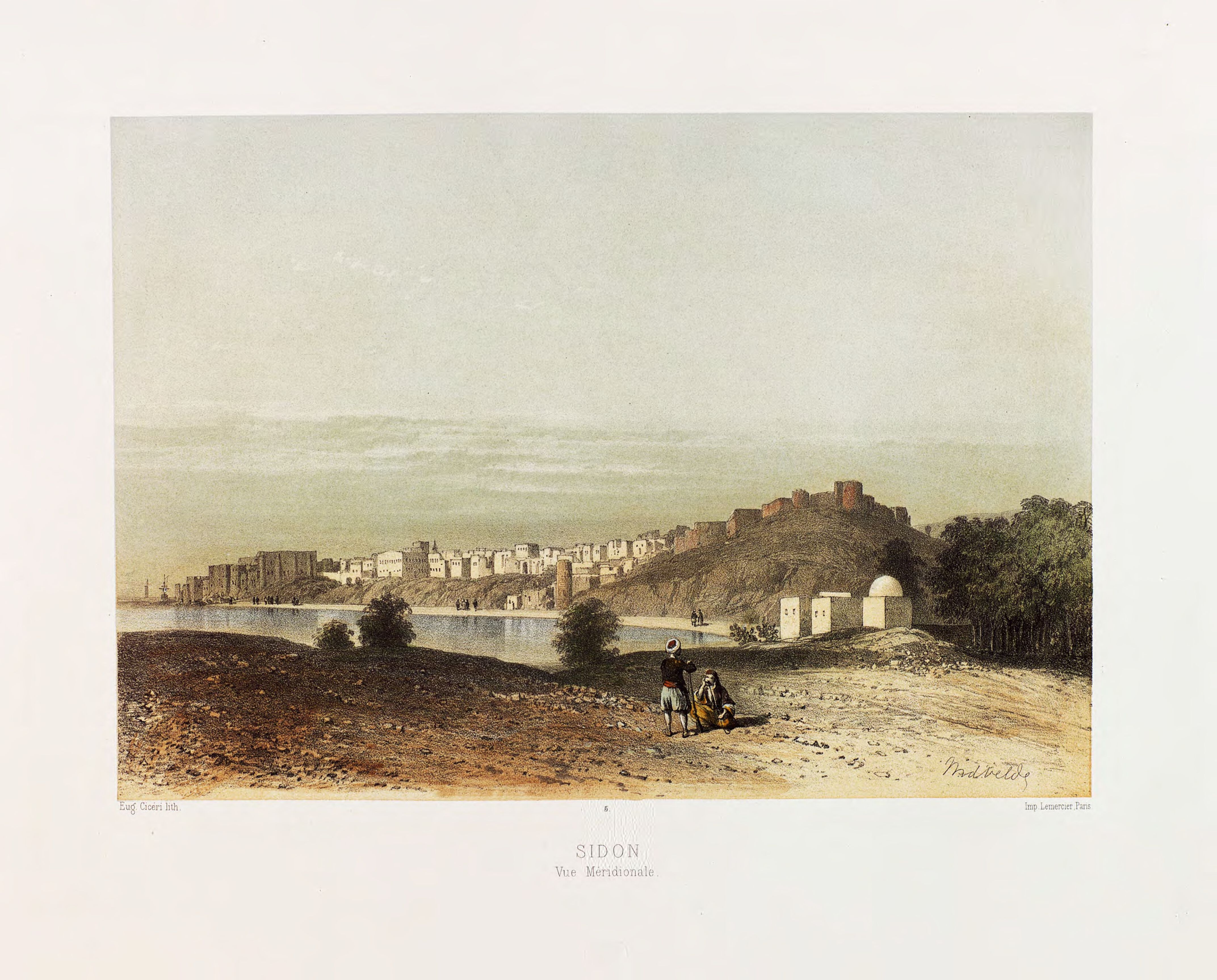
Sidon
Ancient Phoenician city with rich history
Tyre, Lebanon
Ancient Phoenician city with harbor remains
Temple of Eshmun
Phoenician healing temple with Greco-Persian influence
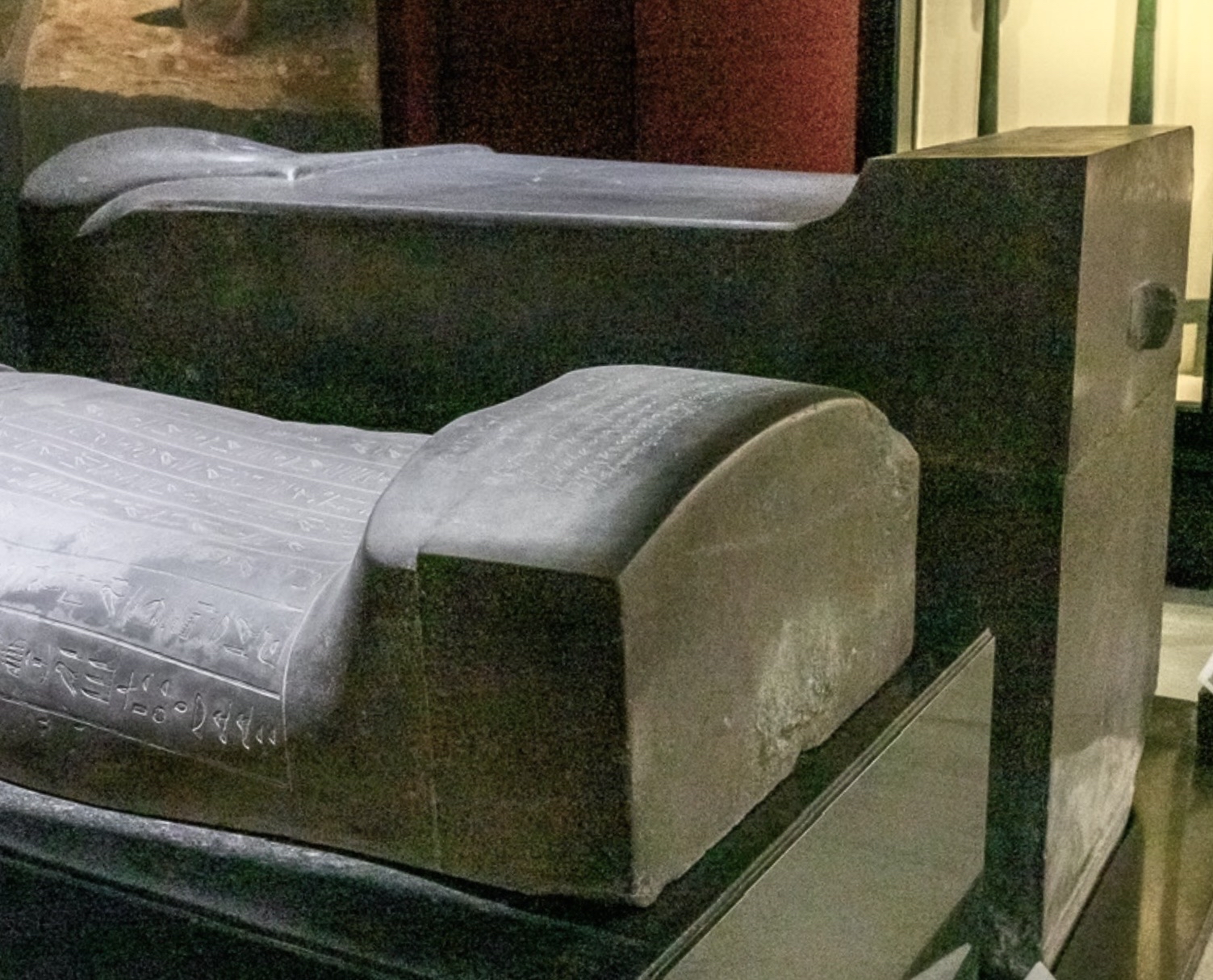
Royal necropolis of Ayaa
Subterranean necropolis with diverse sarcophagi styles.
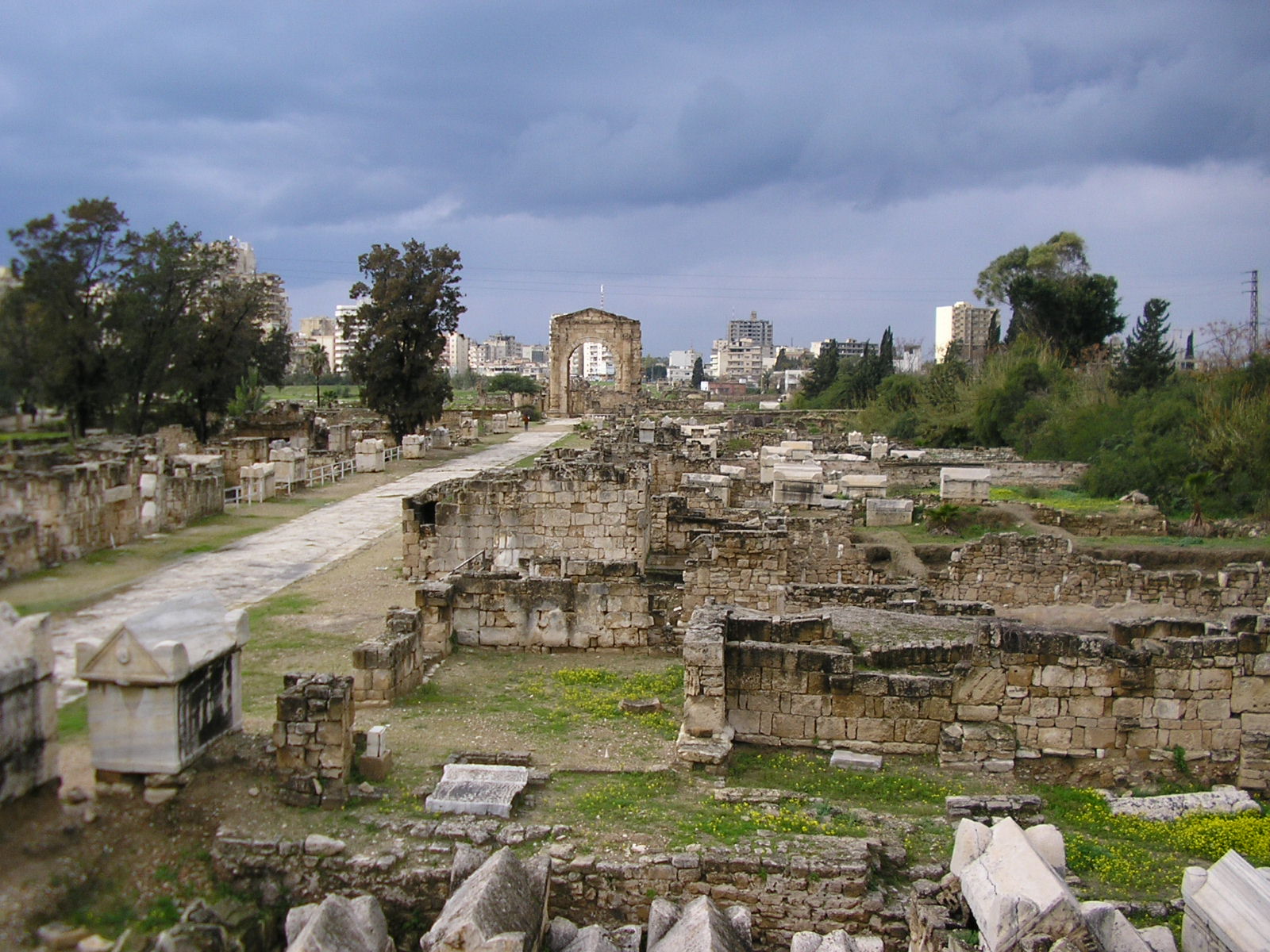
Tyre Necropolis
Ancient burial site with Roman and Phoenician relics