

Explore the Map
Tyre, Lebanon
33.2708° N, 35.1961° E
About
Tyre, located in modern Lebanon, is an archaeologically significant site known for its continuous habitation since the Bronze Age. It was a major Phoenician city-state and played a crucial role in Mediterranean trade due to its strategic harbors. The city saw various phases of occupation, including Persian and Hellenistic periods, with notable events such as its conquest by Alexander the Great in 332 BCE. The Roman period brought monumental constructions, and its remains, including the Tyre Hippodrome, contributed to its UNESCO World Heritage Site designation in 1984. Tyre's historical significance is intertwined with its contributions to maritime trade and cultural exchanges across the ancient world.
Gallery
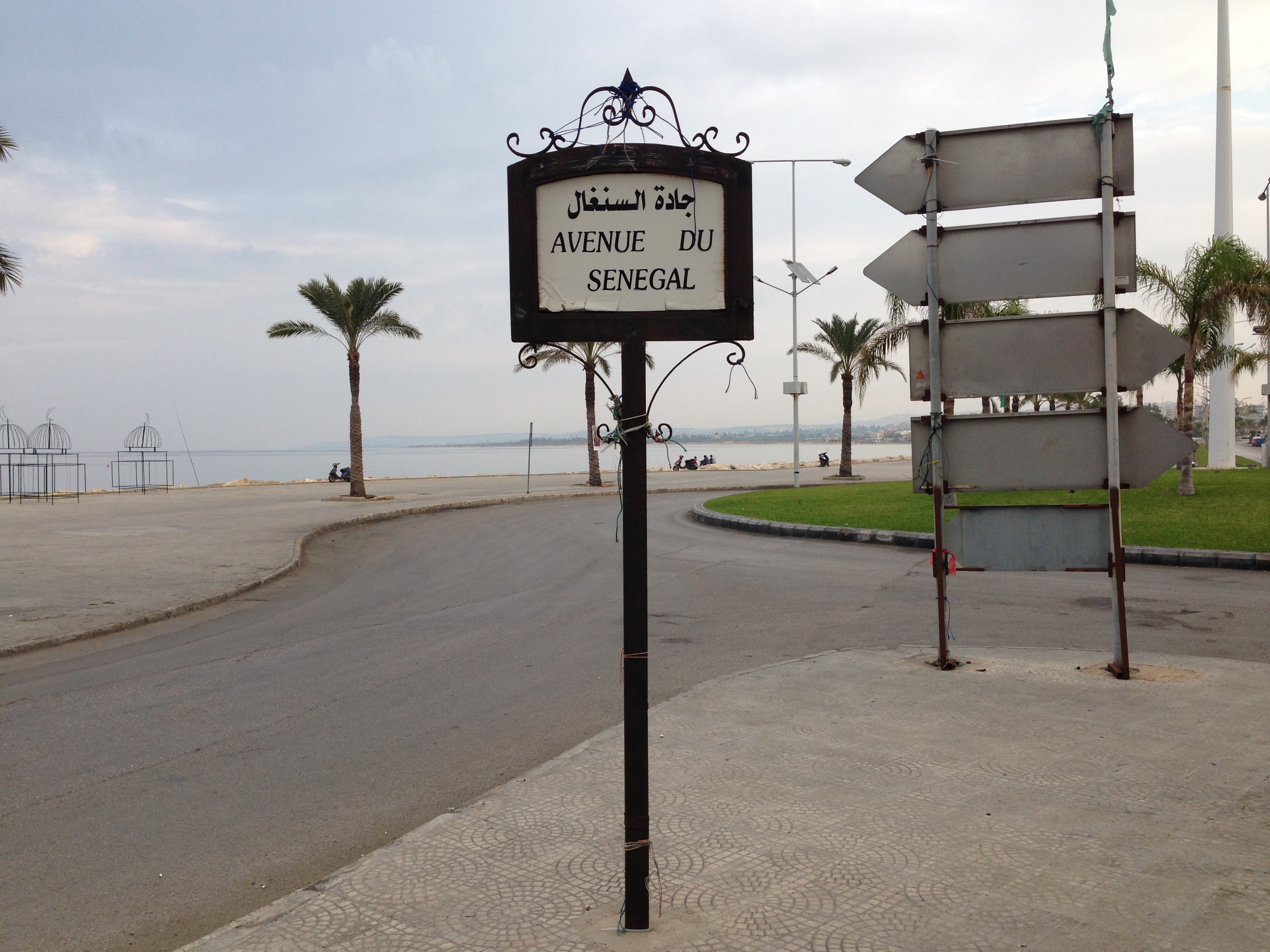
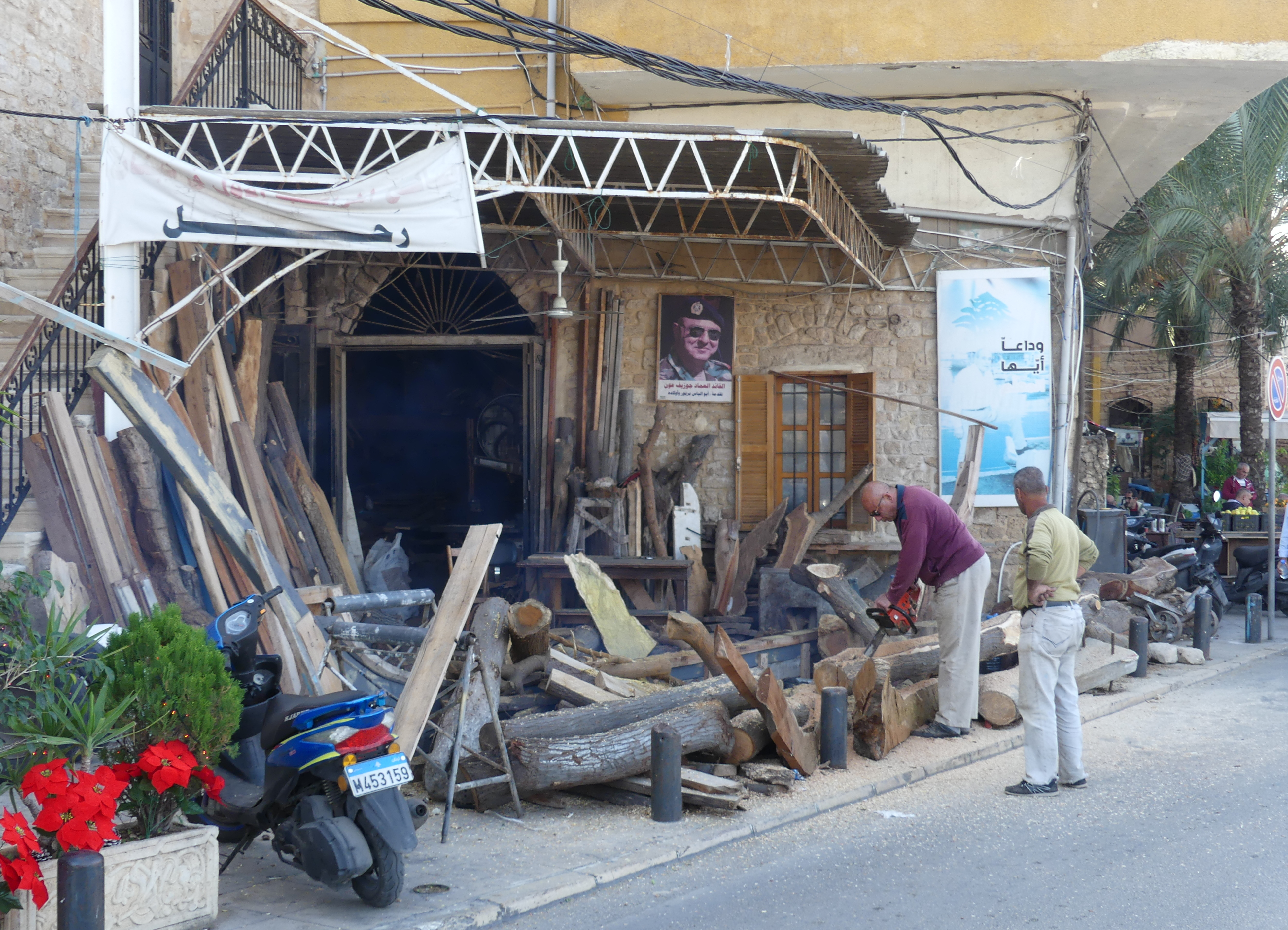
Explore photographs of ancient structures, artifacts, and archaeological excavations
Historical Timeline
Journey through time and discover key events in this site's history
Founding of Tyre
2750 BCE
Phoenician Prominence
900 BCE
Persian Rule
572 BCE
Conquest by Alexander
332 BCE
Roman Period
0 CE
Archaeological Features
Unique architectural and cultural elements found at this historical site
Defensive Structures
Water Management Features
Public and Civic Structures
Burial and Funerary Structures
Domestic and Habitation Structures
Transportation and Communication Structures
Plan Your Visit
Tours, travel arrangements, and practical information


More Sites in Lebanon
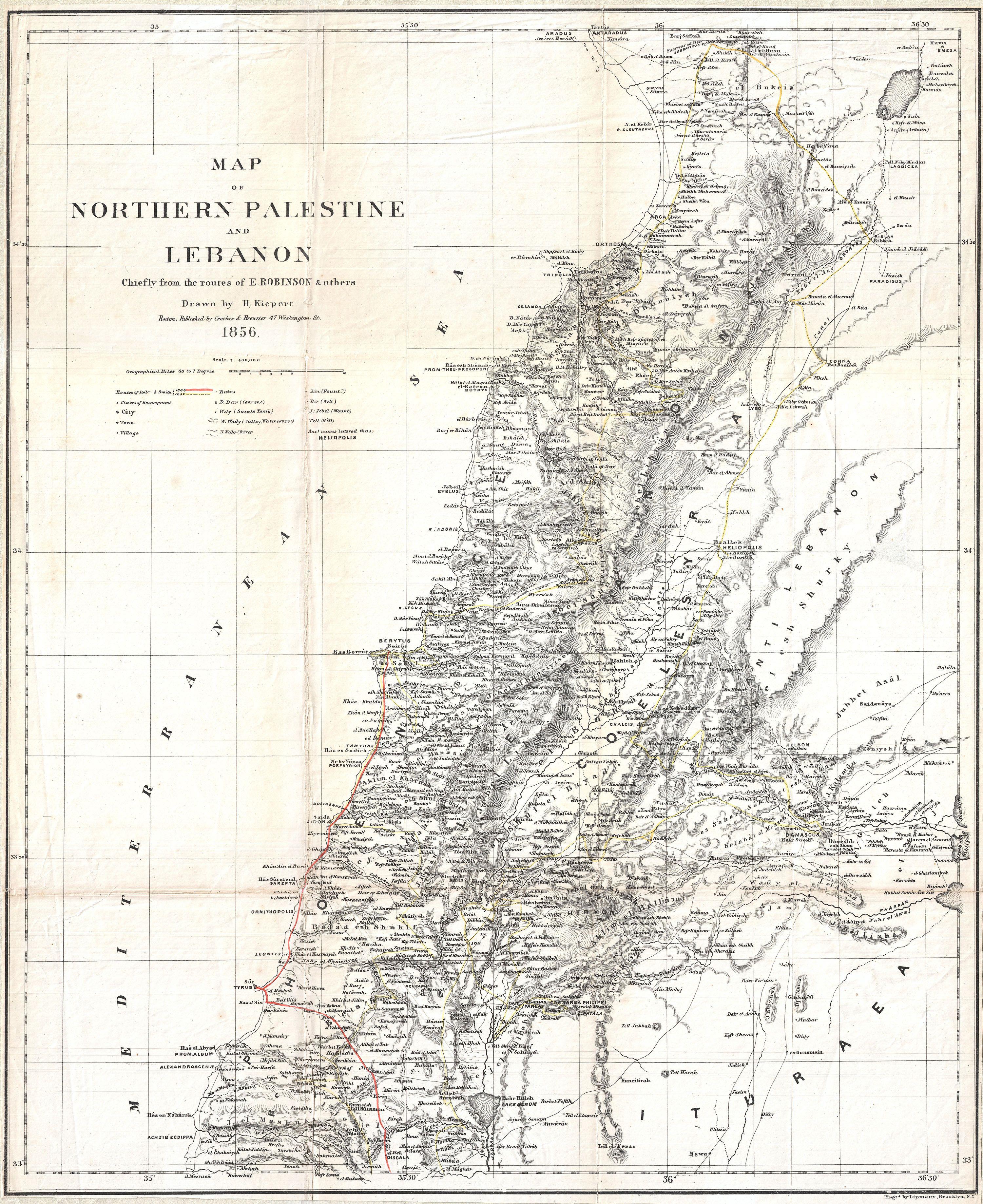
Baalbek
Ancient city with Roman temples and ruins
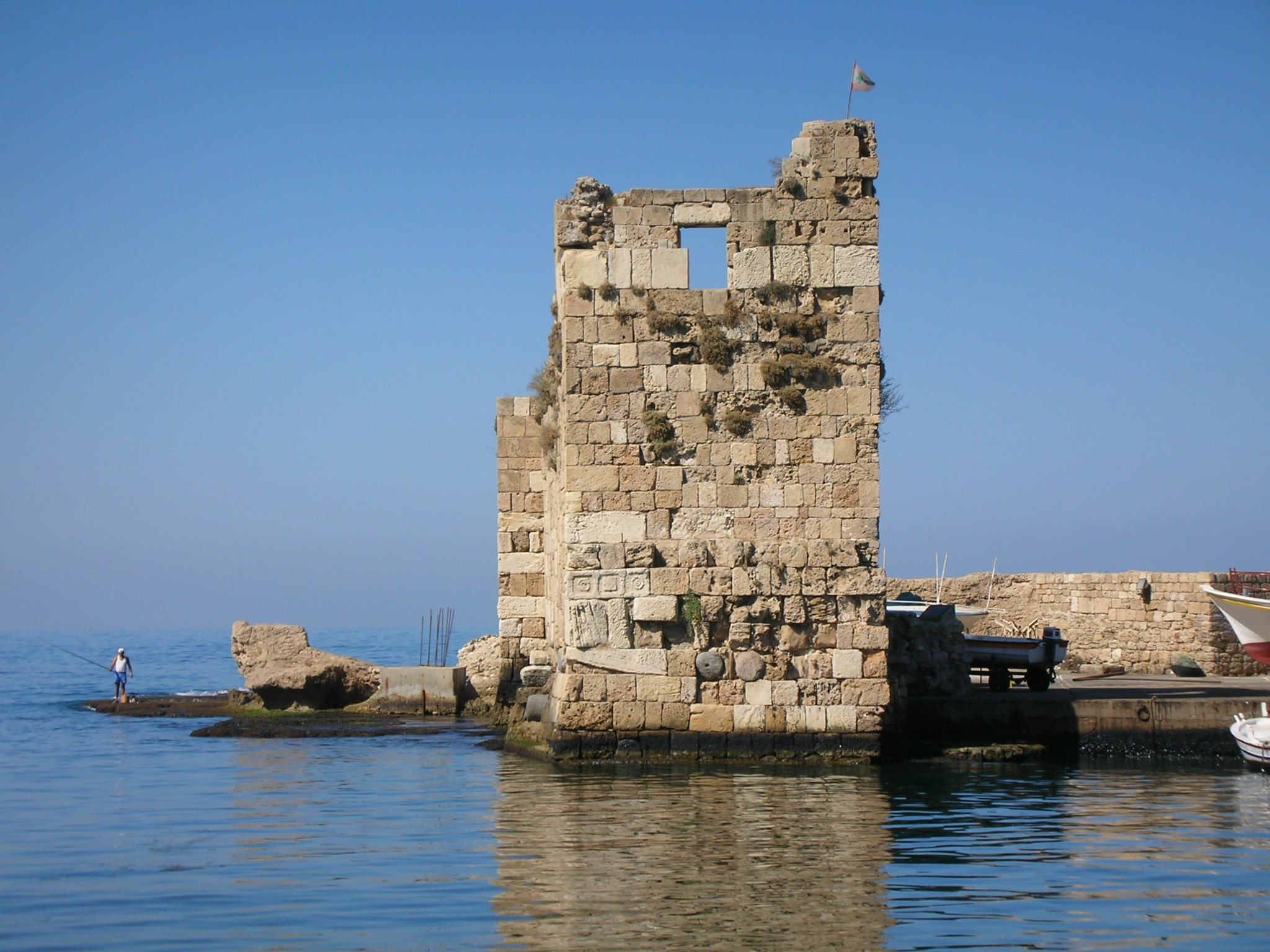
Byblos
Ancient city with layered historical strata
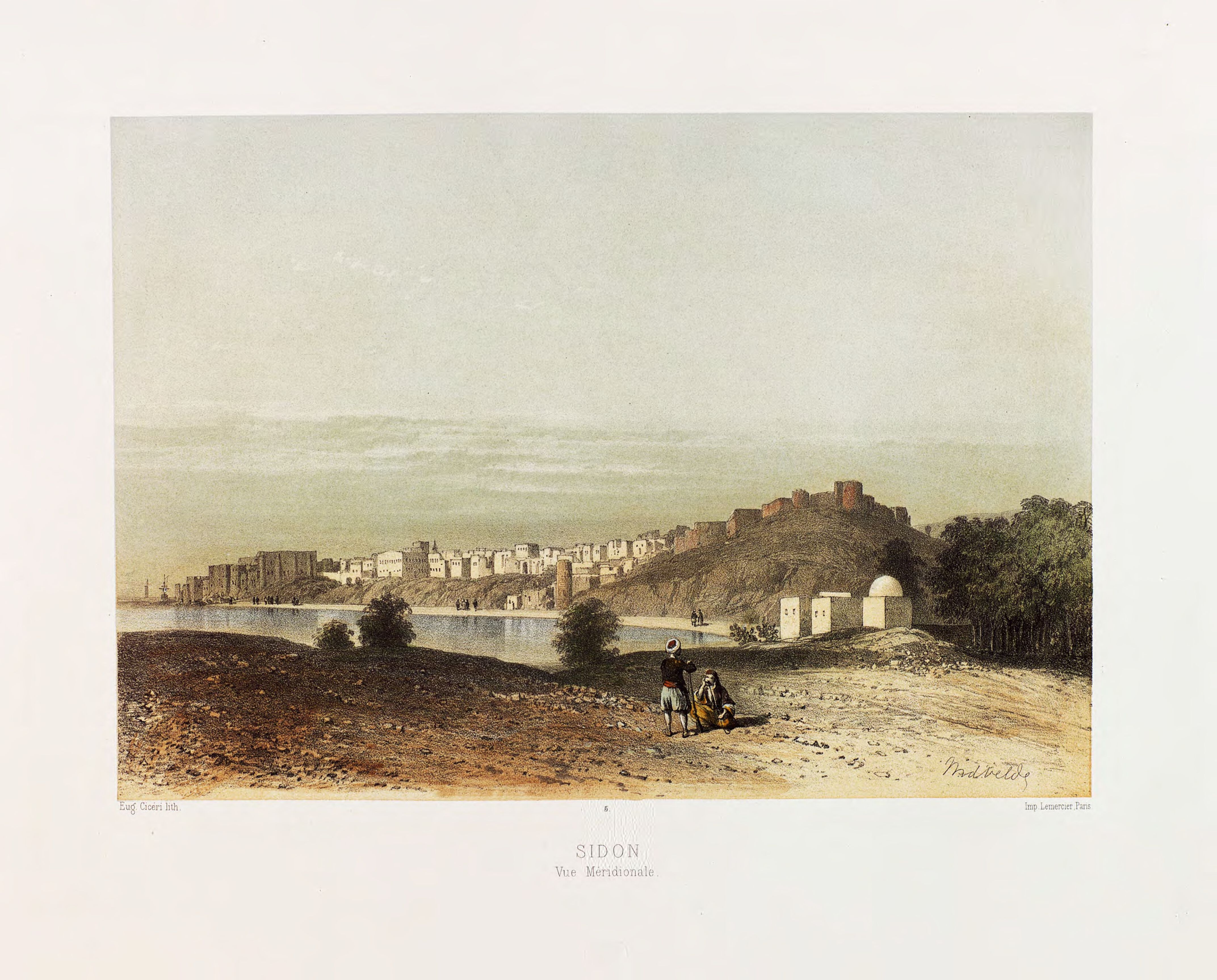
Sidon
Ancient Phoenician city with rich history
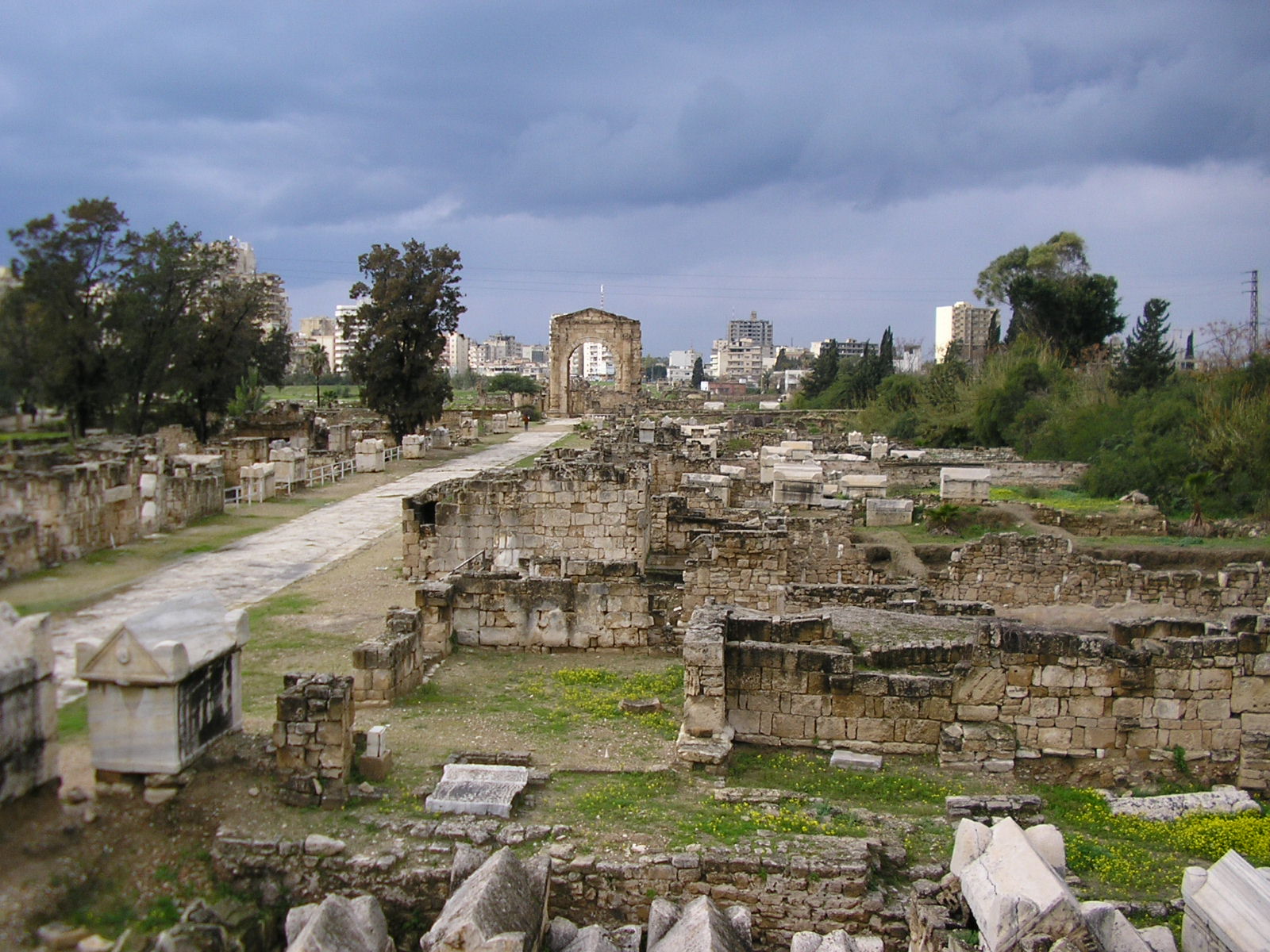
Tyre Necropolis
Ancient burial site with Roman and Phoenician relics
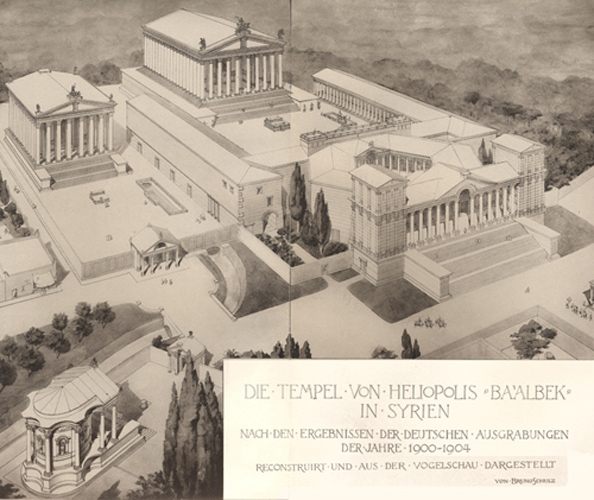
Temple of Eshmun
Phoenician healing temple with Greco-Persian influence
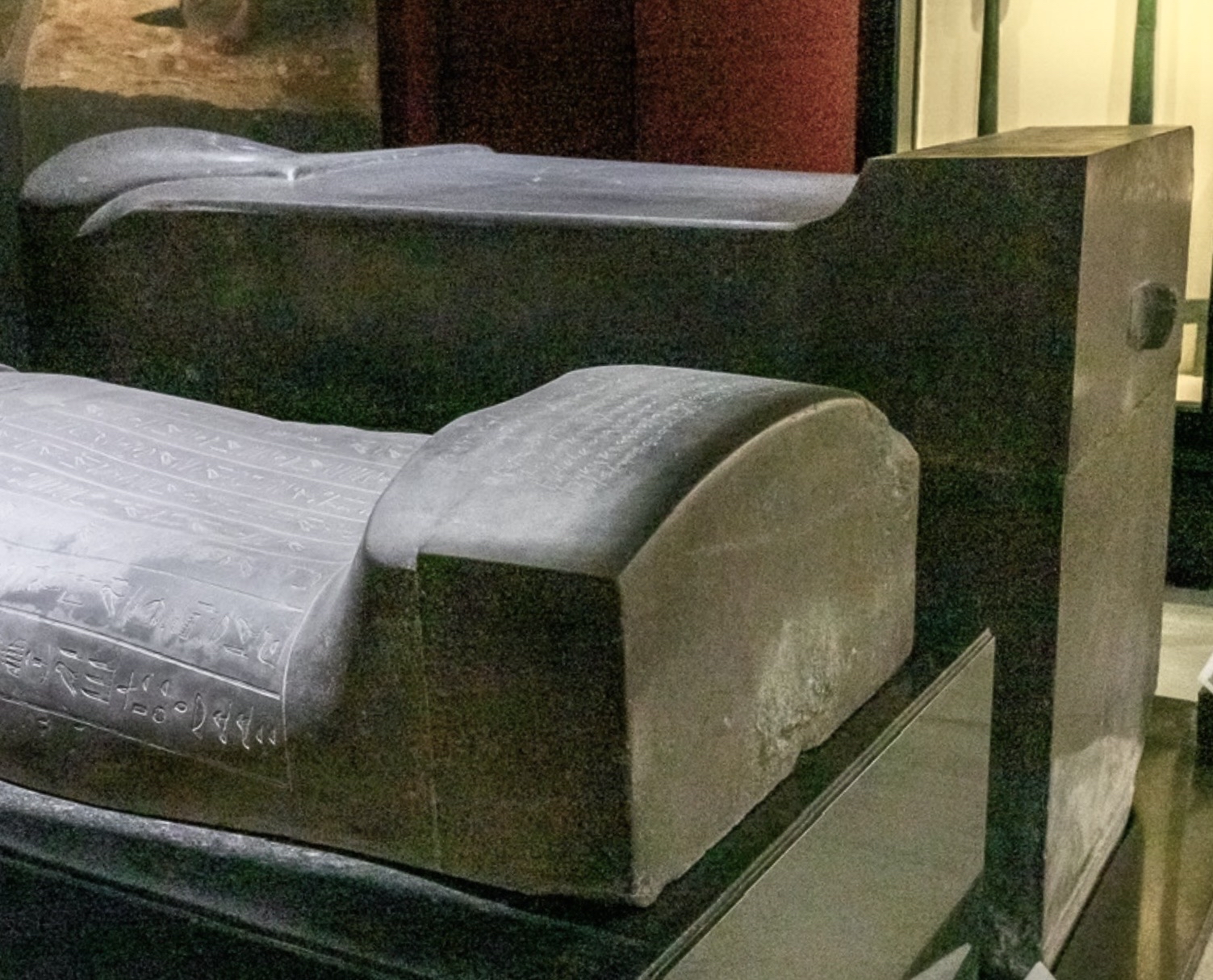
Royal necropolis of Ayaa
Subterranean necropolis with diverse sarcophagi styles.