
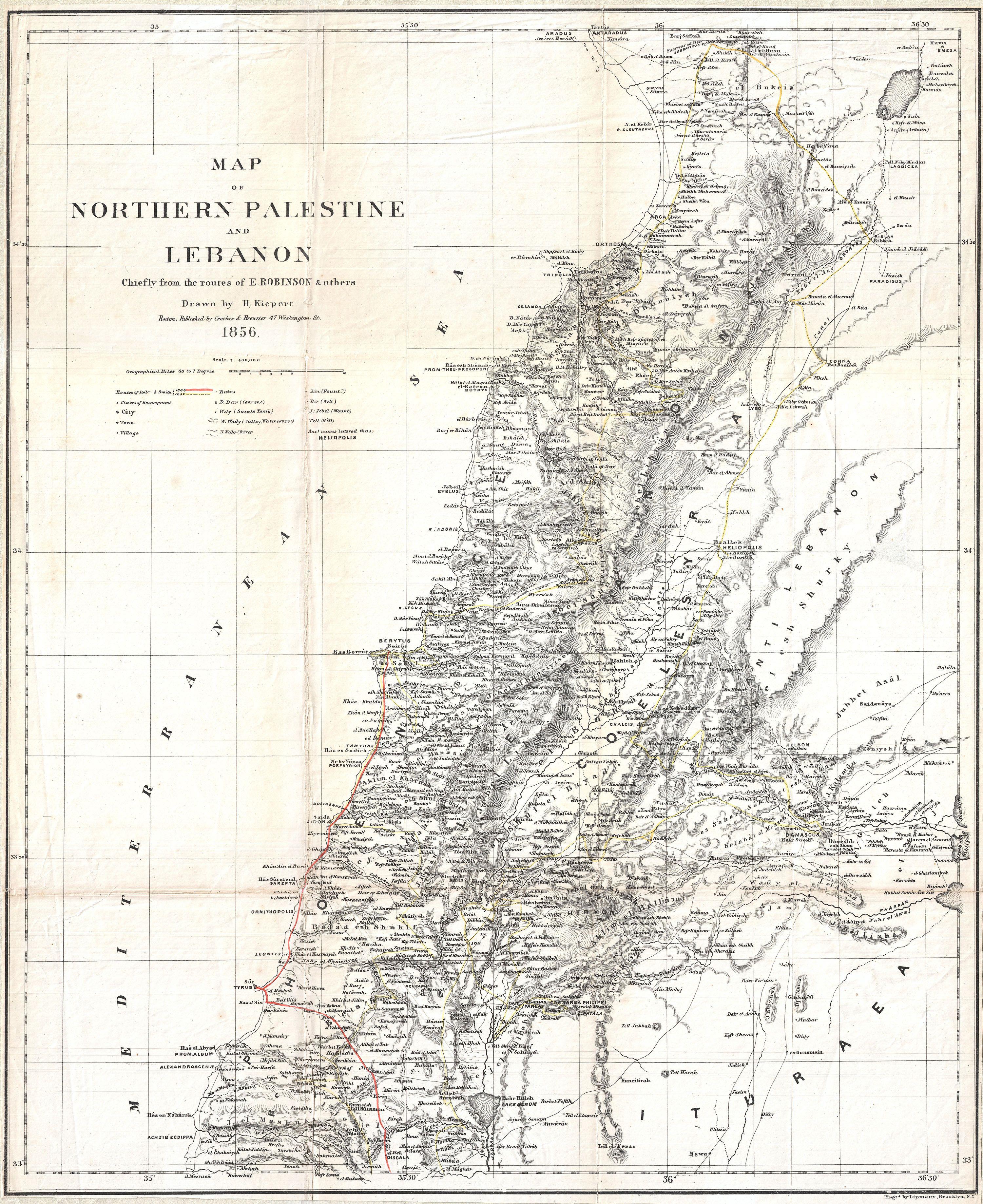
Explore the Map
Temple of Eshmun
33.5856° N, 35.3981° E
About
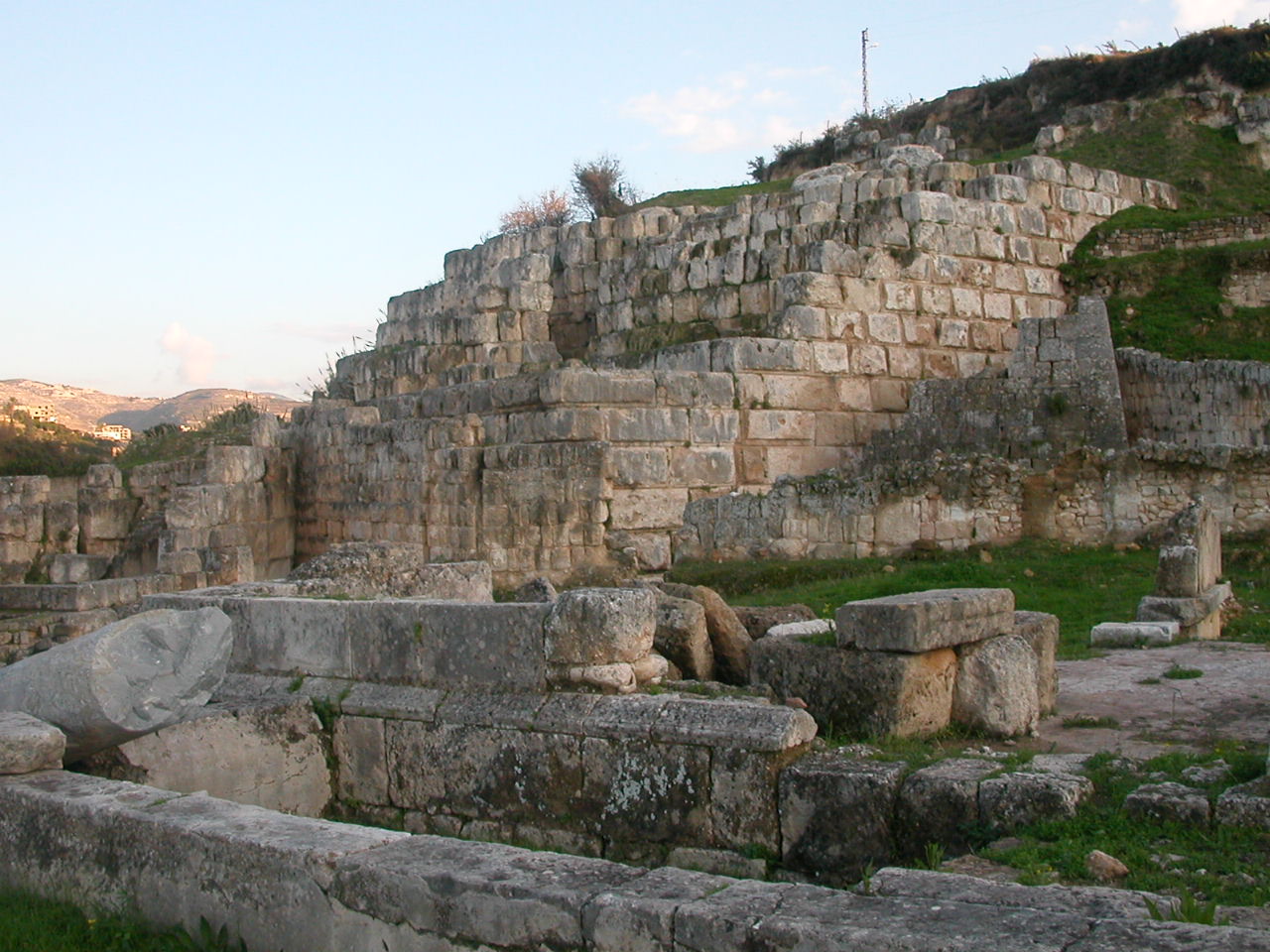
The Temple of Eshmun, located near Sidon in modern-day Lebanon, is a significant archaeological site that served as a center for the worship of Eshmun, the Phoenician god of healing. Originally constructed in the 6th century BCE by the Sidonian king Eshmunazar II, the temple complex was expanded over the centuries by subsequent rulers such as Bodashtart and Yatonmilk. The site is noted for its diverse architectural styles, reflecting the various cultural influences from the Achaemenid to the Roman periods. Key features include a monumental podium, Greco-Persian style temple remains, ritual ablution basins, and a network of water channels. The site was occupied from the 7th century BCE until the 8th century CE, witnessing periods of prosperity and decline, especially after the rise of Christianity. Excavations have uncovered valuable Phoenician inscriptions and artifacts, providing insights into the temple's religious significance and the broader history of ancient Sidon.
Gallery
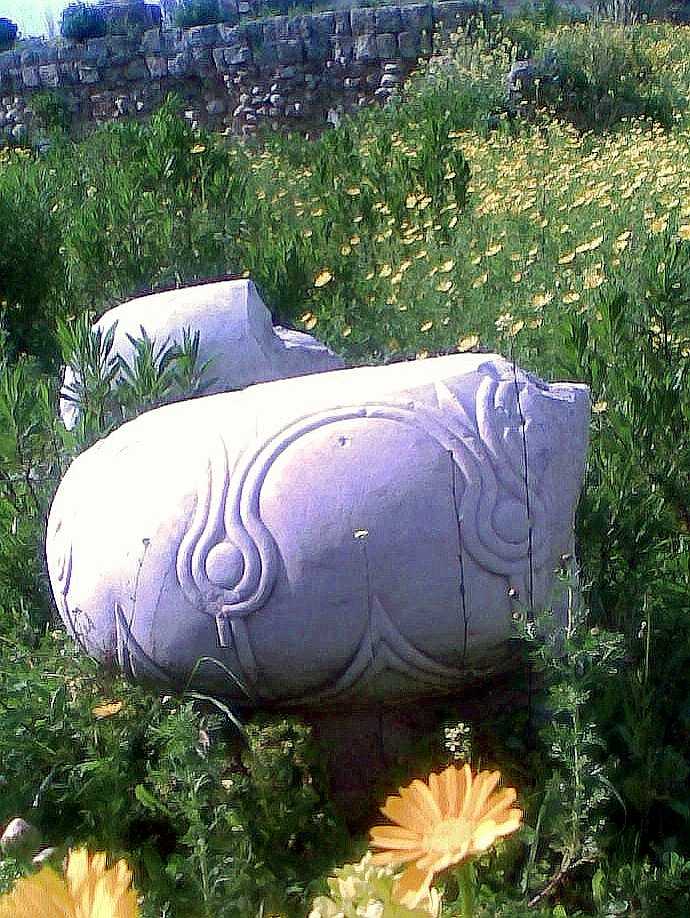
Explore photographs of ancient structures, artifacts, and archaeological excavations
Historical Timeline
Journey through time and discover key events in this site's history
7th century BC occupation
Podium built by Bodashtart and Yatonmilk
4th century BC earthquake
Roman enhancements
Temple decline
Construction by Eshmunazar II
c. 529–333 BCE
Archaeological Features
Unique architectural and cultural elements found at this historical site
Water Management Features
Religious and Ritual Structures
Artistic and Decorative Features
Agricultural and Land Use Features
Transportation and Communication Structures
Frequently Asked Questions
Plan Your Visit
Tours, travel arrangements, and practical information


More Sites in Lebanon
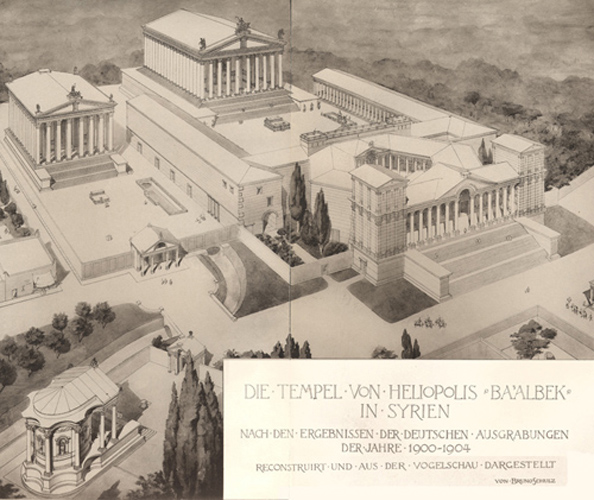
Baalbek
Ancient city with Roman temples and ruins
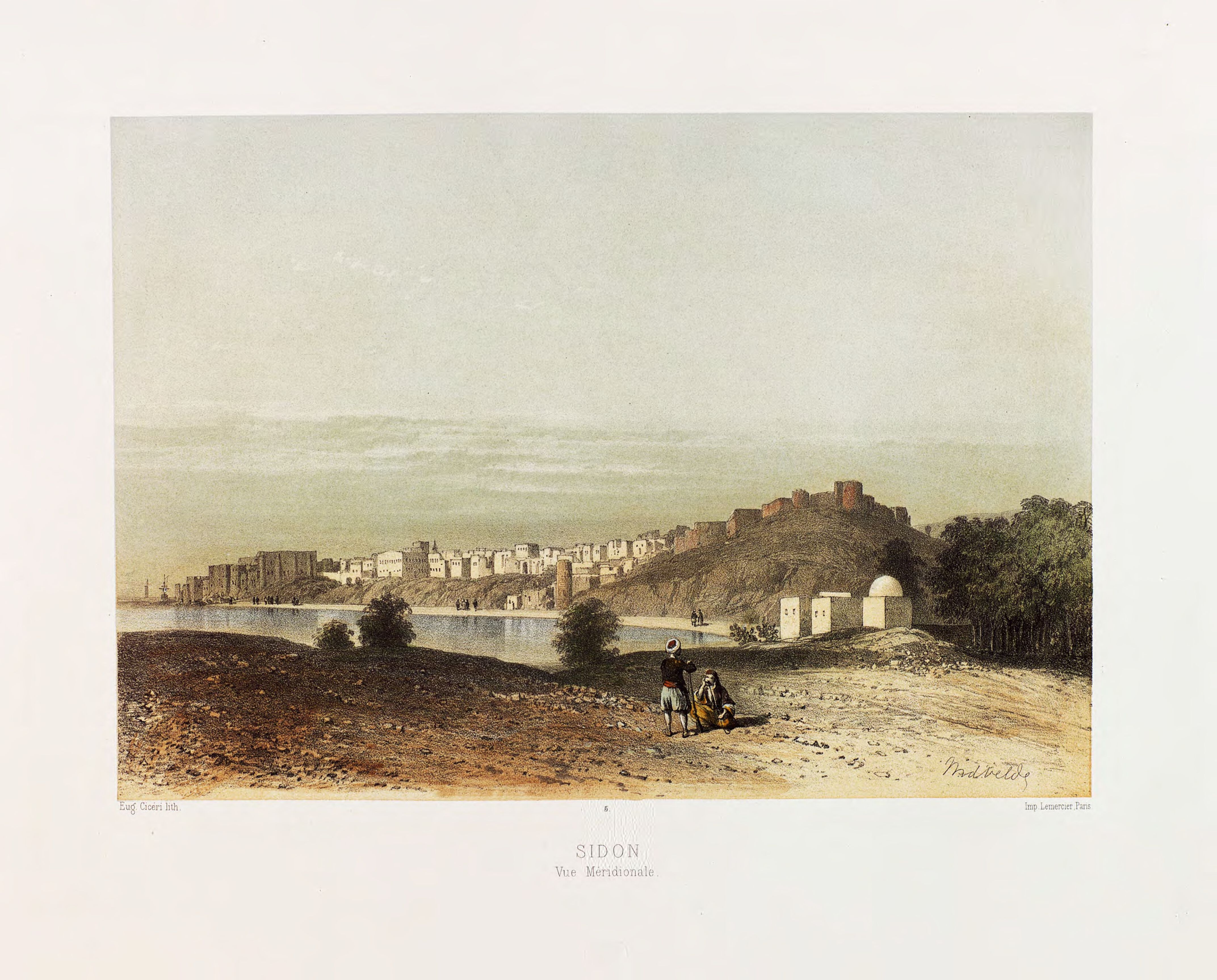
Sidon
Ancient Phoenician city with rich history
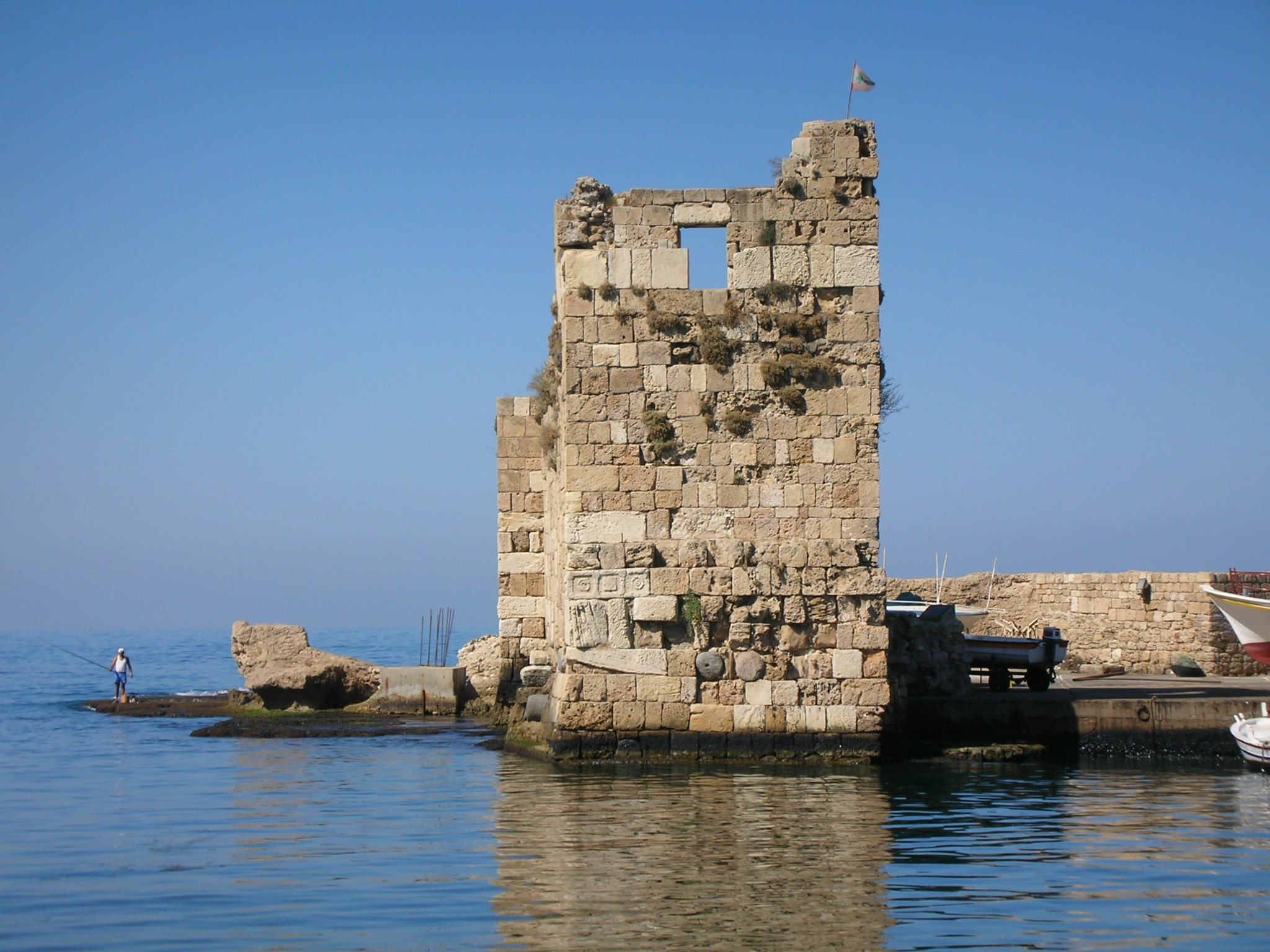
Byblos
Ancient city with layered historical strata
Tyre, Lebanon
Ancient Phoenician city with harbor remains
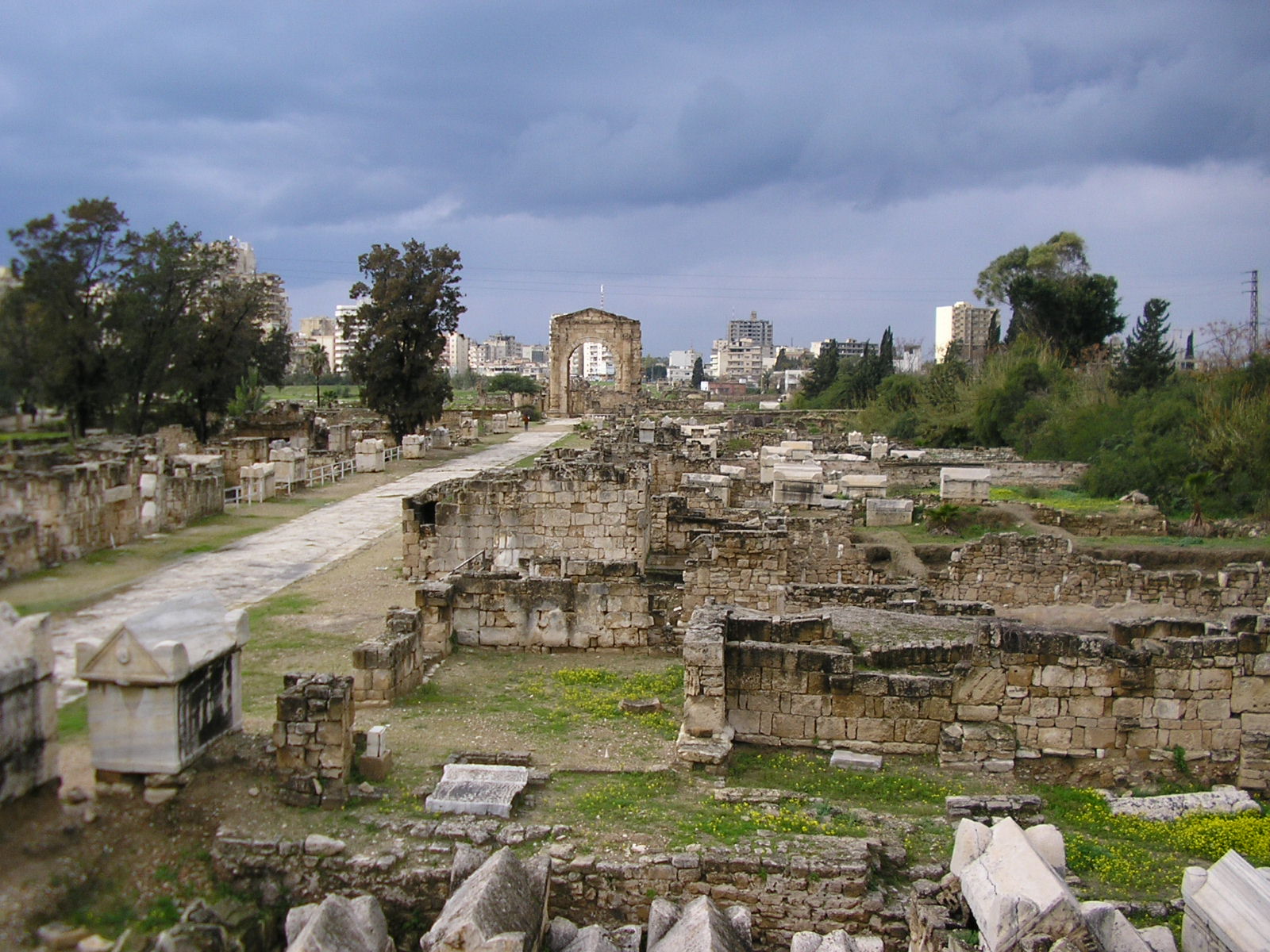
Tyre Necropolis
Ancient burial site with Roman and Phoenician relics
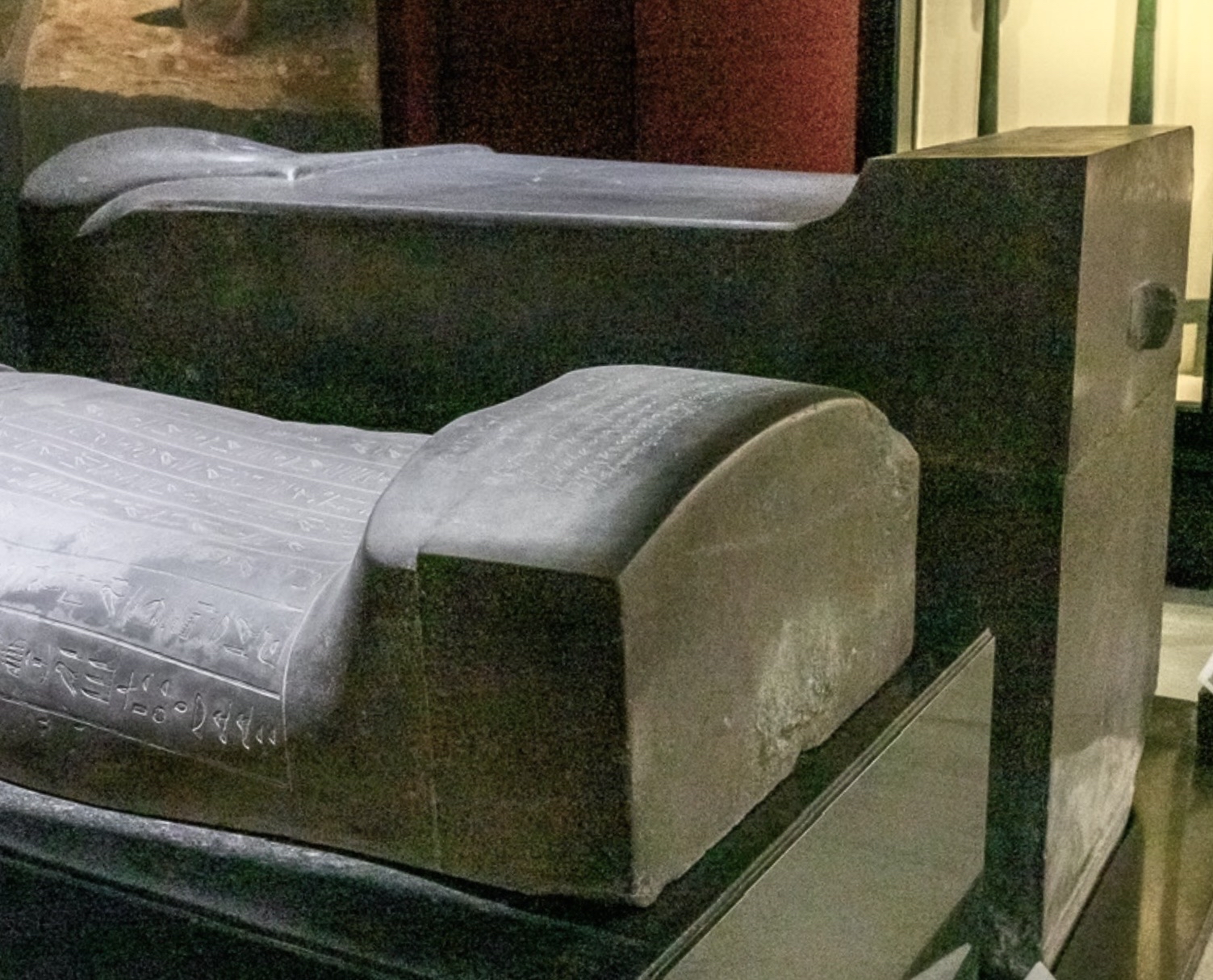
Royal necropolis of Ayaa
Subterranean necropolis with diverse sarcophagi styles.