Explore the Map
Stelae of Nahr el-Kalb
33.9555° N, 35.5967° E
About
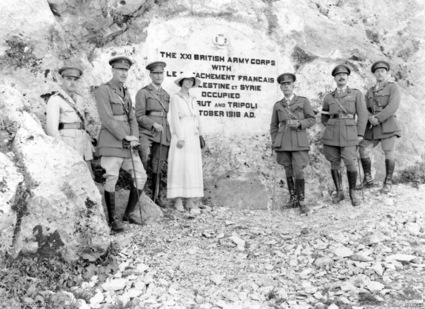
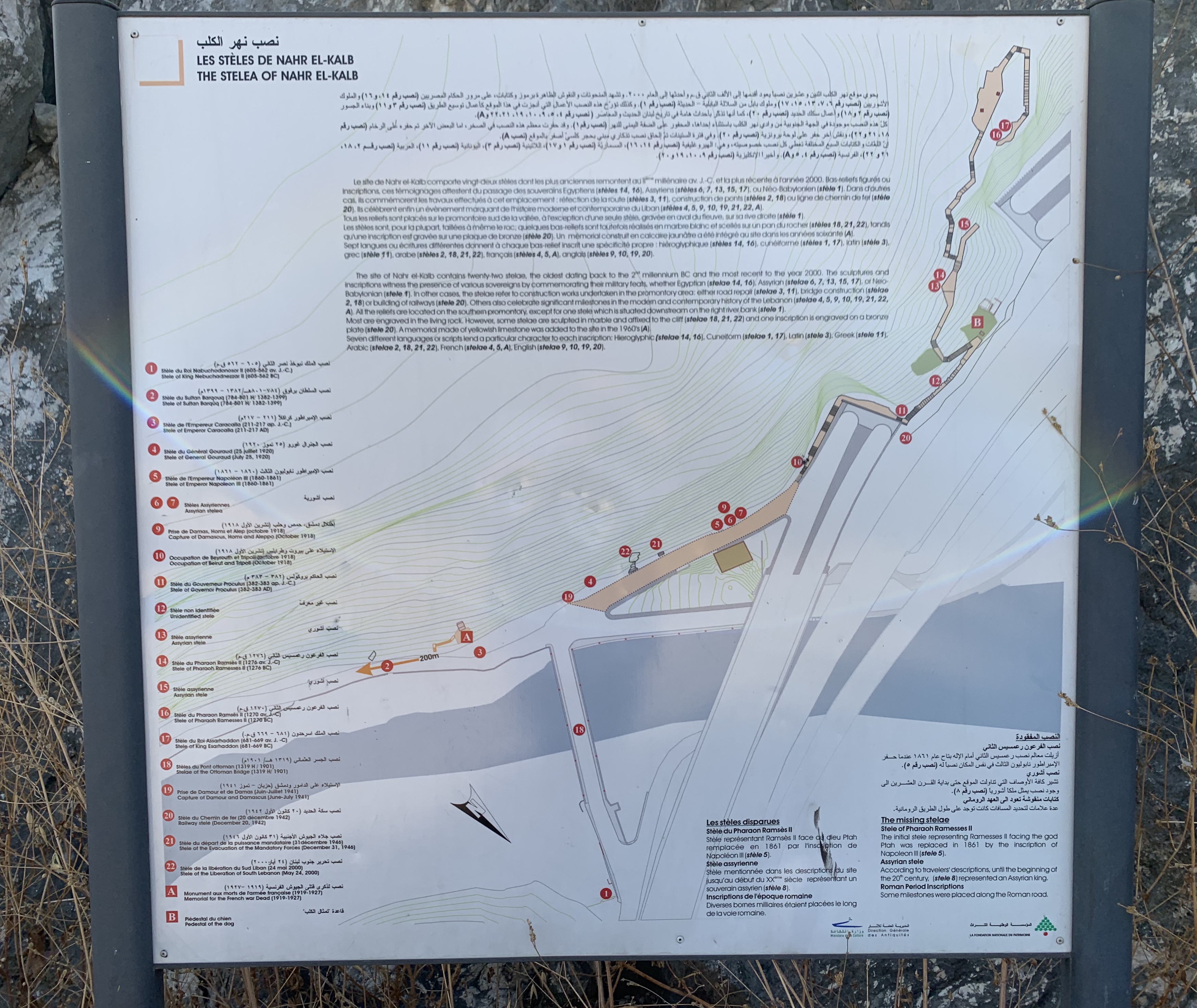
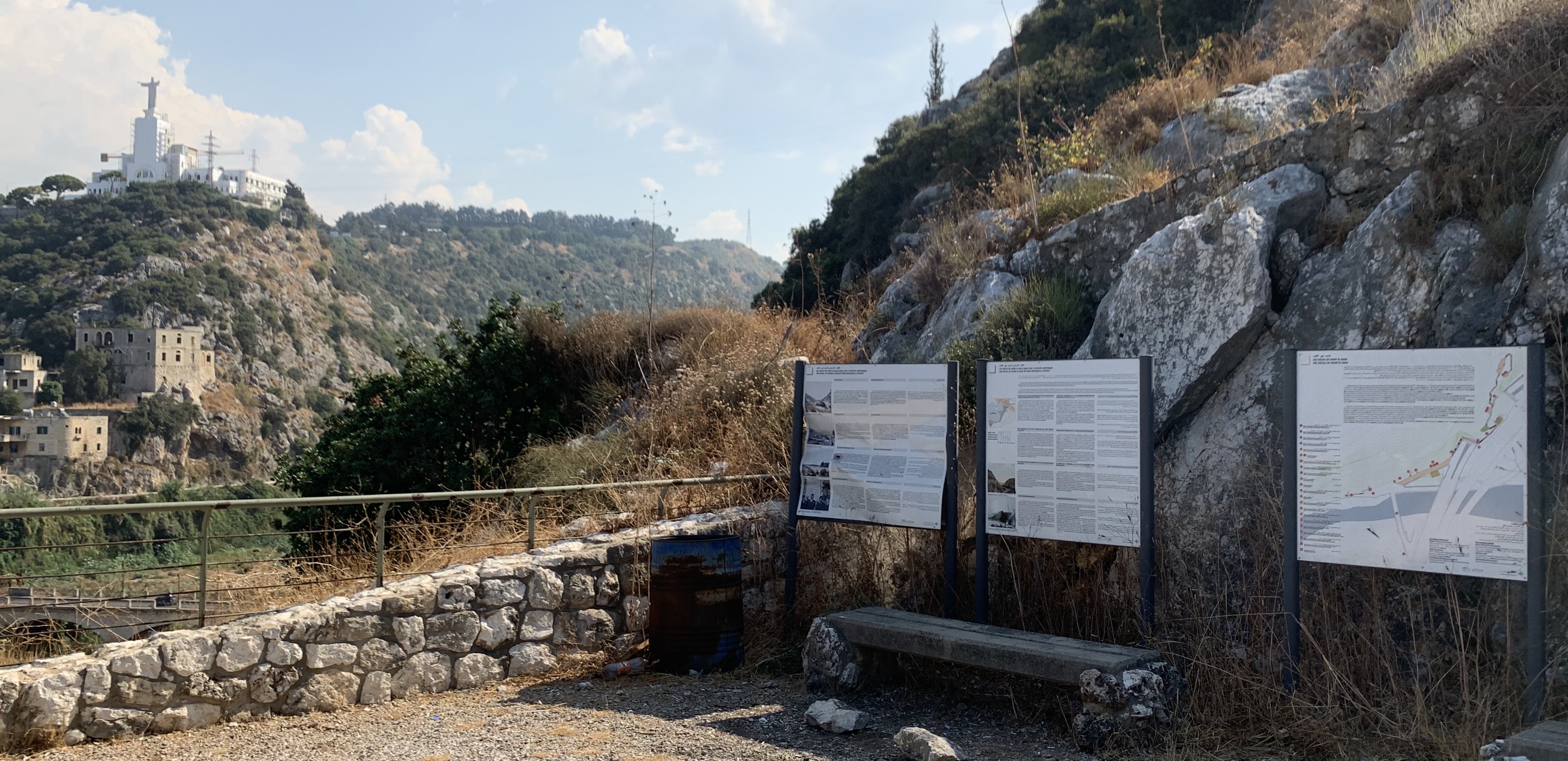
The Stelae of Nahr el-Kalb near Beirut, Lebanon, are a remarkable testament to the diverse historical influences in the region, with over 20 inscriptions and rock reliefs. These carvings, found on the limestone cliffs around the Dog River, chronicle significant events from various eras, starting with the Late Bronze Age Egyptian campaigns of Ramesses II. The site also features inscriptions from the Neo-Assyrian and Neo-Babylonian periods, including those by Esarhaddon and Nebuchadnezzar II. The Classical period is represented by Roman and Greek inscriptions, notably from Emperor Caracalla. Islamic inscriptions from Mamluk and Druze leaders, as well as colonial and modern inscriptions marking events such as Napoleon III's intervention and Lebanese independence, illustrate the site's continued historical significance. Recognized by UNESCO, the stelae encapsulate the region's complex history.
Gallery
Explore photographs of ancient structures, artifacts, and archaeological excavations
Historical Timeline
Journey through time and discover key events in this site's history
Esarhaddon Inscription
671 BCE
Caracalla Road Construction
211–217 CE
Theodosius I Inscription
382 CE
Nebuchadnezzar II Inscription
c. 605–562 BCE
Ramesses II Campaign
c. 1279–1213 BCE
Barquq Inscription
1382–1399 CE
Fakhr-al-Din II Inscription
1572–1635 CE
Napoleon III's Intervention
1860–1861 CE
Lebanese Independence Inscription
1943 CE
Archaeological Features
Unique architectural and cultural elements found at this historical site
Religious and Ritual Structures
Artistic and Decorative Features
Frequently Asked Questions
Plan Your Visit
Tours, travel arrangements, and practical information
More Sites in Lebanon
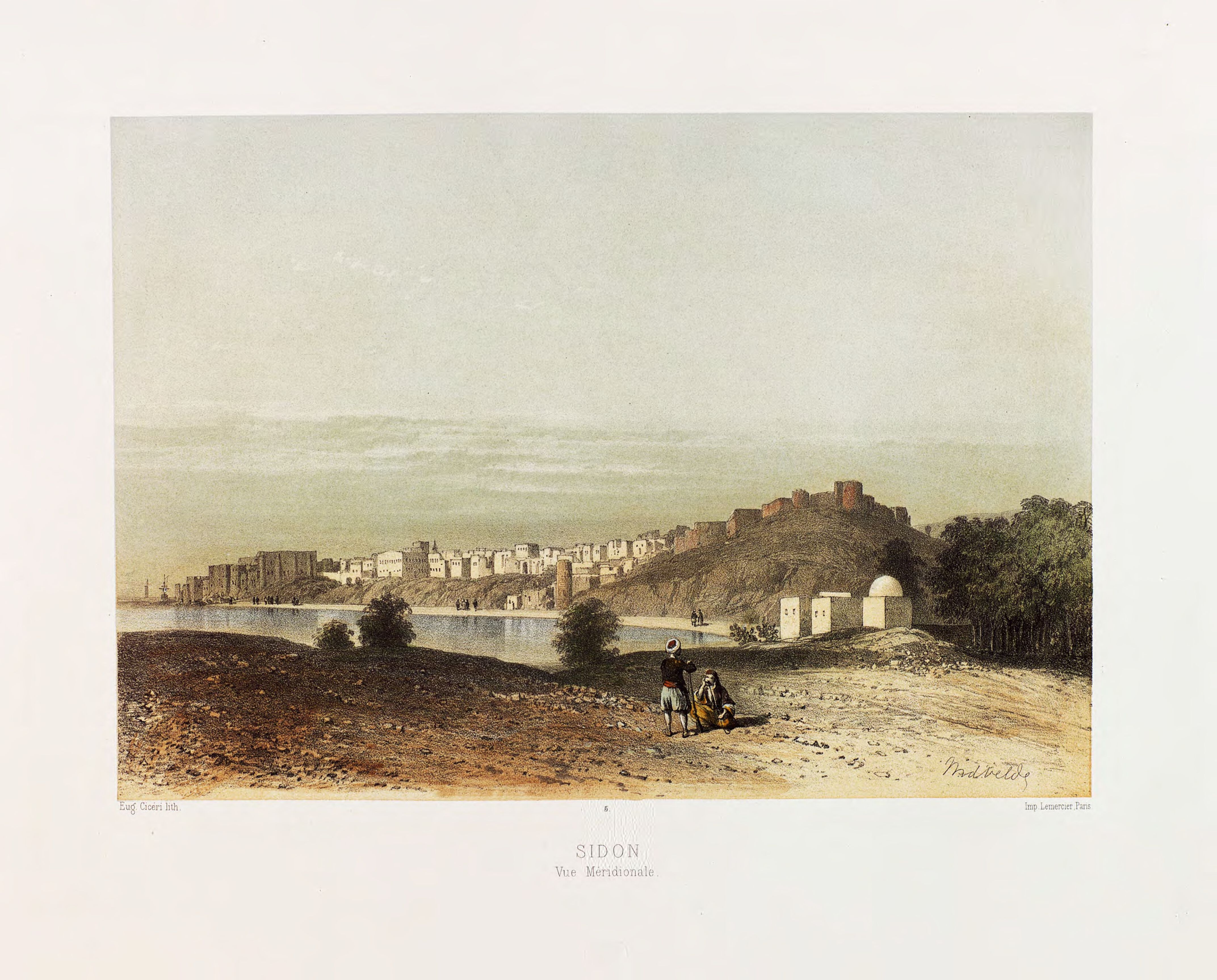
Sidon
Ancient Phoenician city with rich history
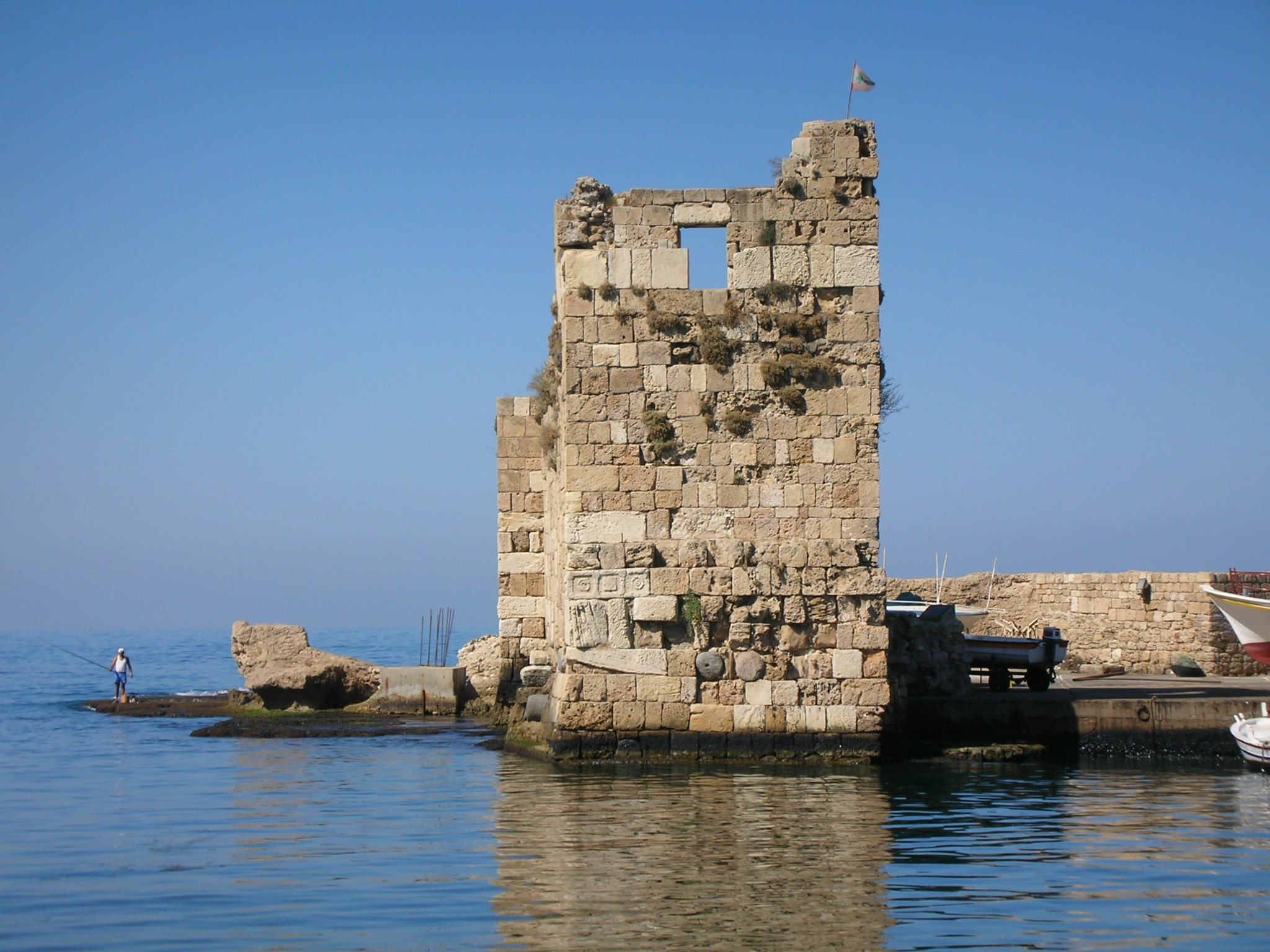
Byblos
Ancient city with layered historical strata
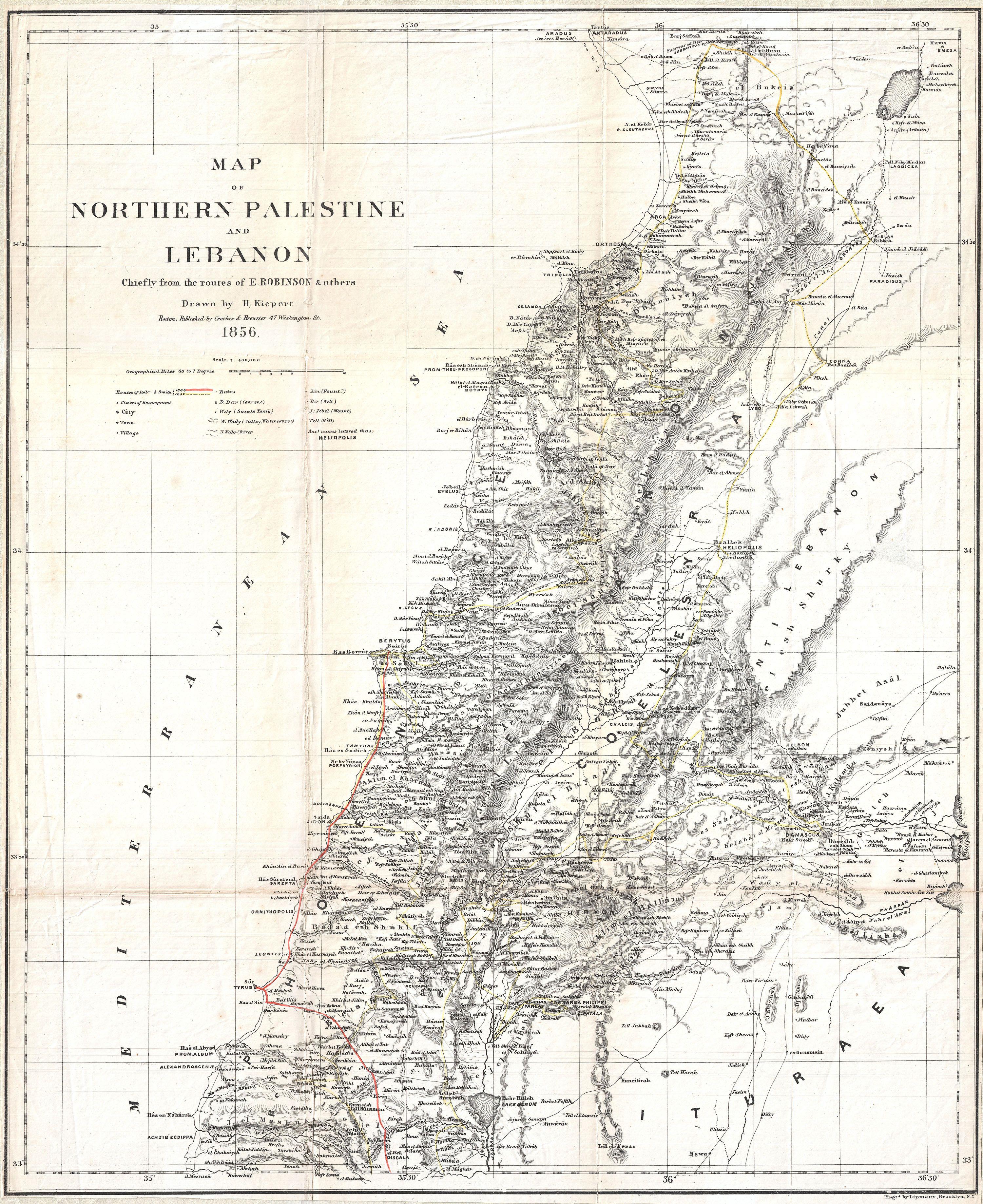
Baalbek
Ancient city with Roman temples and ruins
Tyre, Lebanon
Ancient Phoenician city with harbor remains
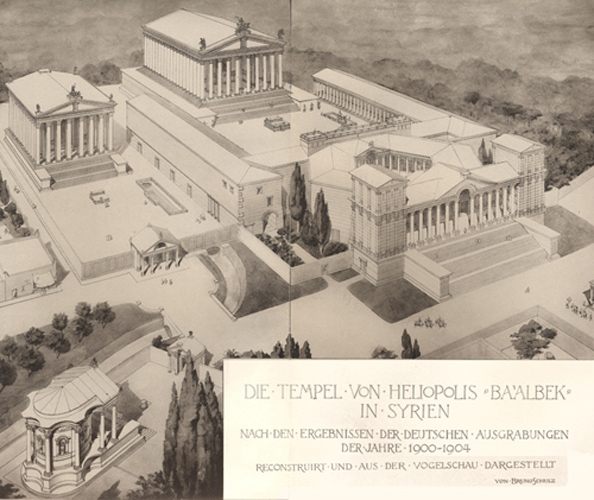
Temple of Eshmun
Phoenician healing temple with Greco-Persian influence
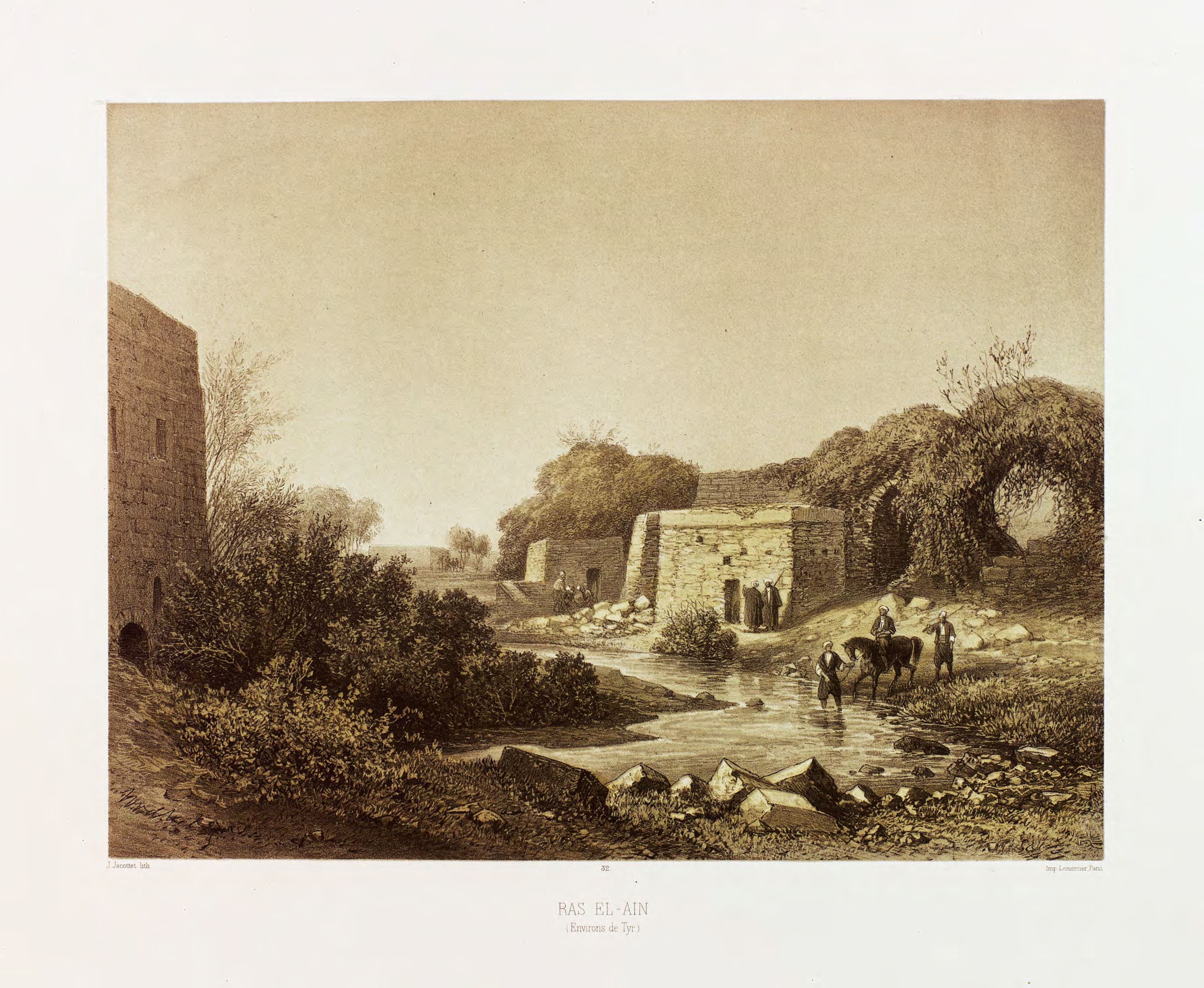
Ras al-Ain, Lebanon
Ancient fountains, reservoirs, and Roman aqueducts