Explore the Map
Royal necropolis of Ayaa
33.5673° N, 35.3844° E
About
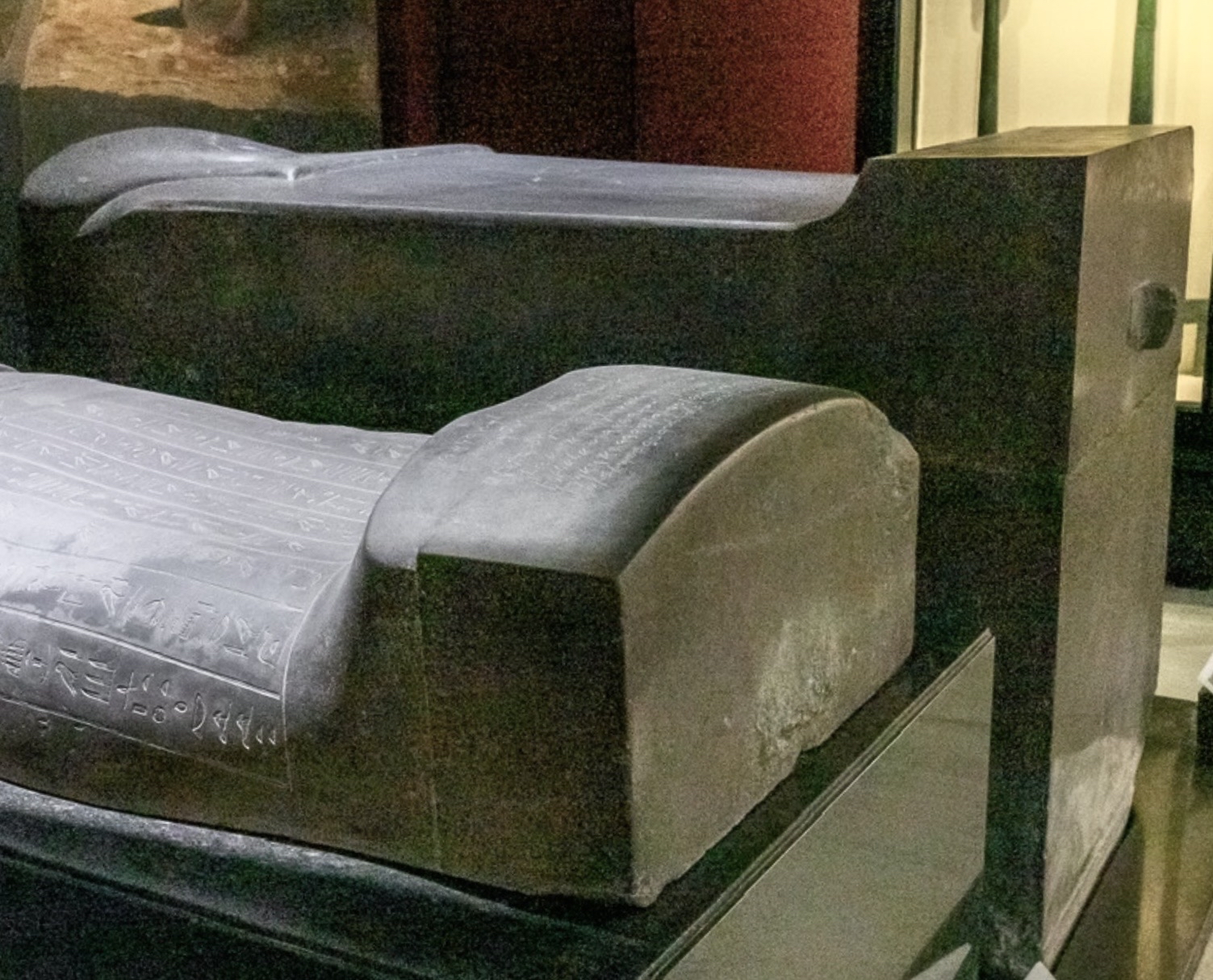
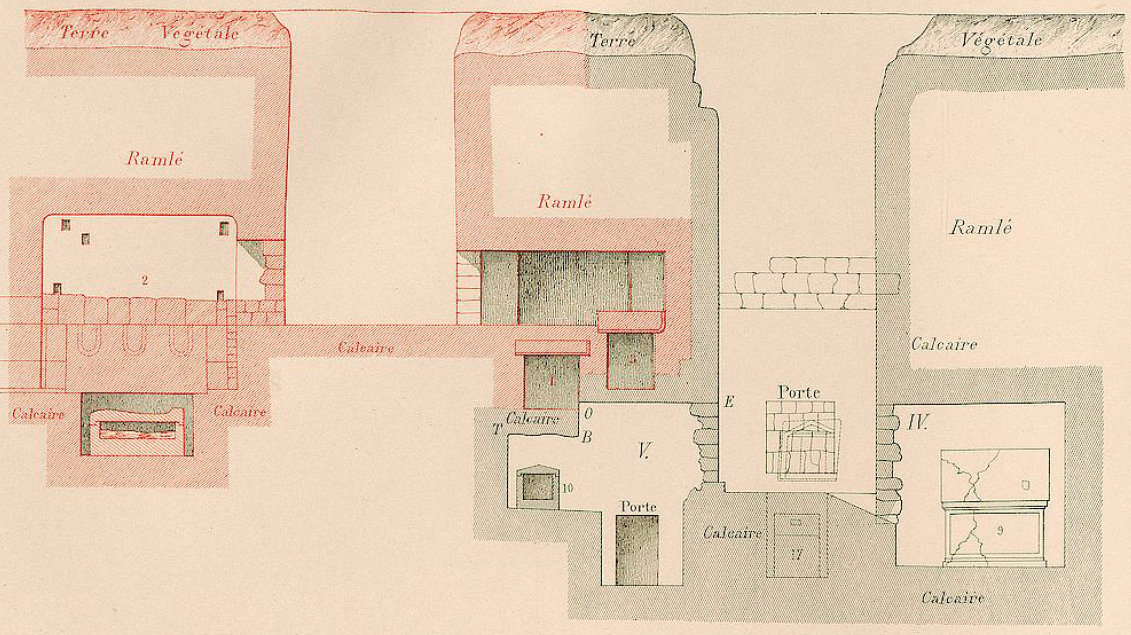
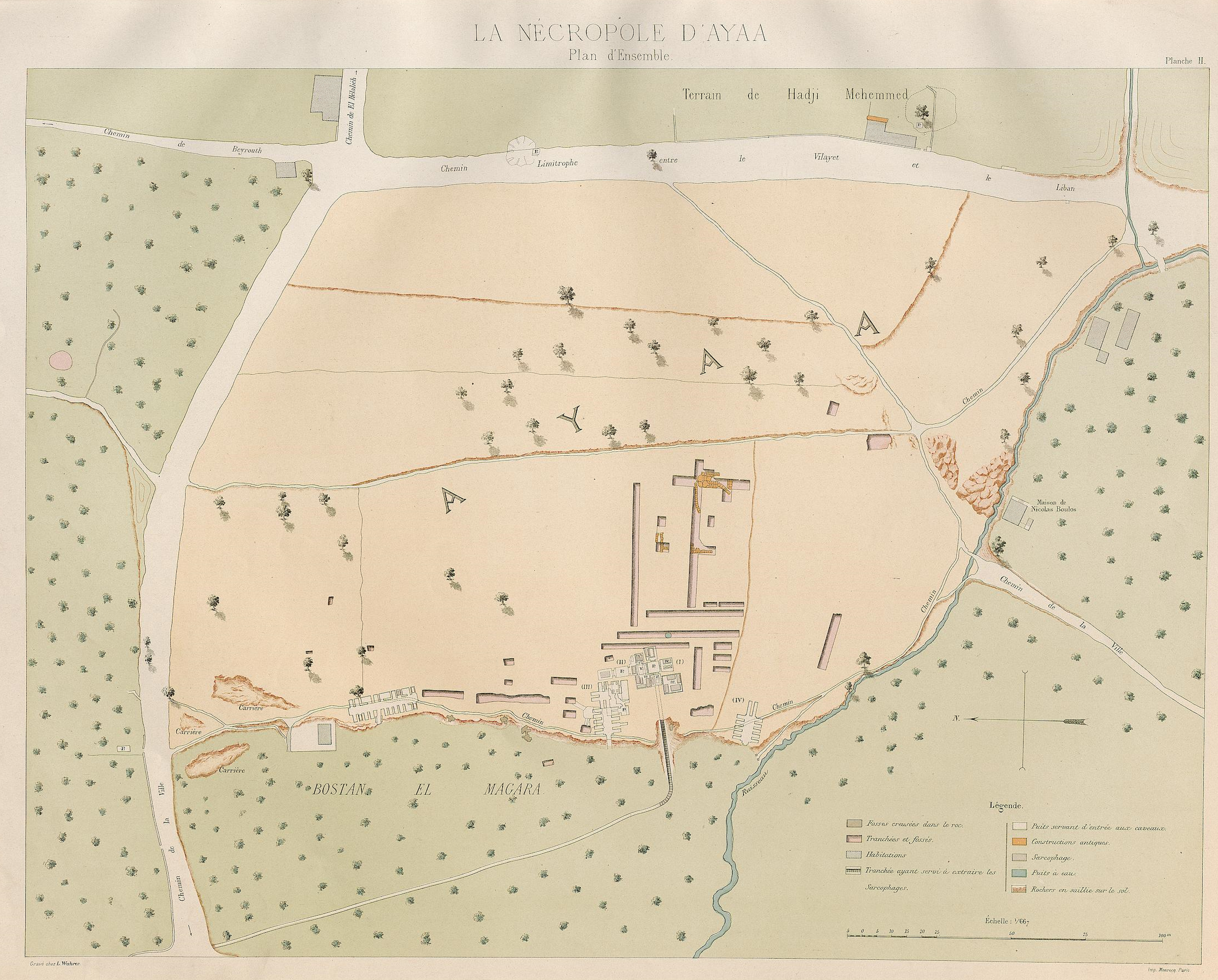
The royal necropolis of Ayaa, located near Sidon in modern Lebanon, is a significant archaeological site known for its diverse and richly decorated sarcophagi. This subterranean necropolis, dated from the Late Bronze Age through the Iron Age into the Classical Period, showcases a blend of cultural influences, including Egyptian, Phoenician, Lycian, and Greek styles. It highlights the burial practices of the Phoenician elite during the Achaemenid period, with sarcophagi reflecting both local and foreign artistic traditions. The site provides critical insights into the Phoenician belief system and mortuary customs, which included inhumation and cremation, as well as their interactions with neighboring cultures. The discovery and excavation of the site have significantly contributed to our understanding of Phoenician archaeology and the broader ancient Near Eastern cultural milieu.
Gallery
Explore photographs of ancient structures, artifacts, and archaeological excavations
Historical Timeline
Journey through time and discover key events in this site's history
Phoenician Late Bronze Age Culture
1550 BCE
Iron Age Phoenician Mortuary Practices
1200 BCE
Achaemenid Influence on Sidon
500 BCE
Hellenistic Influence on Sarcophagi Design
400 BCE
Archaeological Features
Unique architectural and cultural elements found at this historical site
Burial and Funerary Structures
Artistic and Decorative Features
Frequently Asked Questions
Plan Your Visit
Tours, travel arrangements, and practical information
More Sites in Lebanon
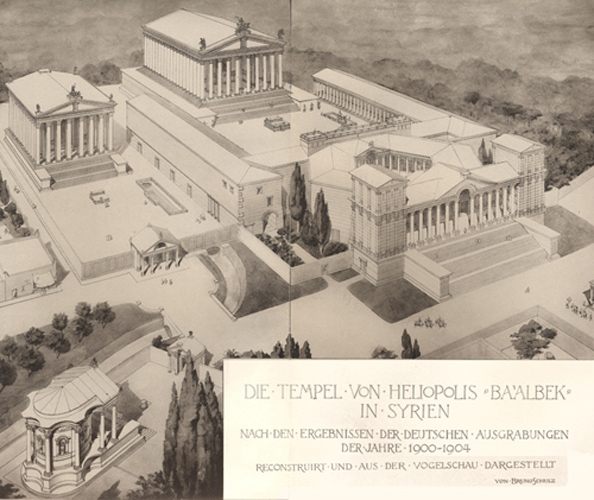
Baalbek
Ancient city with Roman temples and ruins
Tyre, Lebanon
Ancient Phoenician city with harbor remains
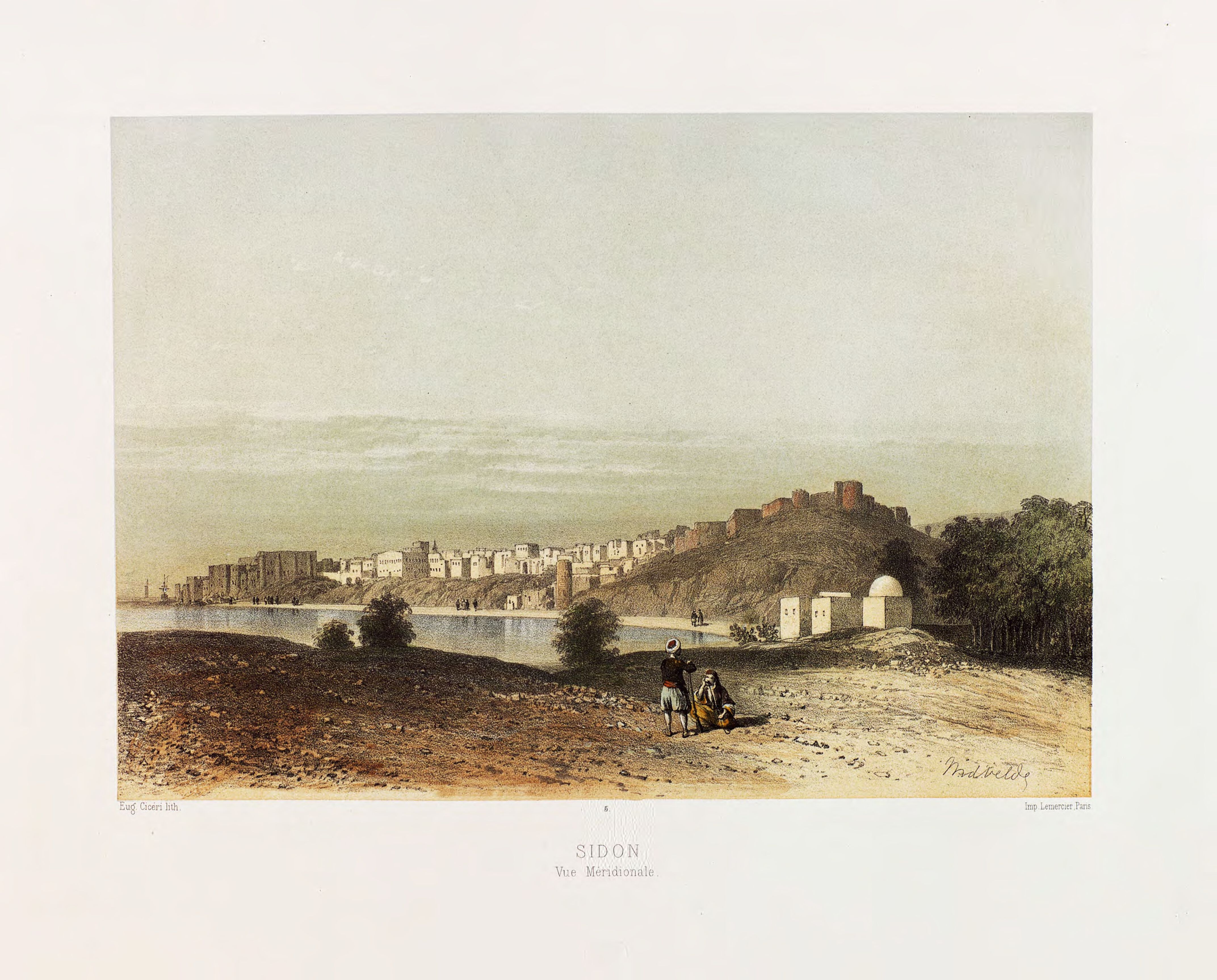
Sidon
Ancient Phoenician city with rich history
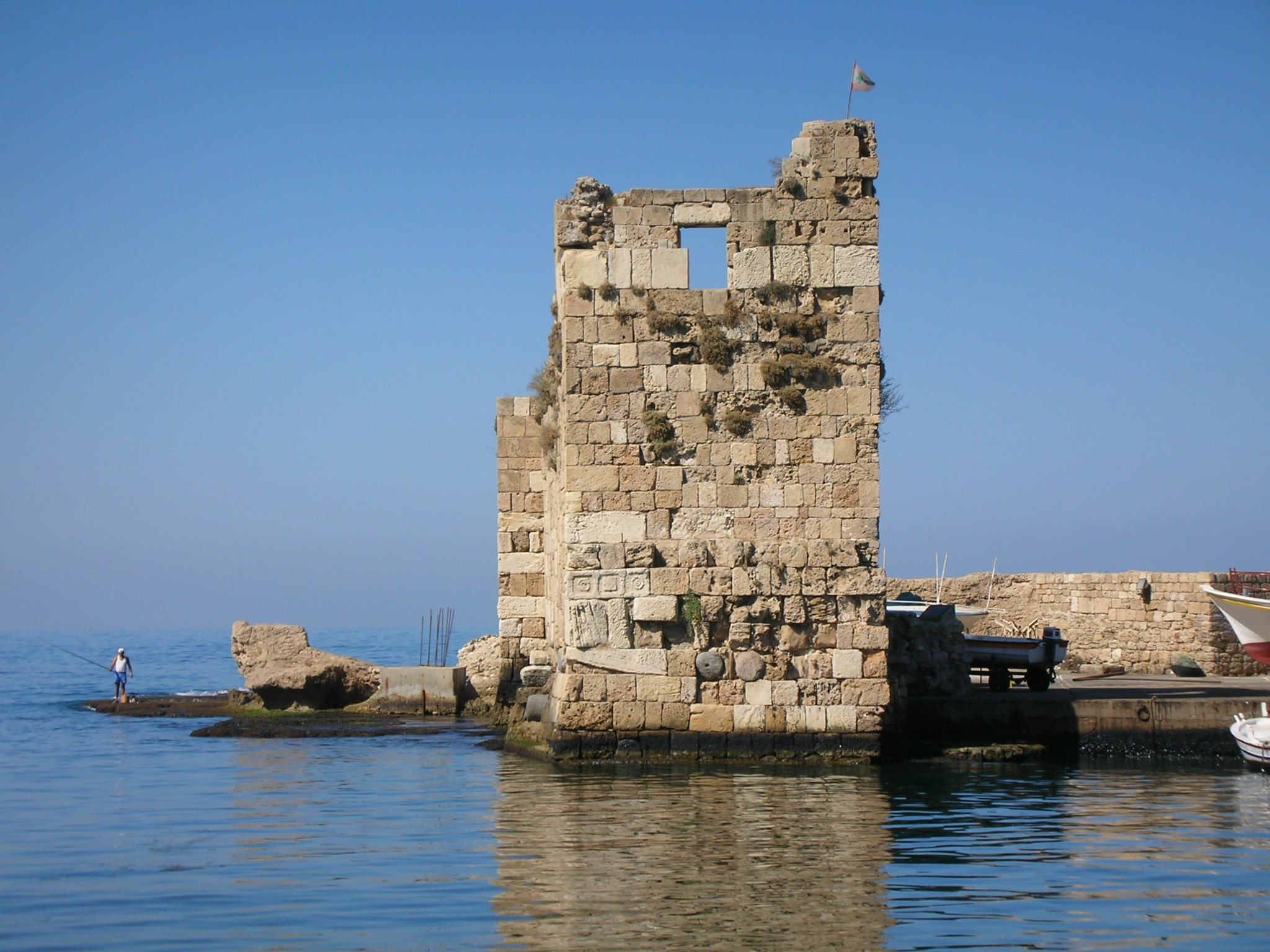
Byblos
Ancient city with layered historical strata
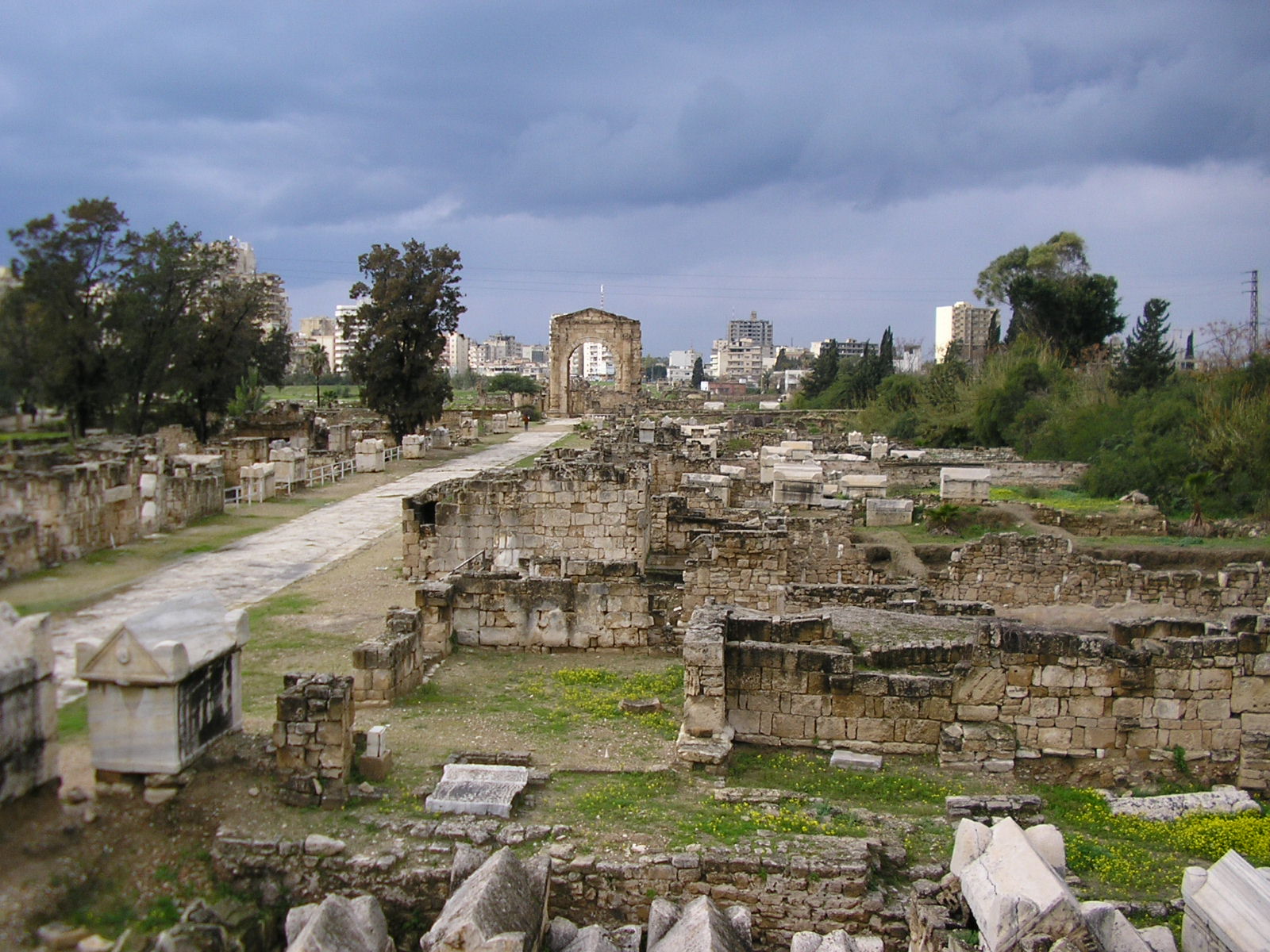
Tyre Necropolis
Ancient burial site with Roman and Phoenician relics
Temple of Eshmun
Phoenician healing temple with Greco-Persian influence