
Explore the Map
Tyre Necropolis
33.2722° N, 35.2097° E
About
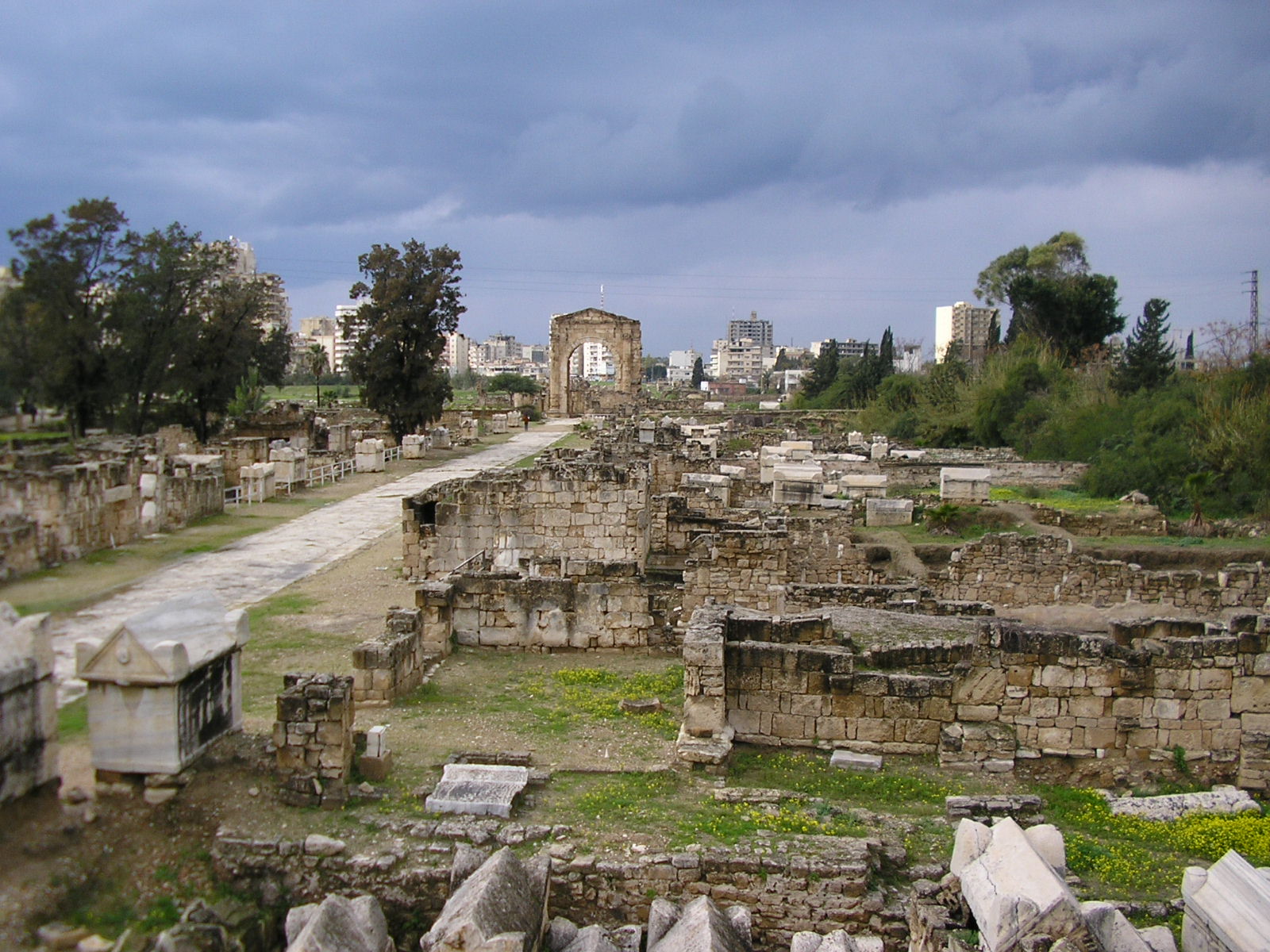
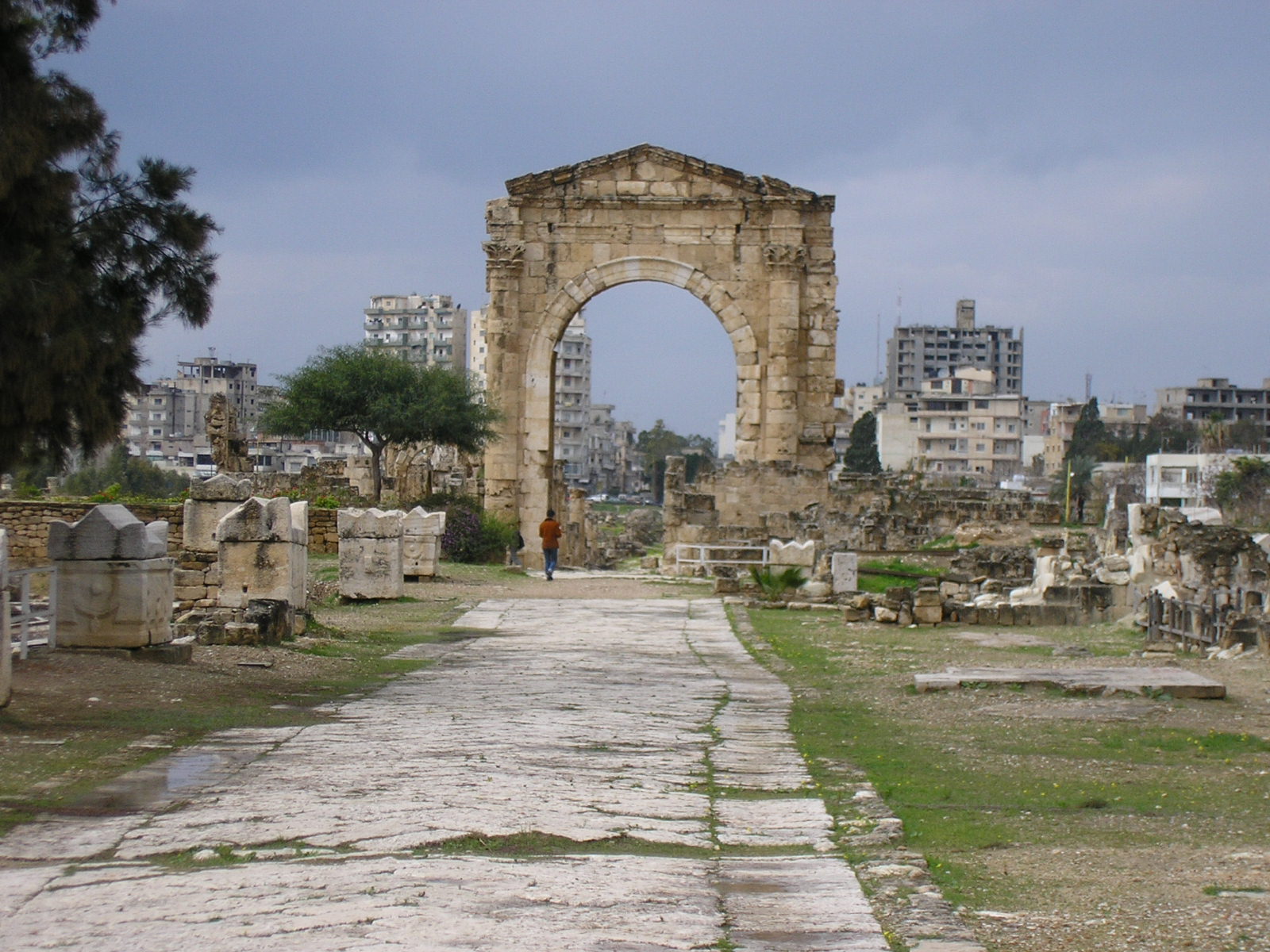
The al-Bass necropolis in Tyre, Lebanon, is an archaeologically significant site that provides insights into various historical periods, from the Phoenician era to the Crusader period. Established in the 10th century BCE, the site includes an extensive Phoenician cremation cemetery, characterized by urns and funerary stelae. The Roman and Byzantine periods saw the construction of a triumphal arch, a hippodrome, and an aqueduct, reflecting the region's integration into the Roman Empire. The necropolis served as a burial ground throughout these periods, with elaborate sarcophagi and inscriptions indicating a shift in social customs. This site, now a UNESCO World Heritage Site, reveals much about the cultural and social dynamics of ancient Tyre.
Gallery
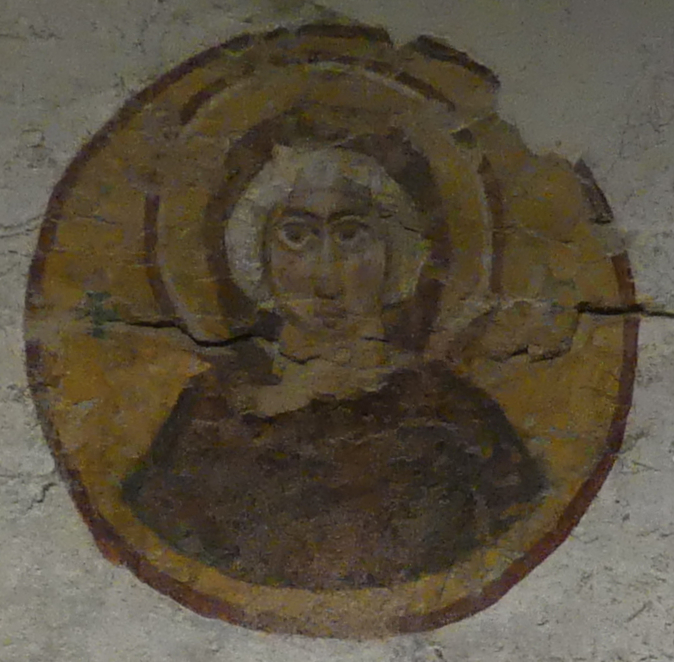
Explore photographs of ancient structures, artifacts, and archaeological excavations
Historical Timeline
Journey through time and discover key events in this site's history
Phoenician necropolis established
end of 10th century BCE
Alexander's causeway construction
332 BCE
Roman province establishment
64 BCE
Construction of Roman Triumphal Arch
Early 2nd century CE
Byzantine necropolis expansion
395 CE
Muslim conquest of Tyre
640 CE
Crusader conquest of Tyre
1124 CE
Mamluk conquest and decline
1291 CE
Archaeological Features
Unique architectural and cultural elements found at this historical site
Water Management Features
Public and Civic Structures
Burial and Funerary Structures
Religious and Ritual Structures
Artistic and Decorative Features
Environmental and Natural Features
Transportation and Communication Structures
Frequently Asked Questions
Plan Your Visit
Tours, travel arrangements, and practical information
Recommended Tours

More Sites in Lebanon
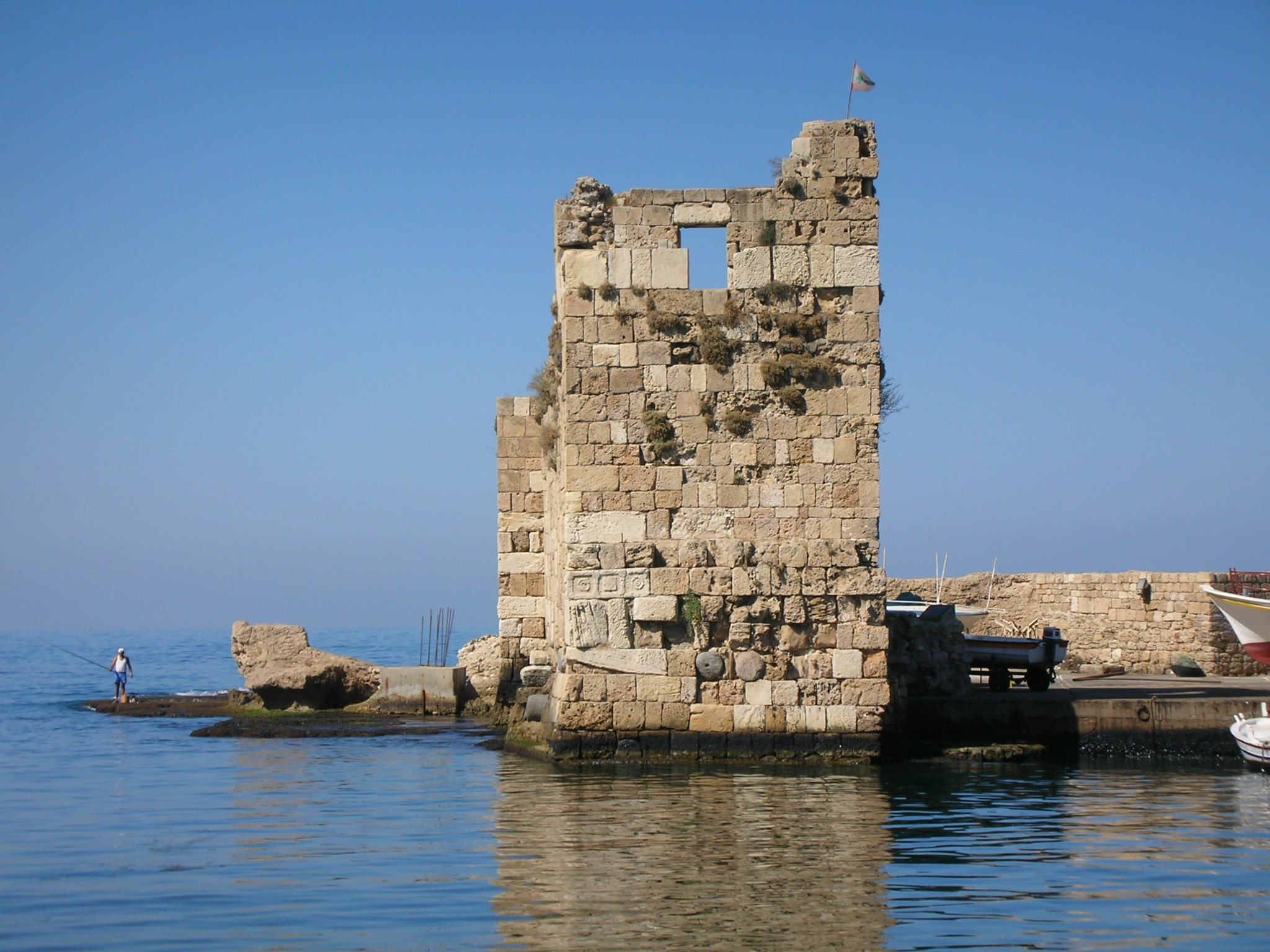
Byblos
Ancient city with layered historical strata
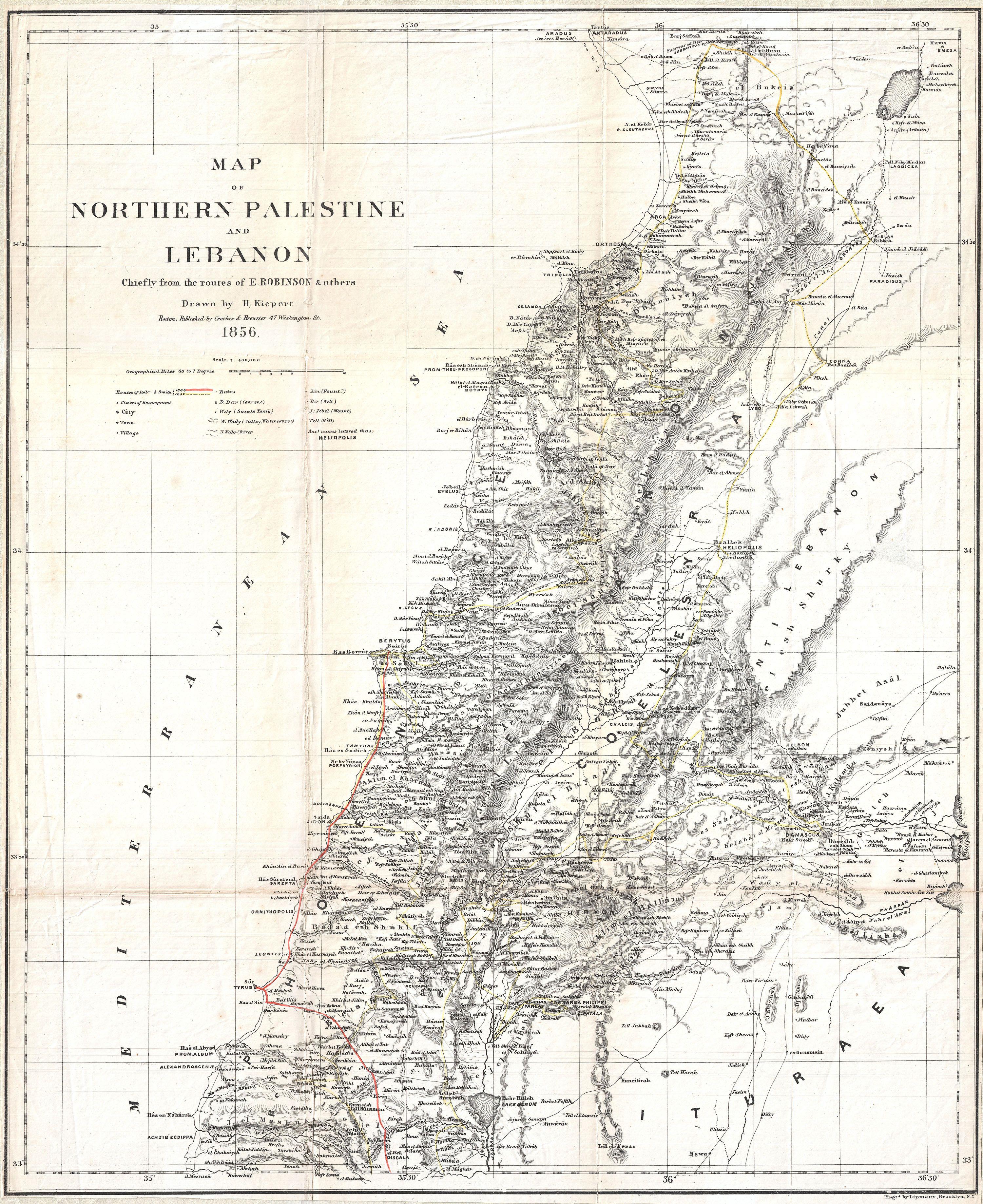
Baalbek
Ancient city with Roman temples and ruins

Tyre, Lebanon
Ancient Phoenician city with harbor remains
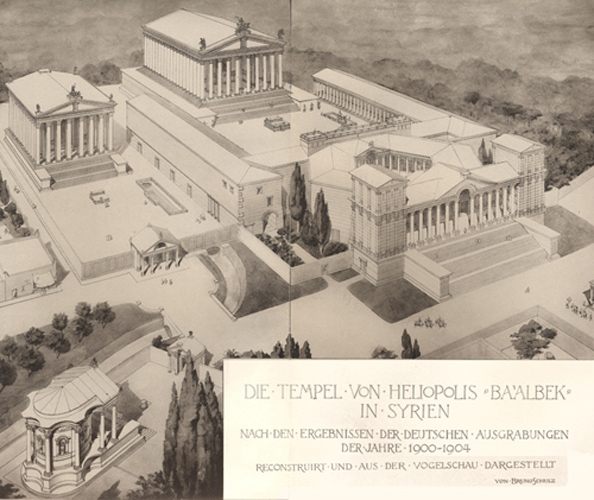
Temple of Eshmun
Phoenician healing temple with Greco-Persian influence
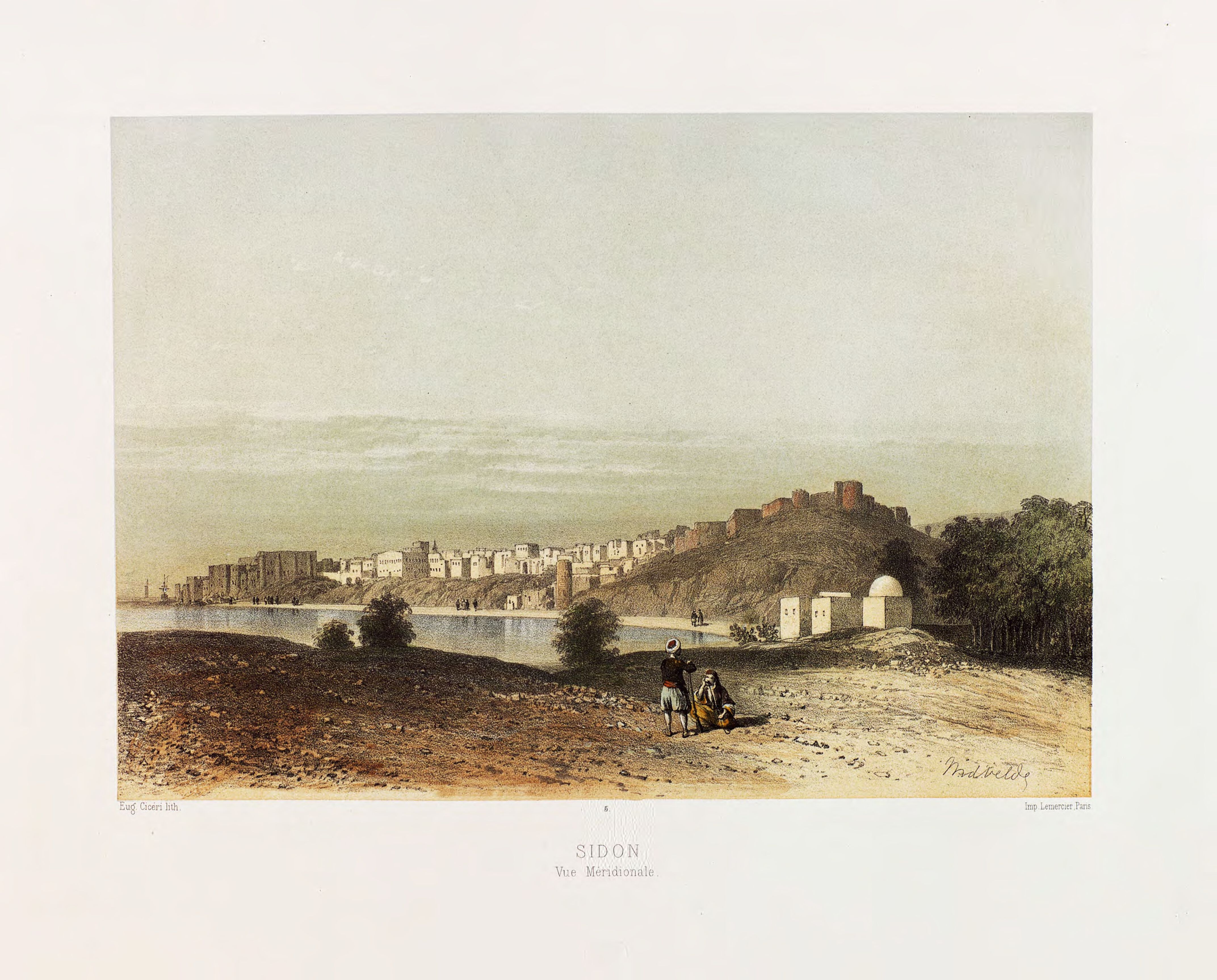
Sidon
Ancient Phoenician city with rich history
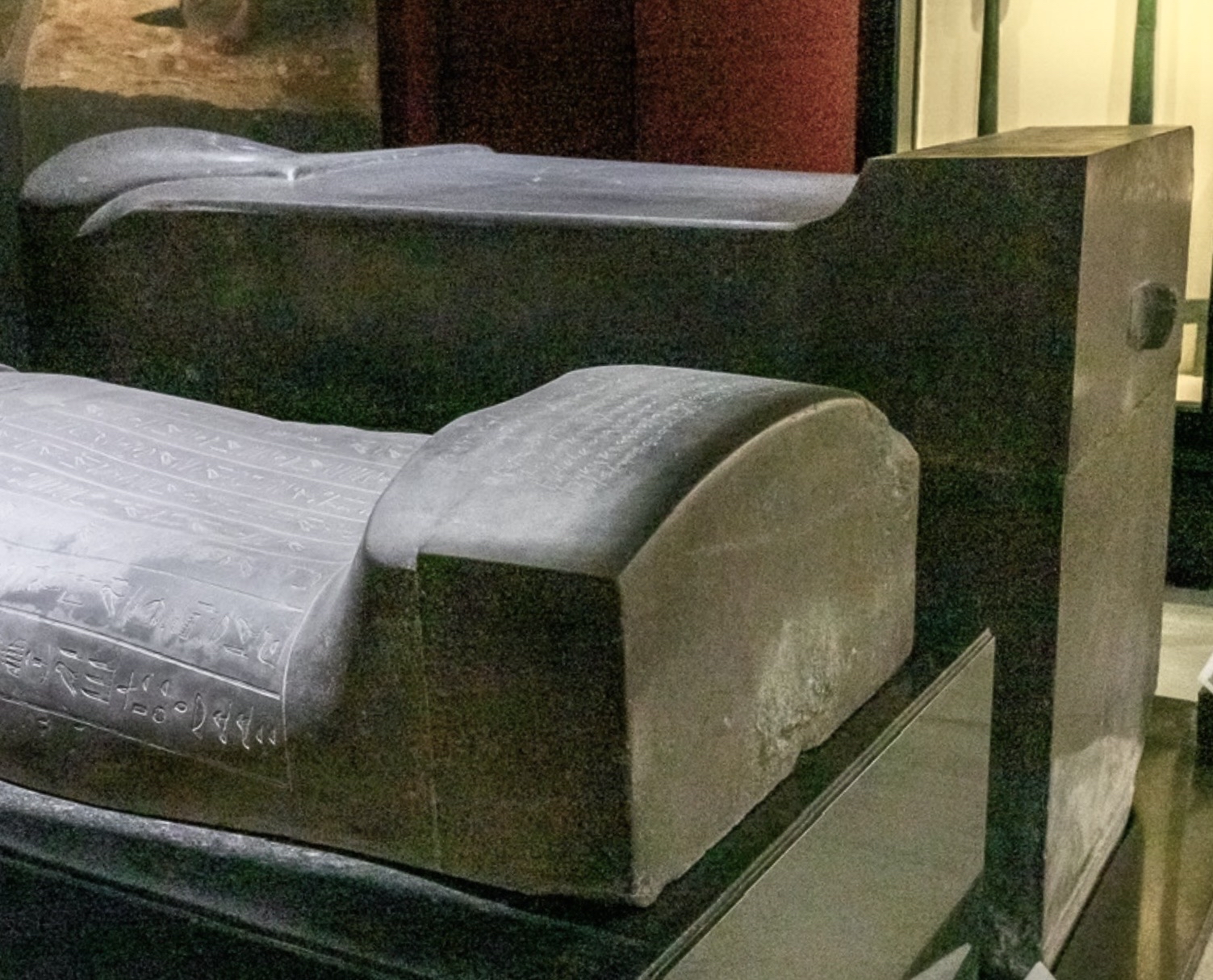
Royal necropolis of Ayaa
Subterranean necropolis with diverse sarcophagi styles.