Time Periods
Paleolithic
Mesolithic
Neolithic
Chalcolithic
Bronze Age
Iron Age
Classical Period
Post-Classical Period
Early Modern Period
Industrial Period
Contemporary Period
Time Periods
Paleolithic
Mesolithic
Neolithic
Chalcolithic
Bronze Age
Iron Age
Classical Period
Post-Classical Period
Early Modern Period
Industrial Period
Contemporary Period
Location
About
Joub Jannine is an archaeological site located in the Beqaa Valley of Lebanon, notable for its Neolithic flint tool industry. The site, comprising Joub Jannine I, II, and III, has yielded a significant collection of flint tools, including specialized spheroid and trihedral tools, indicating a unique Neolithic industry. The tools found at the site suggest a period of occupation during the Neolithic era, characterized by the dawn of agriculture. Additionally, Joub Jannine is home to a Roman Bridge, originally constructed in 704 CE and rebuilt in 1943, illustrating the site's historical significance through different periods. The artifacts from Joub Jannine are preserved in the Museum of Lebanese Prehistory, providing valuable insights into early human activities in the region.
Gallery
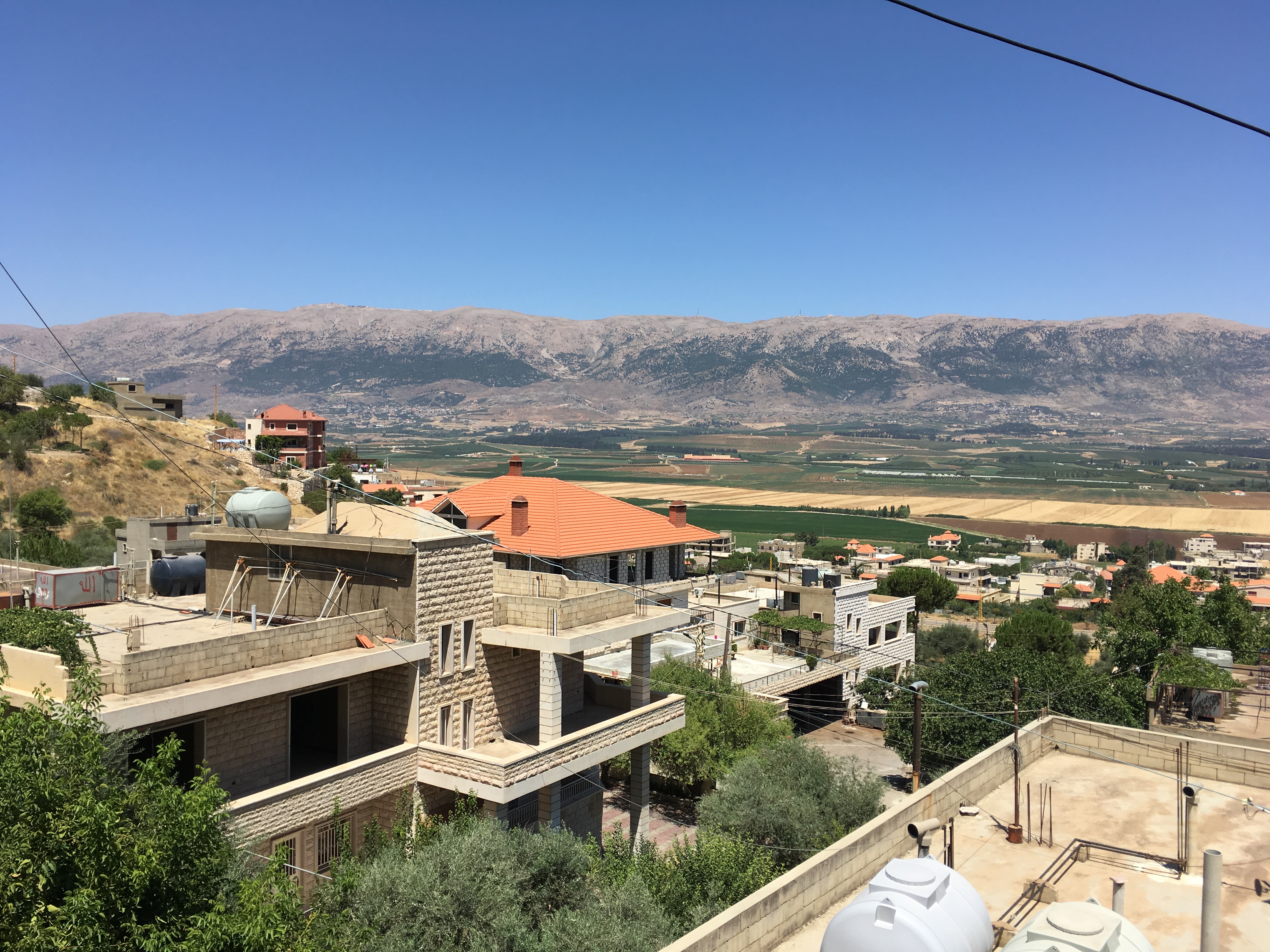
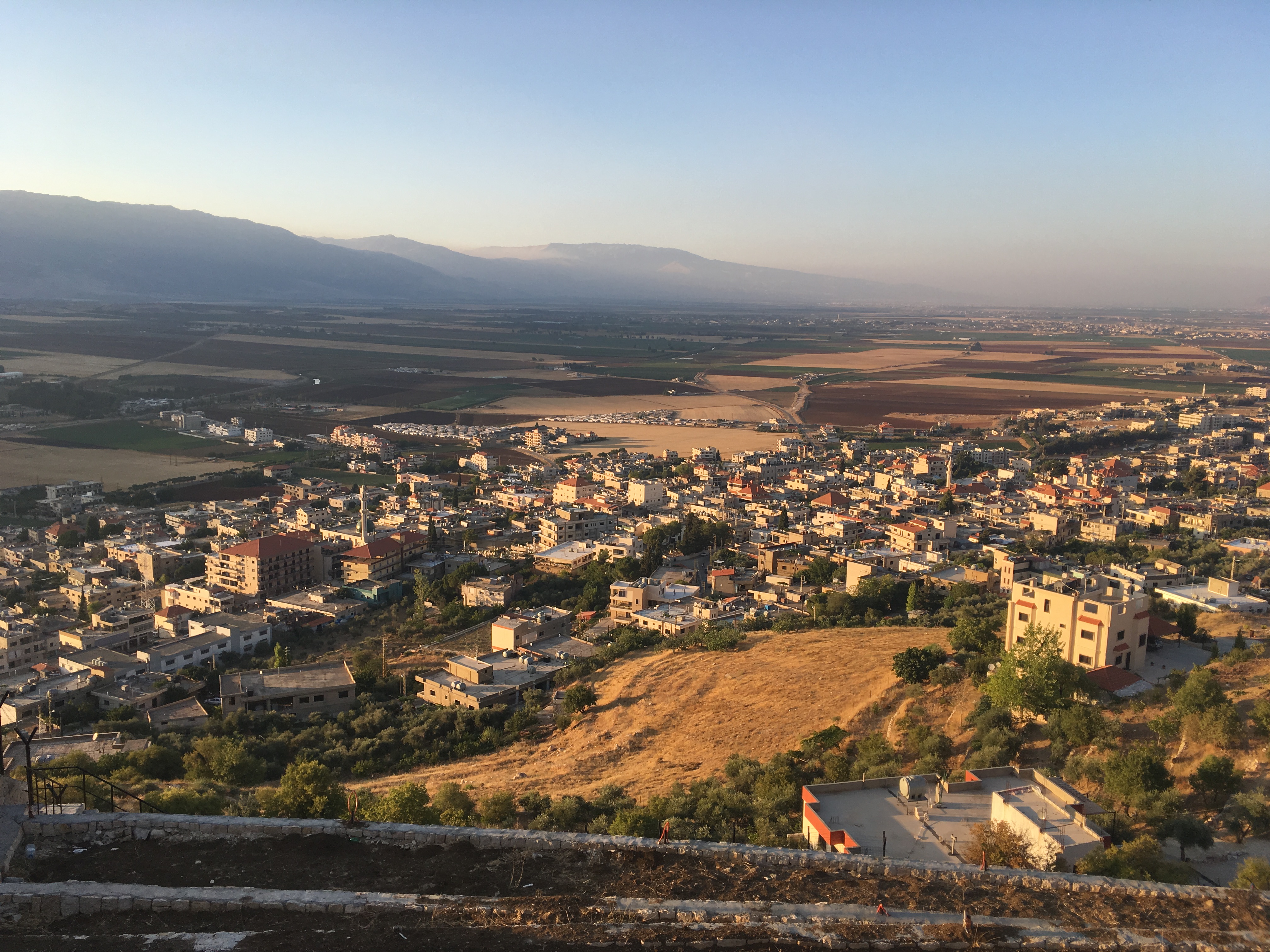
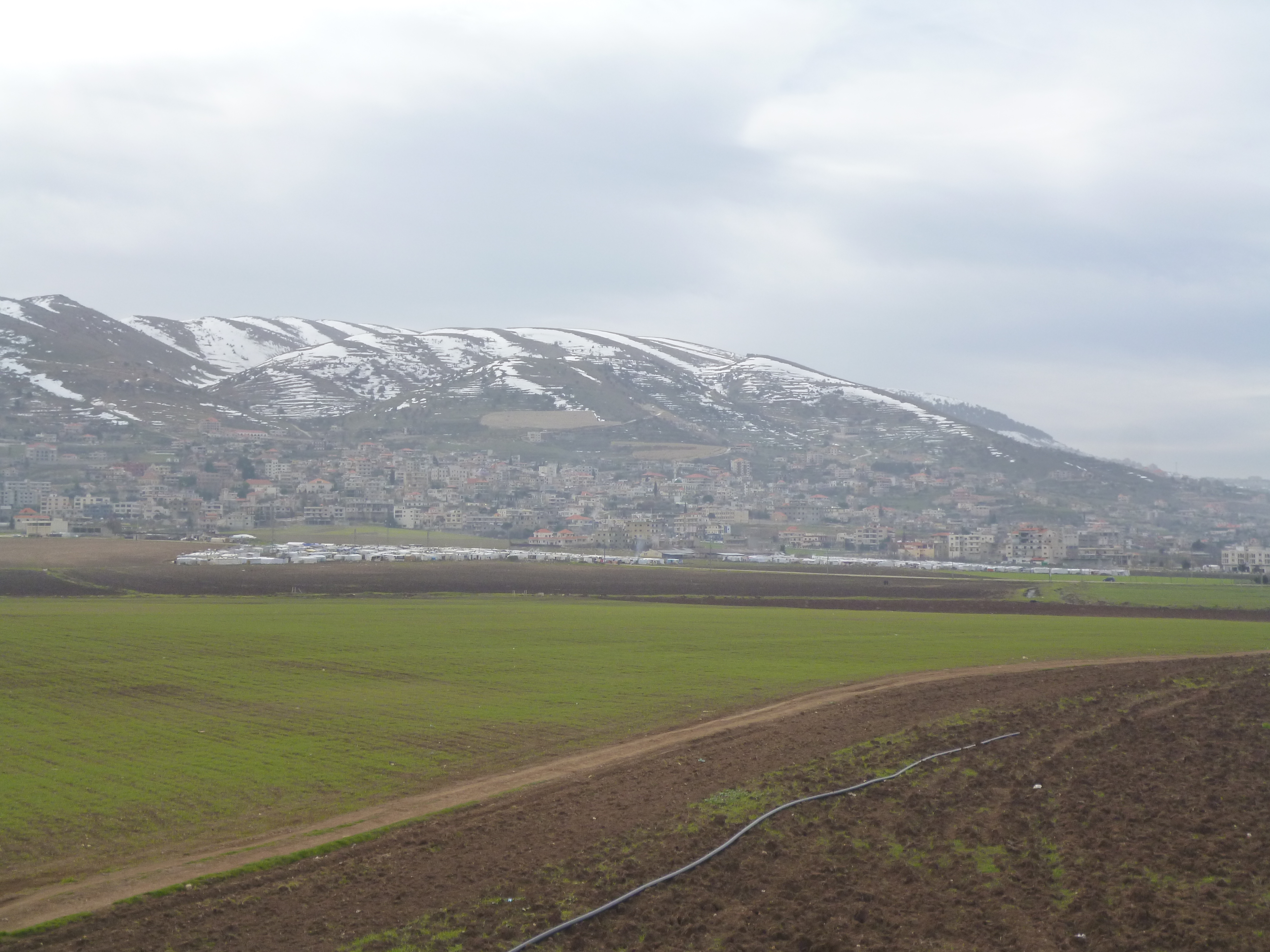
Explore photographs of ancient structures, artifacts, and archaeological excavations at Joub Jannine
Archaeological Features
Explore the unique architectural and cultural elements found at this historical site
Agricultural and Land Use Features
Transportation and Communication Structures
Historical Timeline
Journey through time and discover key events in this site's archaeological history
Plan Your Visit
Details
- Country
- Lebanon
- Source
- Wikipedia
More Sites in Lebanon
Haret ech Cheikh
Wooded hilltop with sandstone outcrops.

Sarepta
Phoenician city with diverse archaeological finds
Aaiha
Village with Roman temple ruins and lake.
Nachcharini
High-altitude cave on Nachcharini Plateau
Sawiri, Lebanon
Neolithic to Bronze Age archaeological site.
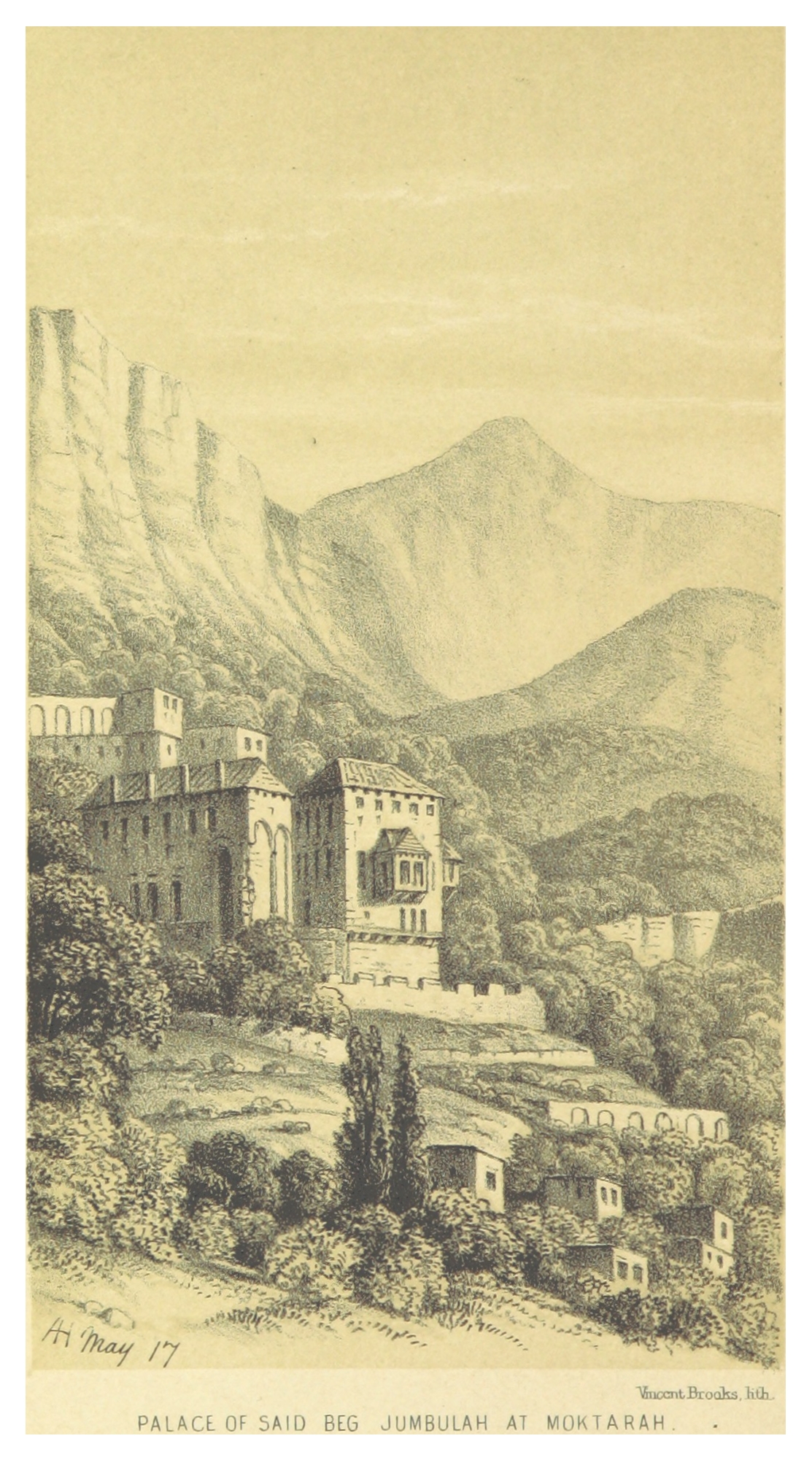
Moukhtara
Neolithic site with flint tools