Explore the Map
Lumuyu Petroglyphs
4.7000° N, 115.8833° E
About
The Lumuyu Petroglyphs, situated near Bekuku Village in Ulu Tomani, Sabah, Malaysia, encompass a series of intricate carvings etched into a sandstone boulder measuring 8 by 10 meters. These carvings, believed to be around 1,000 years old, depict human faces, footprints, and various abstract patterns. According to local folklore, these carvings were made by six brothers mourning their youngest sibling's murder. Recognized as a Cultural Heritage site under the 1997 Cultural Heritage Enactment, the Lumuyu Petroglyphs represent a significant example of early artistic expression in the region. Their discovery has contributed to understanding the cultural and historical landscape of the area, indicating a tradition of symbolic and possibly ritualistic activities that date back to the Early Post-Classical period.
Historical Timeline
Journey through time and discover key events in this site's history
Lumuyu Petroglyphs creation
1000 CE
Archaeological Features
Unique architectural and cultural elements found at this historical site
Artistic and Decorative Features
Frequently Asked Questions
Plan Your Visit
Tours, travel arrangements, and practical information
More Sites in Malaysia
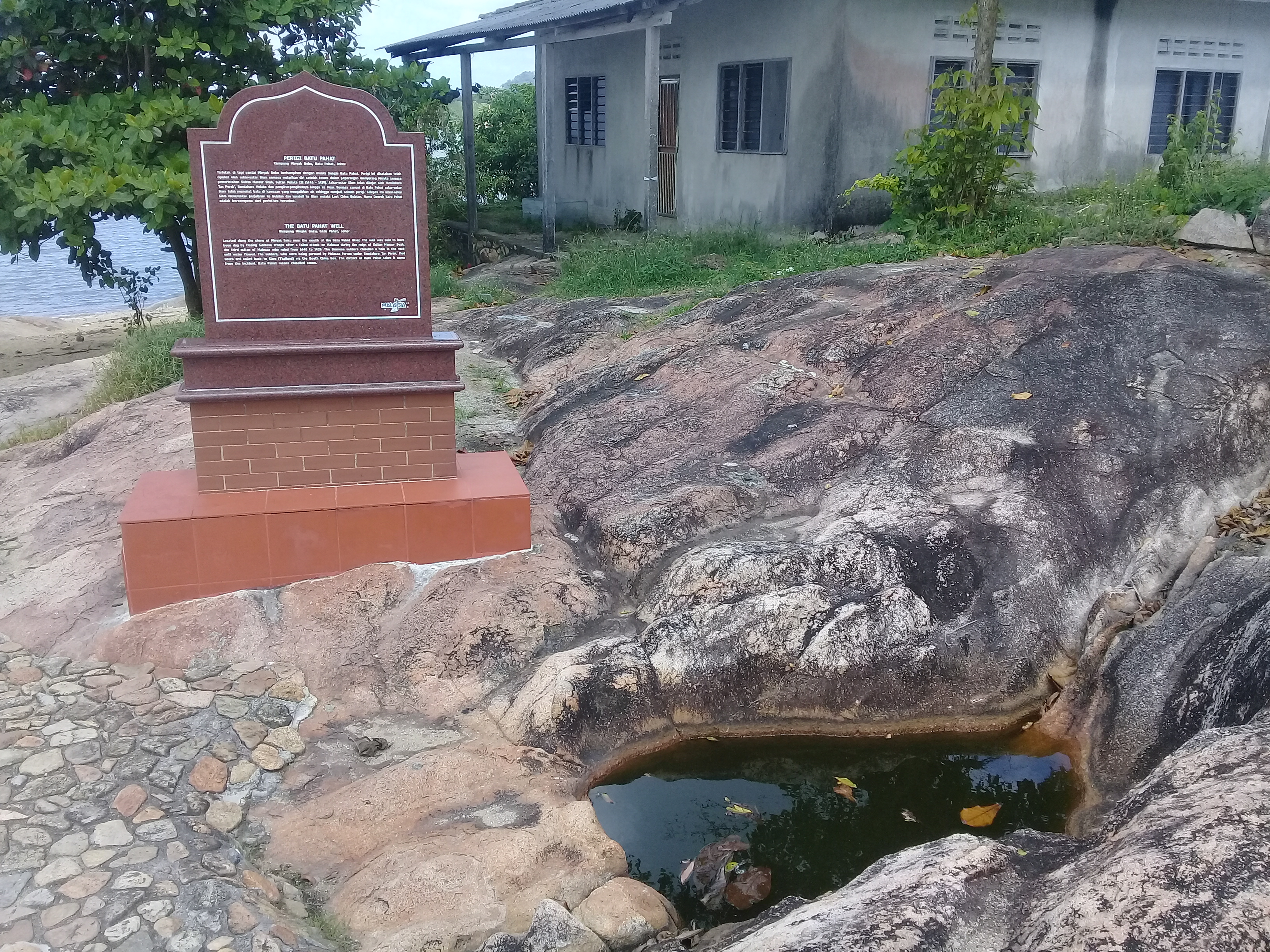
Batu Pahat Well
15th-century well chiseled from rock
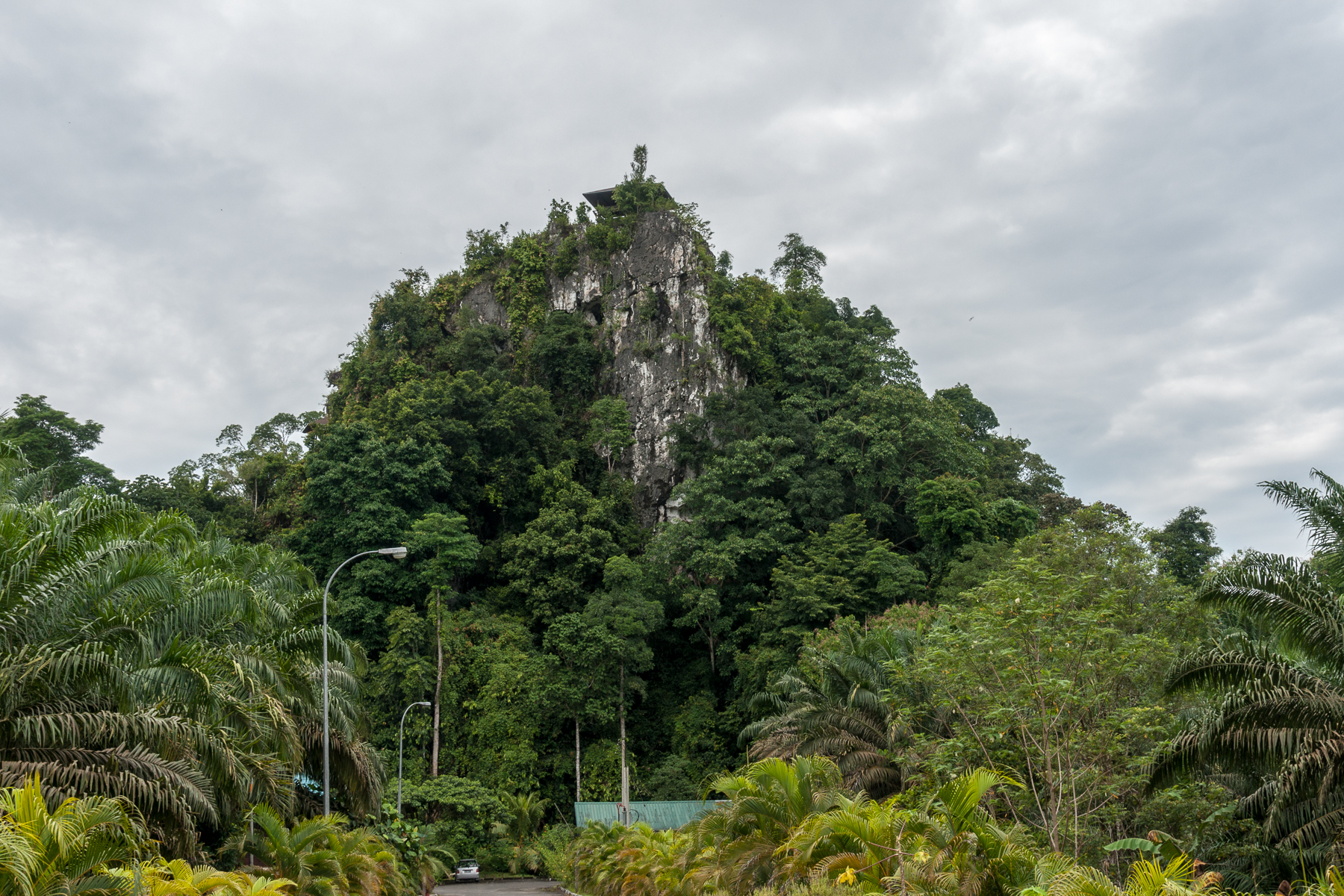
Agop Batu Tulug Caves
Limestone caves with wooden coffins.
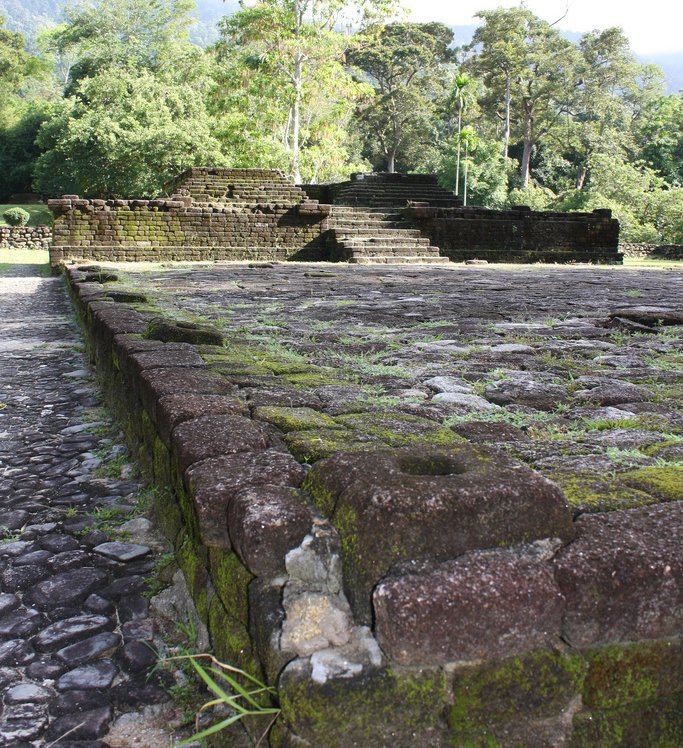
Bujang Valley
Ancient trade hub with Hindu-Buddhist temples
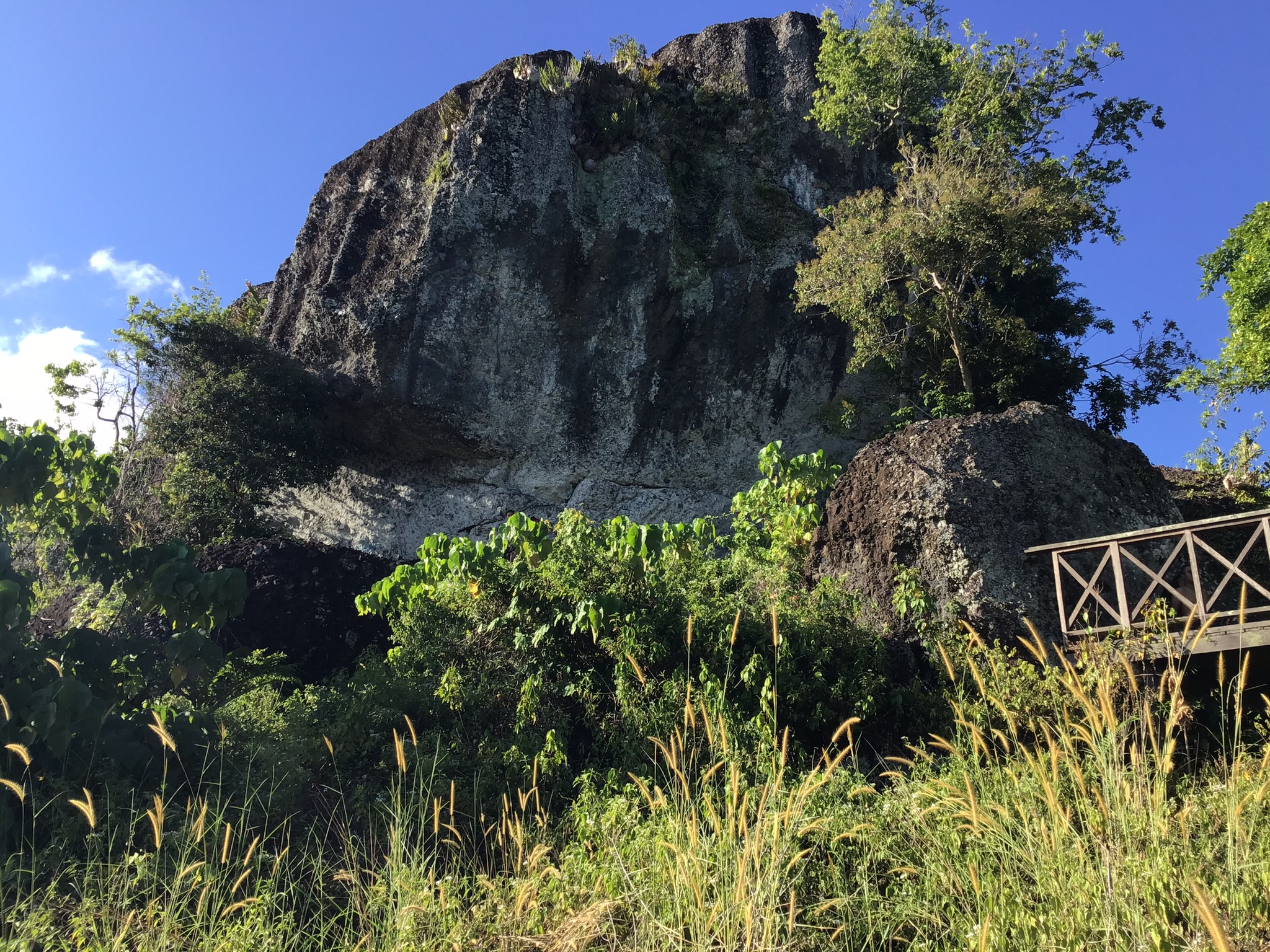
Skull Hill, Malaysia
Volcanic rock-shelter with Neolithic pottery artifacts
Niah National Park
Ancient cave site with human remains
Lenggong
Palaeolithic cave complex and prehistoric sites in Malaysia