Explore the Map
Tambun rock art
4.6020° N, 101.1305° E
About
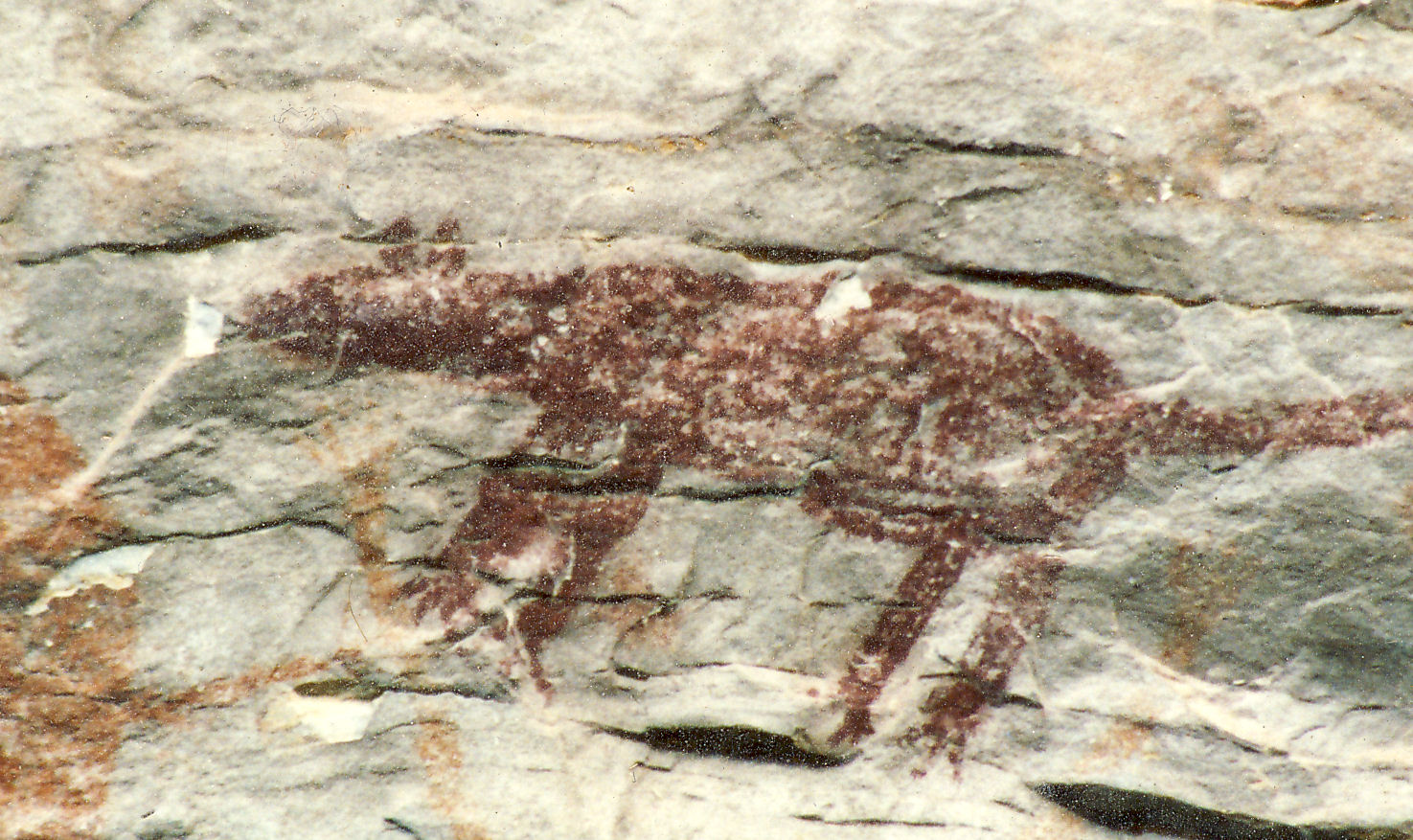
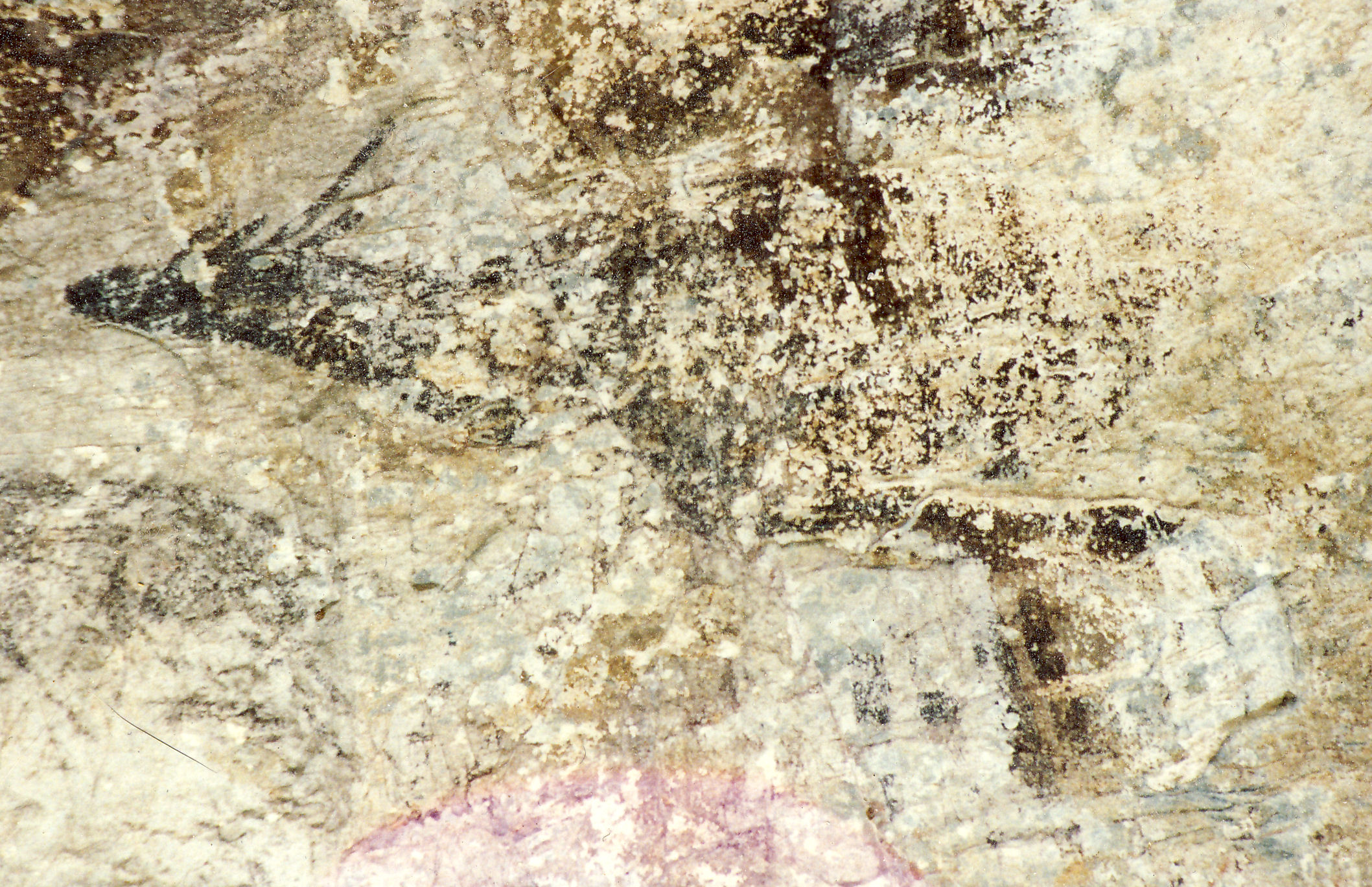
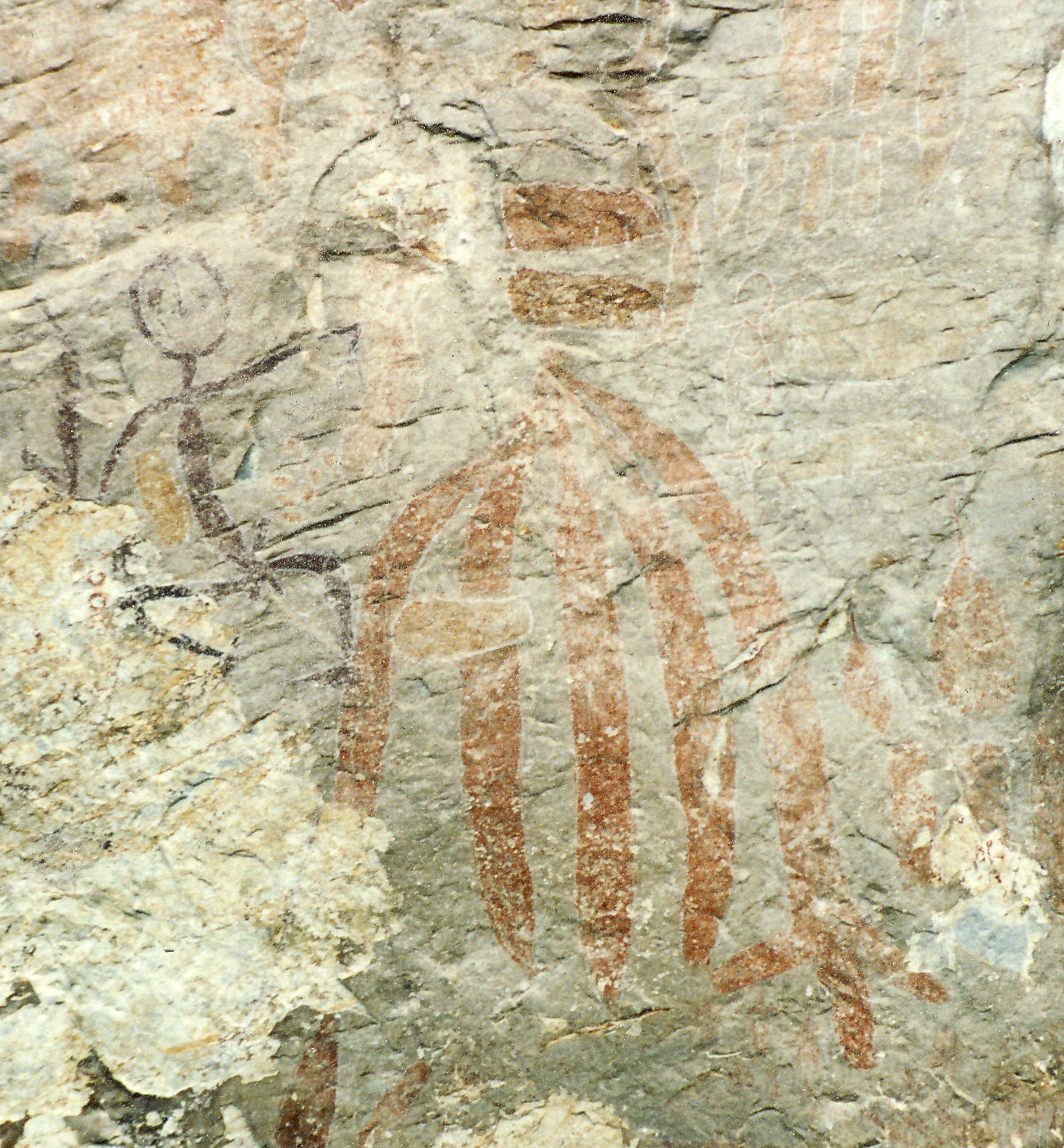
The Tambun rock art site, located on the west face of Gunung Panjang in Tambun, Malaysia, features a significant display of Neolithic-era cave paintings. These artworks, estimated to be between 2,000 and 12,000 years old, adorn the limestone rockface of this substantial karstic hill, which overlooks Ipoh and the Kinta Valley. The paintings, potentially created using haematite, are considered the largest collection of such artworks in Asia and may have held spiritual significance for the ancestors of the Orang Asli. The site provides valuable insights into the region's prehistoric inhabitants and their cultural expressions. Despite its importance, the location remains challenging to access due to overgrown paths and steep terrain.
Gallery
Explore photographs of ancient structures, artifacts, and archaeological excavations
Historical Timeline
Journey through time and discover key events in this site's history
Neolithic Paintings Creation
2000 BCE to 8000 BCE
Archaeological Features
Unique architectural and cultural elements found at this historical site
Artistic and Decorative Features
Environmental and Natural Features
Frequently Asked Questions
Plan Your Visit
Tours, travel arrangements, and practical information
More Sites in Malaysia
Skull Hill, Malaysia
Volcanic rock-shelter with Neolithic pottery artifacts
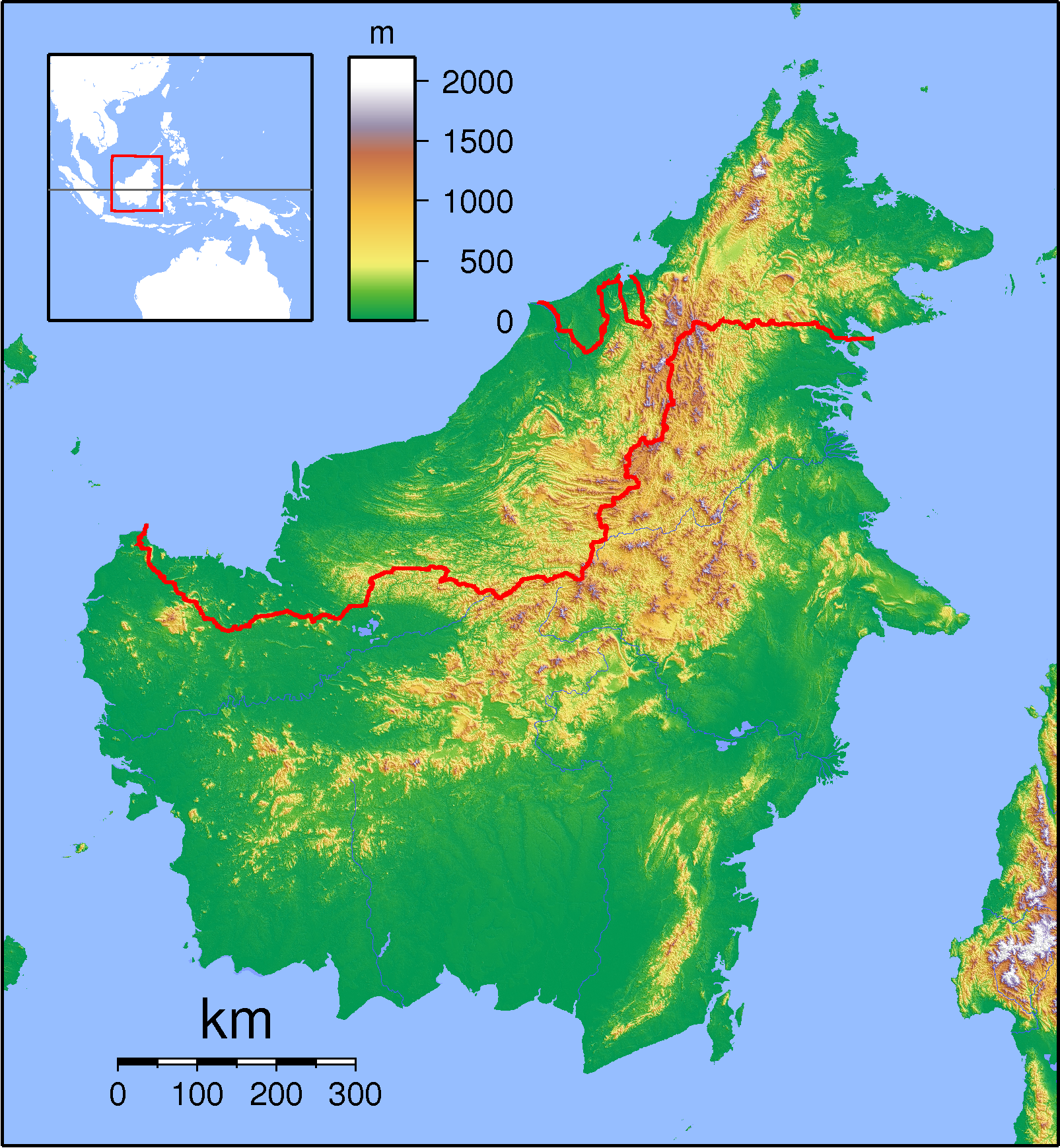
Niah National Park
Ancient cave site with human remains
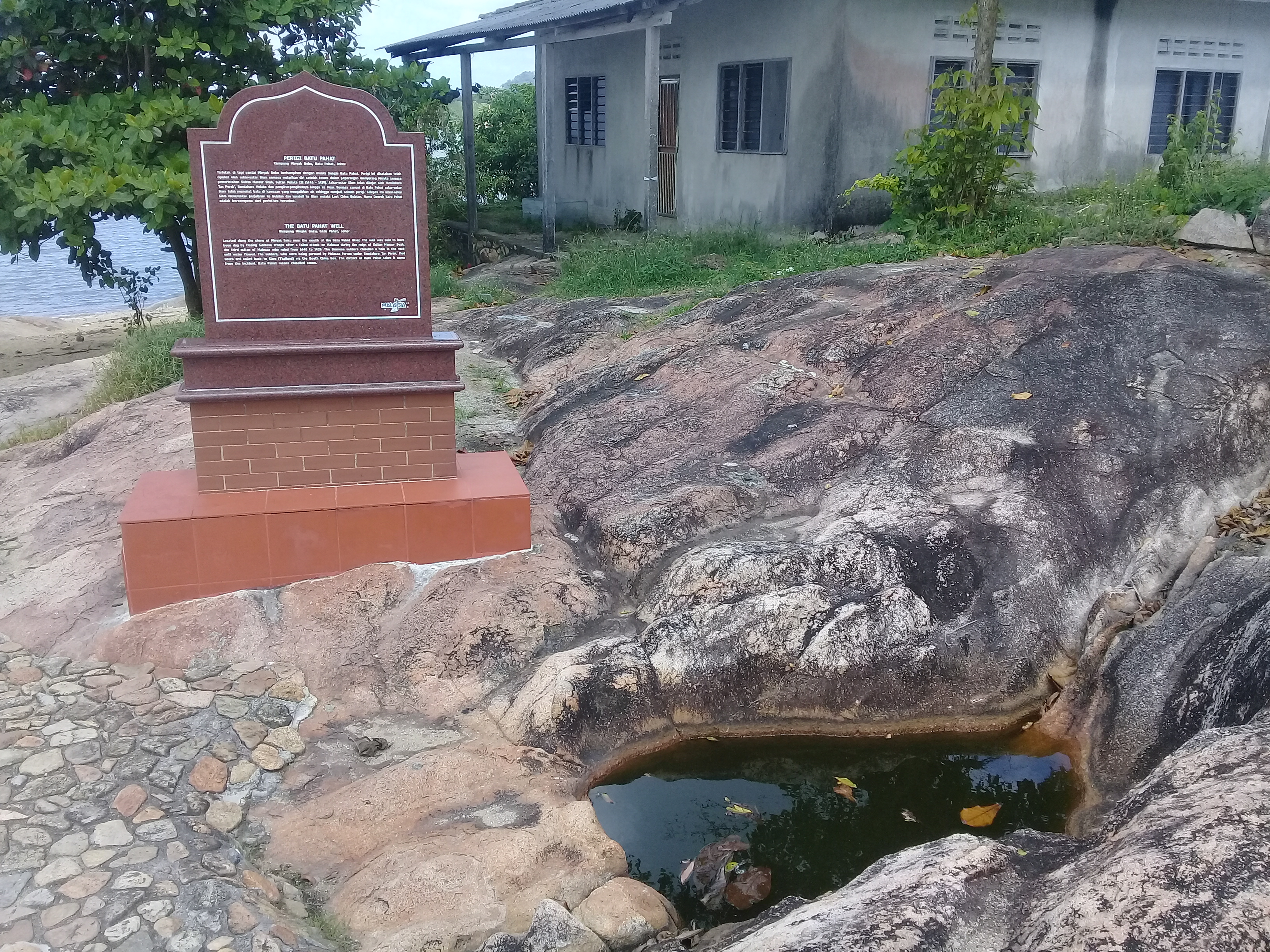
Batu Pahat Well
15th-century well chiseled from rock
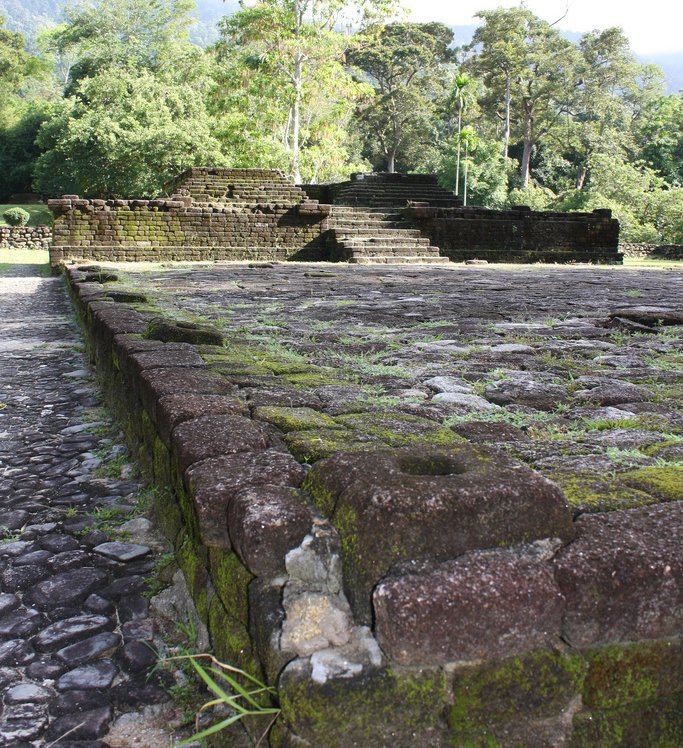
Bujang Valley
Ancient trade hub with Hindu-Buddhist temples
Bukit Bunuh
Oldest tool crafting workshop in Malaysia
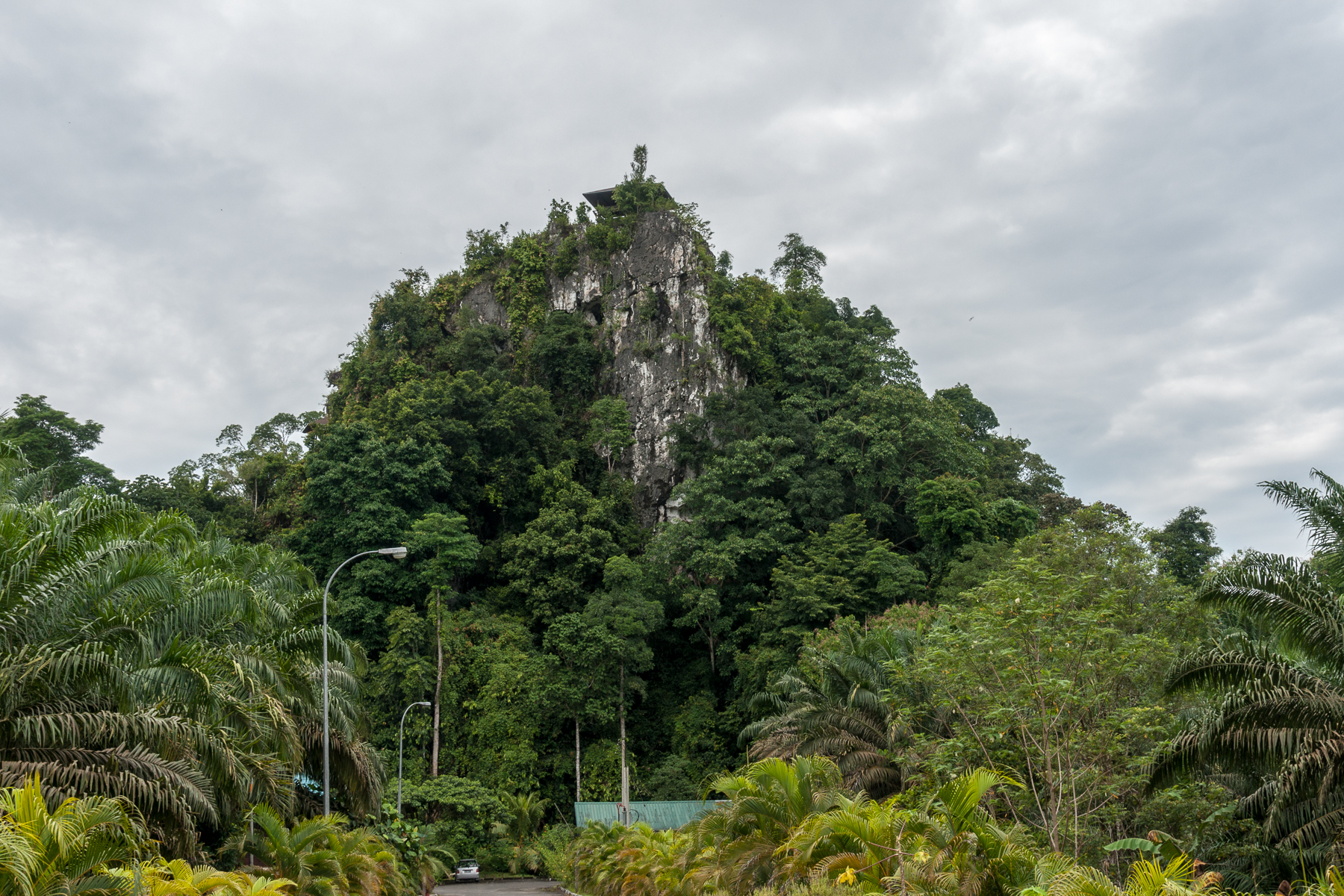
Agop Batu Tulug Caves
Limestone caves with wooden coffins.