
Explore the Map
Jebel Irhoud
31.8550° N, -8.8725° E
About
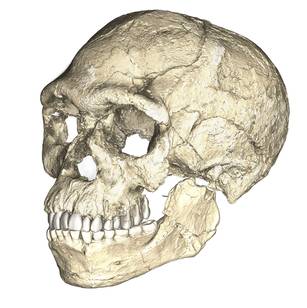
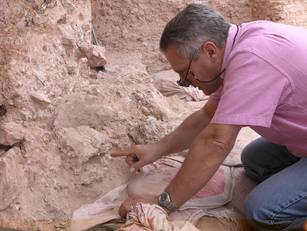
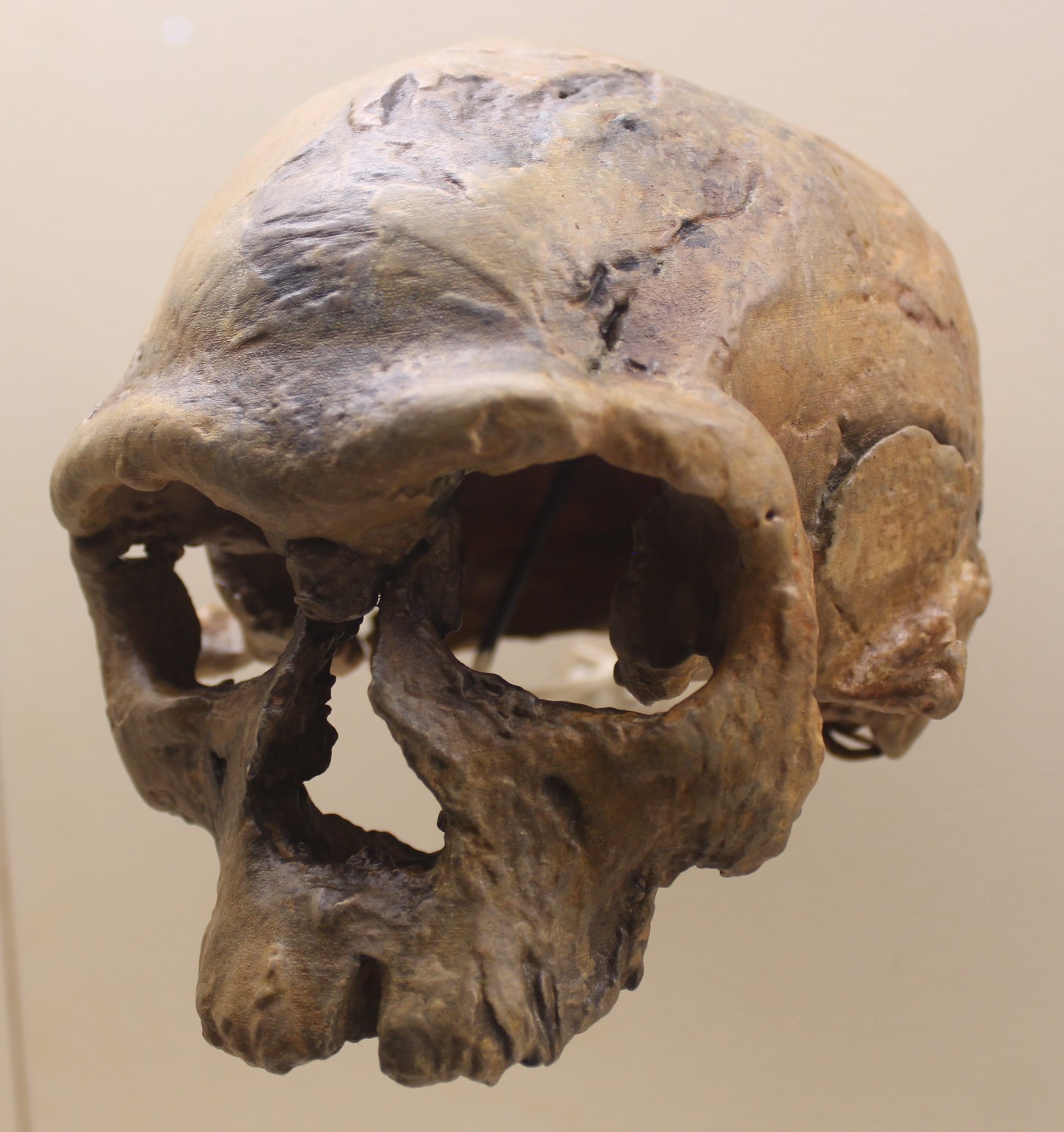
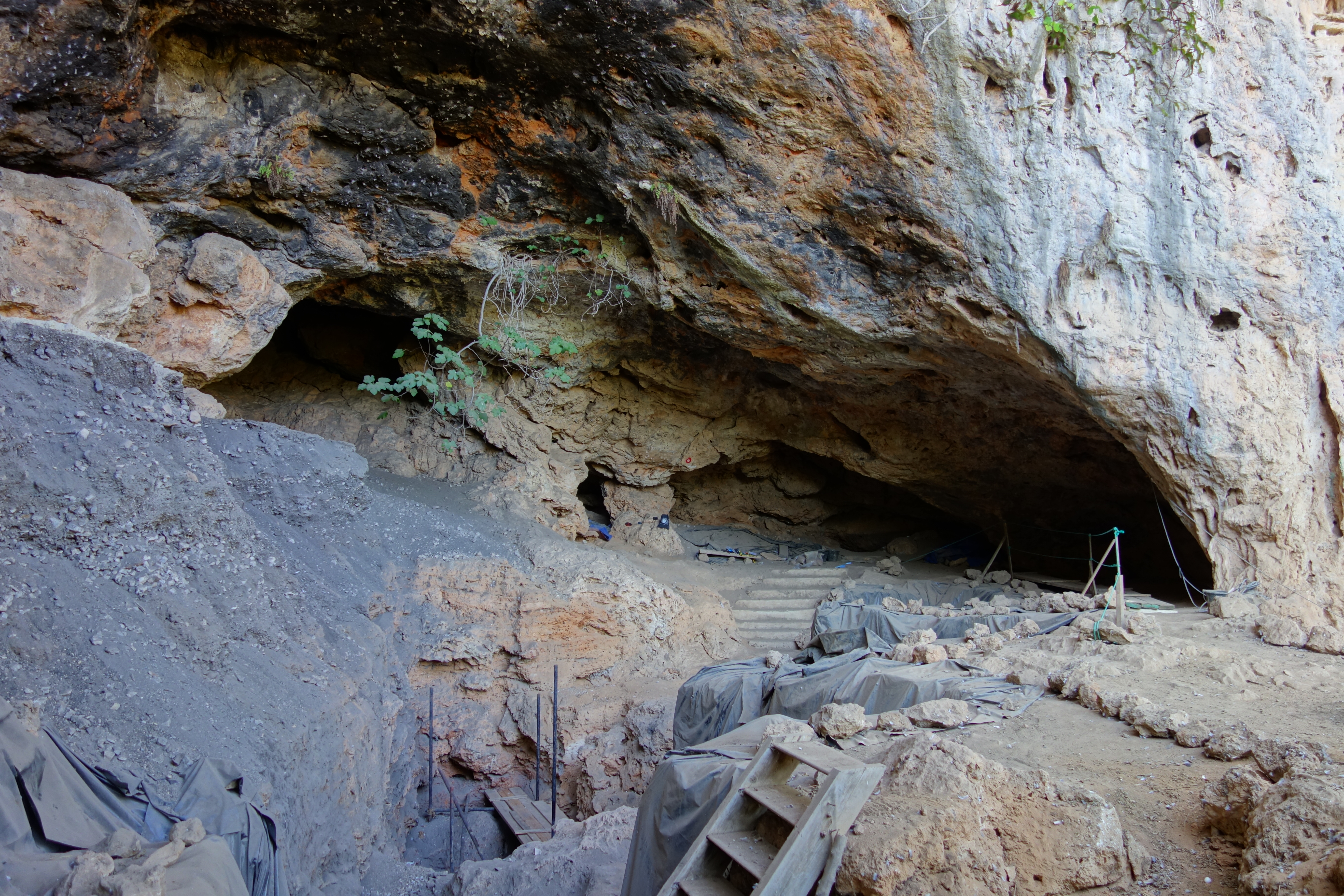
Jebel Irhoud is a significant archaeological site located in Morocco, known for its discovery of some of the earliest Homo sapiens fossils. Dated to approximately 300,000 years ago, this site provides crucial insights into the early presence and characteristics of modern humans. The site originally thought to contain Neanderthal remains, was reevaluated due to the presence of stone tools and faunal evidence. It features a solutional cave from the Pleistocene era, filled with deposits and remnants of early human habitation, including Levallois Mousterian tools, butchered animal bones, and charcoal deposits indicating fire use and cooking. These findings suggest a dry, open environment at the time of occupation, with early humans likely spread across the African continent well before the previously assumed timeline.
Gallery
Explore photographs of ancient structures, artifacts, and archaeological excavations
Historical Timeline
Journey through time and discover key events in this site's history
Homo sapiens fossils
300,000 BCE
Archaeological Features
Unique architectural and cultural elements found at this historical site
Domestic and Habitation Structures
Environmental and Natural Features
Food Production and Processing Features
Frequently Asked Questions
Plan Your Visit
Tours, travel arrangements, and practical information
More Sites in Morocco
Taforalt
Iberomaurusian cave cemetery in eastern Morocco
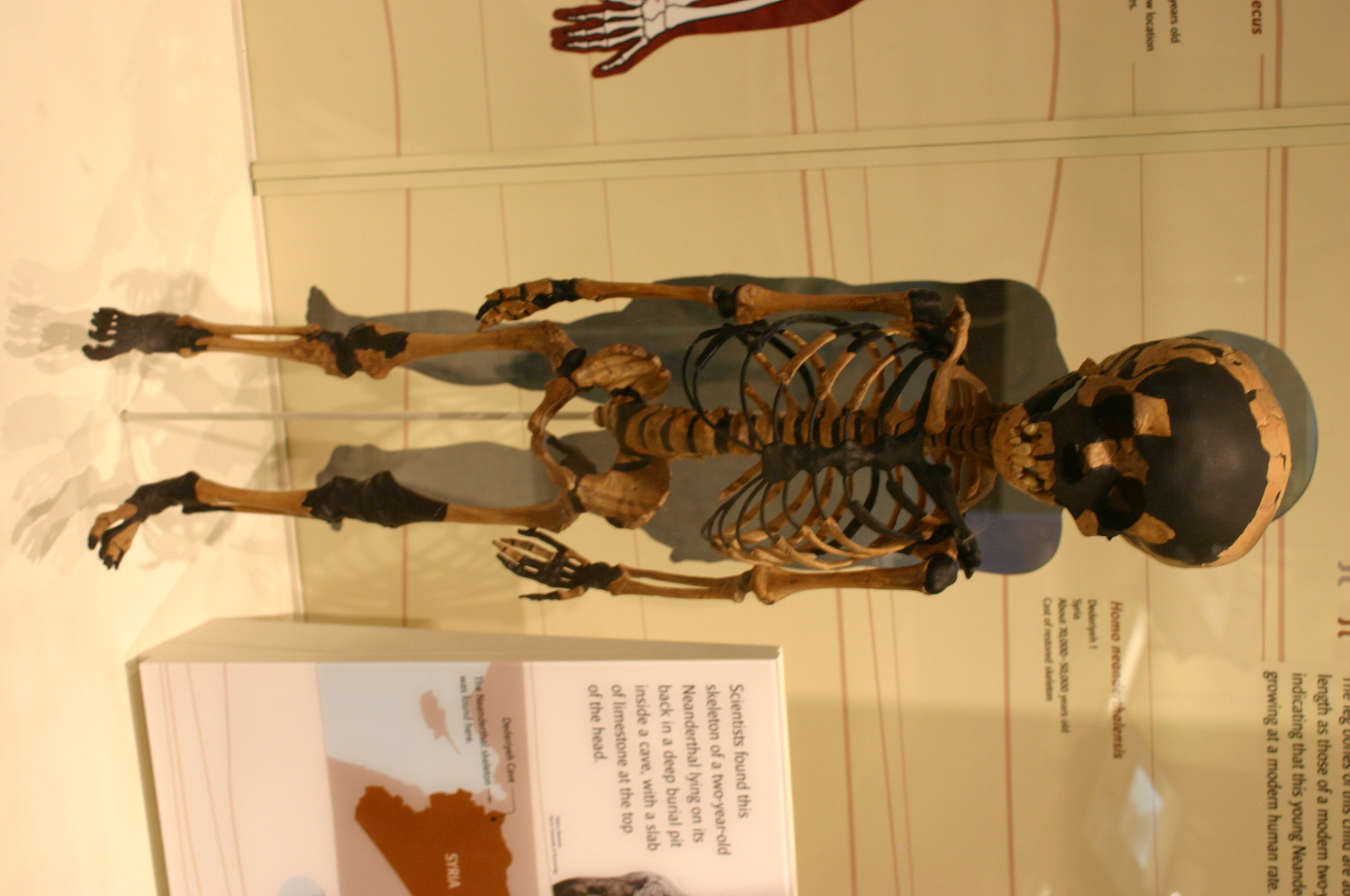
Dederiyeh Cave
Neanderthal burial site in Syrian cave
Nekor
Historic city in Rif, Morocco

Iulia Constantia Zilil
Ancient Roman-Berber city in Mauretania Tingitana
Aït Benhaddou
Fortified ksar in the Ounila Valley, Morocco

Mogador Island
Island with ancient trading and dye production.