
Explore the Map
Taforalt
34.8106° N, -2.4083° E
About
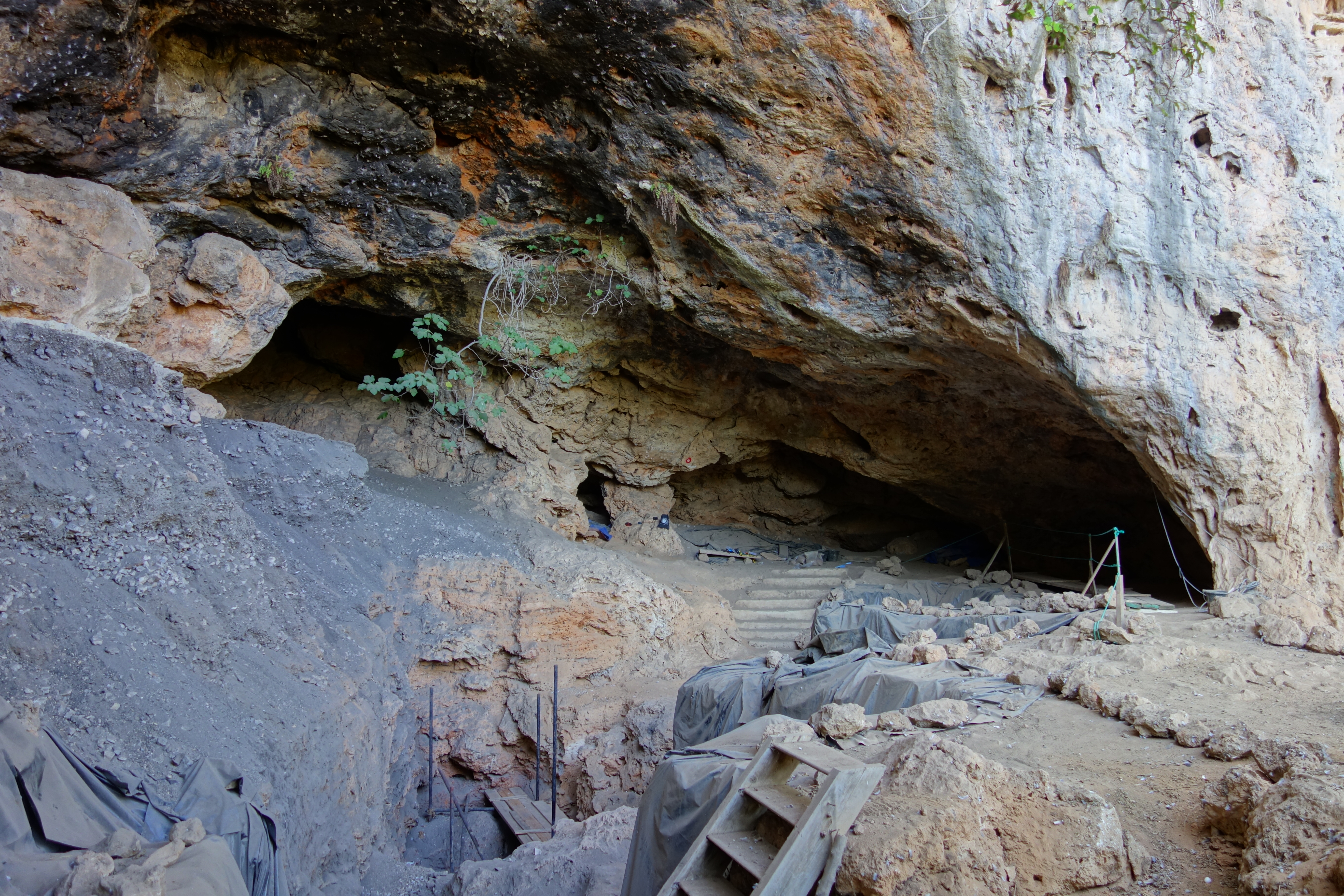
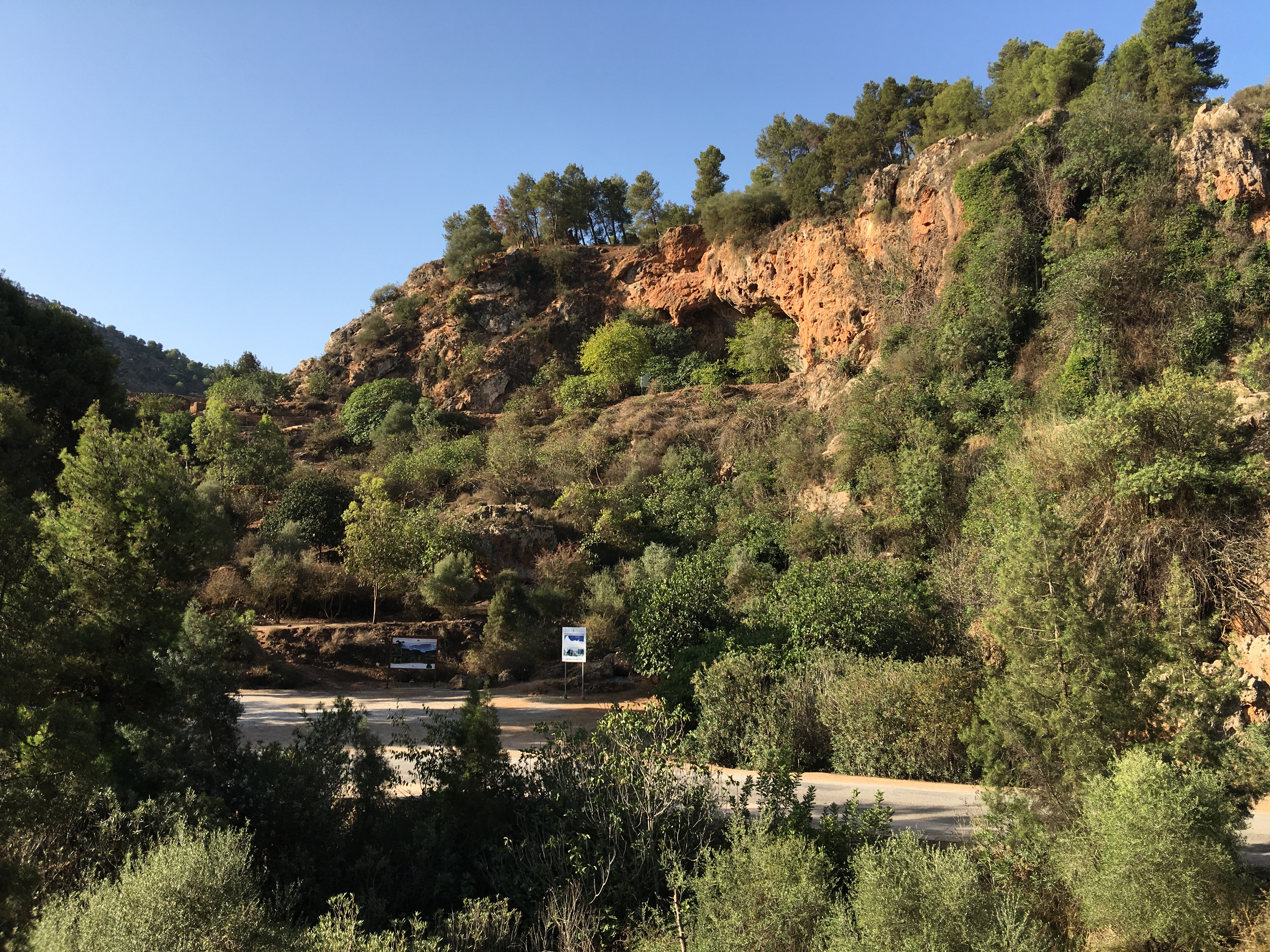
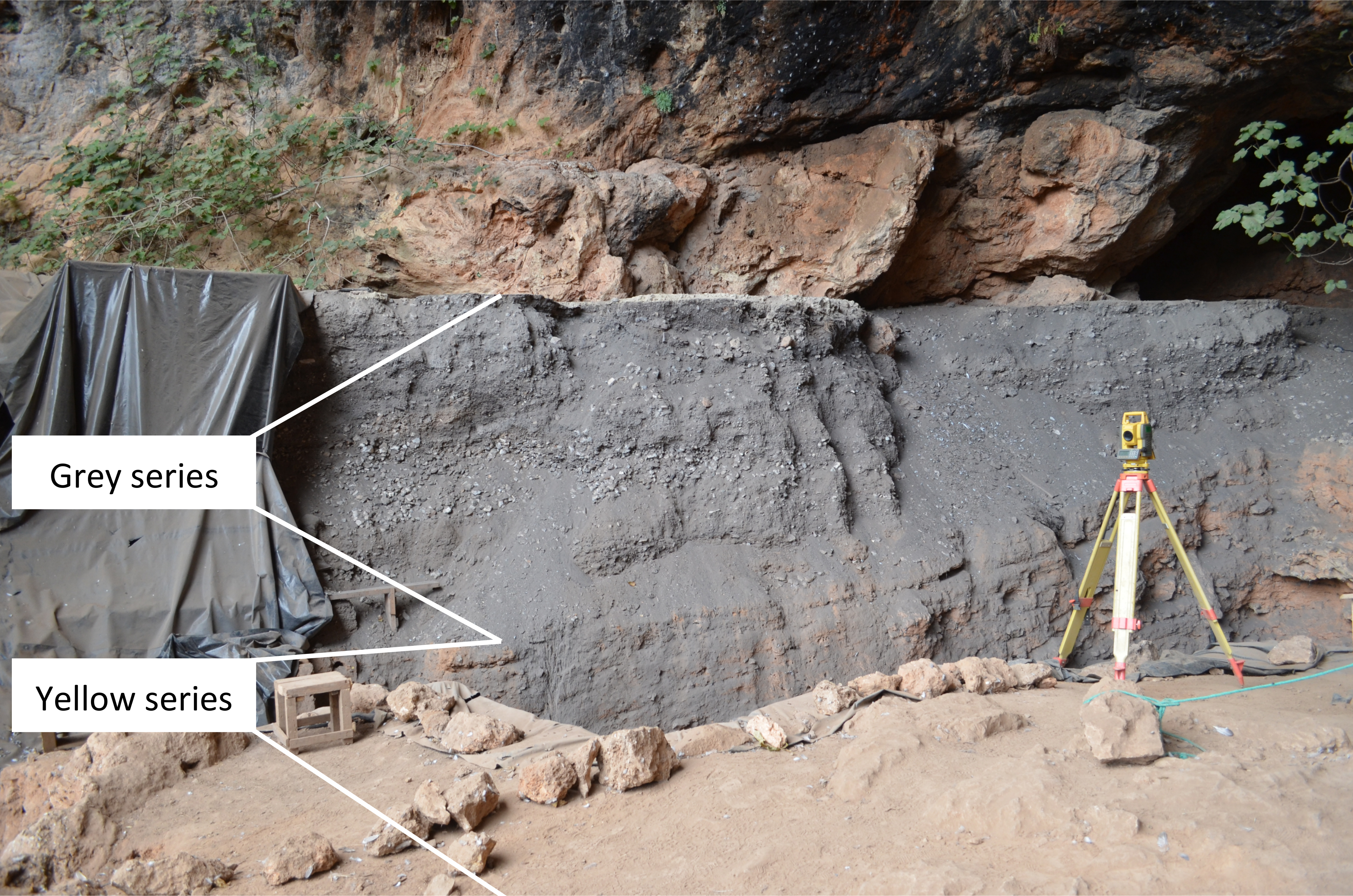
Taforalt, or Grotte des Pigeons, is a cave in the province of Berkane, Aït Iznasen region, Morocco, possibly the oldest cemetery in North Africa. It contained at least 34: 347 Iberomaurusian adolescent and adult human skeletons, as well as younger ones, from the Upper Palaeolithic between 15,100 and 14,000 calendar years ago. There is archaeological evidence for Iberomaurusian occupation at the site between 23,200 and 12,600 calendar years ago, as well as evidence for Aterian occupation as old as 85,000 years.
Gallery
Explore photographs of ancient structures, artifacts, and archaeological excavations
Historical Timeline
Journey through time and discover key events in this site's history
Shift to more sedentary occupation
c. 15,000 cal BP
Burials dated to Upper Palaeolithic
c. 15,100–14,000 cal BP
Iberomaurusian occupation (broad span)
c. 23,200–12,600 cal BP
Non‑Levallois industry
c. 24,500 cal BP
Pre‑Mousterian layers
c. 85,000–82,000 years ago
Discovery of the cave
1908
Major excavation phases
1944–2018
Roche discovers human remains
1951
Aterian occupation (oldest evidence)
c. 85,000 years ago
Archaeological Features
Unique architectural and cultural elements found at this historical site
Burial and Funerary Structures
Domestic and Habitation Structures
Environmental and Natural Features
Food Production and Processing Features
Frequently Asked Questions
Plan Your Visit
Tours, travel arrangements, and practical information
More Sites in Morocco
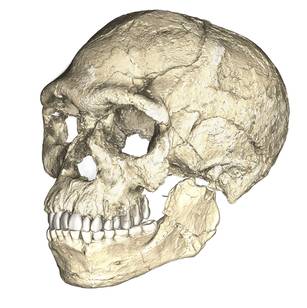
Jebel Irhoud
Pleistocene cave site with hominin fossils.
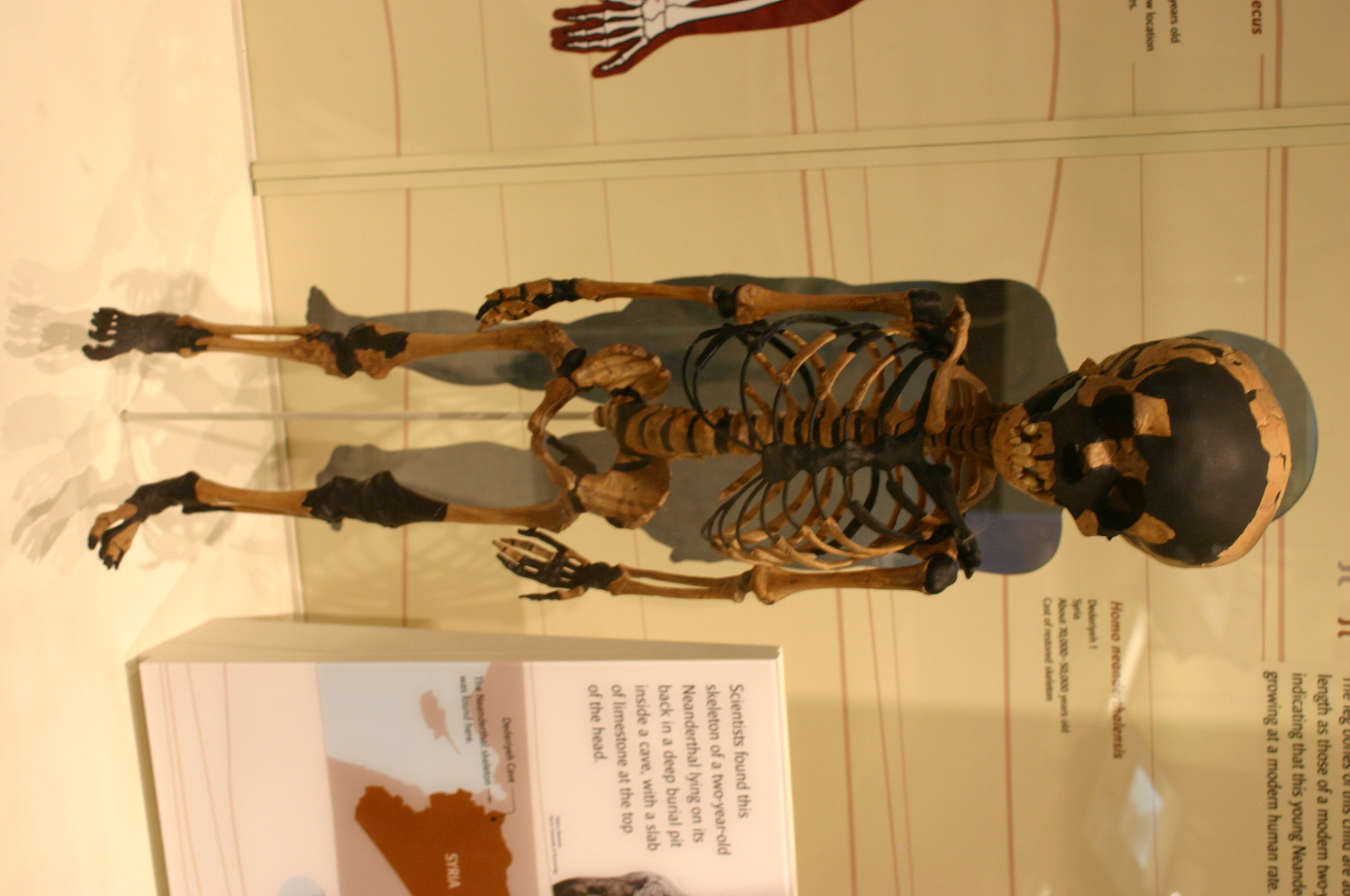
Dederiyeh Cave
Neanderthal burial site in Syrian cave
Hajar al-Nasr
10th-century Idrisid dynasty fortress remains
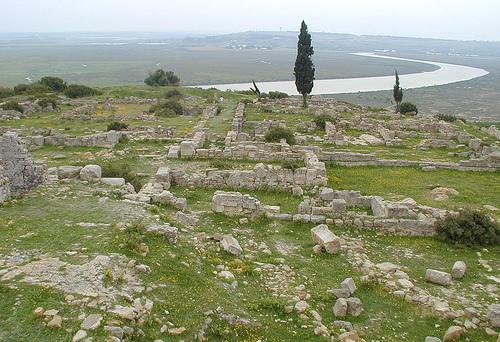
Lixus (ancient city)
Ancient city with multi-period ruins
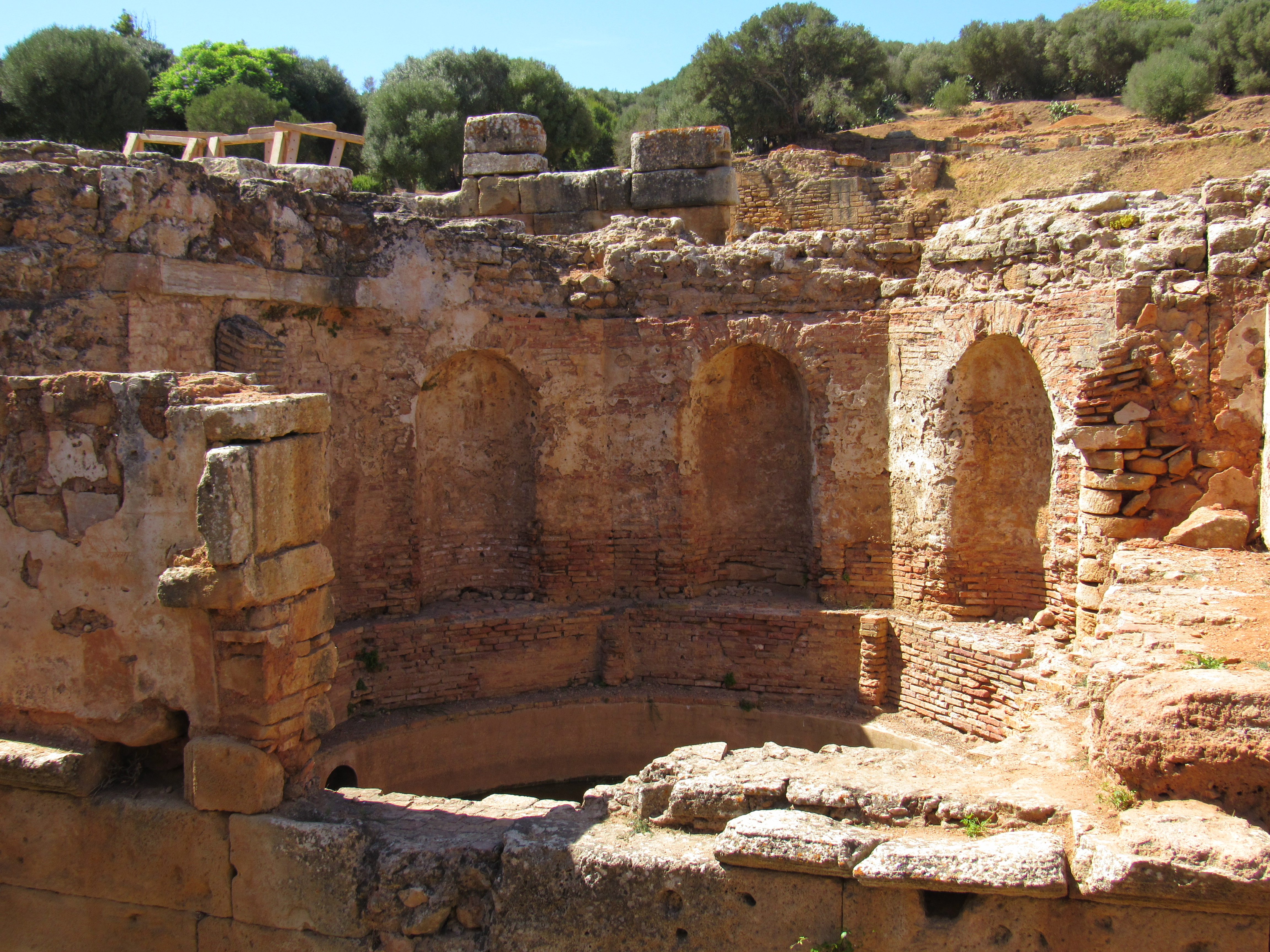
Chellah
Ancient Roman and Marinid necropolis site
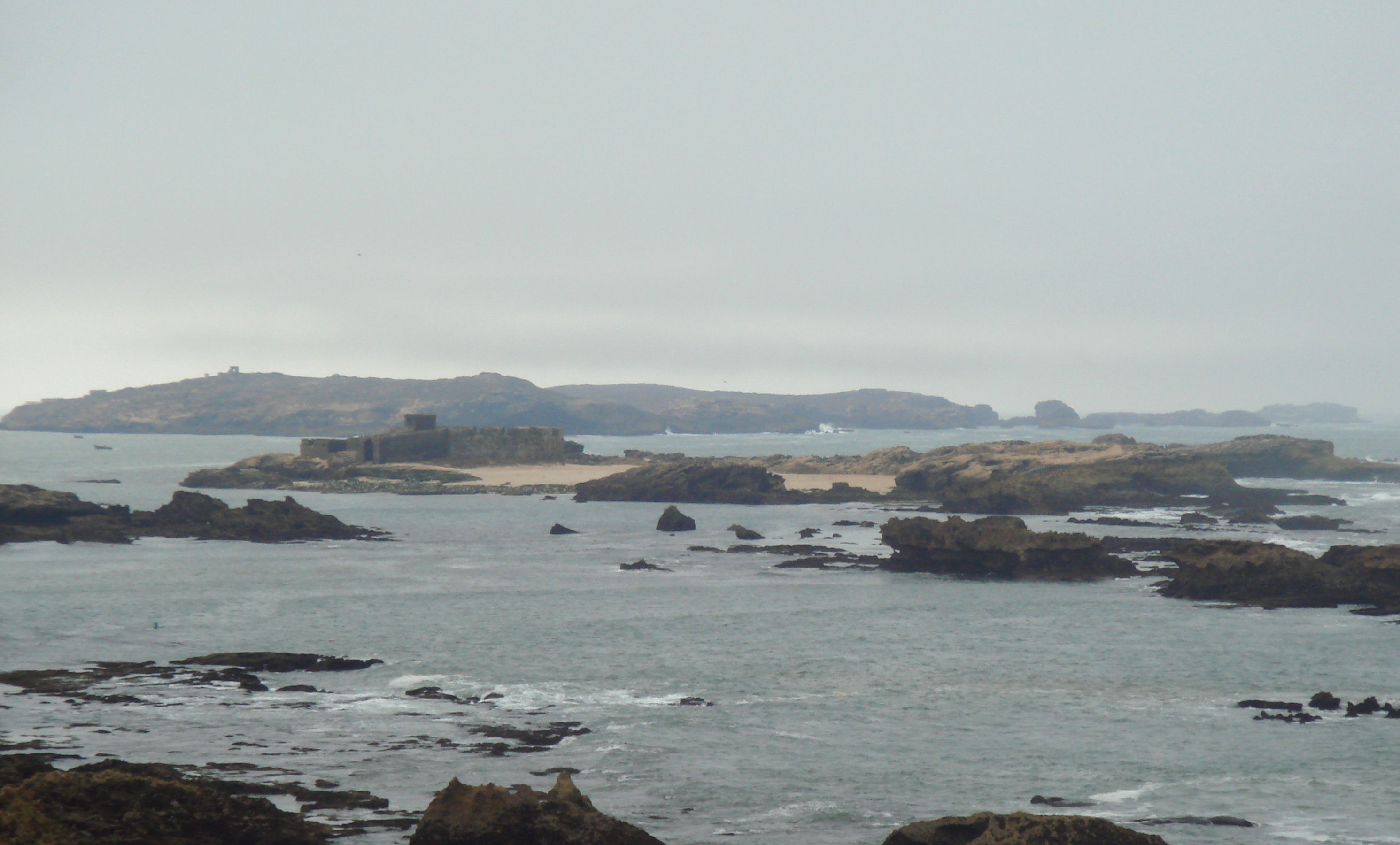
Mogador Island
Island with ancient trading and dye production.