
Explore the Map
Iulia Valentia Banasa
34.6017° N, -6.1156° E
About
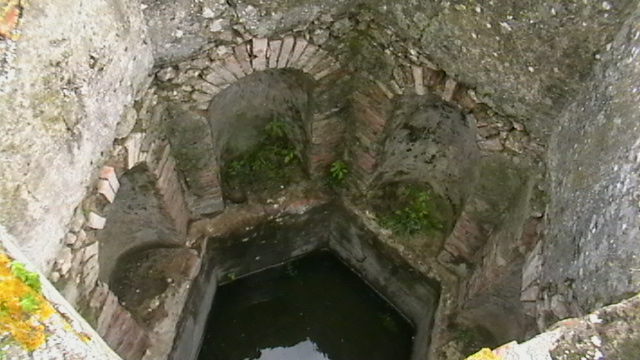
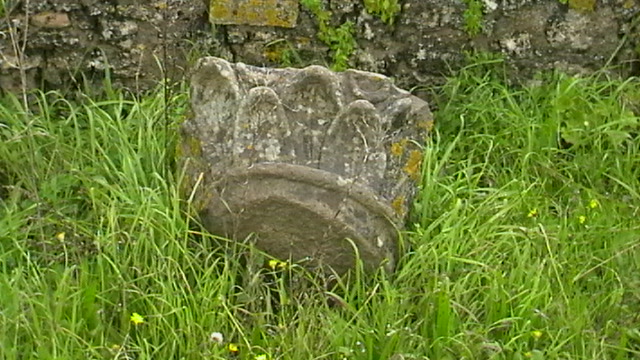
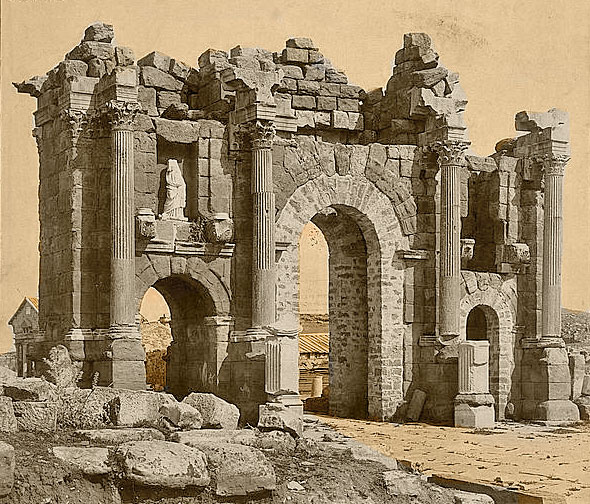
Iulia Valentia Banasa, a Roman-Berber city located in northern Morocco, serves as an important archaeological site reflecting the confluence of Roman and Amazigh cultures. Initially occupied by the Amazigh people from the 4th century BCE, the site later became a Roman colonia founded by Emperor Augustus between 33 and 25 BCE for veterans of the Battle of Actium. This transition highlights the Roman expansion into Mauretania Tingitana. The city is notable for its impressive Roman mosaics, which adorned the buildings and are now displayed at the Rabat Archaeological Museum. The site, along with companion cities like Chellah and Volubilis, exemplifies Roman urban planning with its basilicas and regular street patterns, providing significant insights into the region's historical urban and cultural landscape.
Gallery
Explore photographs of ancient structures, artifacts, and archaeological excavations
Historical Timeline
Journey through time and discover key events in this site's history
4th century BCE Amazigh occupation
4th century BCE
33-25 BCE Roman colonia founded
33-25 BCE
Archaeological Features
Unique architectural and cultural elements found at this historical site
Artistic and Decorative Features
Domestic and Habitation Structures
Frequently Asked Questions
Plan Your Visit
Tours, travel arrangements, and practical information
More Sites in Morocco
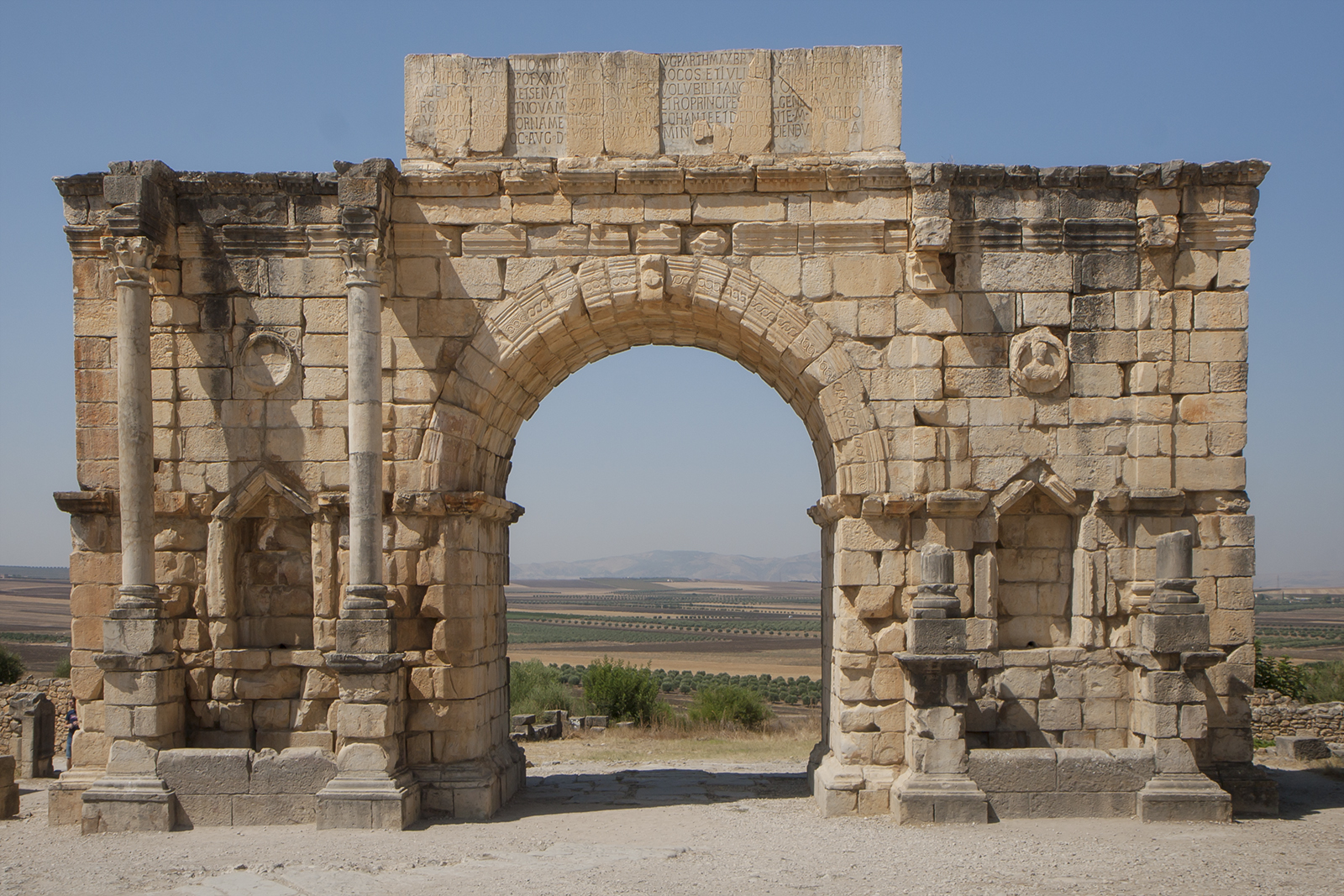
Volubilis
Ancient Berber-Roman city with impressive ruins.
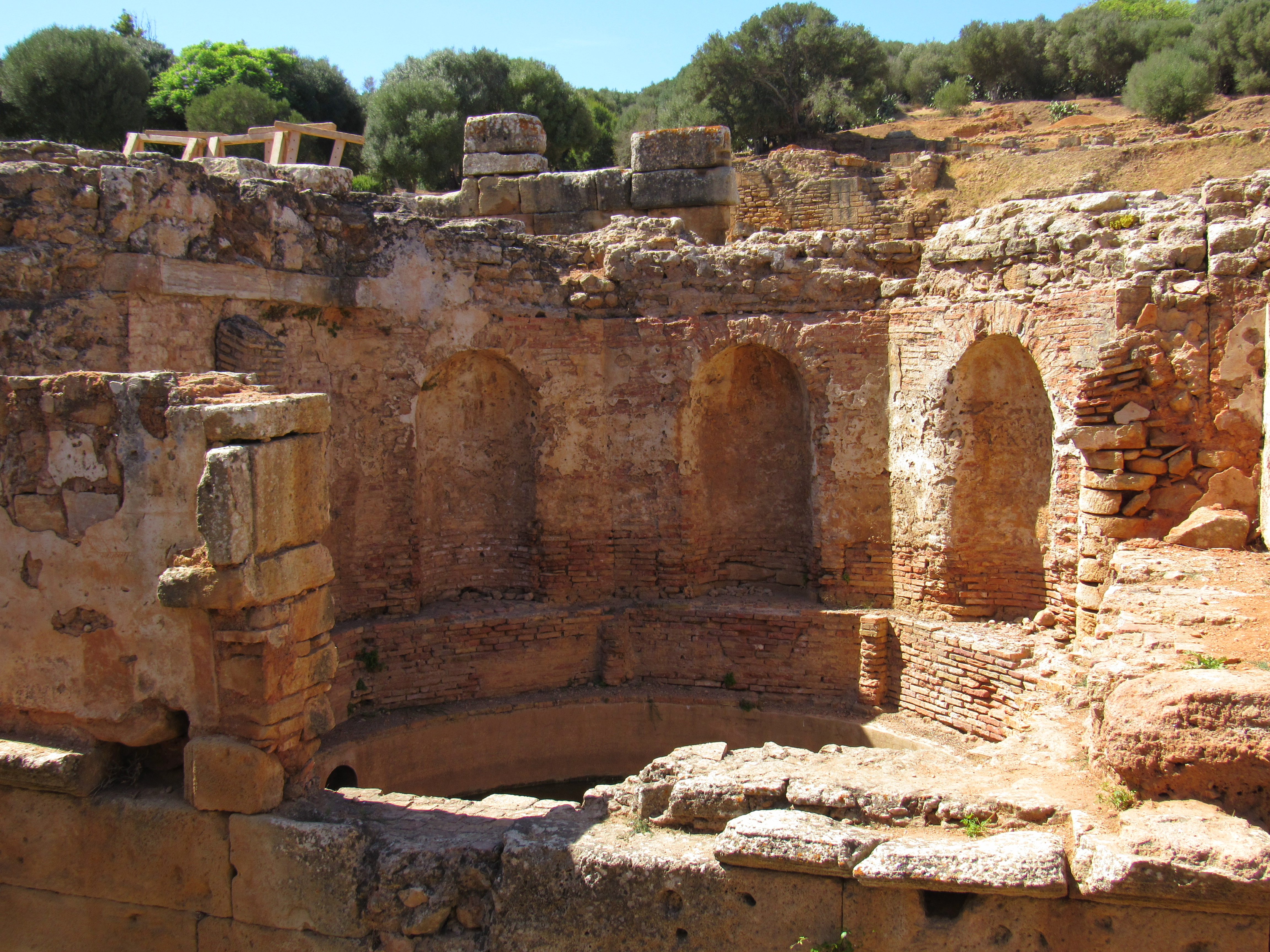
Chellah
Ancient Roman and Marinid necropolis site
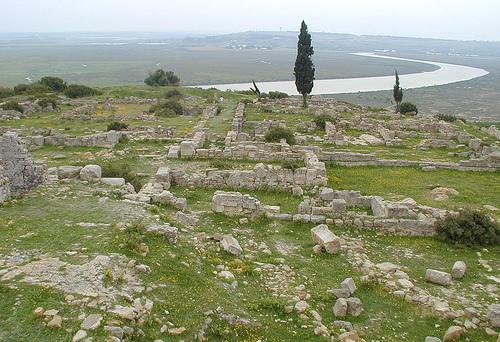
Lixus (ancient city)
Ancient city with multi-period ruins
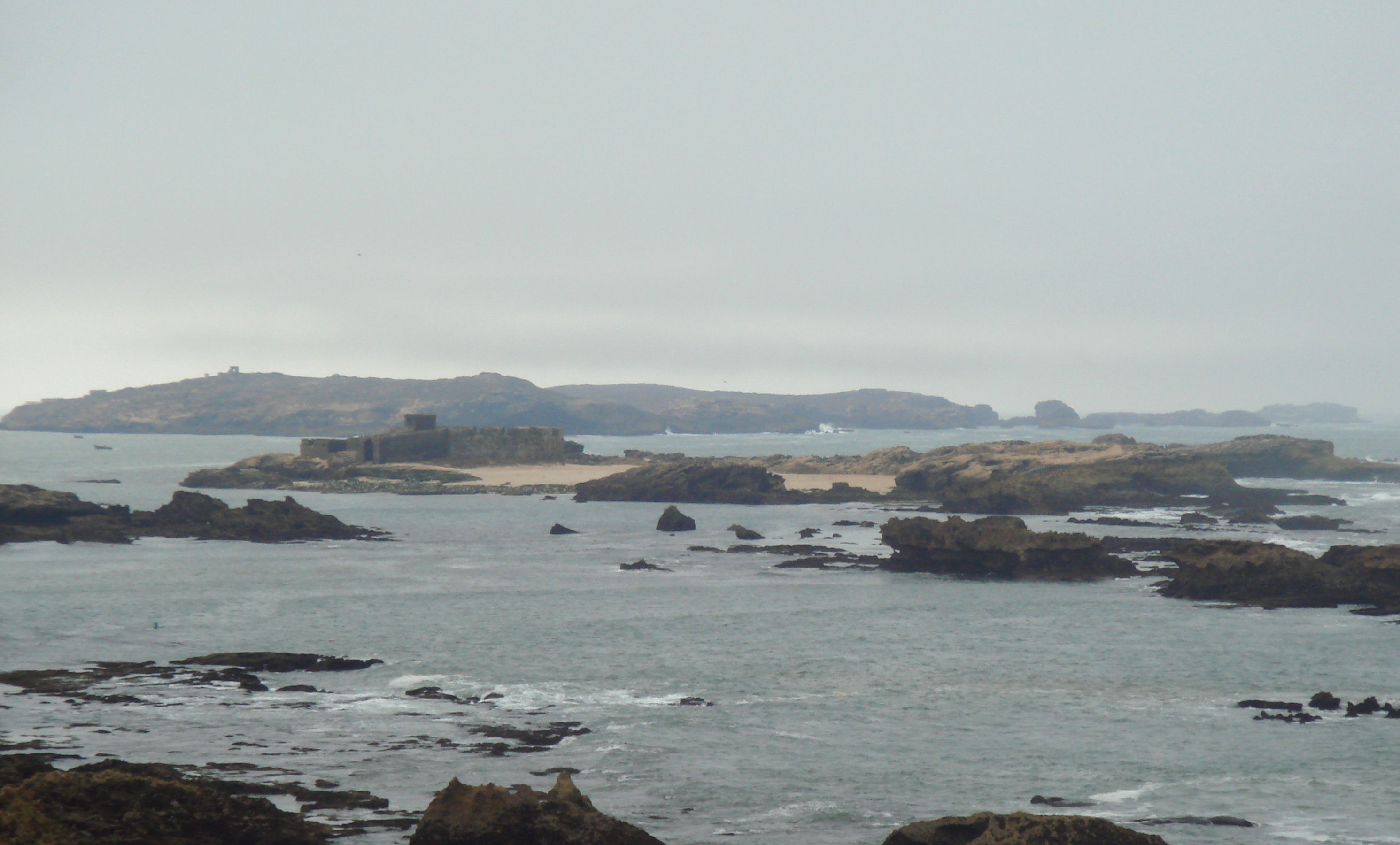
Mogador Island
Island with ancient trading and dye production.
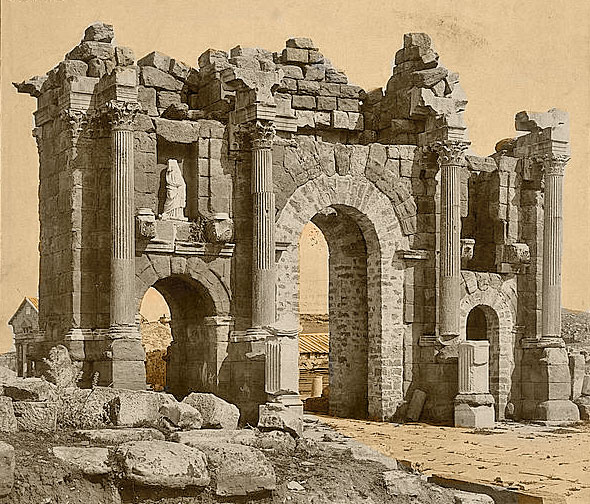
Tamuda
Ancient Berber city with Roman ruins.
Thamusida
Punic and Roman port with military structures.