
Explore the Map
Lixus (ancient city)
35.2008° N, -6.0986° E
About
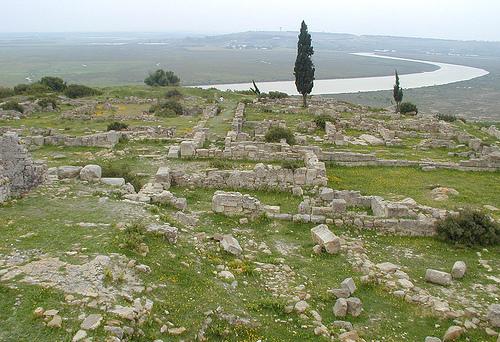
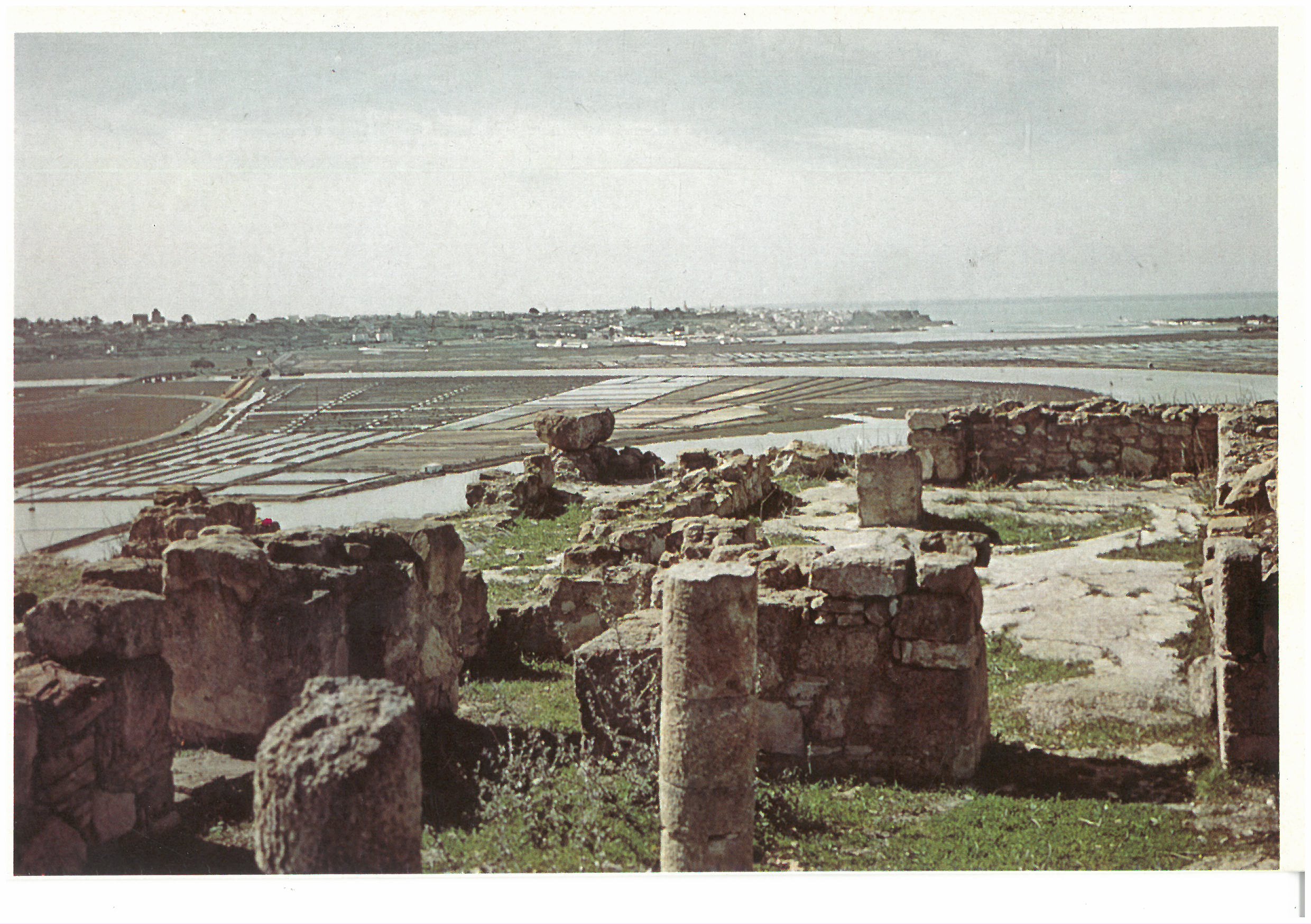
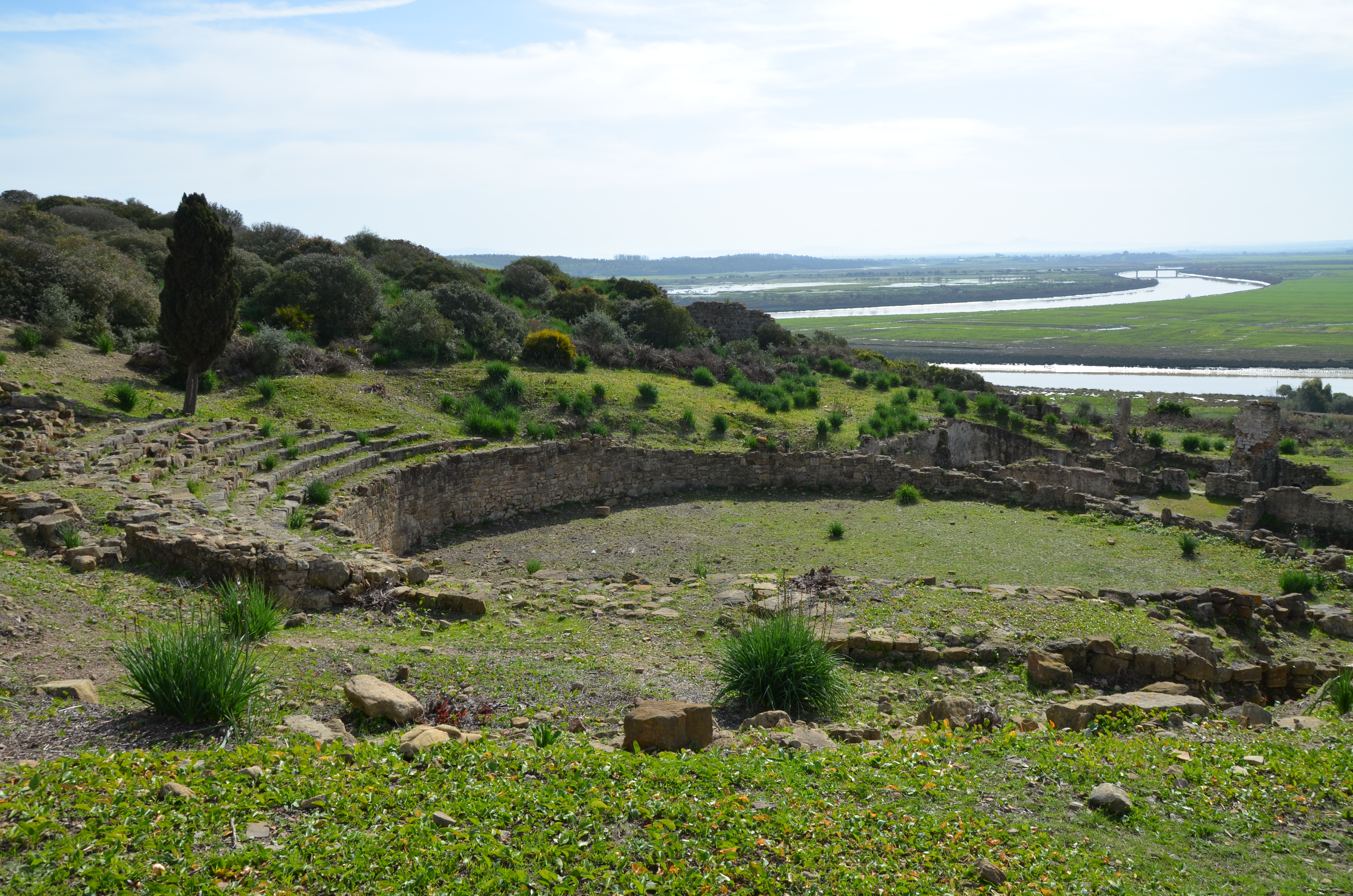
Lixus is an ancient city in Morocco that showcases a rich tapestry of cultural and historical layers. Founded by Phoenicians in the 8th century BCE, the city saw continuous occupation through various periods including the Punic, Mauretanian, Roman, and Islamic eras. Archaeological features of Lixus include remnants of a large amphitheatre, a Paleochristian church, and a royal palace attributed to Juba II of Mauretania. The site also contains extensive industrial complexes, temples, and cisterns that highlight its strategic importance in trade and cultural exchanges in the region. Lixus's significance is underscored by its mythological associations with Hercules and Antaeus, as well as its archaeological value, which continues to reveal insights into ancient urban life and architectural evolution.
Gallery
Explore photographs of ancient structures, artifacts, and archaeological excavations
Historical Timeline
Journey through time and discover key events in this site's history
Phoenician Settlement
8th century BCE
Punic-Mauritanian Phase
4th century BCE
Roman Annexation
50 CE
Christianization
3rd century CE
Medieval Period
12th century CE
Archaeological Features
Unique architectural and cultural elements found at this historical site
Storage Structures
Water Management Features
Public and Civic Structures
Religious and Ritual Structures
Artistic and Decorative Features
Agricultural and Land Use Features
Domestic and Habitation Structures
Frequently Asked Questions
Plan Your Visit
Tours, travel arrangements, and practical information
More Sites in Morocco
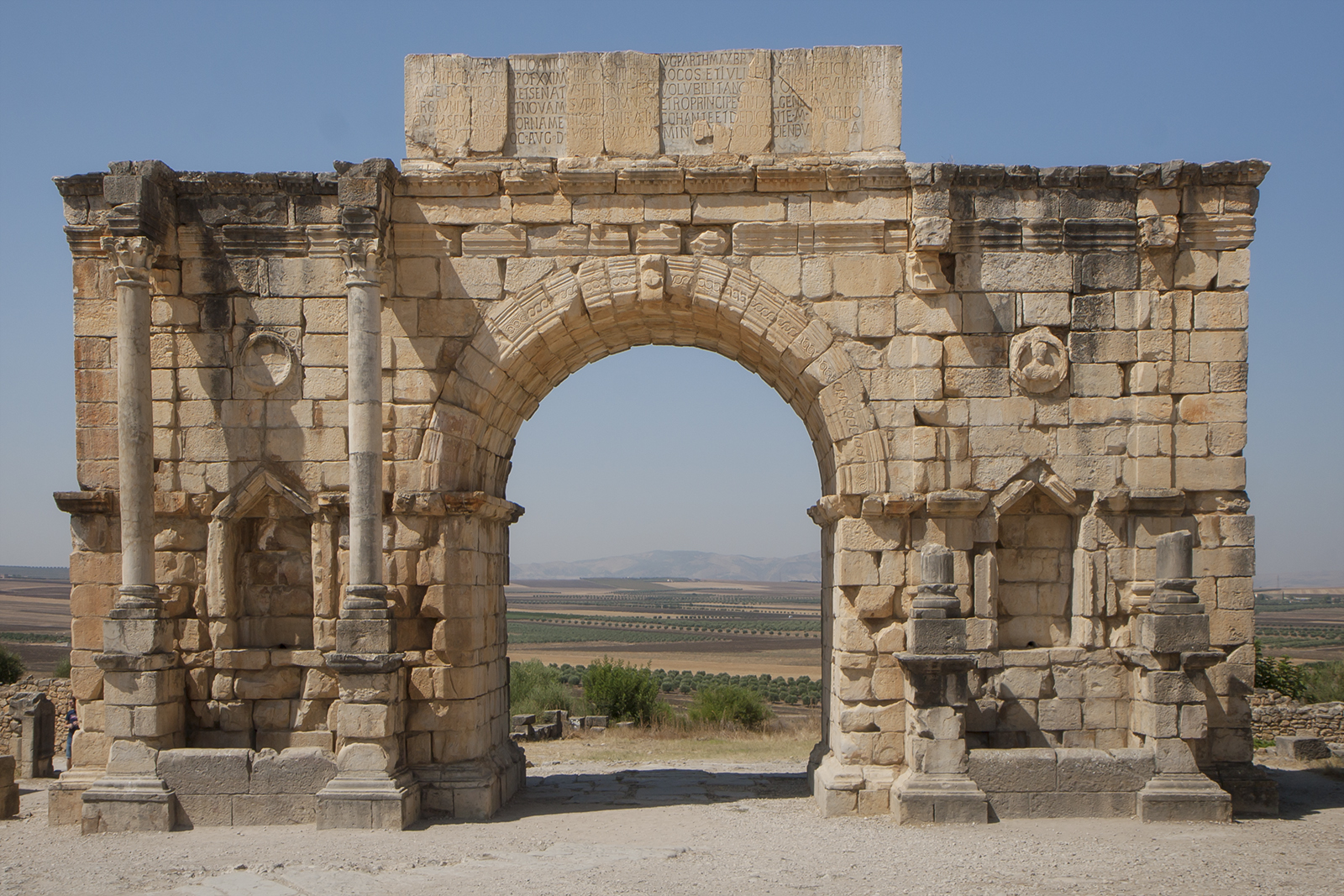
Volubilis
Ancient Berber-Roman city with impressive ruins.
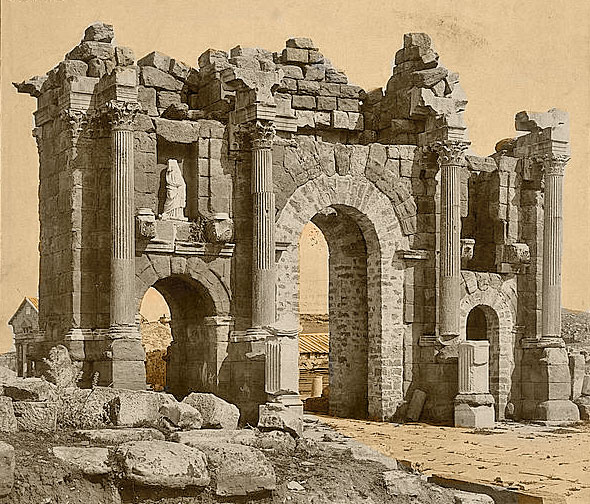
Tamuda
Ancient Berber city with Roman ruins.
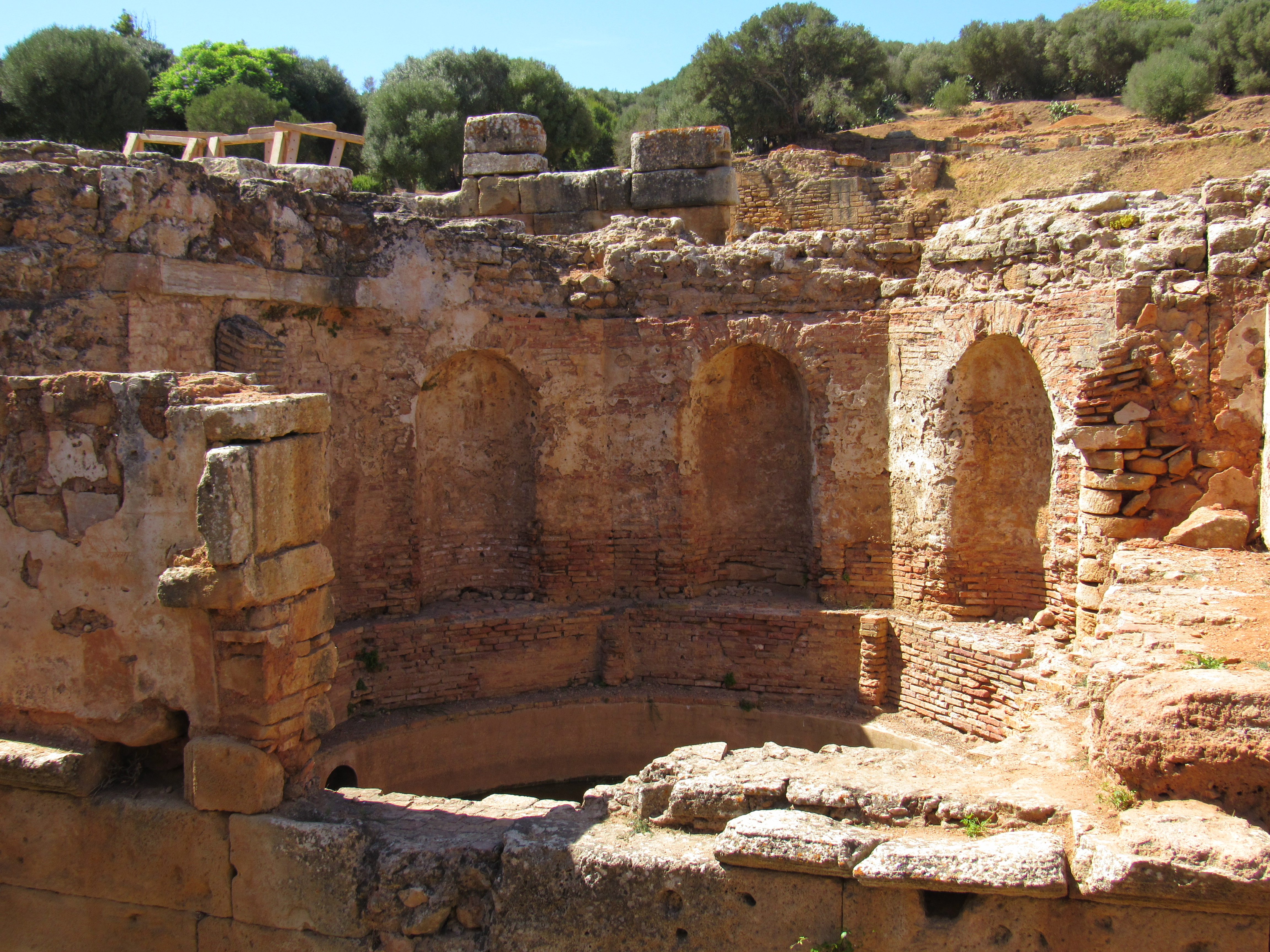
Chellah
Ancient Roman and Marinid necropolis site
Iulia Constantia Zilil
Ancient Roman-Berber city in Mauretania Tingitana
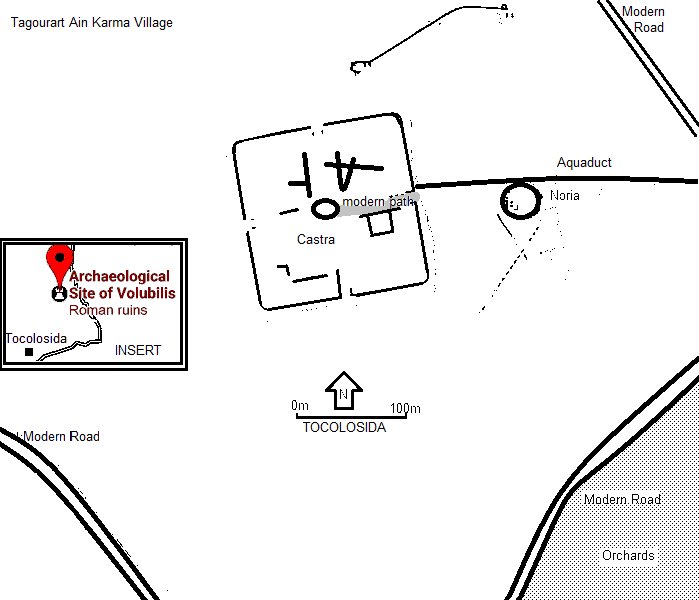
Tocolsida
Roman castra remains in Morocco's Atlas Mountains
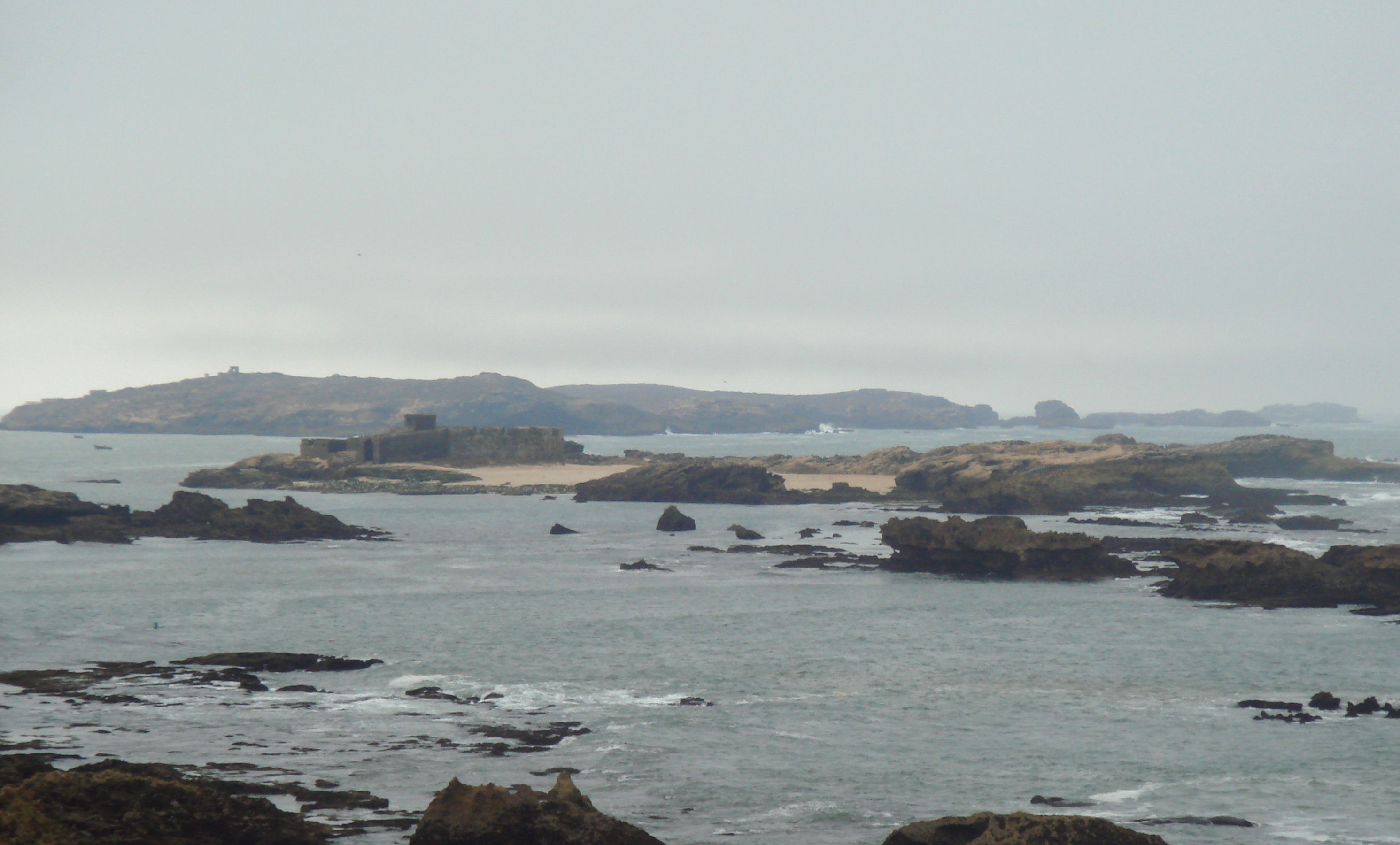
Mogador Island
Island with ancient trading and dye production.