
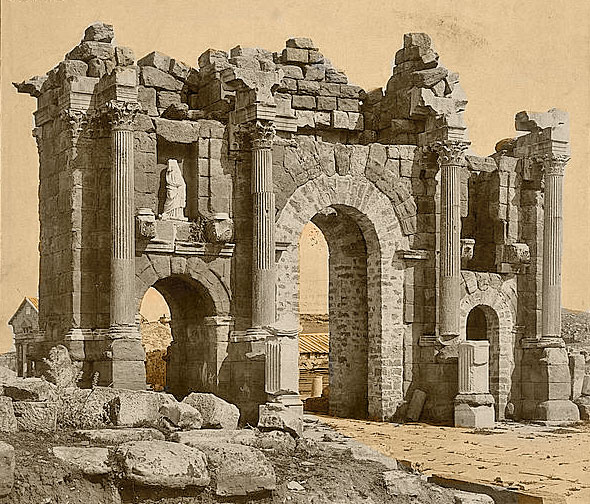
Explore the Map
Tamuda
35.5583° N, -5.4097° E
About
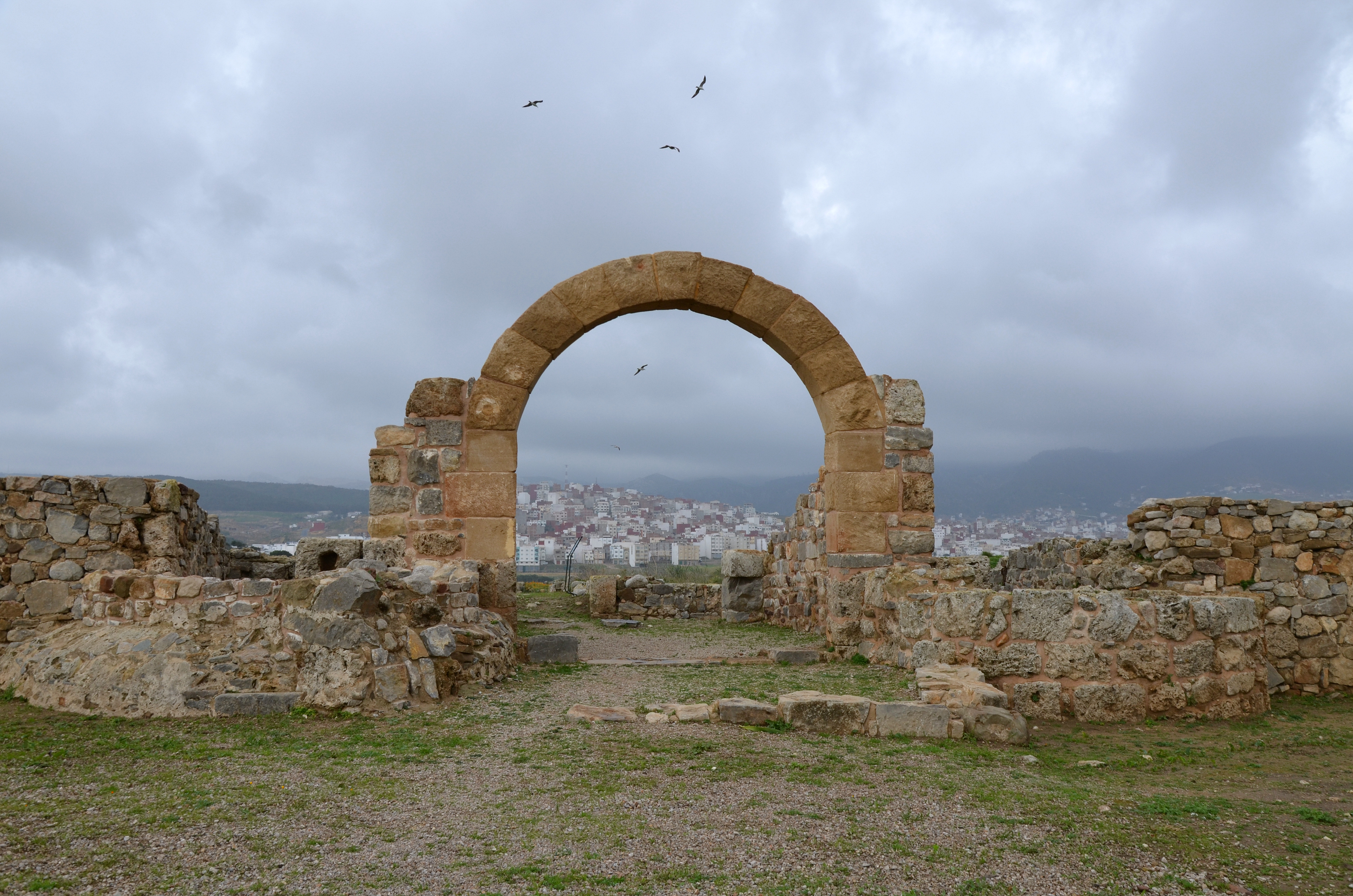
Tamuda was an ancient Berber city established in the 3rd century BCE in what is now northern Morocco. It became a significant location due to its strategic position and later Roman occupation. Initially founded by Mauretanian Berbers, Tamuda experienced a Phoenician commercial presence before being occupied by the Romans during the reign of Emperor Augustus. The city was fortified in the 1st century CE, transforming into a Roman castrum. Under Roman governance, particularly during the rule of Emperors Trajan and Septimius Severus, Tamuda became a key city in Mauretania Tingitana, noted for fish salting and purple dye production. The site reflects a rich blend of Berber, Phoenician, and Roman influences, making it an invaluable site for understanding the cultural and economic dynamics of the region in antiquity.
Gallery
Explore photographs of ancient structures, artifacts, and archaeological excavations
Historical Timeline
Journey through time and discover key events in this site's history
Founding of Tamuda
300 BCE
Phoenician Presence
200 BCE
Roman Occupation
27 BCE
Roman Fortification
42 CE
Development under Trajan and Severus
100 CE
End of Roman Occupation
400 CE
Abandonment and Vandal Arrival
500 CE
Archaeological Features
Unique architectural and cultural elements found at this historical site
Storage Structures
Defensive Structures
Public and Civic Structures
Industrial and Craft Structures
Artistic and Decorative Features
Domestic and Habitation Structures
Food Production and Processing Features
Frequently Asked Questions
Plan Your Visit
Tours, travel arrangements, and practical information
More Sites in Morocco
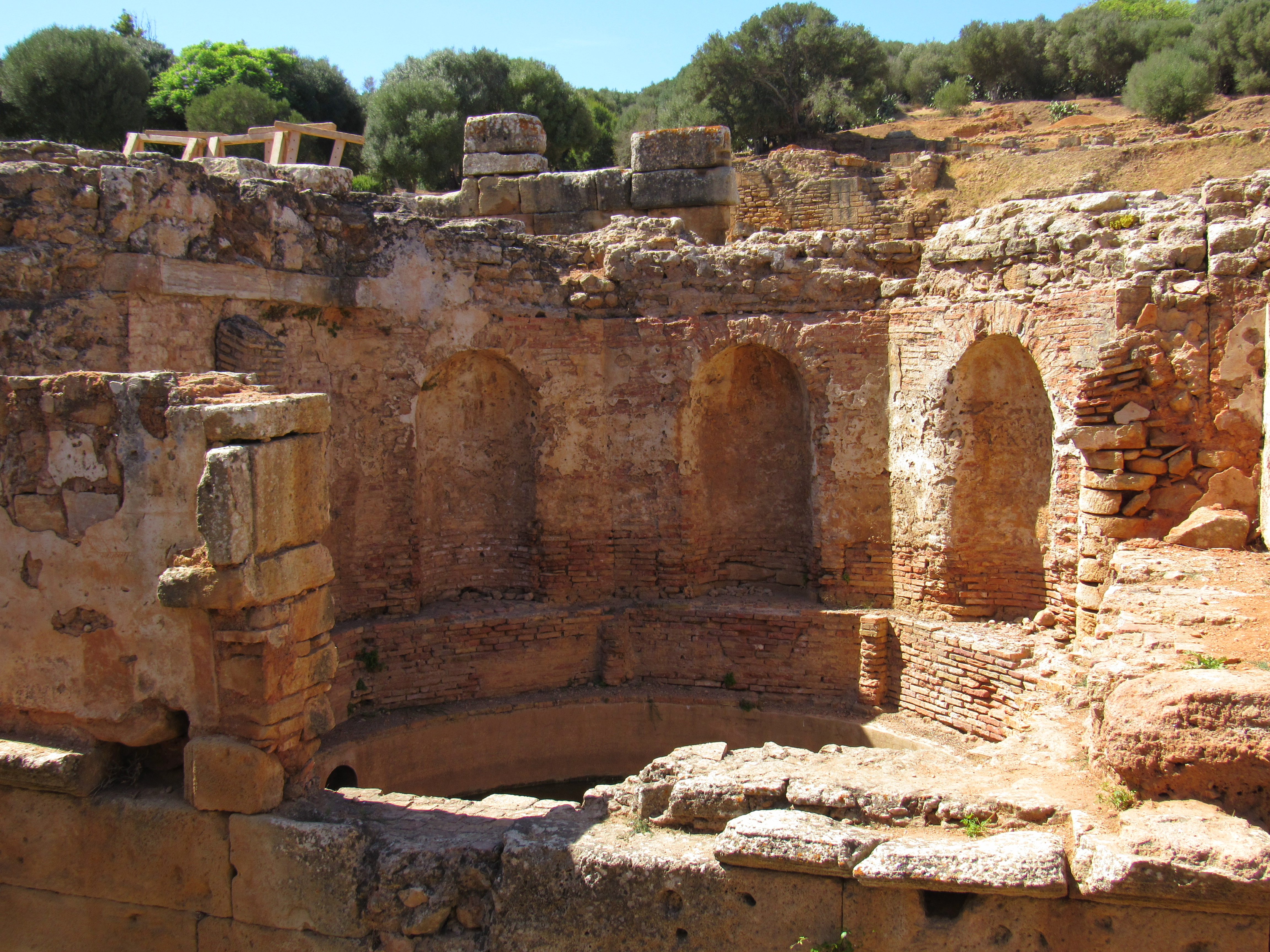
Chellah
Ancient Roman and Marinid necropolis site
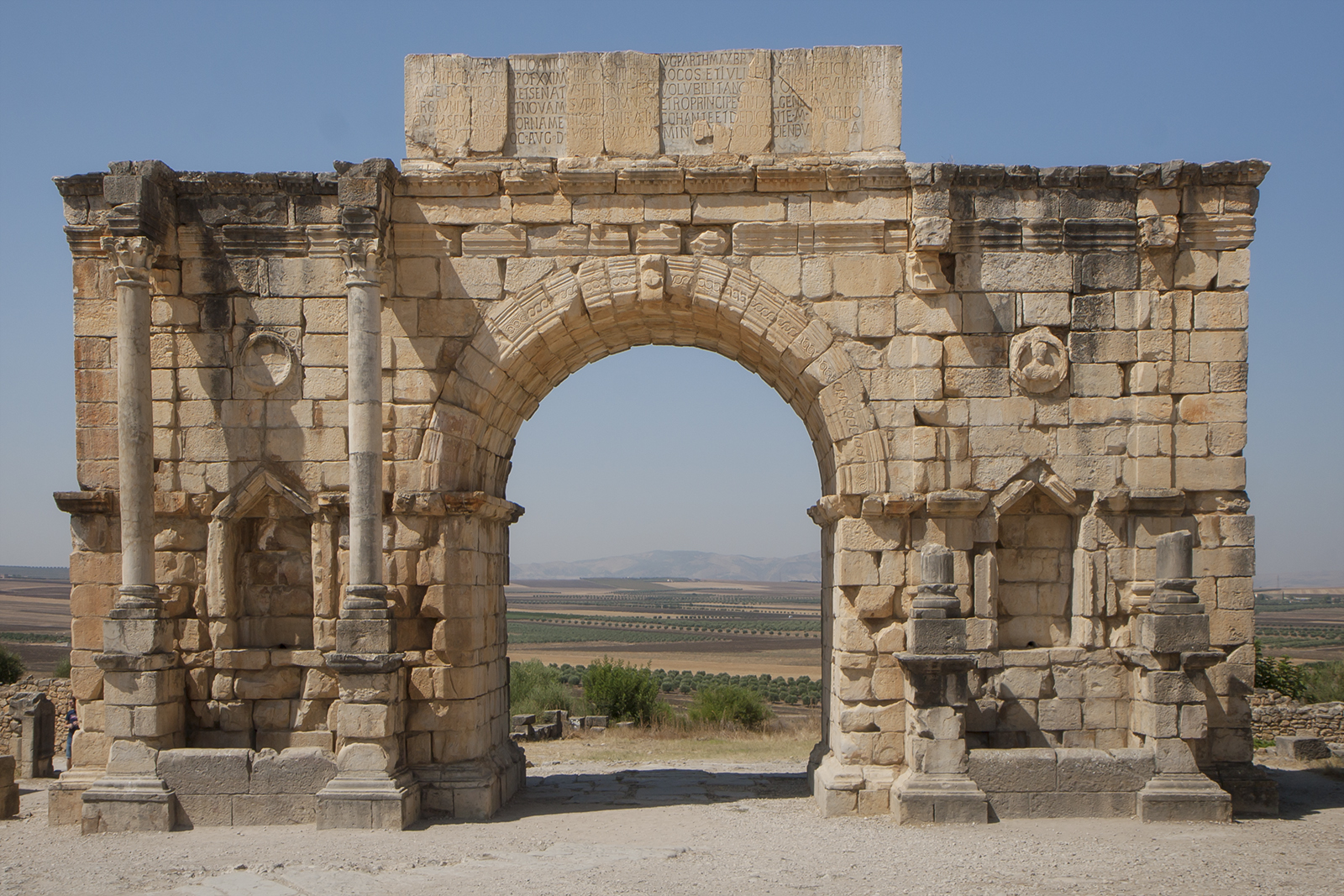
Volubilis
Ancient Berber-Roman city with impressive ruins.
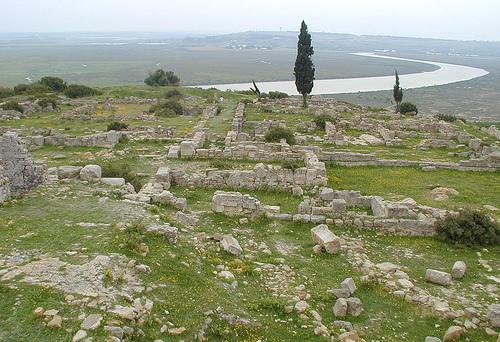
Lixus (ancient city)
Ancient city with multi-period ruins
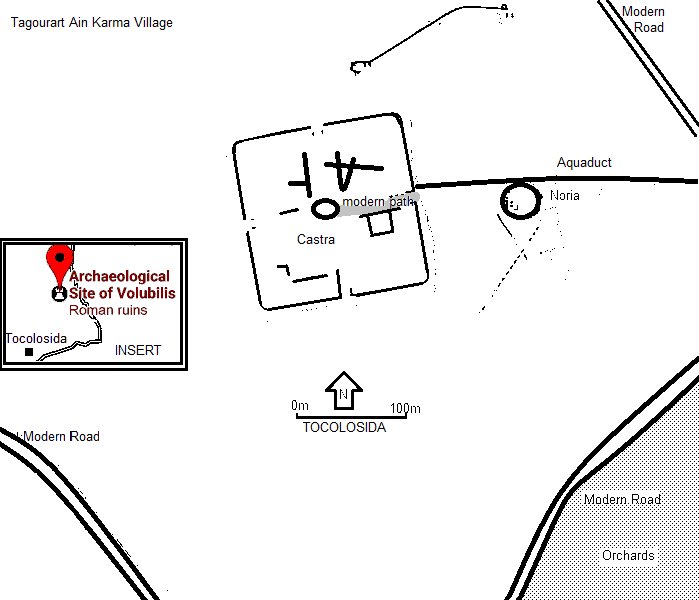
Tocolsida
Roman castra remains in Morocco's Atlas Mountains
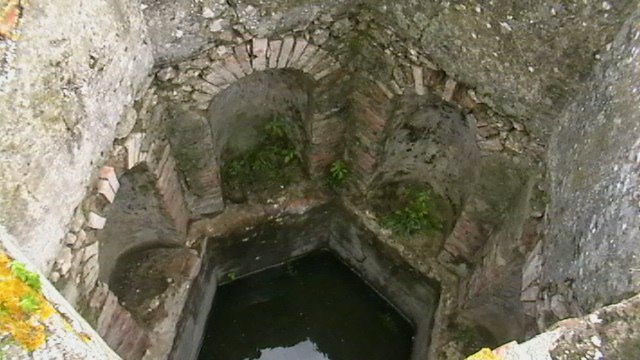
Iulia Valentia Banasa
Roman-Berber city with beautiful mosaics.
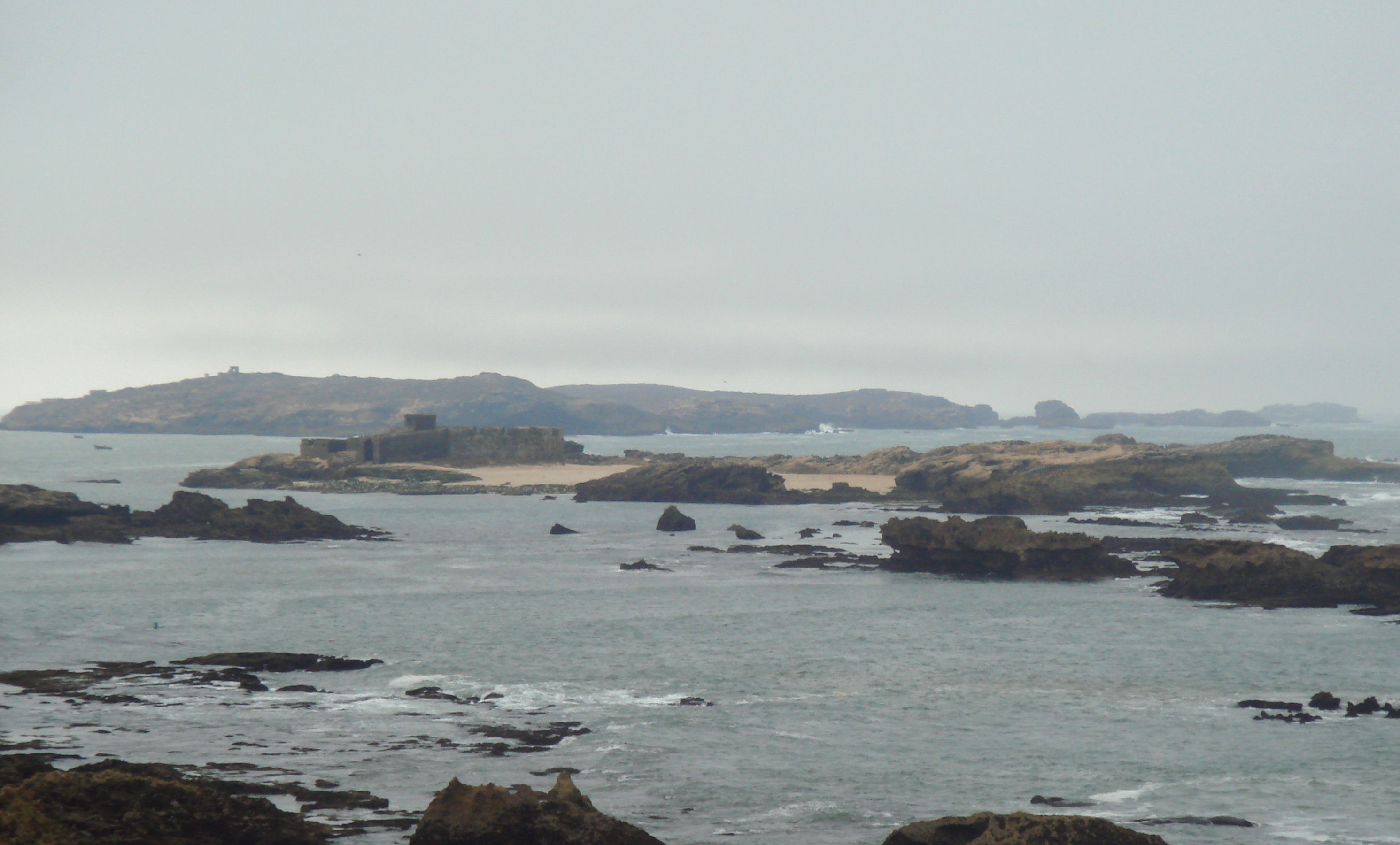
Mogador Island
Island with ancient trading and dye production.