

Explore the Map
Thamusida
34.3356° N, -6.4894° E
About
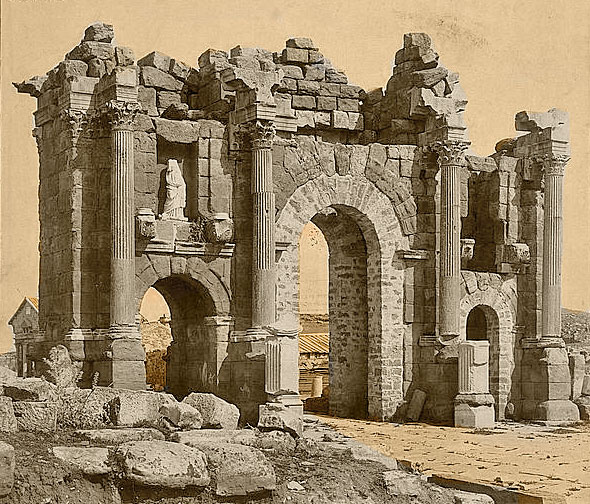
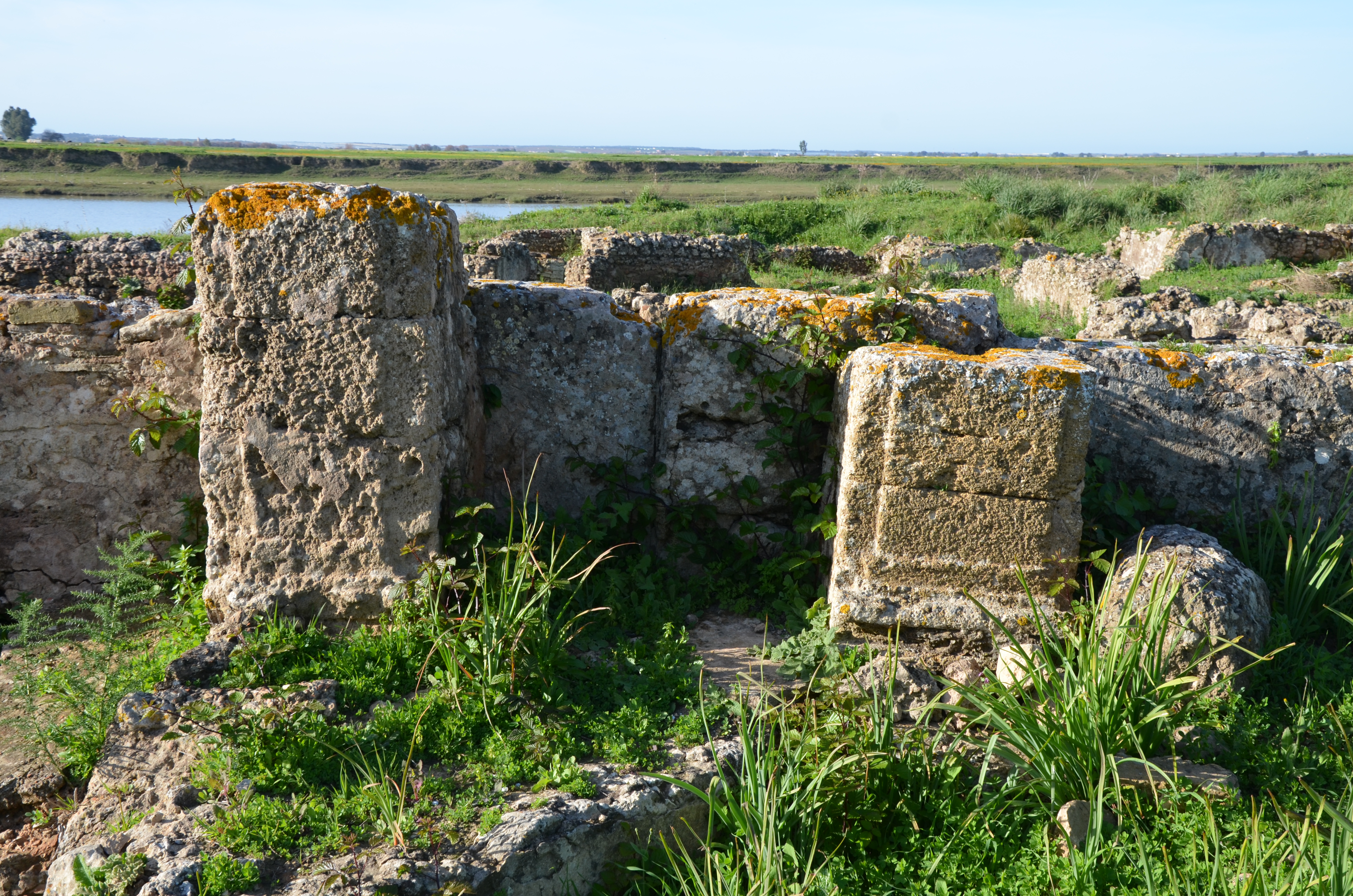
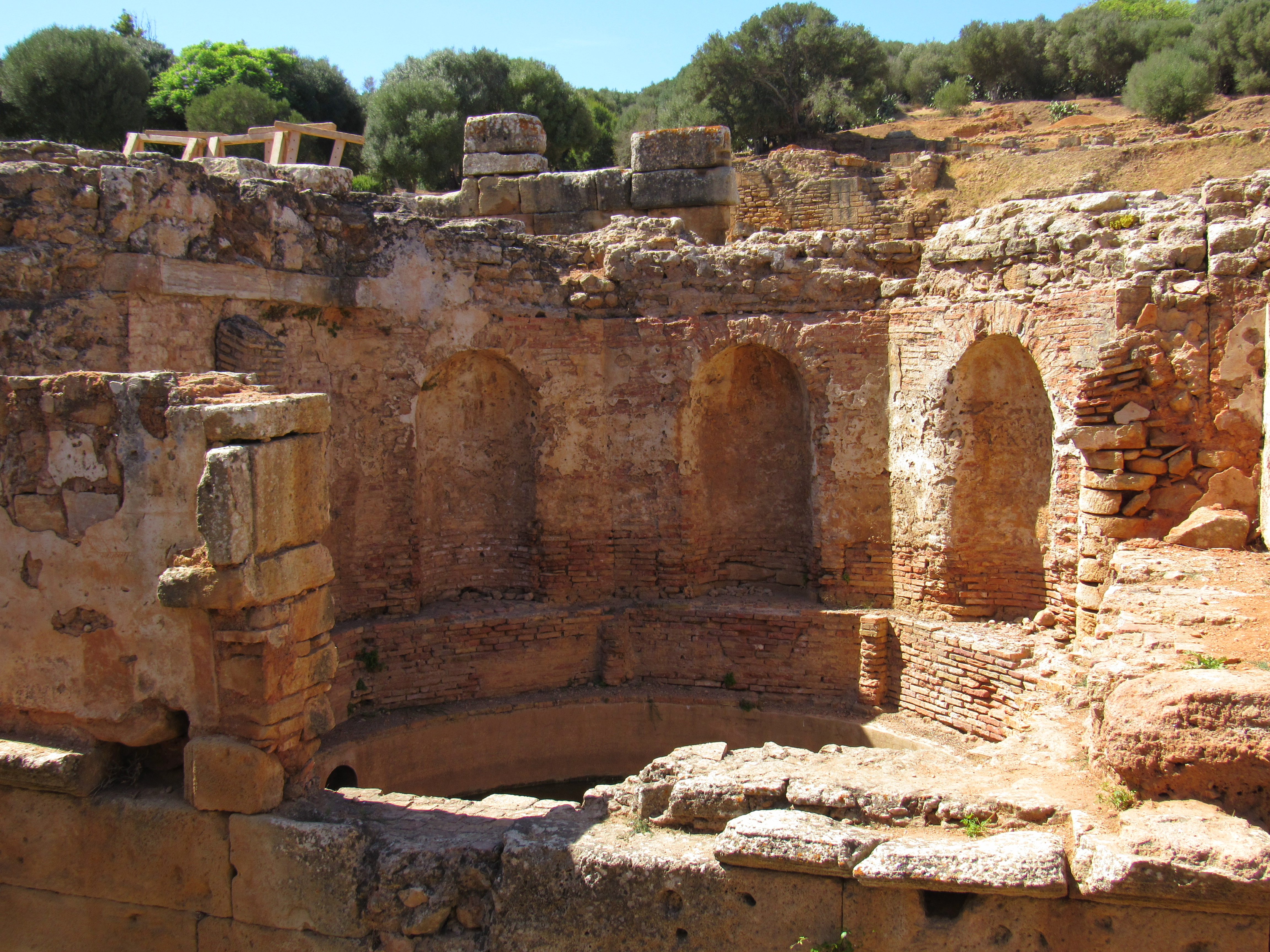
Thamusida was a significant archaeological site located in present-day Morocco. Initially established as a Carthaginian trading post, it became a notable river port under the Roman Empire within Mauretania Tingitana. Key archaeological features include fortified structures, temples, public baths, and domestic houses. The Romans fortified the city, constructing one of the province's largest camps and temples, including one dedicated to Venus. The city's urban development featured orthogonal planning and thermal baths. Thamusida played a crucial role as a military and supply center, evidenced by its fortress and surviving inscriptions. The site was abandoned around 285 CE, likely due to Roman strategic withdrawals, and fell into decline after the Vandal invasion around 425 CE.
Gallery
Explore photographs of ancient structures, artifacts, and archaeological excavations
Historical Timeline
Journey through time and discover key events in this site's history
Carthaginian Trading Post
200 BCE
Roman Occupation and Camp
27 BCE - 14 CE
Claudius Enlarges Thamusida
41 CE - 54 CE
Temple to Venus Built
100 CE - 199 CE
Fortress Built Under Marcus Aurelius
161 CE - 180 CE
City Abandoned
274 CE - 285 CE
Vandal Invasion
425 CE
Archaeological Features
Unique architectural and cultural elements found at this historical site
Defensive Structures
Water Management Features
Public and Civic Structures
Industrial and Craft Structures
Religious and Ritual Structures
Artistic and Decorative Features
Domestic and Habitation Structures
Frequently Asked Questions
Plan Your Visit
Tours, travel arrangements, and practical information
More Sites in Morocco
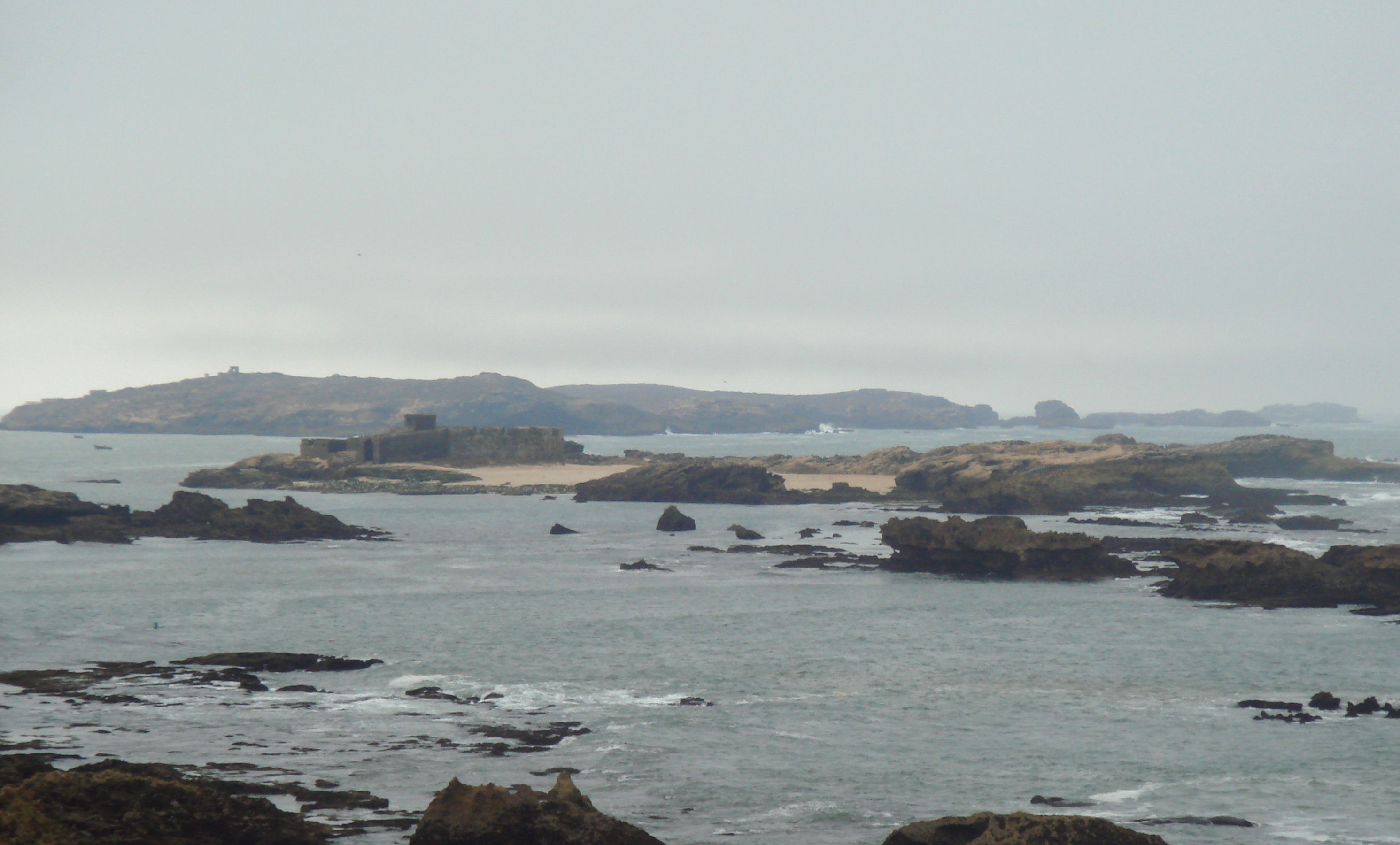
Mogador Island
Island with ancient trading and dye production.
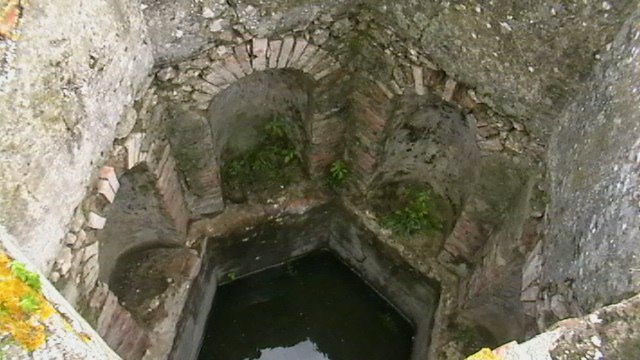
Iulia Valentia Banasa
Roman-Berber city with beautiful mosaics.
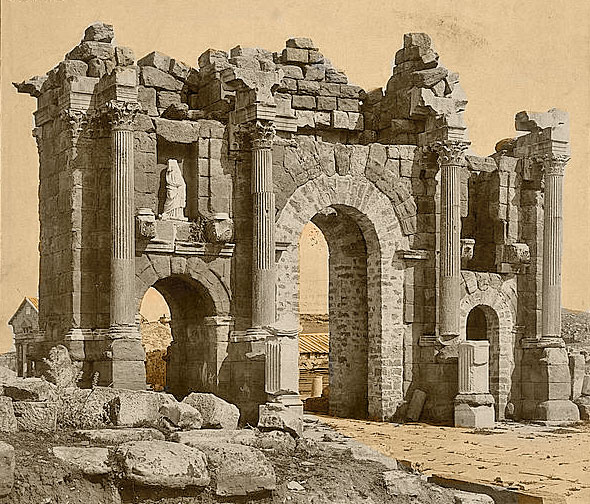
Tamuda
Ancient Berber city with Roman ruins.
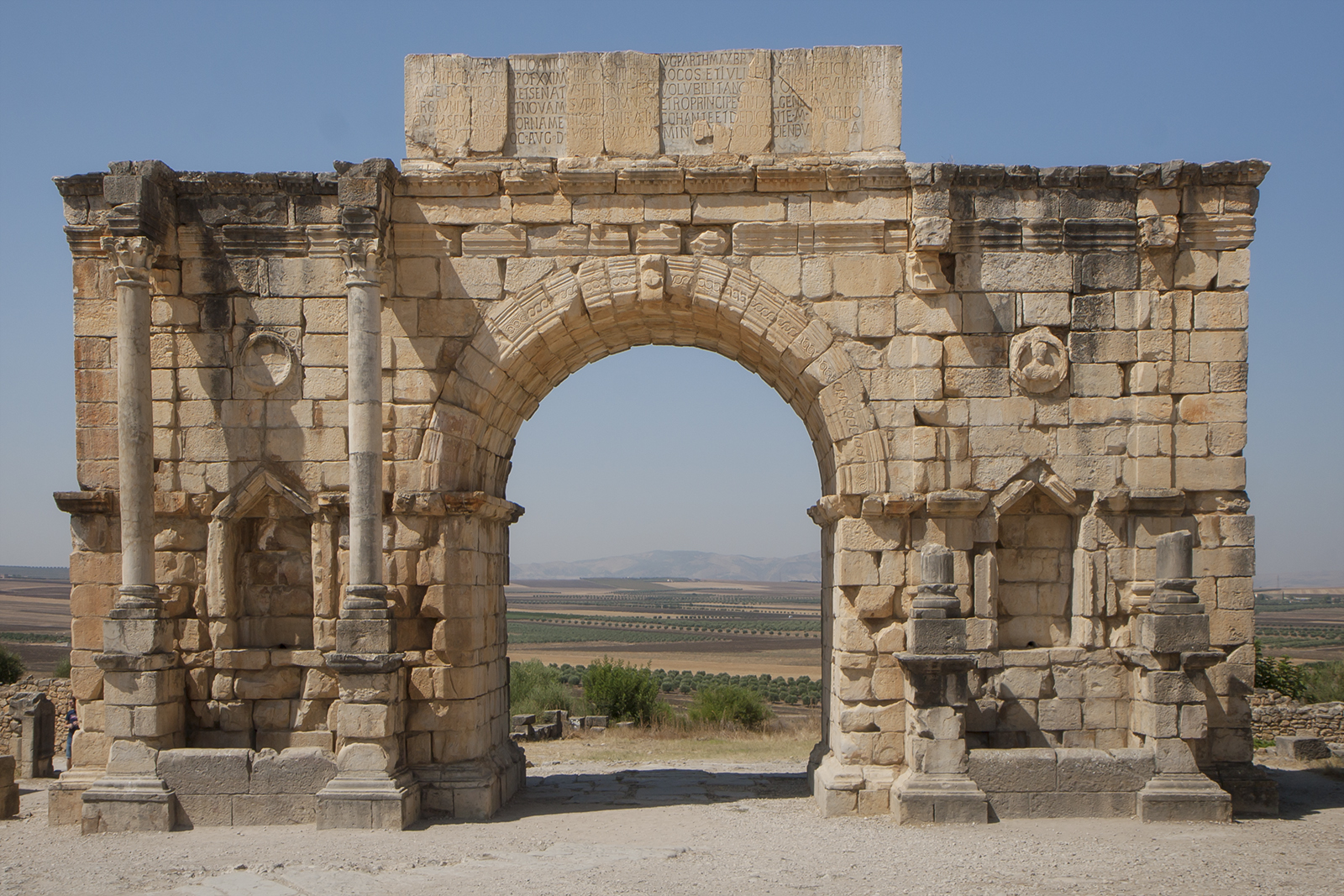
Volubilis
Ancient Berber-Roman city with impressive ruins.
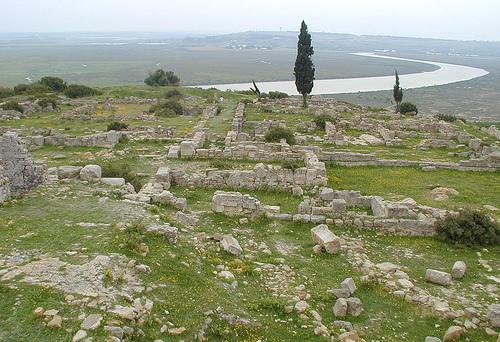
Lixus (ancient city)
Ancient city with multi-period ruins
Chellah
Ancient Roman and Marinid necropolis site