
Explore the Map
Apollo 11 Cave
-27.7500° N, 17.1000° E
About
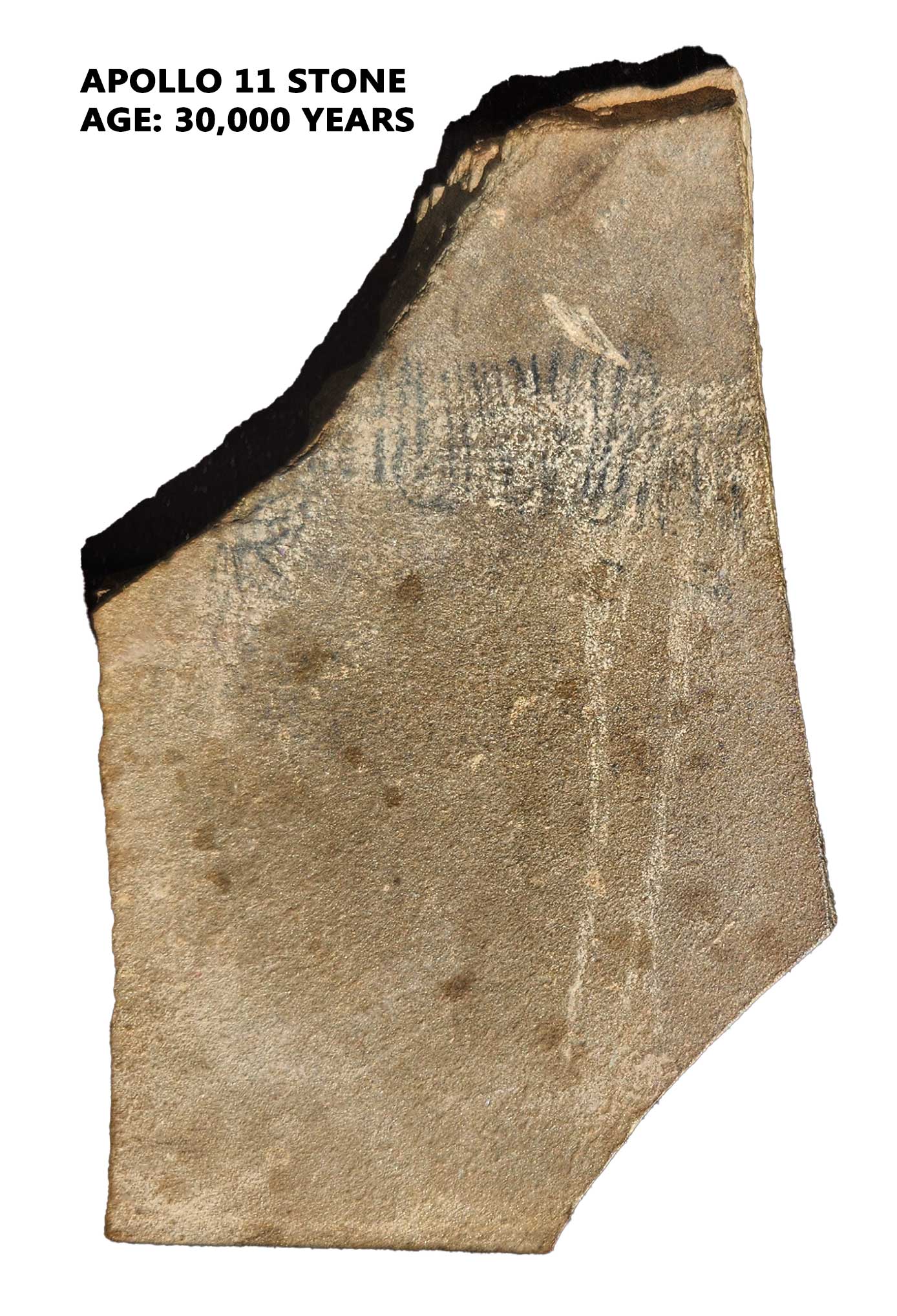
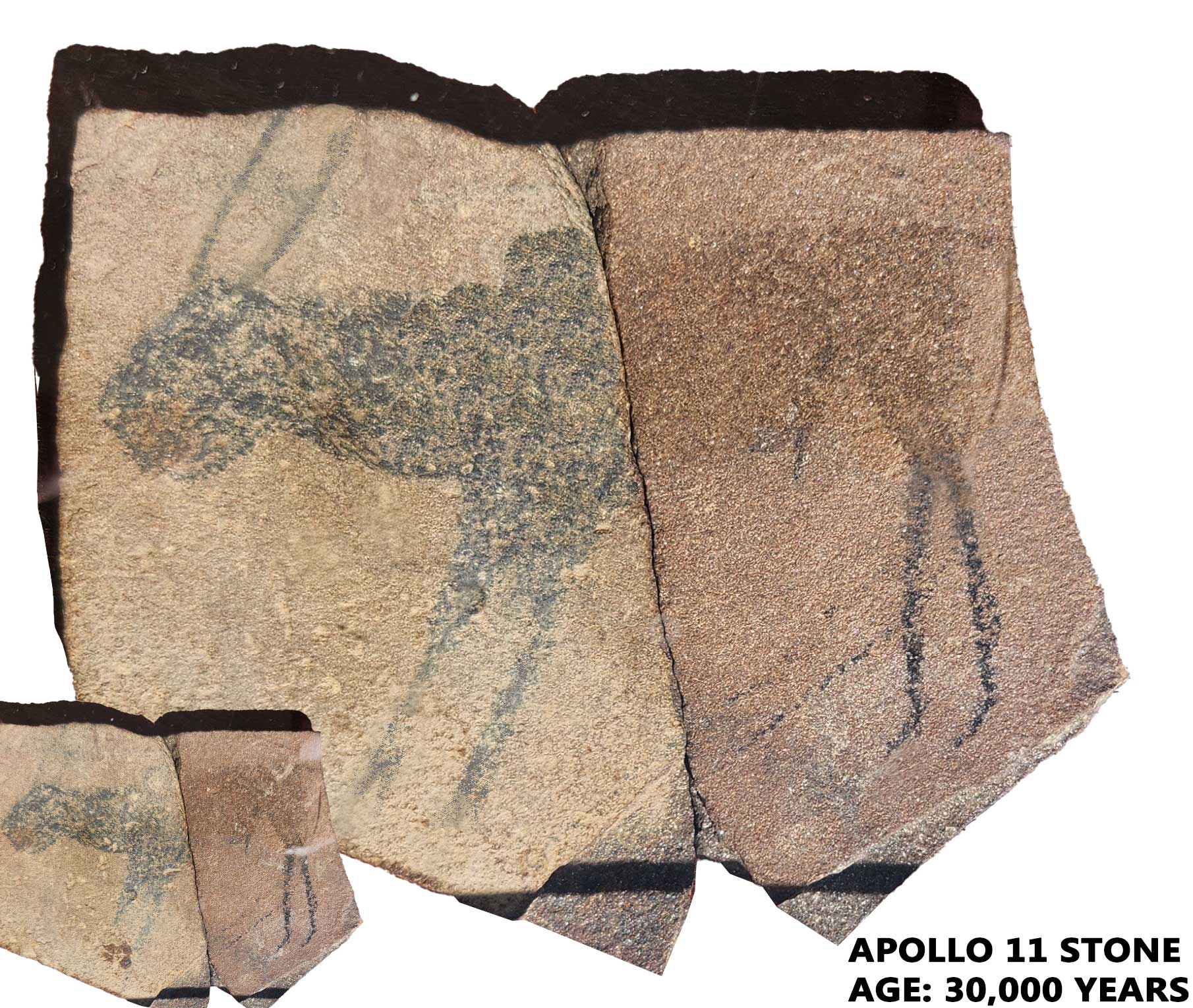
The Apollo 11 Cave, located in the ǀAi-ǀAis/Richtersveld Transfrontier Park of Namibia, is an archaeological site renowned for its ancient rock art. Accumulated over at least 40 millennia, the site's deposits indicate a series of human occupational phases dating from around 71,000 to 29,000 years ago. The cave, more of a rock shelter, is famous for its seven quartzite slabs known as the Apollo 11 Stones, which include some of the oldest mobile and figurative art ever discovered in Africa, carbon-dated to approximately 30,000 years BP. The art features therianthropic depictions, combining human and animal features, alongside simpler geometric paintings and riverbed engravings. Despite its significance, the site was found vandalized in 2007, prompting calls for its preservation.
Gallery
Explore photographs of ancient structures, artifacts, and archaeological excavations
Historical Timeline
Journey through time and discover key events in this site's history
Creation of art slabs
c. 30,000 years BP
Accumulation of deposits
71,000 years ago - 29,000 years ago
Archaeological Features
Unique architectural and cultural elements found at this historical site
Artistic and Decorative Features
Domestic and Habitation Structures
Frequently Asked Questions
Plan Your Visit
Tours, travel arrangements, and practical information


More Sites in Namibia
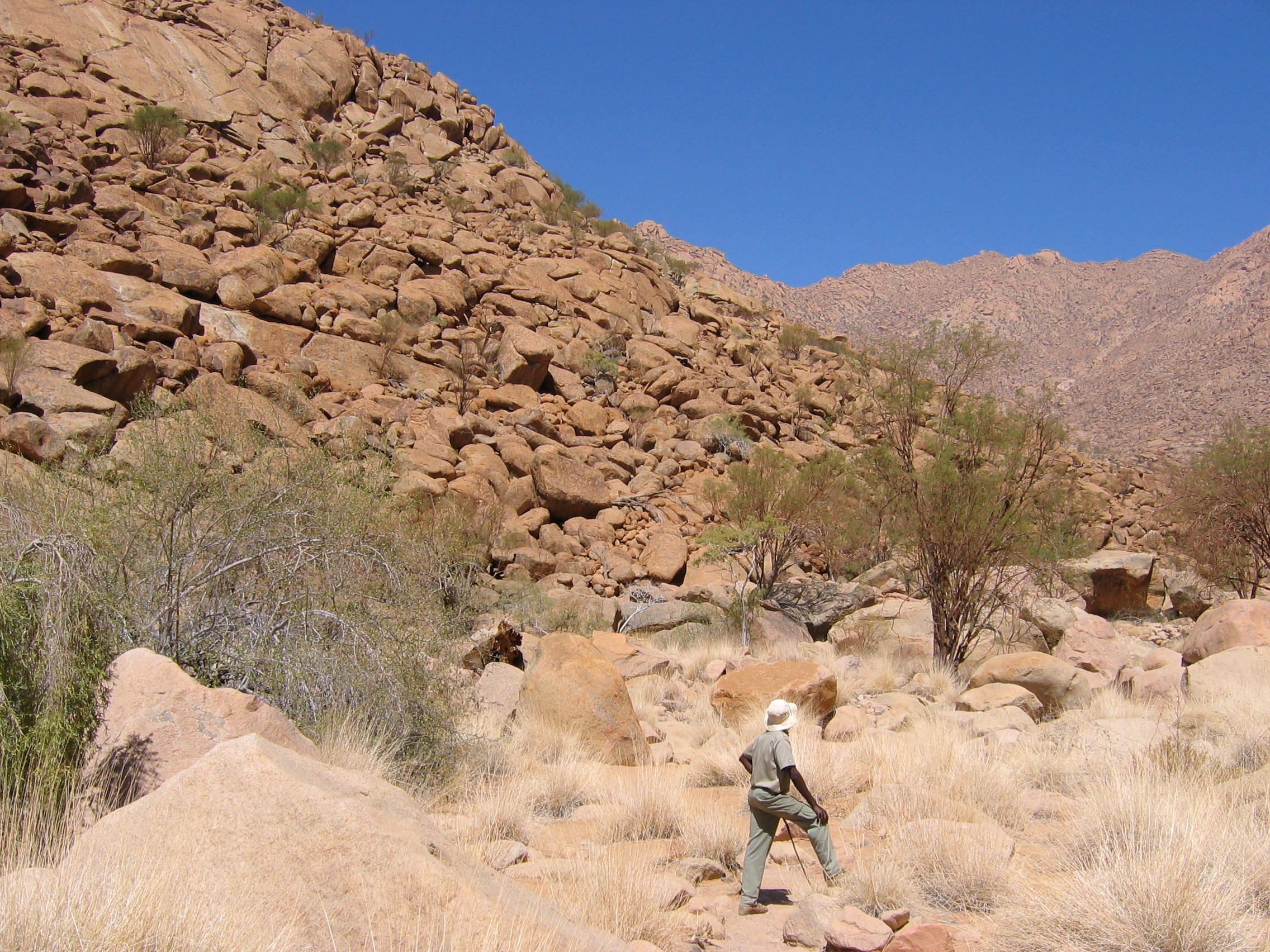
The White Lady (Namibia)
Ancient rock painting site in Namibia.
Bom Jesus (ship)
16th-century Portuguese shipwreck with valuable cargo
Twyfelfontein or /Ui-//aes
<p>Twyfelfontein or /Ui-//aes has one of the largest concentrations of [...] petroglyphs, i.e. rock engravings in Africa. Most of these well-preserved…
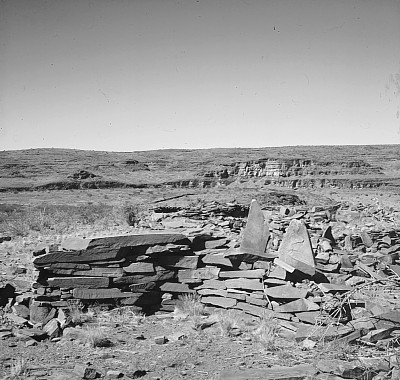
ǁKhauxaǃnas
Orlam Afrikaner fortified village, late 18th century