Explore the Map
ǁKhauxaǃnas
-27.2340° N, 19.3309° E
About
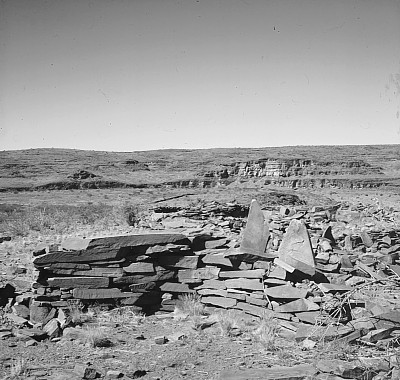
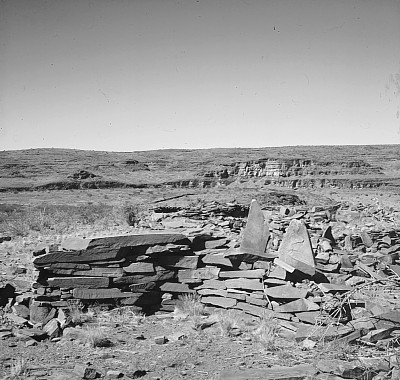
ǁKhauxaǃnas (Khoekhoegowab: passively defend people from an enemy, Afrikaans / Dutch name Schans Vlakte: fortified valley) is an uninhabited village with a ruined fortress in south-eastern Namibia, east of the Great Karas Mountains. It is the oldest systematically designed and built structure in Namibia, pre-dating all buildings erected by Europeans. Built at the end of the 18th century, most likely between 1796 and 1798 by Klaas Afrikaner and his two sons Jager and Titus, ǁKhauxaǃnas served as a hidden retreat and a fortress to fend off possible pursuits by Cape authorities. The Orlam Afrikaner tribe left the place in the 1820s but it continued to be inhabited by the Veldschoendragers (ǁHawoben) tribe until the mid-19th century.
Gallery
Explore photographs of ancient structures, artifacts, and archaeological excavations
Historical Timeline
Journey through time and discover key events in this site's history
Death of Lieutenant von Stempel
30 August 1904
Orlam departure from Cape
1770s
Pieter Pienaar shooting
March 1796
Construction of ǁKhauxaǃnas
c. 1796–1798
Orlam Afrikaners leave site
1820s
Drought and Veldschoendragers move
late 1840s
Rhenish Missionary presence noted
1867
Herero and Namaqua uprising refuge
1904–1907
Rediscovery by Klaus Dierks
1986
National Monument proclamation
1992
Stamps issued featuring the ruins
1997
Archaeological Features
Unique architectural and cultural elements found at this historical site
Defensive Structures
Animal Husbandry Features
Religious and Ritual Structures
Domestic and Habitation Structures
Frequently Asked Questions
Plan Your Visit
Tours, travel arrangements, and practical information
More Sites in Namibia
Bom Jesus (ship)
16th-century Portuguese shipwreck with valuable cargo
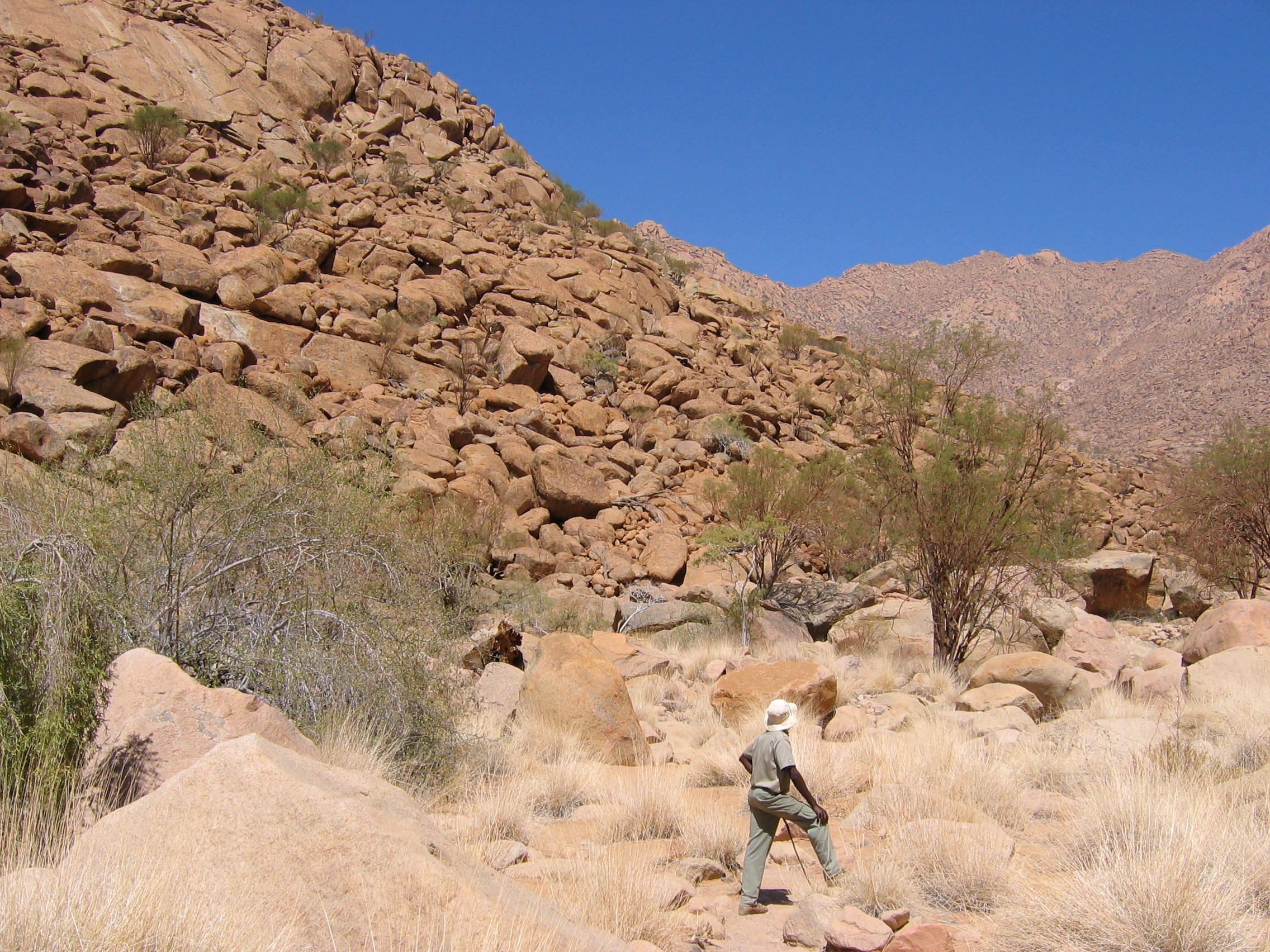
The White Lady (Namibia)
Ancient rock painting site in Namibia.
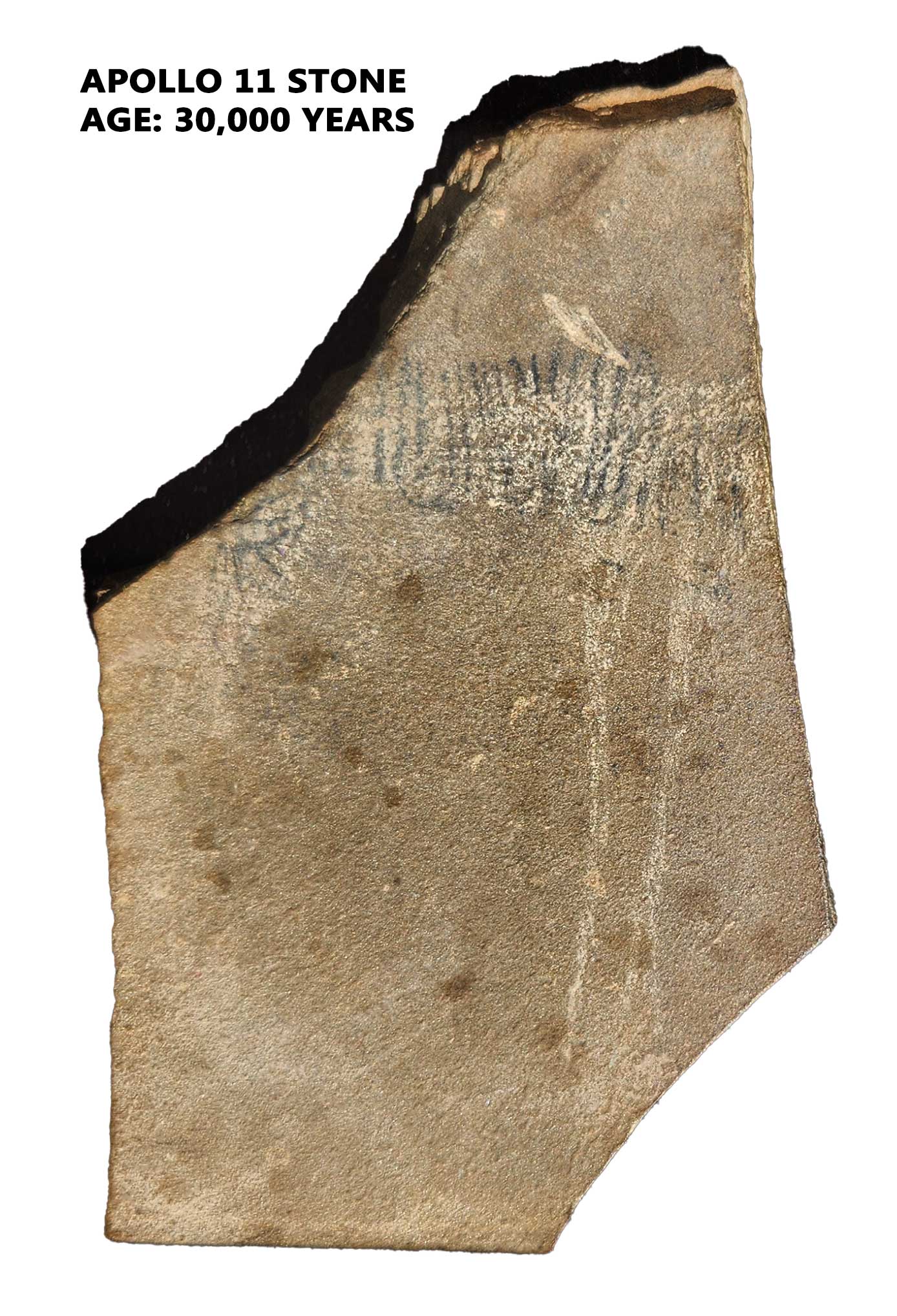
Apollo 11 Cave
Rock shelter with ancient art slabs
Twyfelfontein or /Ui-//aes
<p>Twyfelfontein or /Ui-//aes has one of the largest concentrations of [...] petroglyphs, i.e. rock engravings in Africa. Most of these well-preserved…