Explore the Map
Bom Jesus (ship)
-28.5994° N, 16.3975° E
About
The Bom Jesus shipwreck, discovered in 2008 near the Namibian coast, is a significant archaeological site dating back to the early Modern Period. The vessel, a Portuguese nau, was part of the extensive maritime trade routes linking Europe with Asia and Africa during the 16th century. Its cargo included valuable items such as copper ingots, elephant ivory, and a diverse collection of coins, which suggest the ship was bound for trade in India. The shipwreck is notably well-preserved, with much of its cargo intact, providing a rare glimpse into the maritime commerce and cross-cultural exchanges of the time. The site highlights the Portuguese Empire's global reach and the interconnectedness of Renaissance trade networks.
Historical Timeline
Journey through time and discover key events in this site's history
Construction of the Bom Jesus
early 1500s CE
Shipwreck
1533 CE
Bom Jesus Sets Sail
1533 CE
Archaeological Features
Unique architectural and cultural elements found at this historical site
Storage Structures
Burial and Funerary Structures
Transportation and Communication Structures
Frequently Asked Questions
Plan Your Visit
Tours, travel arrangements, and practical information
More Sites in Namibia
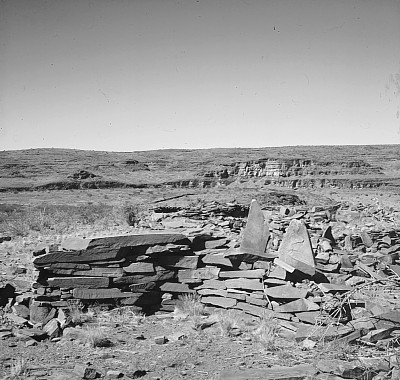
ǁKhauxaǃnas
Orlam Afrikaner fortified village, late 18th century
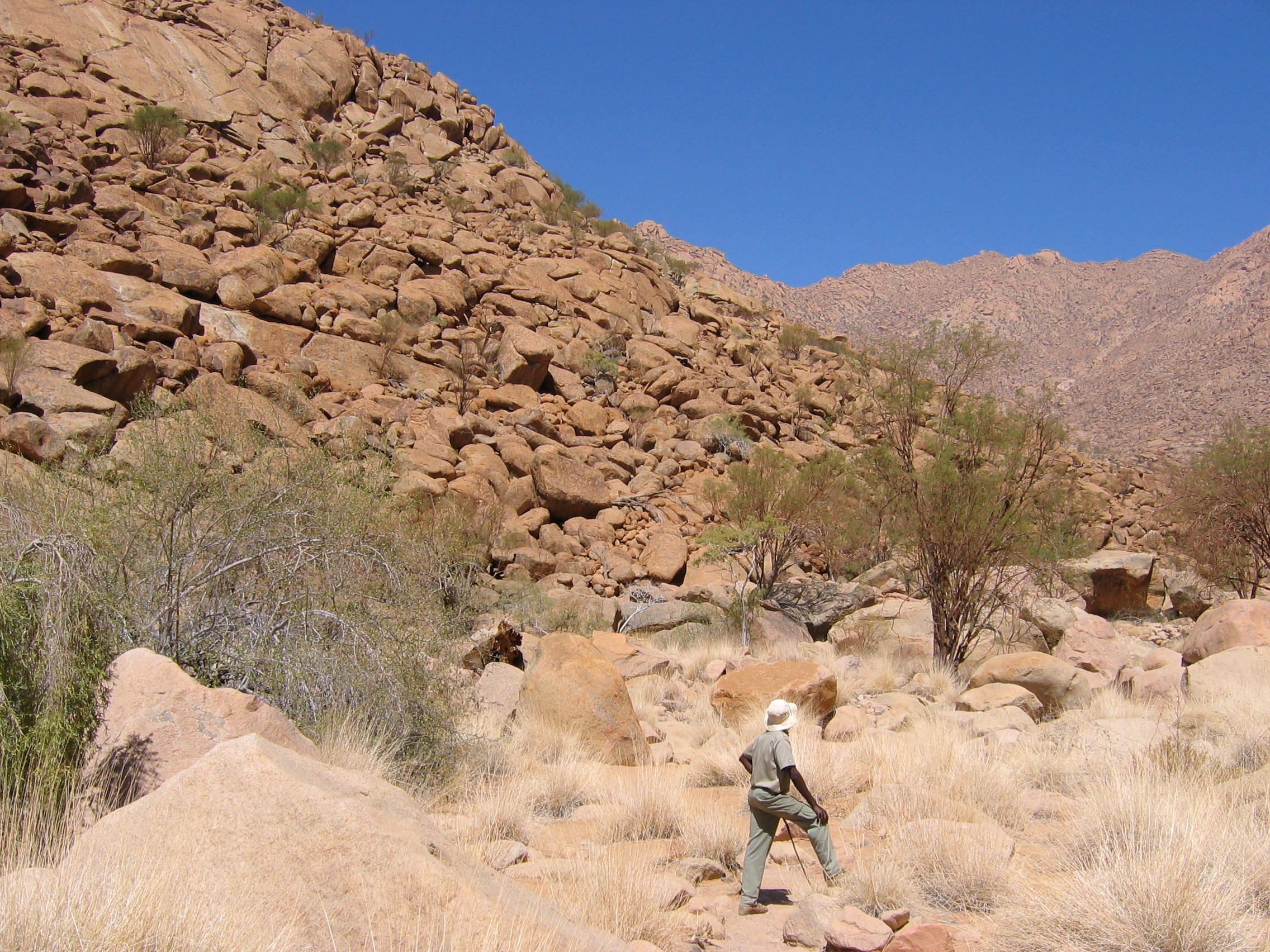
The White Lady (Namibia)
Ancient rock painting site in Namibia.
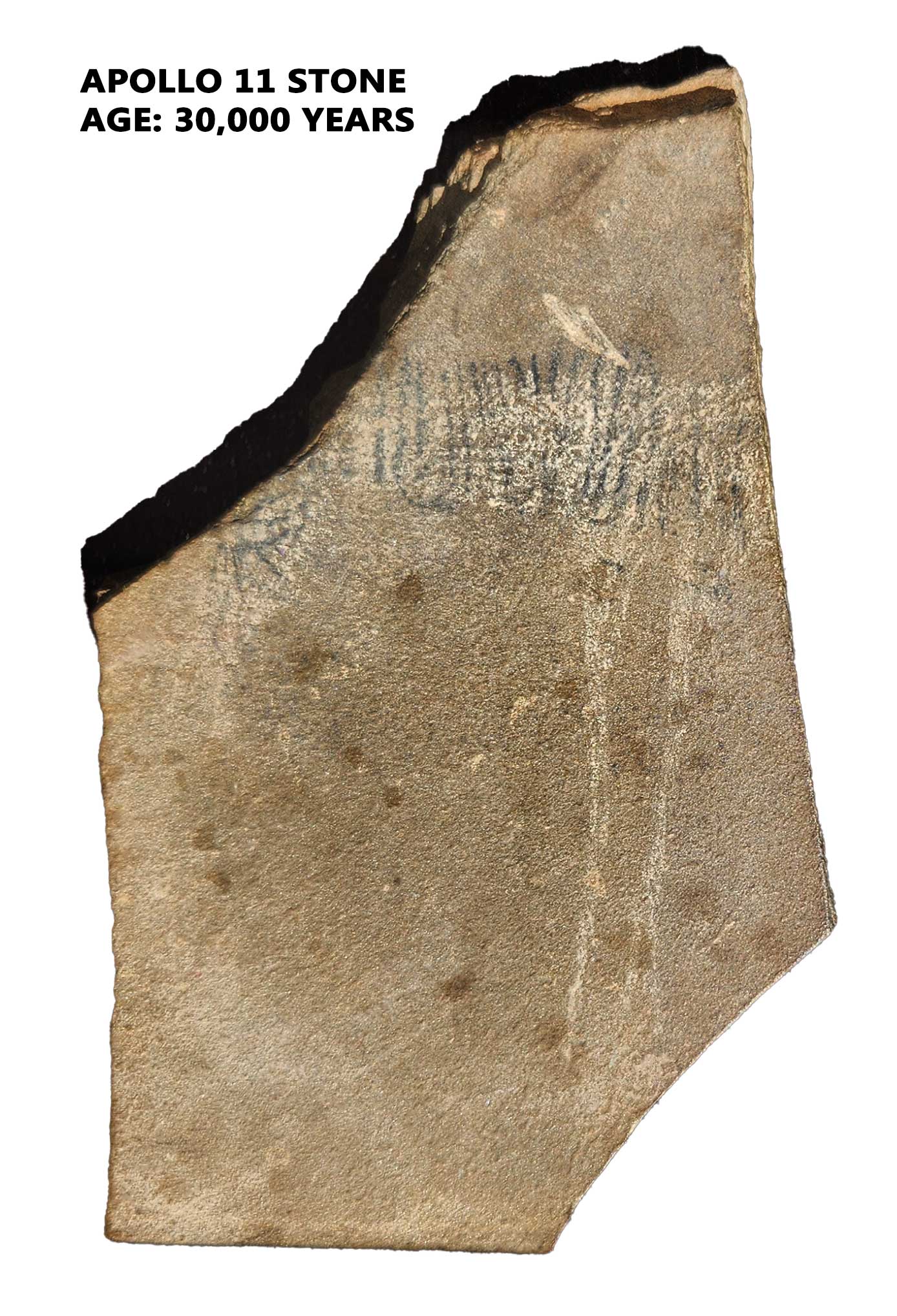
Apollo 11 Cave
Rock shelter with ancient art slabs
Twyfelfontein or /Ui-//aes
<p>Twyfelfontein or /Ui-//aes has one of the largest concentrations of [...] petroglyphs, i.e. rock engravings in Africa. Most of these well-preserved…