Explore the Map
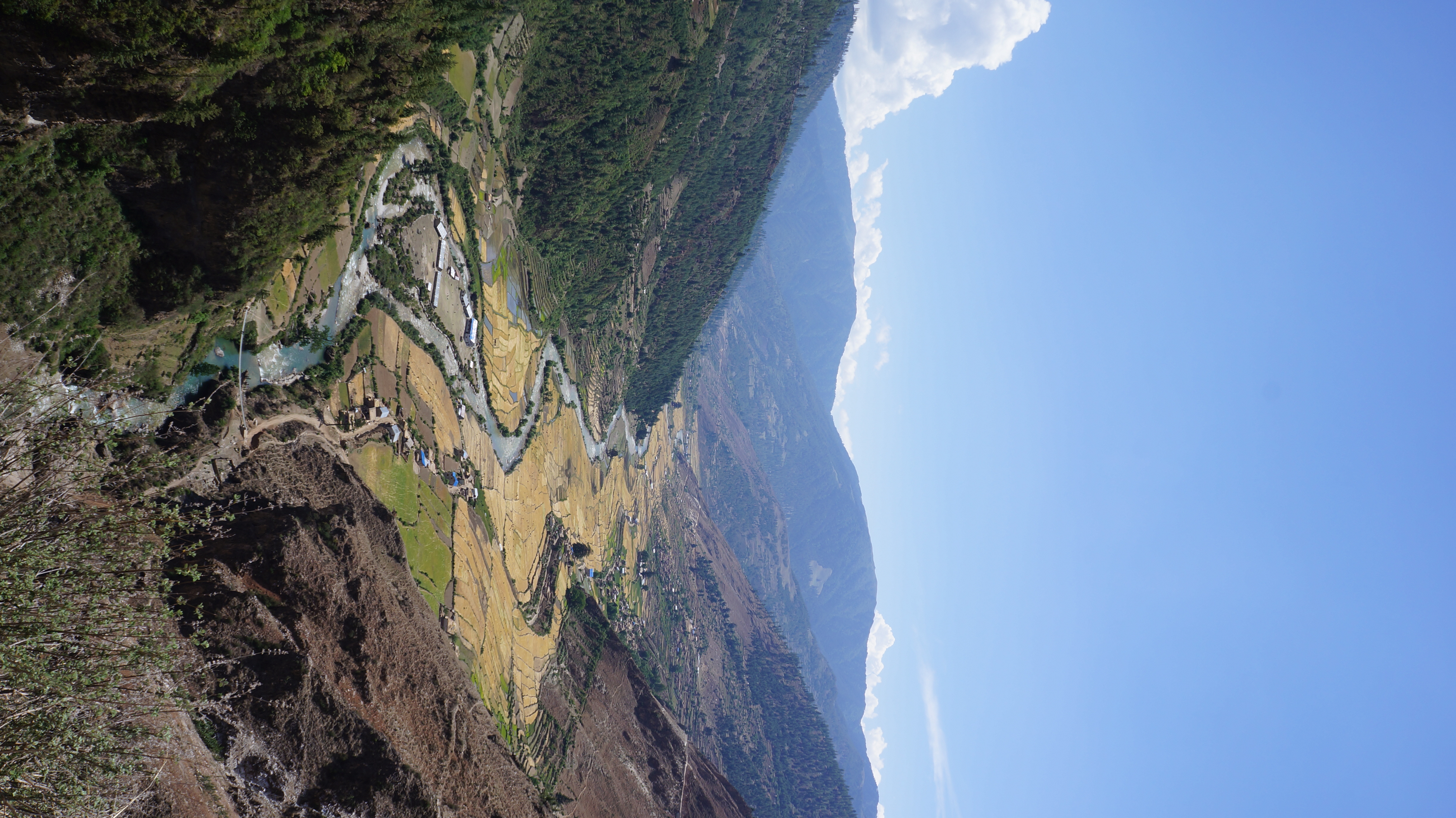
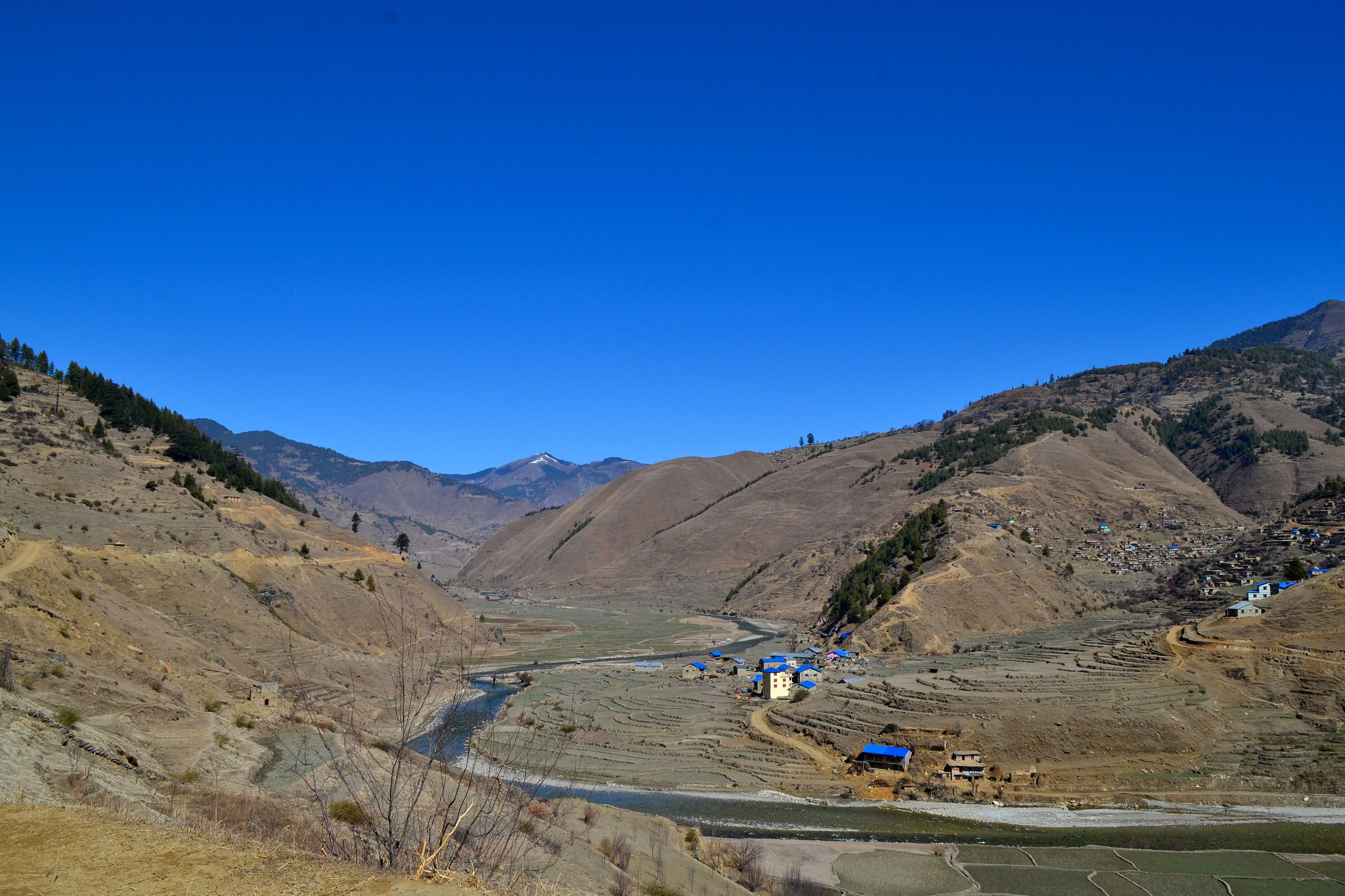
Sinja Valley
29.3244° N, 81.9825° E
About
The Sinja Valley, located in the Jumla District of Karnali Province, Nepal, is an archaeologically significant site recognized as the ancient capital of the Khasa Kingdom, which flourished from the 12th to the 14th century CE. Excavations have revealed substantial remains of the former city, including palaces and temples. A noteworthy find is the advanced network of underground pipes, indicative of a sophisticated water management system. The site is also pivotal in linguistic history, with some of the earliest inscriptions of the Nepali language found on the cliffs surrounding the valley. These inscriptions date back to the 13th century CE and are written in the Devanagari script. Despite the fragmentation of the Khasa Kingdom in the 14th century, the valley continued to be a culturally and historically relevant area in Nepal.
Gallery
Explore photographs of ancient structures, artifacts, and archaeological excavations
Historical Timeline
Journey through time and discover key events in this site's history
Khasa Kingdom Capital
1100 CE
Khasa Kingdom Fragmentation
1300 CE
Archaeological Features
Unique architectural and cultural elements found at this historical site
Water Management Features
Religious and Ritual Structures
Artistic and Decorative Features
Domestic and Habitation Structures
Frequently Asked Questions
Plan Your Visit
Tours, travel arrangements, and practical information
More Sites in Nepal
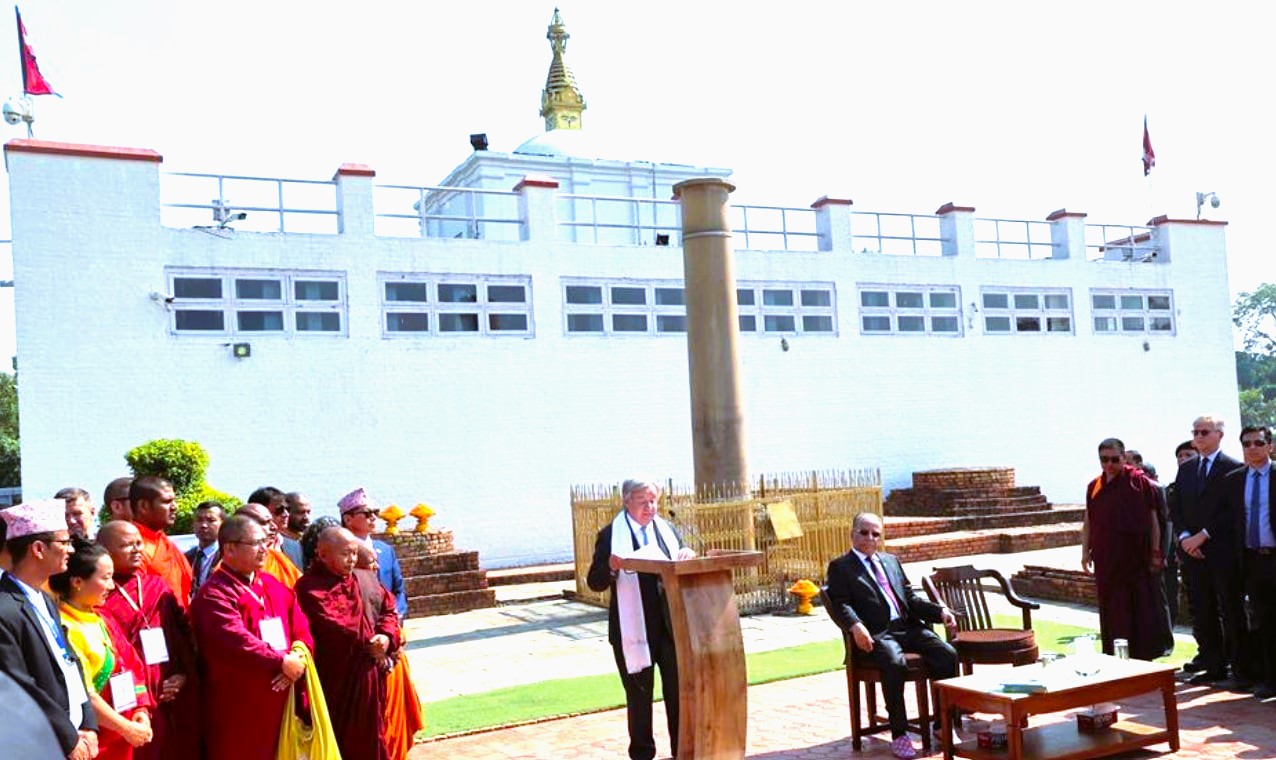
Lumbini
Ancient Buddhist pilgrimage site in Nepal
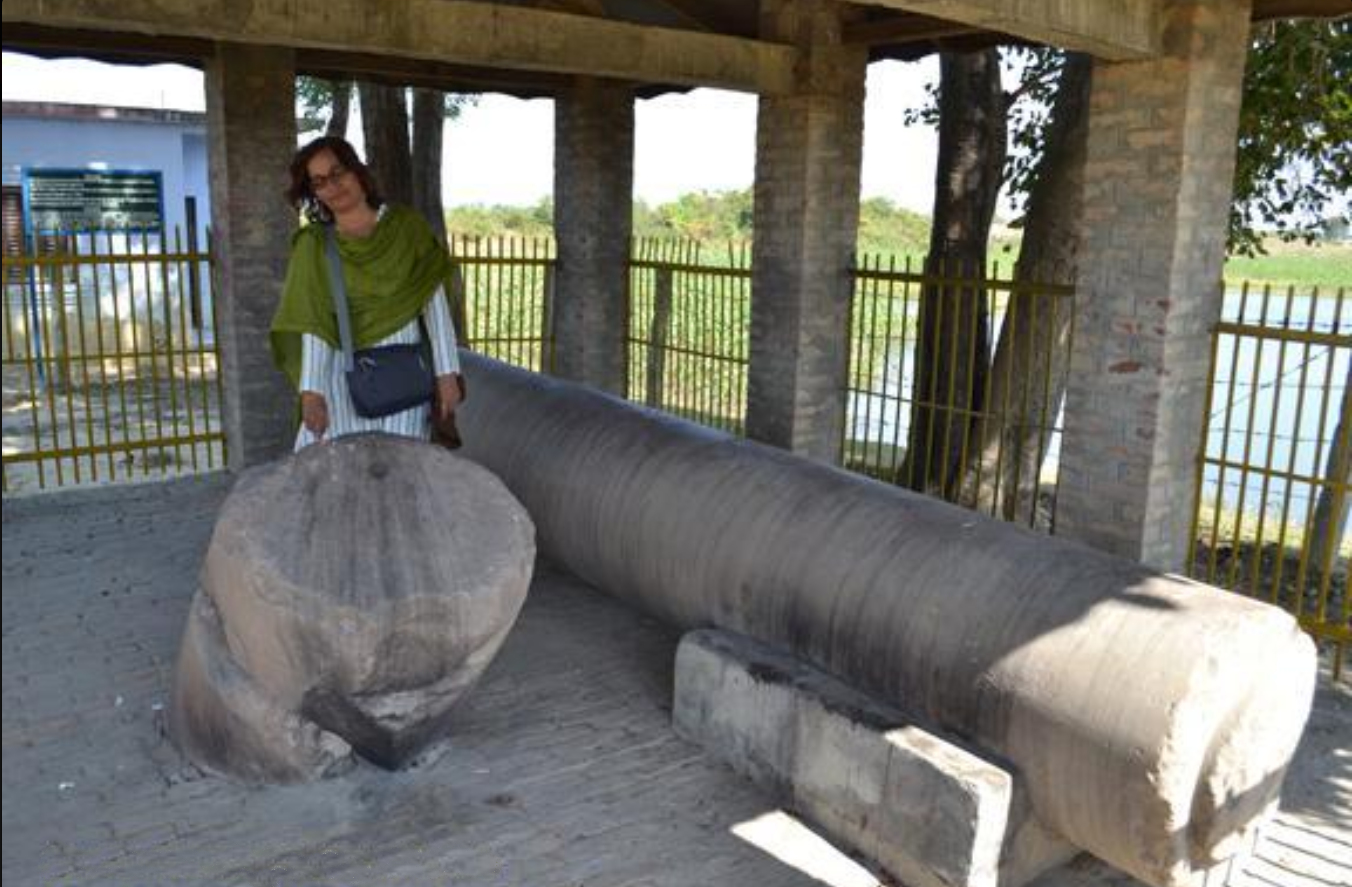
Nigali Sagar
Ashokan pillar with ancient inscriptions
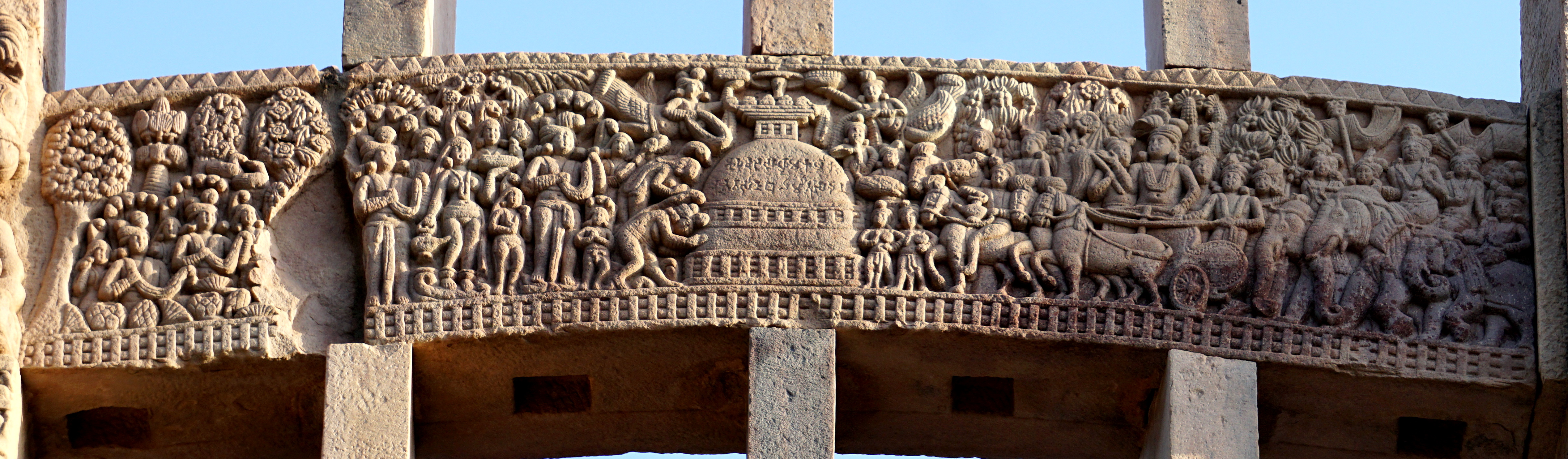
Ramagrama stupa
Intact Buddhist stupa with Buddha relics
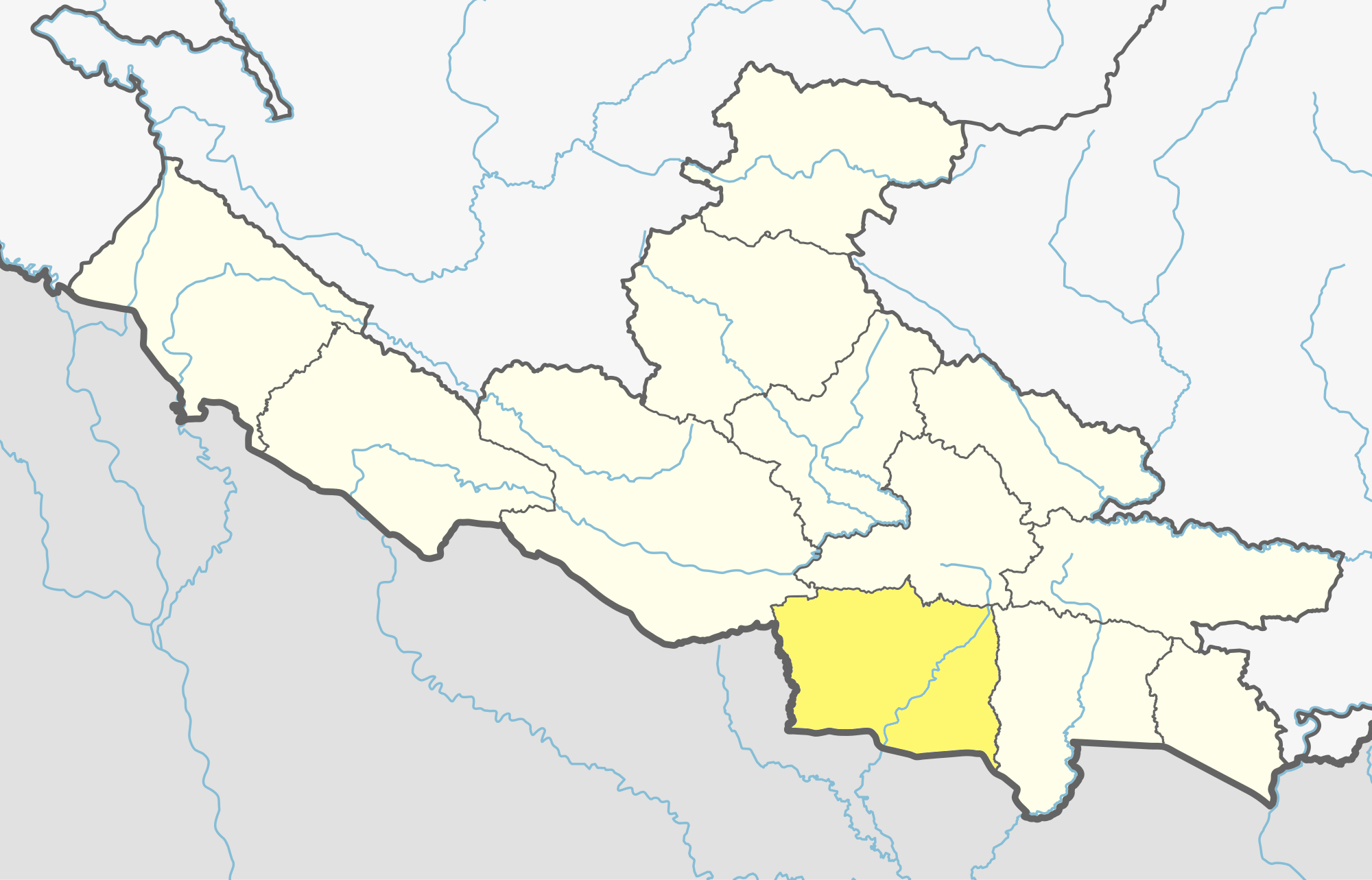
Tilaurakot
Fortified ancient city with monumental gateways
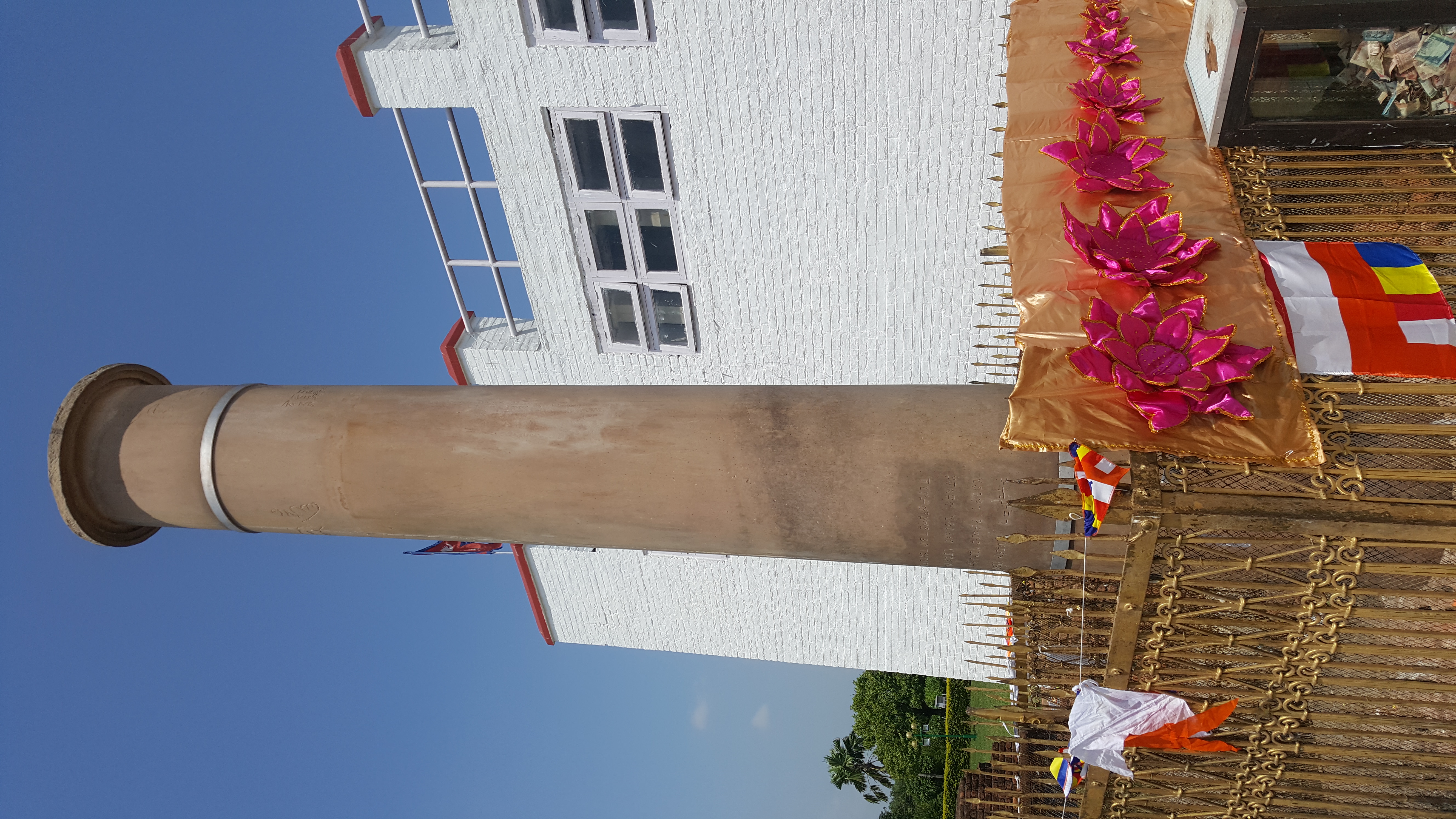
Lumbini pillar inscription
Ashokan pillar with Brahmi inscription
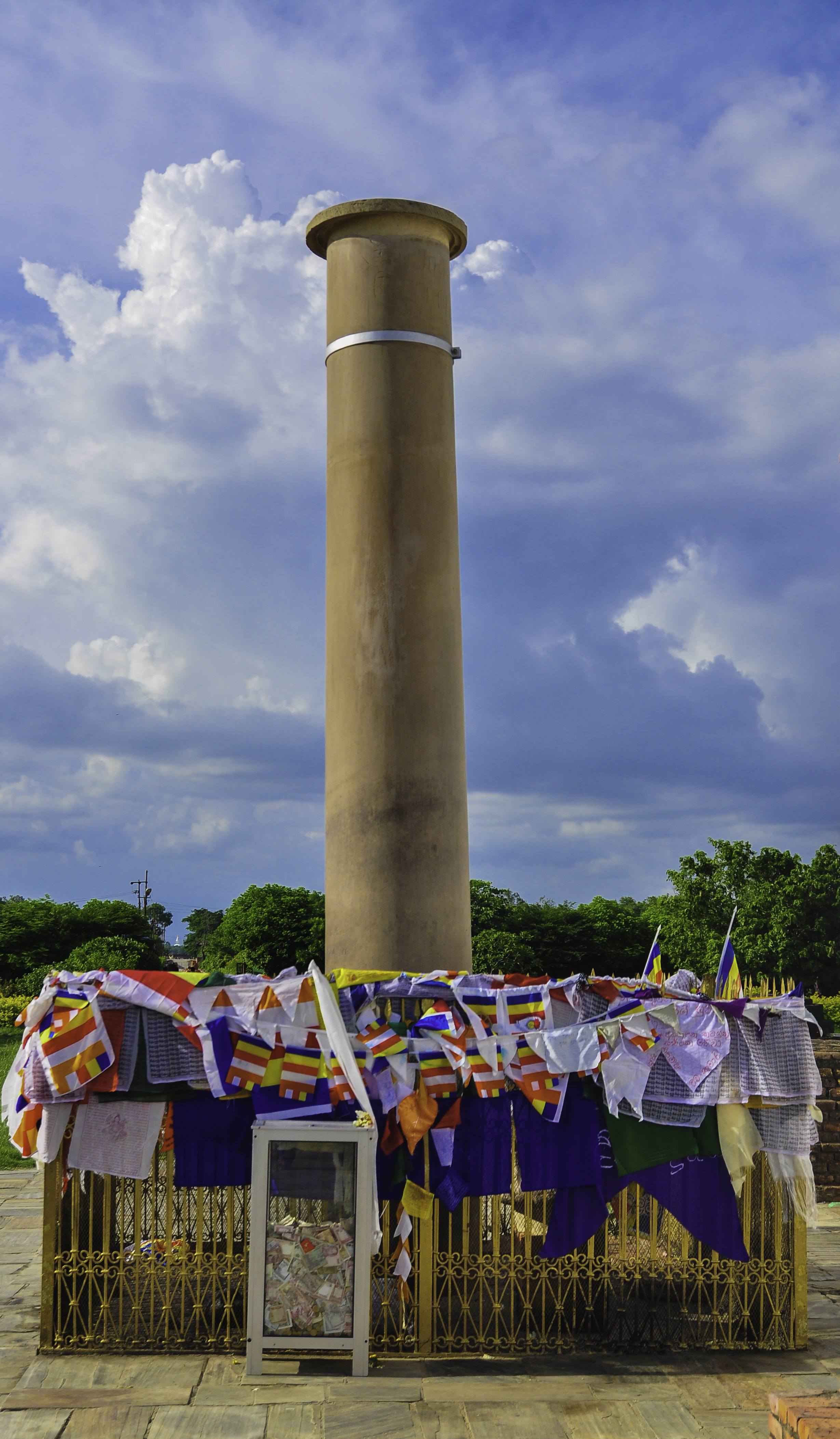
Maya Devi Temple, Lumbini
Ancient temple at Buddha's birthplace, Lumbini.