
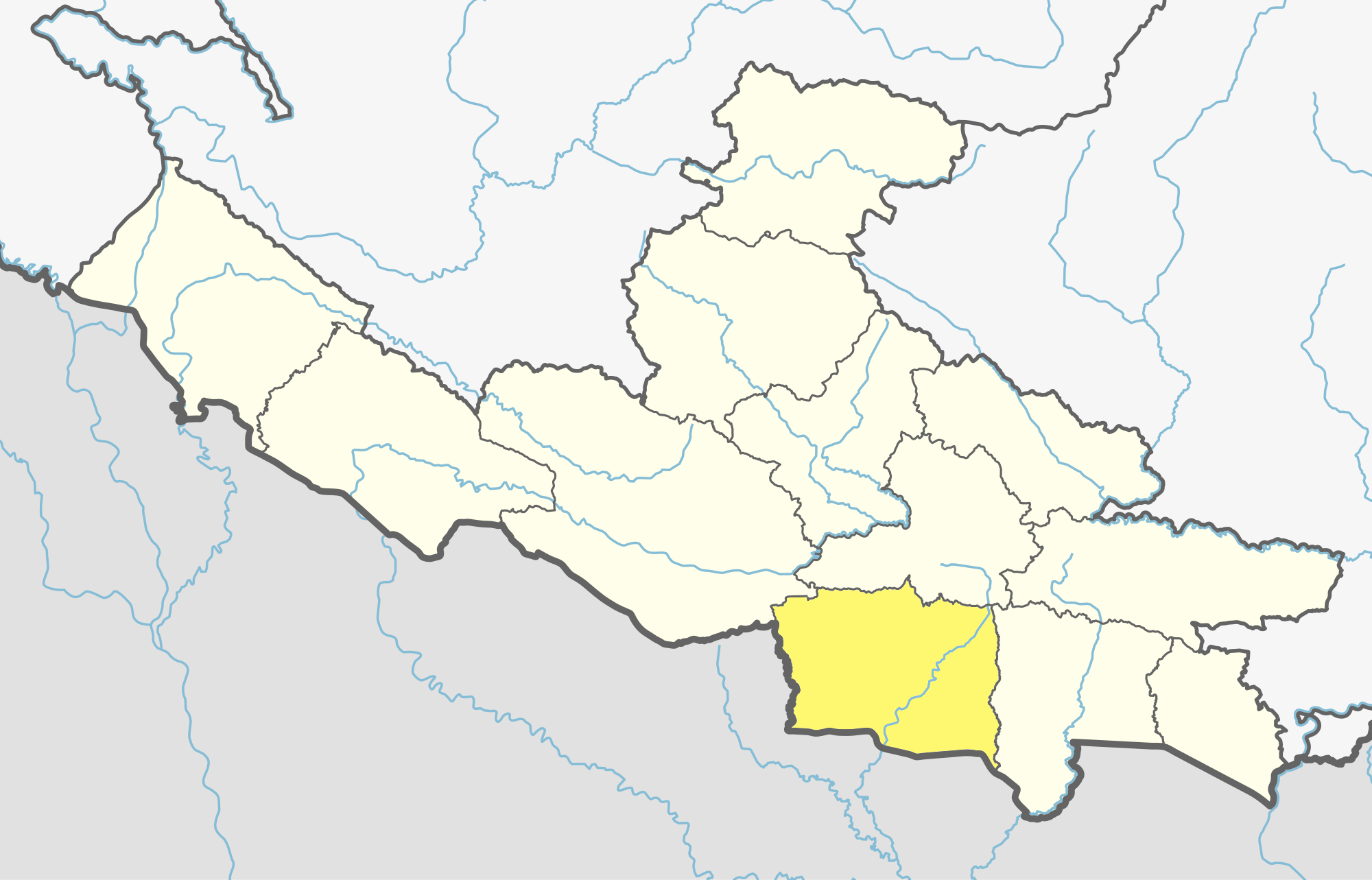
Explore the Map
Tilaurakot
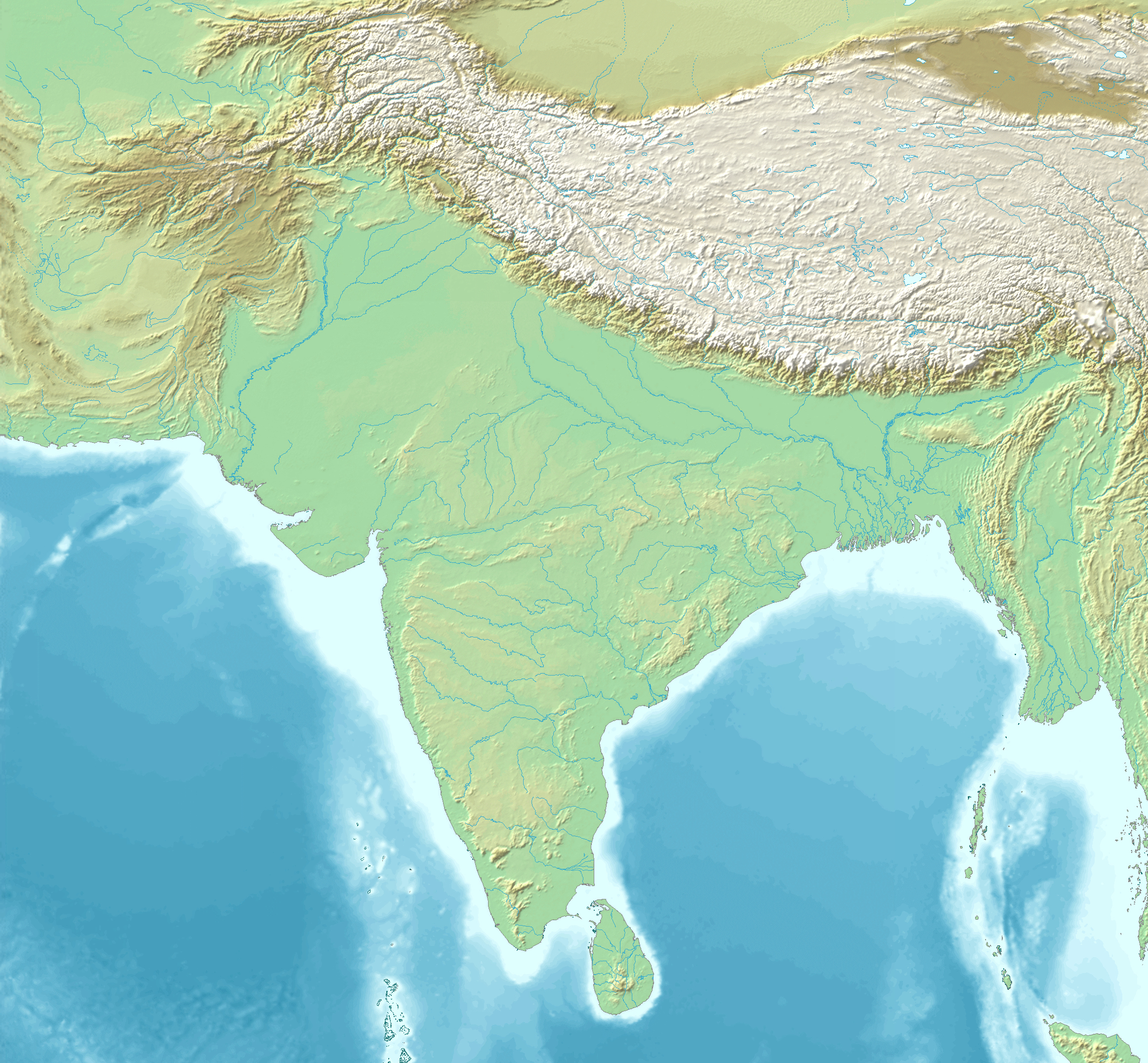
27.5800° N, 83.0800° E
About
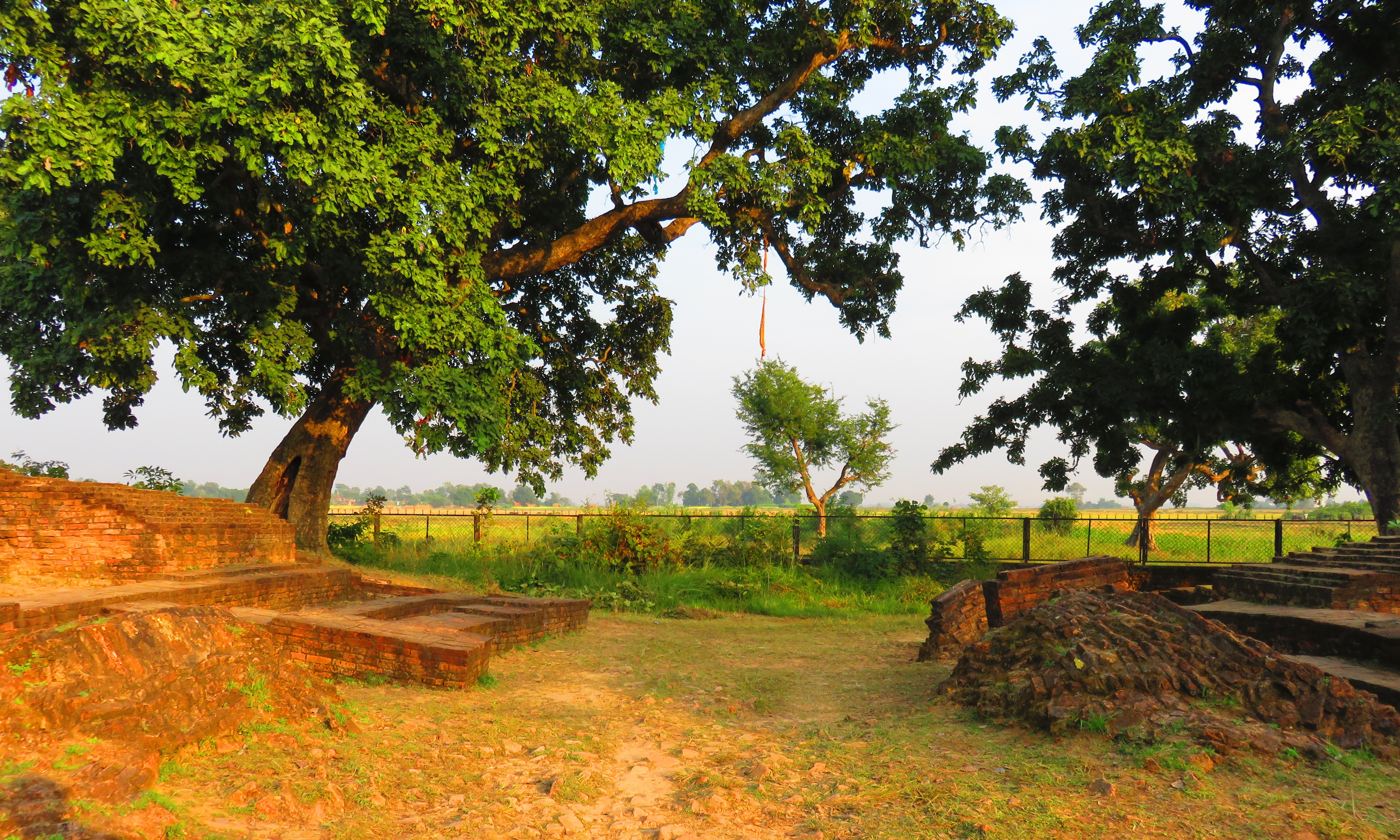
Tilaurakot, an archaeological site in southern Nepal, is believed to be the ancient city of Kapilavastu, a significant early historic city in South Asia. The site features a well-planned fortified city with a grid layout, encompassing a citadel with monumental gateways and an inner complex that may have served as the civic center. The presence of stupas, roads, and an iron workshop indicates a rich cultural and industrial history. The site dates back to the Early Iron Age, with urban occupation starting around 570 BCE. Tilaurakot's significance lies in its association with Gautama Buddha's early life and its status as a potential capital of the Shakya kingdom, contributing to our understanding of ancient urbanization and religious practices in the region.
Gallery
Explore photographs of ancient structures, artifacts, and archaeological excavations
Historical Timeline
Journey through time and discover key events in this site's history
Early Settlement Flooding
620 BCE
First Urban Occupation
570 BCE
Construction of Earthen Wall
450 BCE
Workshop Activity
400 BCE
Archaeological Features
Unique architectural and cultural elements found at this historical site
Defensive Structures
Industrial and Craft Structures
Religious and Ritual Structures
Domestic and Habitation Structures
Environmental and Natural Features
Transportation and Communication Structures
Frequently Asked Questions
Plan Your Visit
Tours, travel arrangements, and practical information
More Sites in Nepal
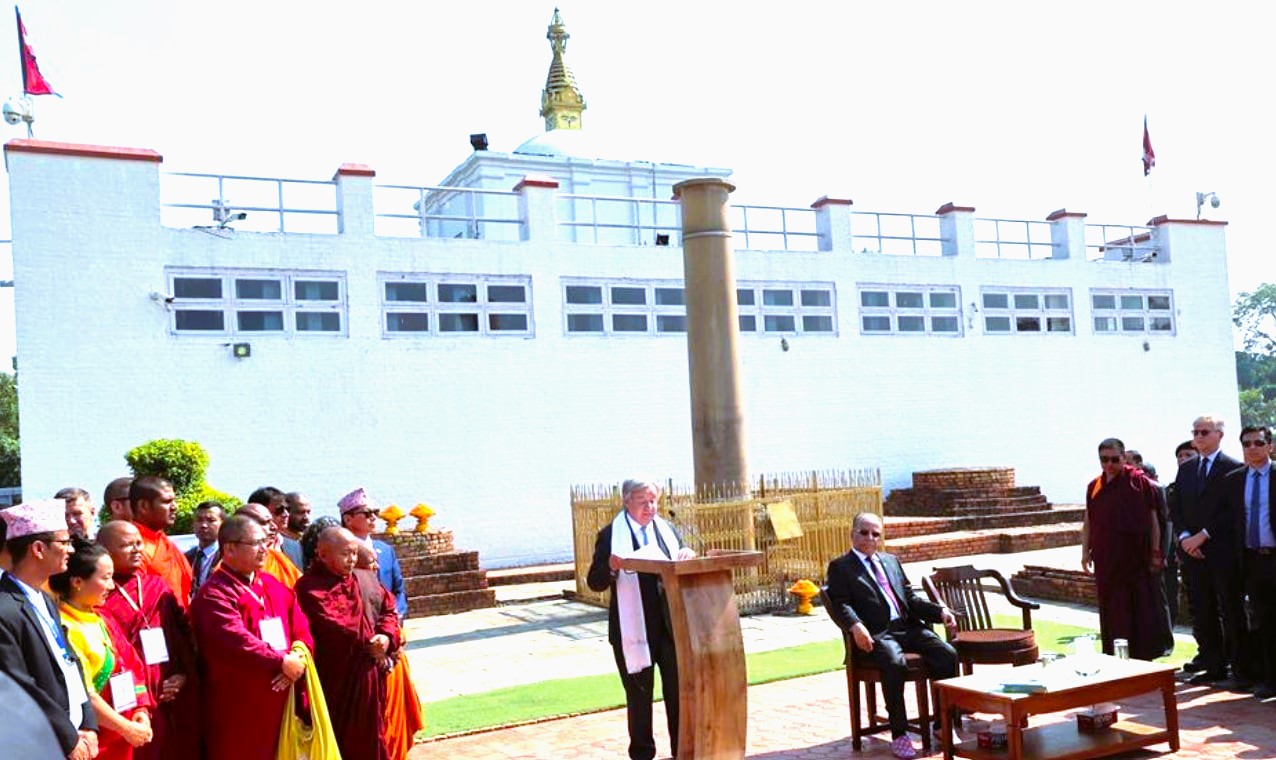
Lumbini
Ancient Buddhist pilgrimage site in Nepal
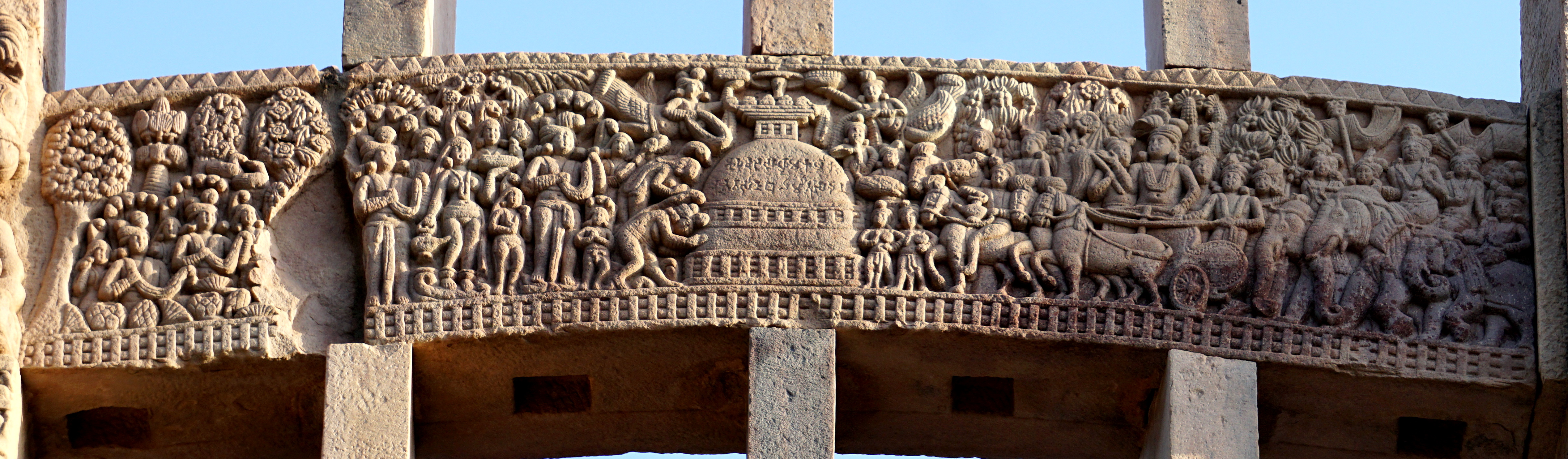
Ramagrama stupa
Intact Buddhist stupa with Buddha relics
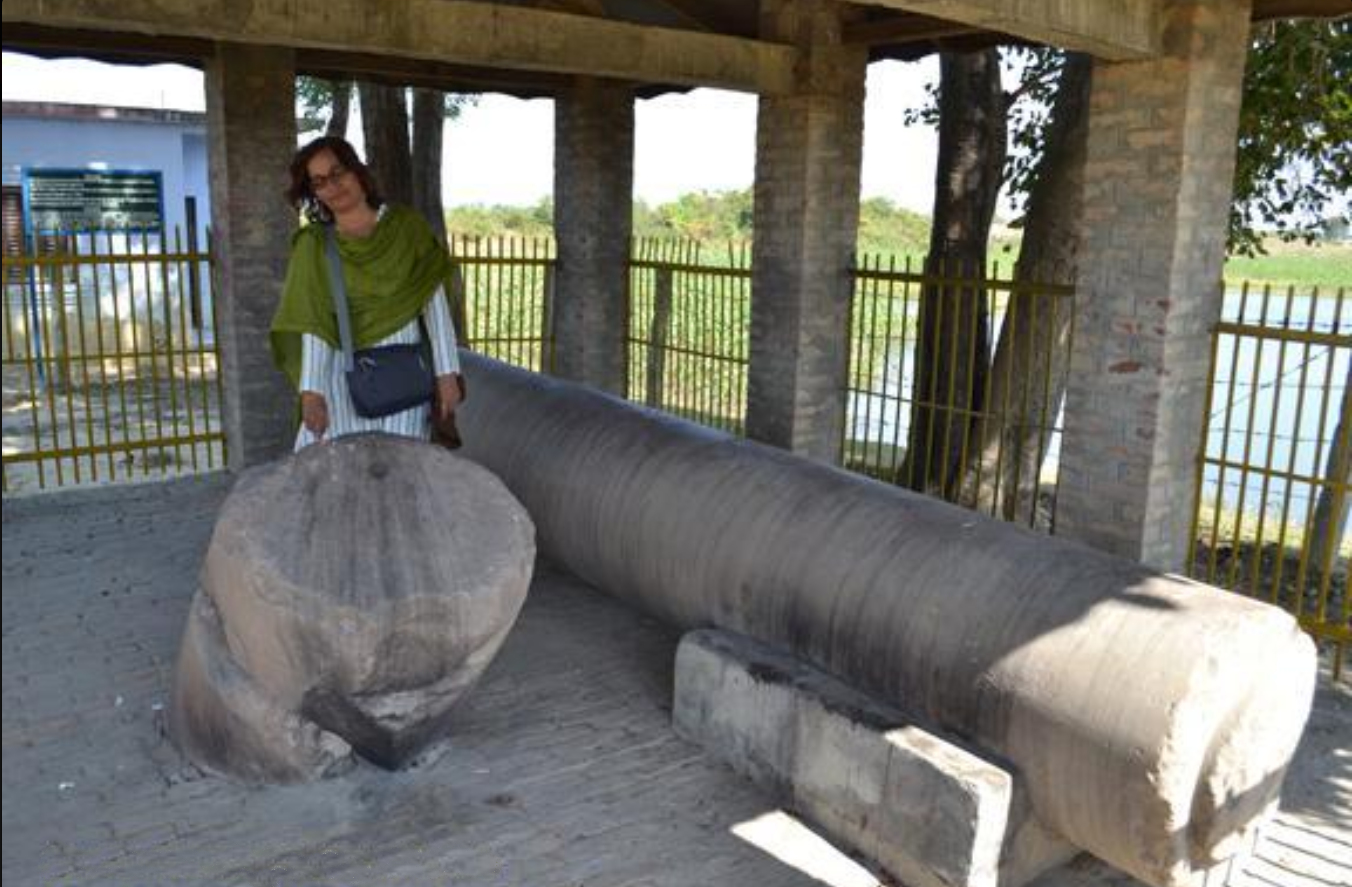
Nigali Sagar
Ashokan pillar with ancient inscriptions
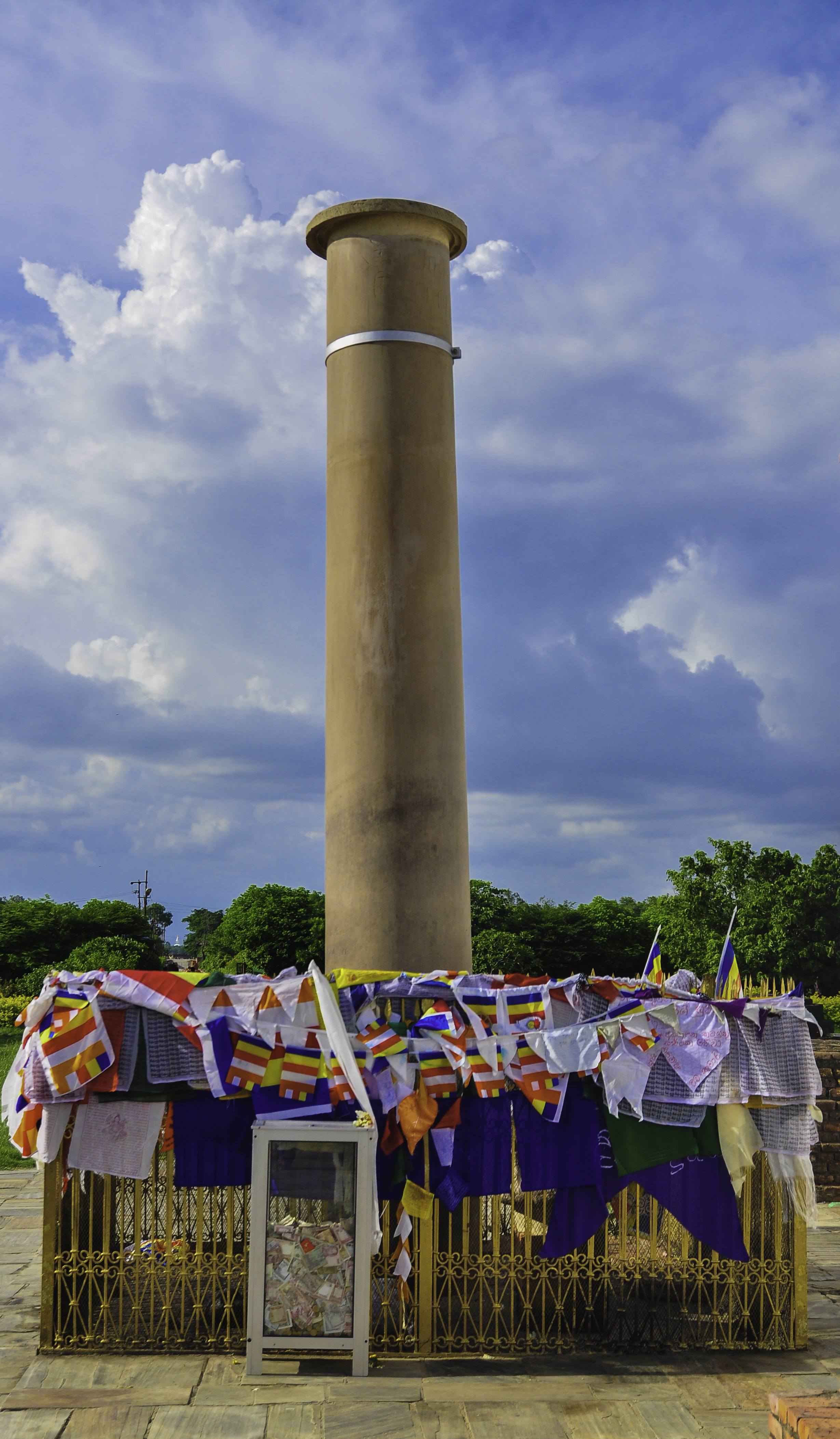
Maya Devi Temple, Lumbini
Ancient temple at Buddha's birthplace, Lumbini.
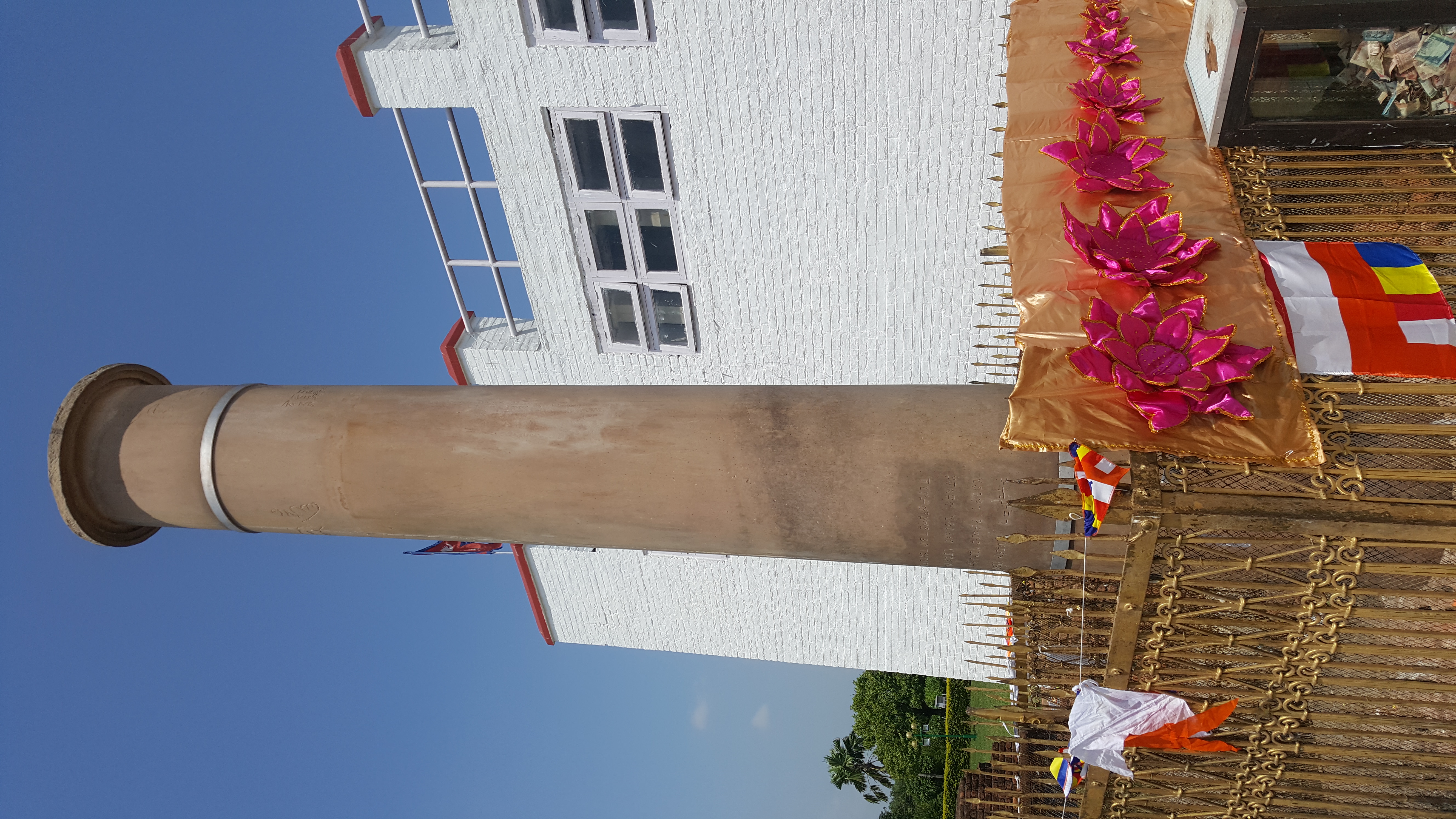
Lumbini pillar inscription
Ashokan pillar with Brahmi inscription
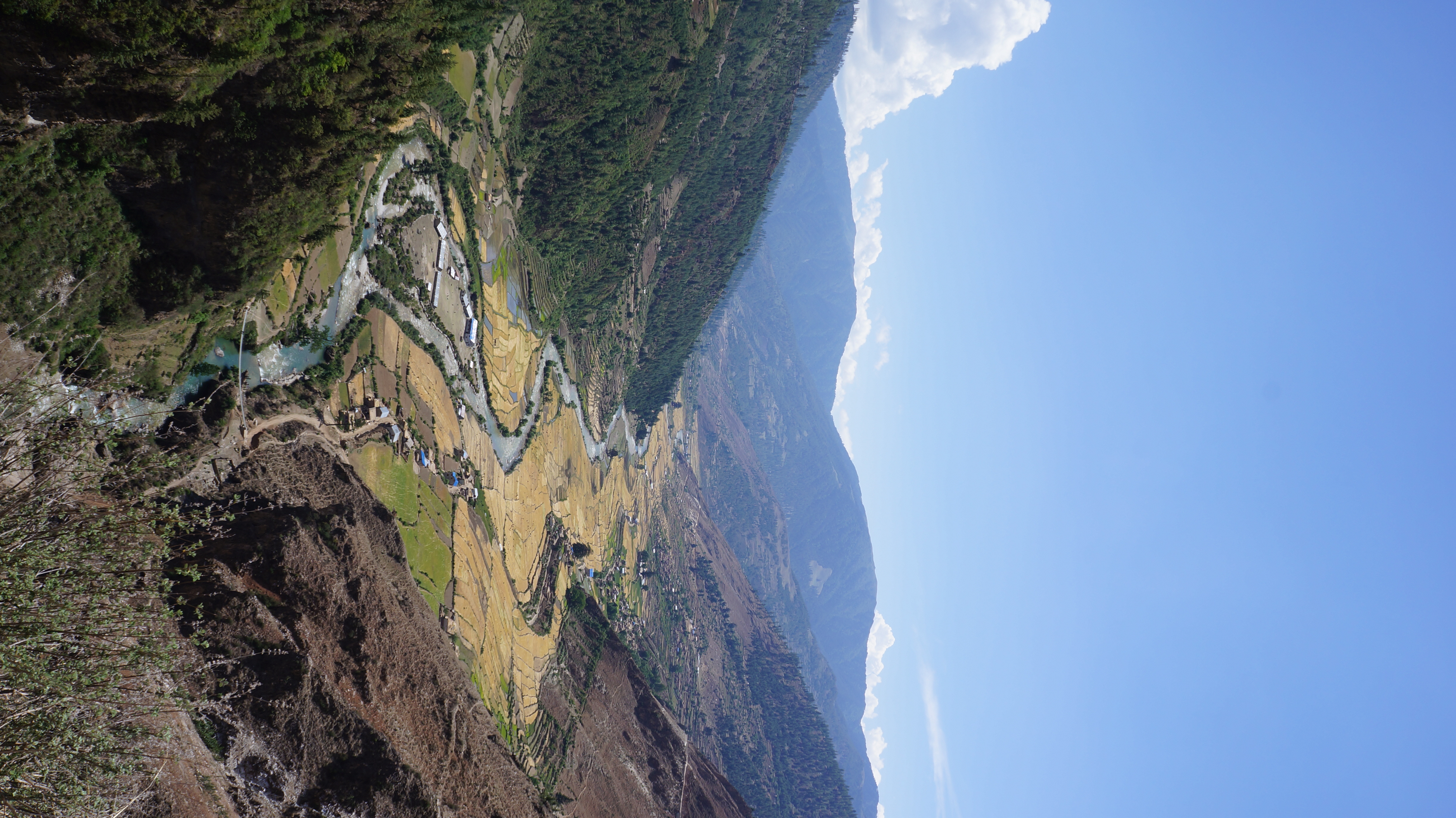
Sinja Valley
Ancient Khasa capital with significant water system