
Explore the Map
Lumbini
27.4814° N, 83.2758° E
About
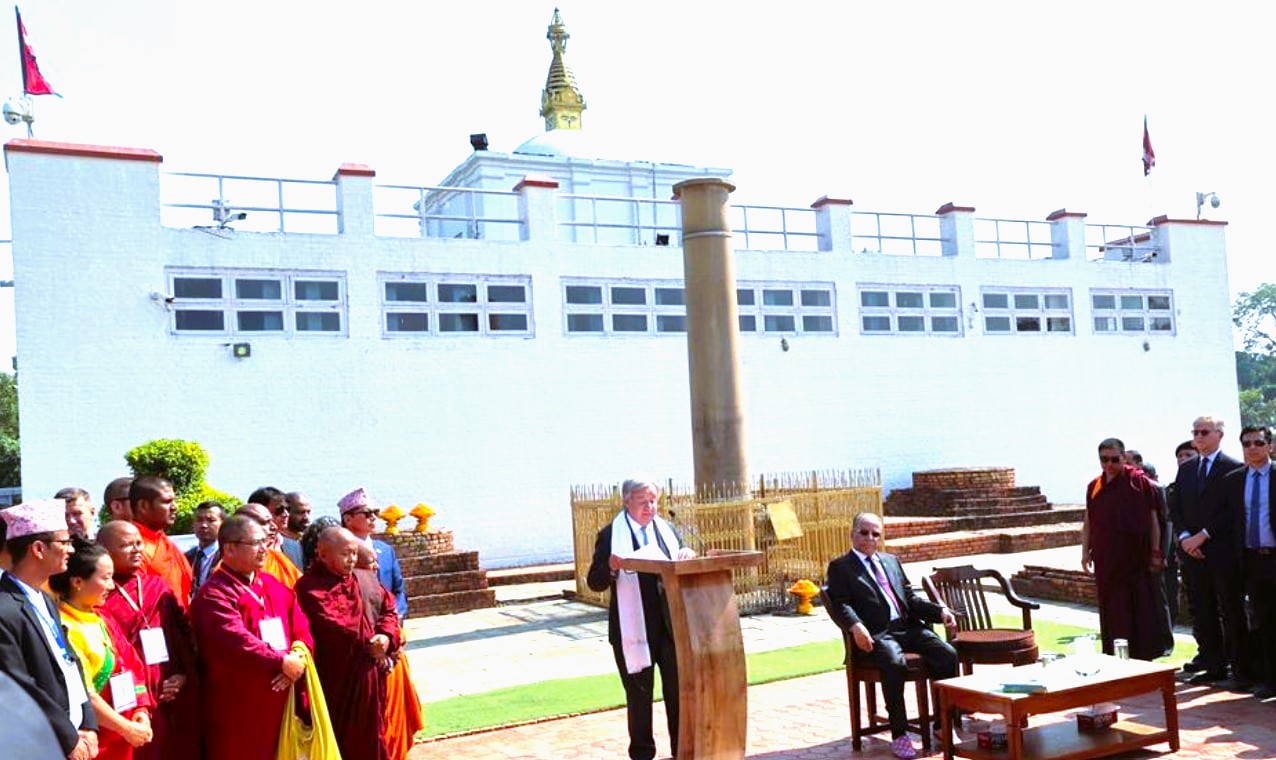
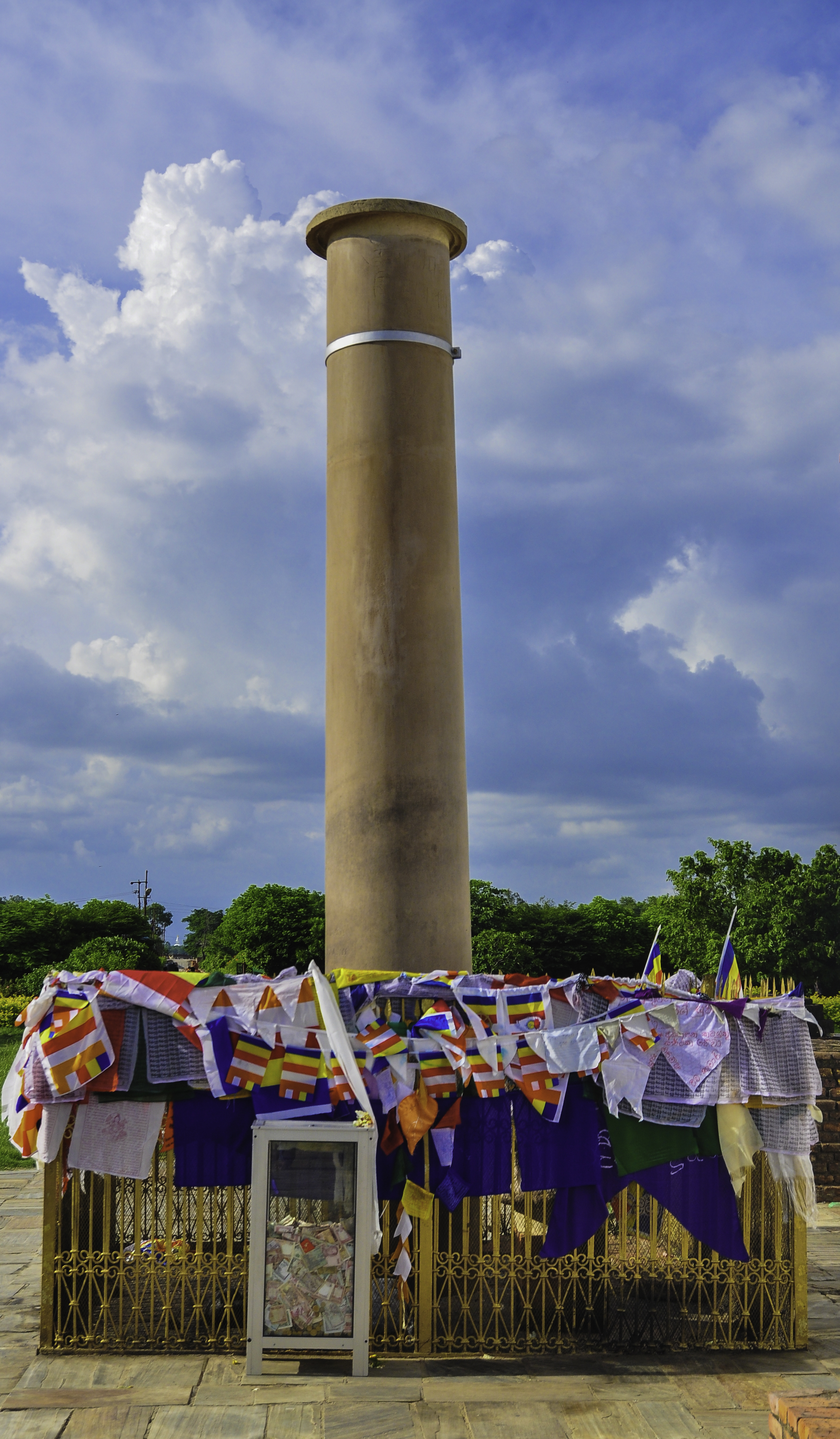
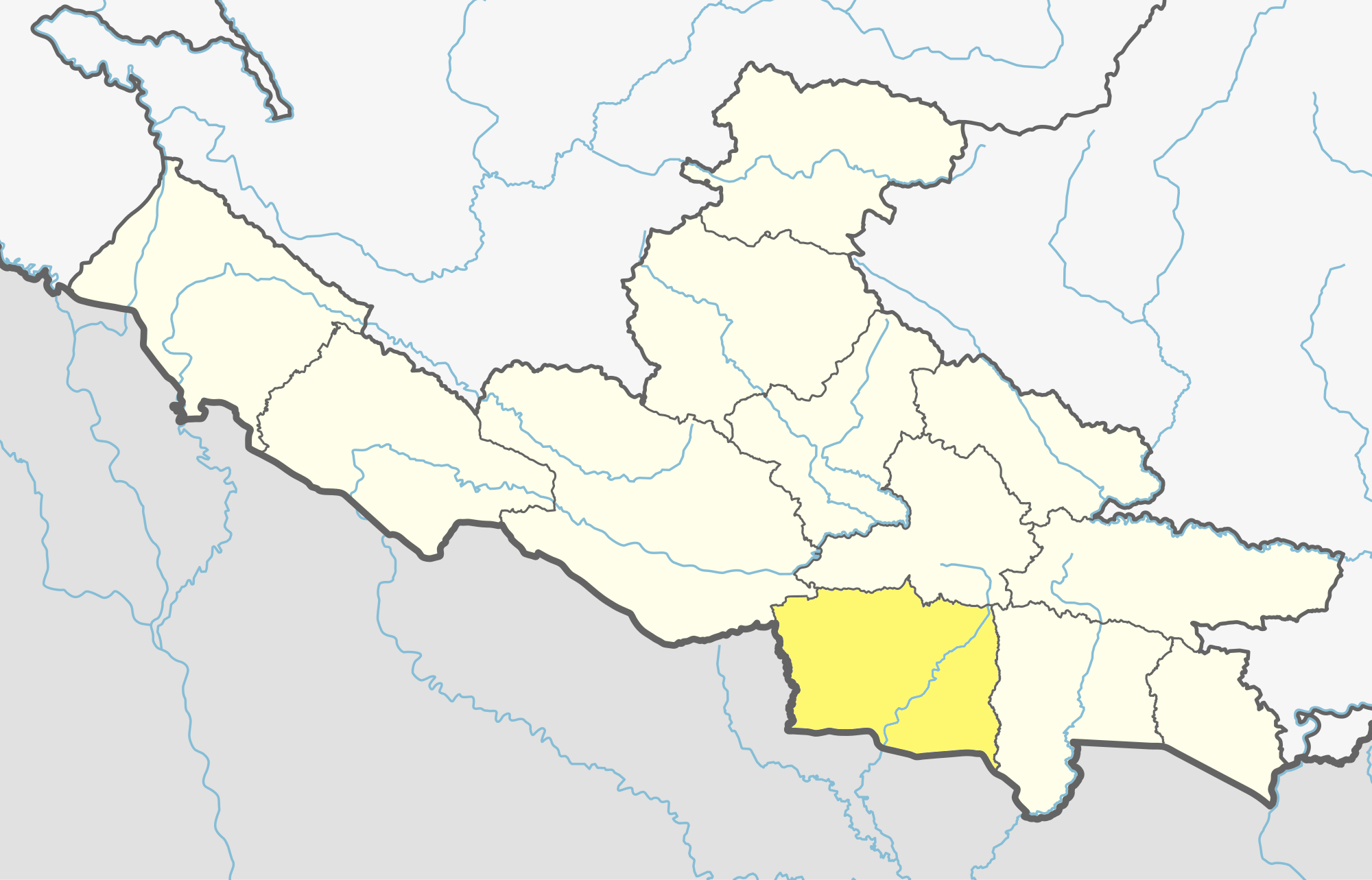
Lumbini, located in the Rupandehi District of Nepal, is a significant archaeological site renowned for its religious and historical importance as the birthplace of Siddhartha Gautama, who later became the Buddha. The site features a variety of religious structures, including the ancient Mayadevi Temple and the Ashoka Pillar, which marks Emperor Ashoka's visit in the 3rd century BCE. Lumbini's archaeological significance is highlighted by its continuous use as a site of worship, evidenced by the presence of early timber structures beneath later brick shrines. The site also includes an ancient bathing complex, numerous inscriptions, and serves as a major pilgrimage route. Lumbini's integration into the global heritage framework is underscored by its designation as a UNESCO World Heritage Site, reflecting its profound cultural and spiritual influence.
Gallery
Explore photographs of ancient structures, artifacts, and archaeological excavations
Historical Timeline
Journey through time and discover key events in this site's history
Birth of Siddhartha Gautama
623 BCE
Enlightenment of Siddhartha Gautama
528 BCE
Ashoka's visit and pillar erection
3rd century BCE
Ripumalla's inscription on pillar
13-14th century CE
Archaeological Features
Unique architectural and cultural elements found at this historical site
Water Management Features
Religious and Ritual Structures
Artistic and Decorative Features
Transportation and Communication Structures
Frequently Asked Questions
Plan Your Visit
Tours, travel arrangements, and practical information
More Sites in Nepal
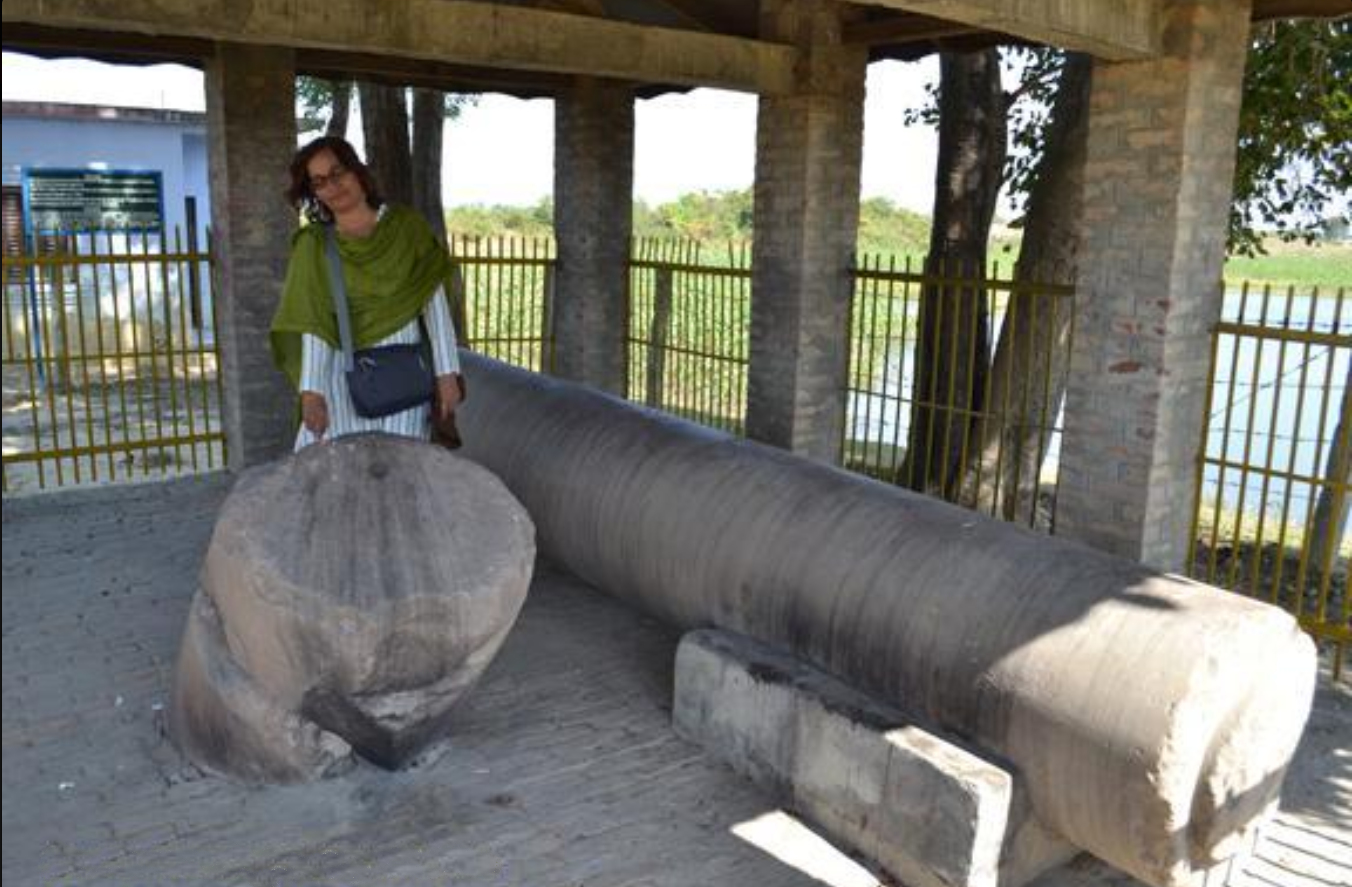
Nigali Sagar
Ashokan pillar with ancient inscriptions
Tilaurakot
Fortified ancient city with monumental gateways
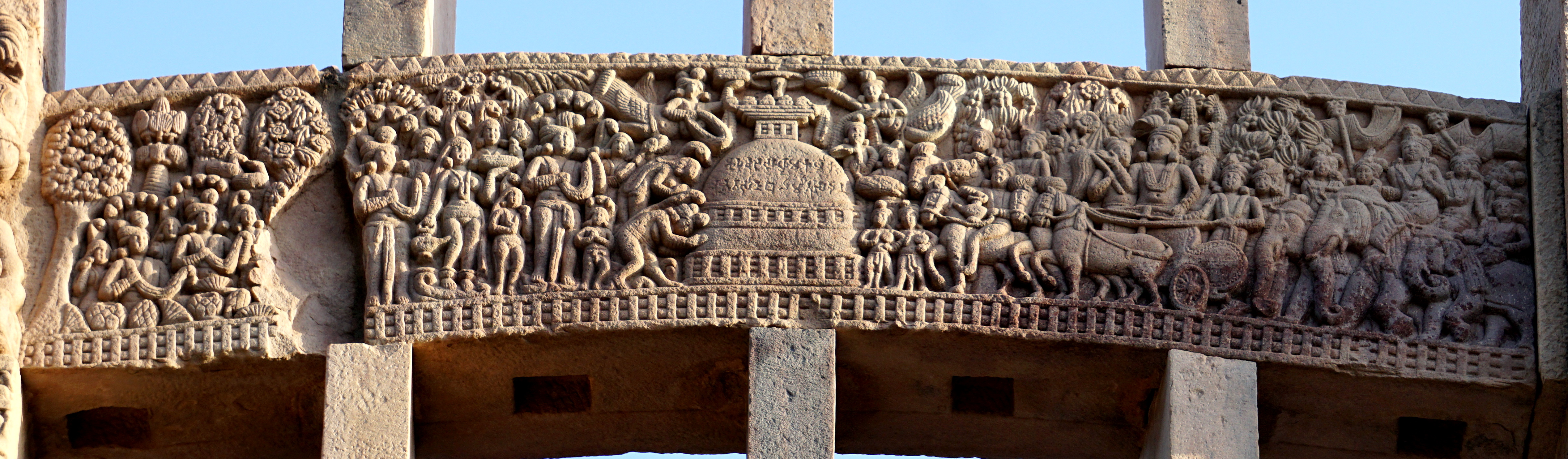
Ramagrama stupa
Intact Buddhist stupa with Buddha relics
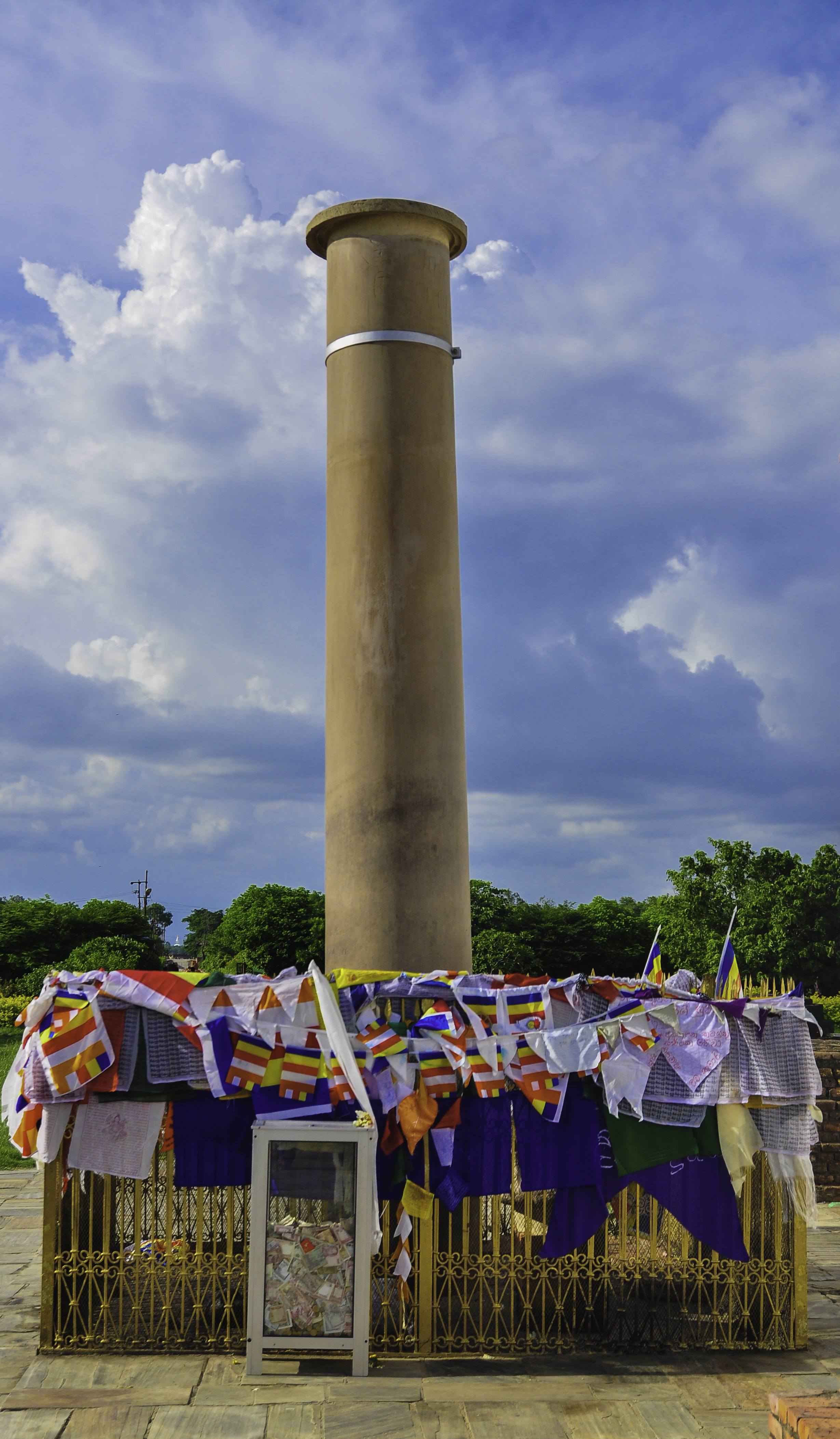
Maya Devi Temple, Lumbini
Ancient temple at Buddha's birthplace, Lumbini.
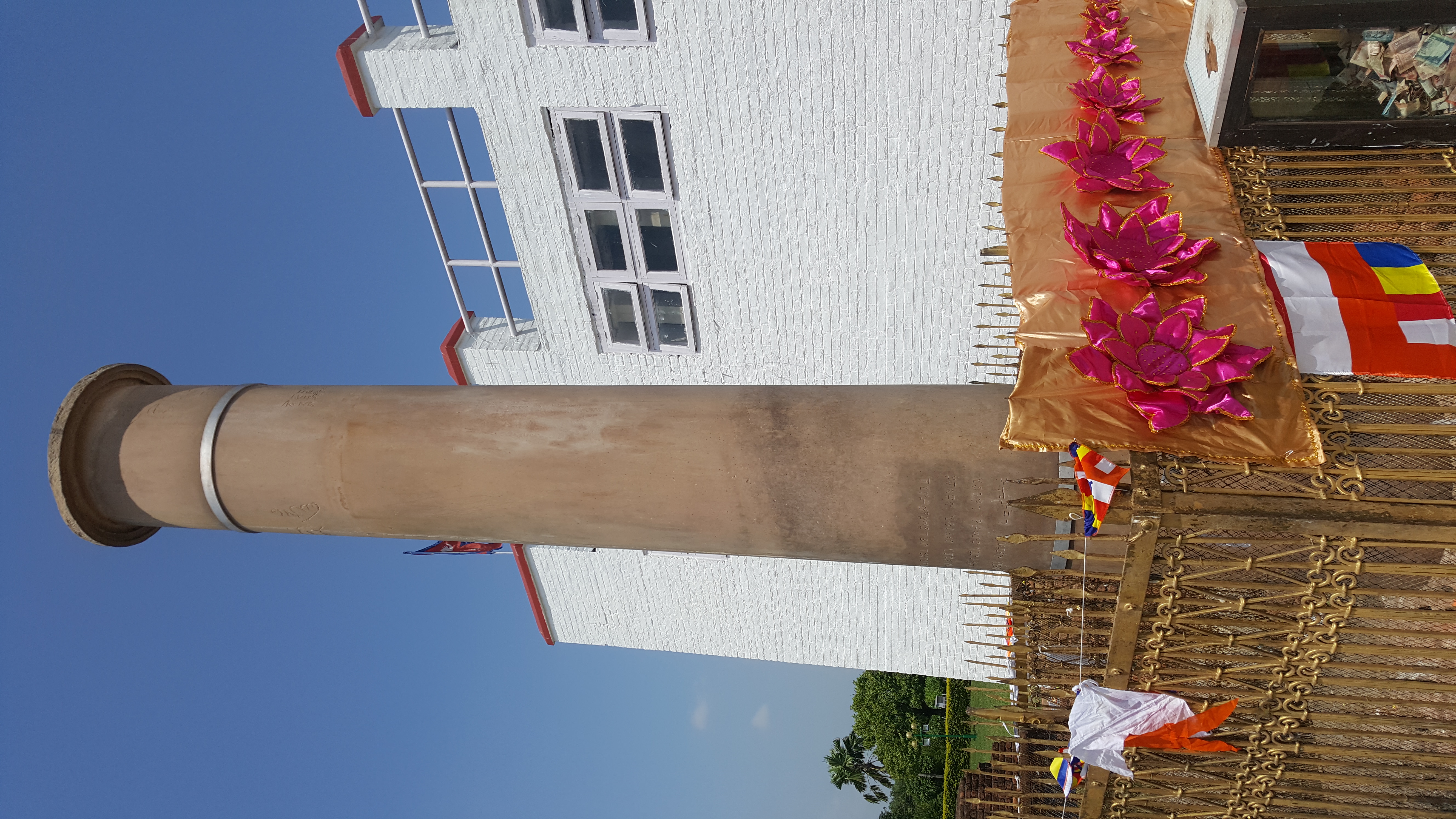
Lumbini pillar inscription
Ashokan pillar with Brahmi inscription
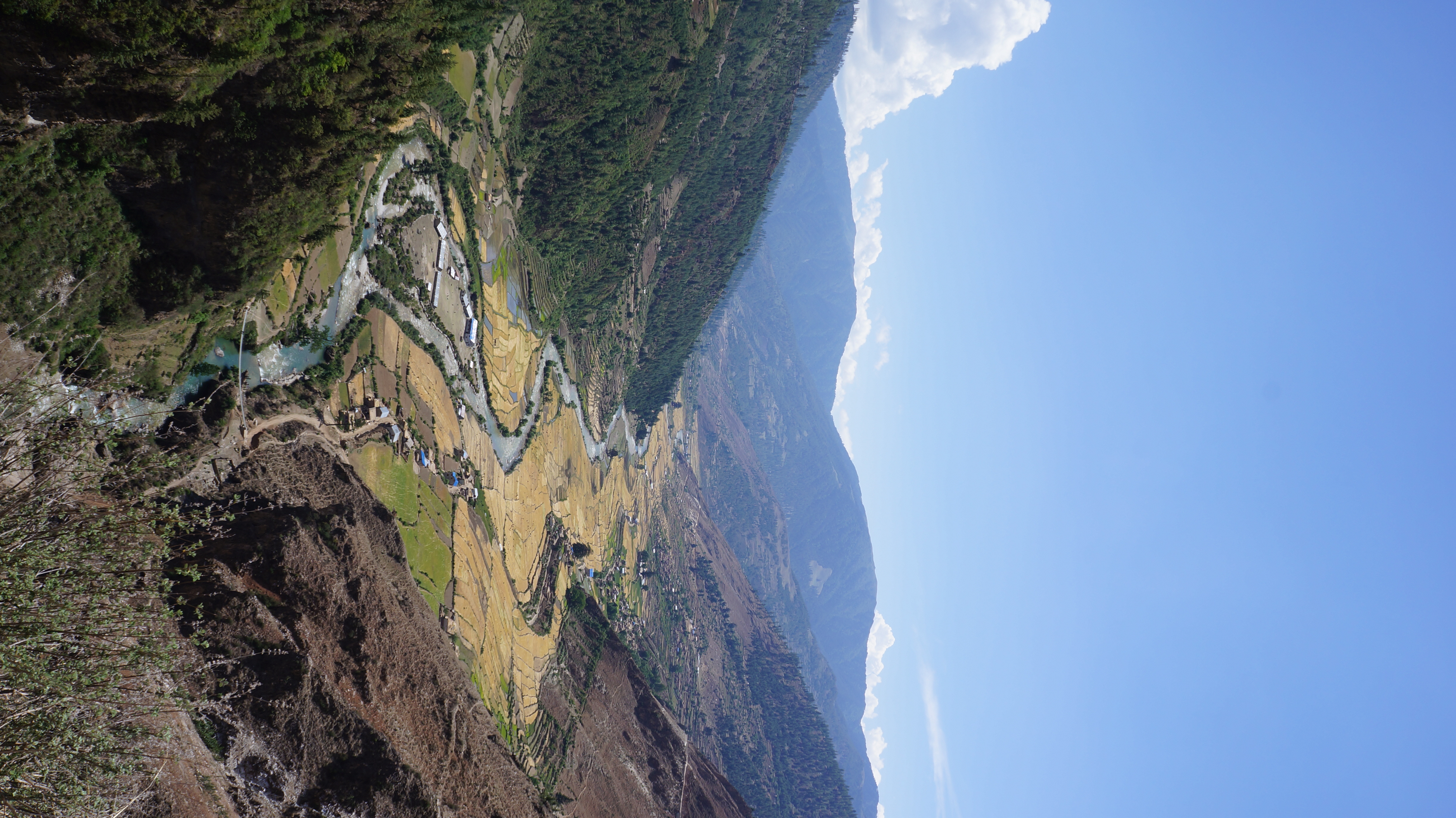
Sinja Valley
Ancient Khasa capital with significant water system